RAMageddon: Apple Confirms Price Hikes Are Unavoidable
Apple CEO Tim Cook confirmed price increases are unavoidable as surging DRAM costs hit an unsustainable level. Filmmakers are already feeling it through Blackmagic Design — and the rest of the industry is next.

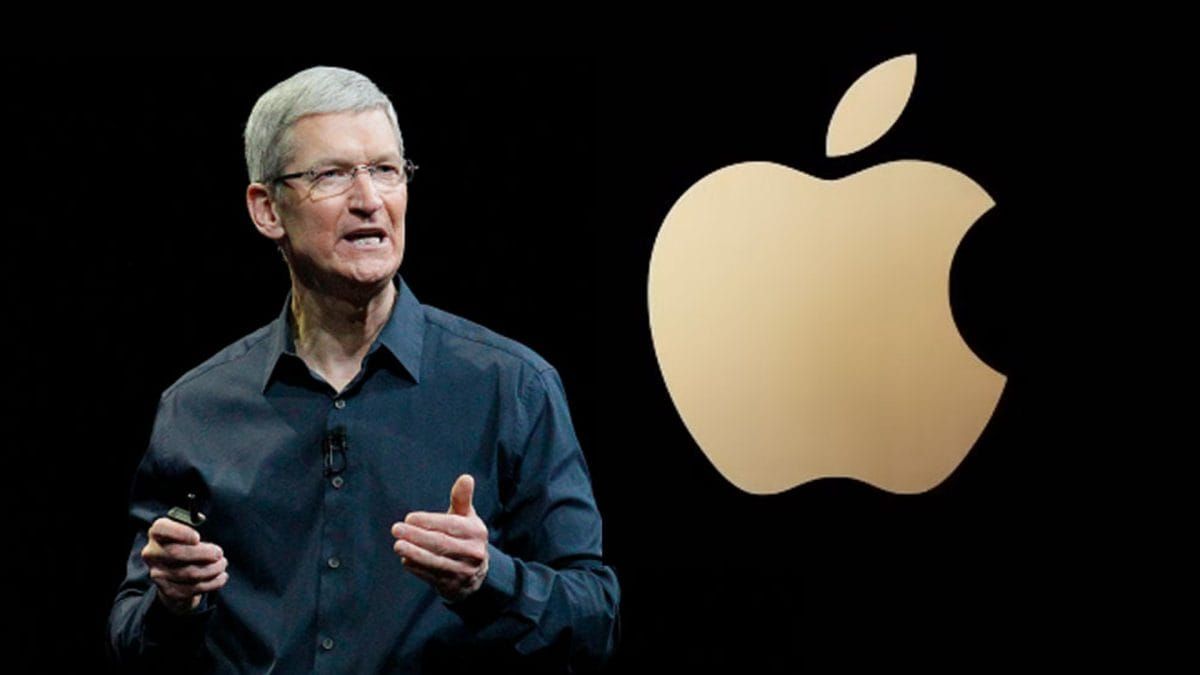
Apple CEO Tim Cook confirmed on June 17, 2026, that price increases across Apple's product lineup are unavoidable, citing an unprecedented surge in DRAM and NAND flash storage costs driven by AI infrastructure demand. Speaking to the Wall Street Journal, Cook called the situation a "hundred-year flood" — and for filmmakers and video creators who depend on Macs and high-performance cameras, the shockwaves are already arriving.
Cook Breaks Cover on the Memory Crisis
Cook told the WSJ: "There's less supply at a time when consumers want devices and the memory guys are passing along huge price increases."
He added that Apple is prepared to use its cash reserves to help resolve the supply imbalance, stating the company is "willing to use our balance sheet to help be a part of the solution" — but acknowledged that more fab capacity is the only real fix, and that takes years.
Gartner analyst Ranjit Atwal told the WSJ that Cook's disclosure underscores how deep the problem runs. "Even Apple can't be safe, as much as they have all the expertise and long-term planning, and everything else. This is beyond their capacity to limit the impact."
The timing is notable. Cook made these remarks less than three months before stepping down as CEO. John Ternus takes over on September 1, 2026, with Cook moving to executive chairman. Ternus inherits a supply chain crisis with no clear resolution date.
What Is Driving the Shortage
The root cause is the AI infrastructure buildout. Big Tech companies are sinking trillions into data centers, and those data centers require high-bandwidth memory (HBM) — produced by the same three manufacturers that supply consumer devices: Samsung, SK Hynix, and Micron.
The trade-off is severe. When Micron produces one unit of HBM for an AI server, it forgoes producing three units of conventional mobile memory. Nvidia's latest systems require up to 288GB of HBM per logic chip. A smartphone uses around 8GB. A laptop uses 16GB.
The numbers behind the price surge are significant. TrendForce estimates global DRAM contract prices rose 90–95% quarter-over-quarter in Q1 2026, with a projected 58–63% QoQ increase in Q2 2026. TechInsights told the WSJ that memory and storage prices have quadrupled since last year and may continue rising into 2027.
Micron has also announced it will exit the consumer Crucial-branded memory and storage business entirely, redirecting supply to enterprise and AI customers. That leaves Samsung and SK Hynix as the only major DRAM manufacturers serving the consumer device market.
Apple Price Changes: What Has Happened and What Is Coming
Apple already moved on the Mac mini in May 2026, raising the starting price to $799 from $599. The company did this by quietly removing the entry-level M4 configuration rather than announcing a straightforward price increase. Mac Studio 512GB RAM configurations have also been pulled from the lineup.
Cook acknowledged on an earnings call that both Mac mini and Mac Studio supply is constrained and that restoring supply-demand balance could take "several months."
The iPhone 18 launch in September 2026 is the next major flashpoint. TechInsights projects Apple would need to raise the iPhone 18 Pro price by roughly $270 from the current $999 tier to fully offset memory cost inflation. Omdia analyst Chiew Le Xuan told the BBC that Apple's new phones are likely to cost up to $150 more than the iPhone 17s.
Mac and iPad price increases could arrive before the iPhone cycle. The Mac Studio refresh — now expected in October 2026 with M5 Max and M5 Ultra chips — is widely expected to launch at higher prices than the current generation.
S&P Global Ratings warned on June 11 that memory prices are "poised to stay elevated on tight supply stemming from surging AI demand," forecasting the imbalance will persist through at least 2028.
Competitive Context
Apple is not alone. Samsung, Microsoft, Sony, and Dell have already raised prices. Lenovo, HP, Acer, and ASUS have warned of 15–20% PC price increases for 2026. Microsoft raised the Surface Pro 13-inch from $999 to $1,499 — a roughly 50% increase.
Looking further out, analysts project that PC makers will face a 15% chip shortfall in 2027, equivalent to approximately 58 million units. Smartphone manufacturers could face a 12% memory shortfall, equivalent to about 134 million units.
For the filmmaking and video production market specifically, Blackmagic Design has already moved twice. The company raised prices on URSA Cine cameras and Cloud Store products in two rounds during the week of May 7–11, 2026 — becoming the first camera manufacturer to explicitly cite the DRAM and flash storage crisis as the reason.
Blackmagic Design stated publicly: "This is the fourth time flash memory components have increased in price since the NAB show and the global supply chain situation is extremely frustrating."
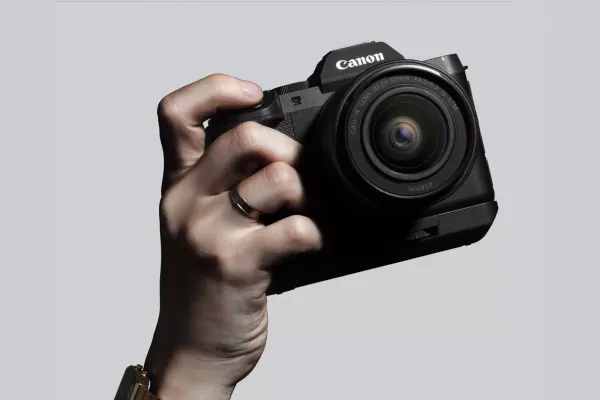
Canon has warned that rising memory costs will impact its imaging division this year, and has reportedly begun stockpiling components — a signal that Canon does not expect short-term relief.
The Signal in the Noise
Blackmagic Design has previous form as an early indicator of industry-wide price pressure. It was the first major manufacturer to raise US prices due to tariffs in April 2025, a move that was eventually followed across the industry. The DRAM crisis is following the same pattern.
The most striking data point for camera buyers: the URSA Cine 12K LF body cost $9,495 at its lowest. It now sits at $15,495. That is a $6,000 increase over 19 months on a single product.
IDC analyst Francisco Jeronimo framed the broader situation plainly: "The world is being disrupted by AI and, at the same time, even before we start reaping the benefits of AI in our devices, we are already paying the bill."
For Mac buyers specifically, the calculus on waiting for the next generation has shifted. Waiting for an M5 Mac Studio or next-generation MacBook Pro no longer guarantees a better price — it may simply mean paying more for the same performance tier. RedShark News has noted that buying now, before the next price adjustment, is worth serious consideration.
The cameras most exposed are the ones pushing performance limits — high-resolution, high-frame-rate bodies that require large, fast internal buffers and substantial onboard storage. Any manufacturer working at that tier is buying from the same constrained pool as data center operators.
2028 is the current best-case estimate from analysts for any meaningful easing of memory supply conditions. That is a long runway for production budgets to absorb continued gear inflation.
Blackmagic Design Price Changes — May 2026
| URSA Cine 12K LF (body) — was | $11,995 |
| URSA Cine 12K LF (body) — now | $15,495 |
| URSA Cine 12K LF + EVF — was | $13,495 |
| URSA Cine 12K LF + EVF — now | $16,795 |
| URSA Cine 17K 65 (body) — was | $16,995 |
| URSA Cine 17K 65 (body) — now | $18,495 |
| URSA Cine Immersive — was | $24,995 |
| URSA Cine Immersive — now | $26,995 |
| Media Module 8TB — was | $2,645 |
| Media Module 8TB — now | $4,195 (+59%) |
| Media Module 16TB — was | $5,375 |
| Media Module 16TB — now | $7,495 (+39%) |
| Cloud Store Mini 8TB — was | $3,275 |
| Cloud Store Mini 8TB — now | $4,495 (+37%) |
| Cloud Store Mini 16TB — was | $6,195 |
| Cloud Store Mini 16TB — now | $7,495 (+21%) |
Current Blackmagic Design pricing is confirmed on the Blackmagic Design website. Apple Mac mini pricing starts at $799 and is confirmed on Apple's website and at B&H Photo.