RED's RAW Patent Falls in Japan: A Ruling Two Decades in the Making
RED's compressed RAW patent, the one that's shaped internal RAW recording for two decades, just fell in Japan. Panasonic won the fight, and Nikon lost defending an argument it once made itself.

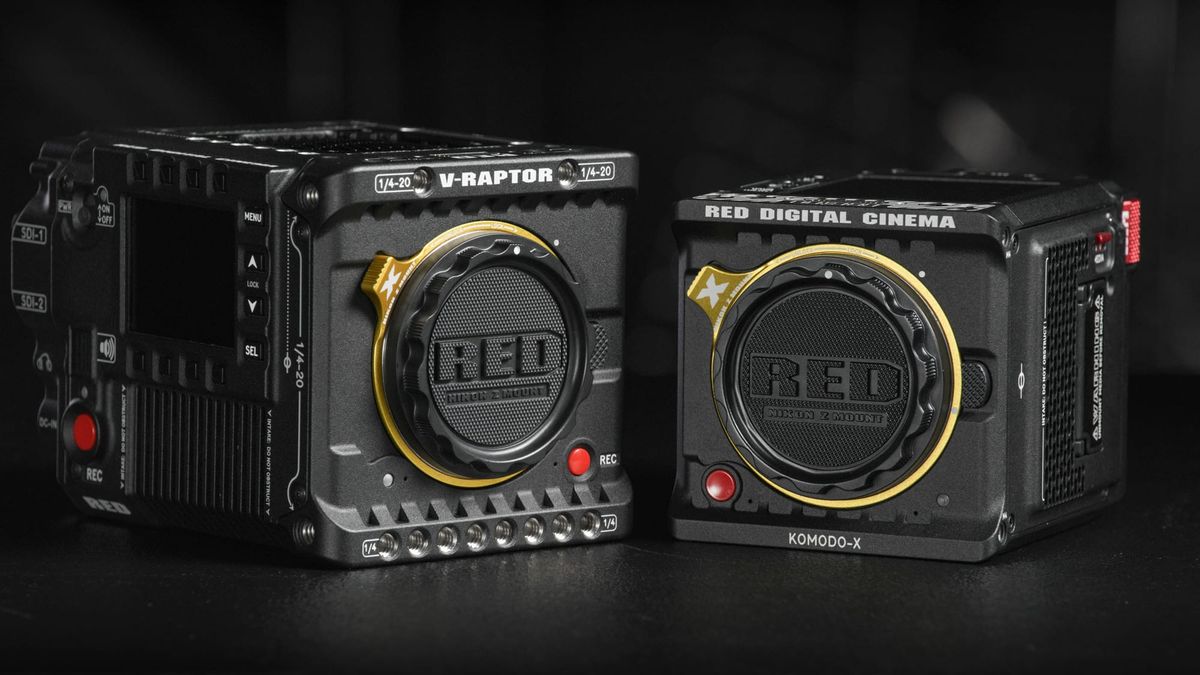
Japan's Intellectual Property High Court has upheld the invalidation of RED's Japanese compressed RAW patent, ending a challenge that traces back to the patent's original 2007 filing. Panasonic brought the case. Nikon, which acquired RED in 2024, inherited the losing side of it, and the specific argument that sank the patent is one Nikon itself made against RED years earlier, before switching sides entirely.
The Patent That Actually Shaped the Industry
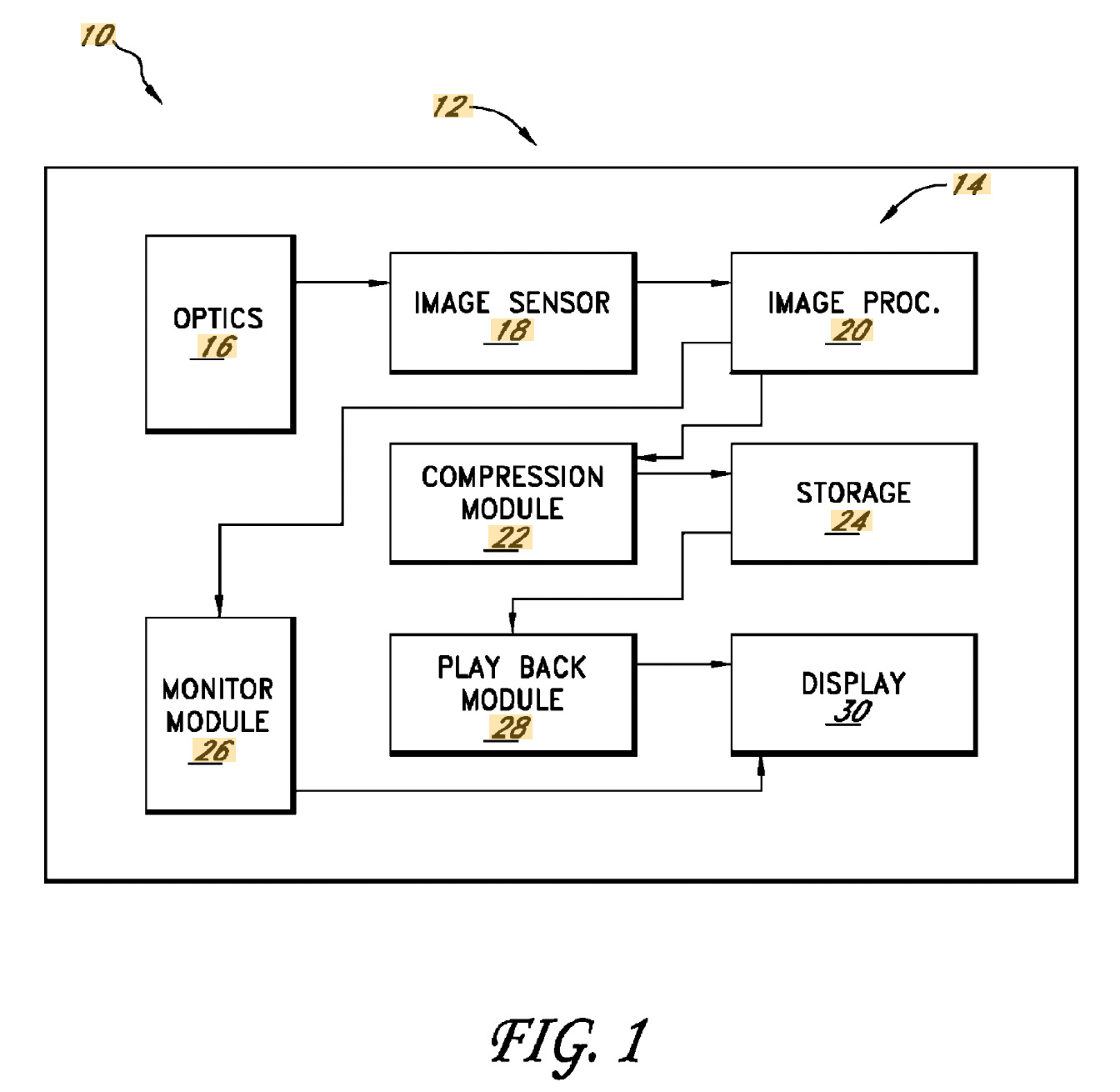
Japanese patent JP 5231529, simply titled "Video camera," names RED founder James Jannard and color scientist Thomas Graeme Nattress as inventors, filed internationally in April 2008 with priority back to April 2007. Its core claim describes REDCODE's actual technical approach: transforming red and blue image data based on green pixel values before compression, so Bayer sensor data compresses heavily while remaining visually lossless once demosaiced in post-production.
That's not an abstract technical detail, it's the specific mechanism that made compressed RAW acquisition practical for the first time when the RED ONE launched in 2007. Earlier RAW-capable cameras like the DALSA Origin or ARRI's D-20 recorded uncompressed sensor data, with all the storage overhead that implies. RED's patent covered the underlying approach broadly enough that any manufacturer wanting compressed RAW recording inside a camera needed RED's direct blessing, almost always in the form of a paid license.
The Real Industry Fallout
The consequences of this patent rippled through nearly two decades of camera development. Kinefinity was forced to remove CinemaDNG from its cameras. Blackmagic quietly stripped CinemaDNG from the Pocket Cinema Camera 4K and URSA Mini Pro via firmware once BRAW, a codec that partially debayers sensor data before compression specifically to route around RED's claims, became available. DJI's Ronin 4D shipped without ProRes RAW for years. Atomos took the licensing route instead, paying to run ProRes RAW on its external recorders rather than fighting the patent directly.
A Patent That Survived Everyone Who Tried
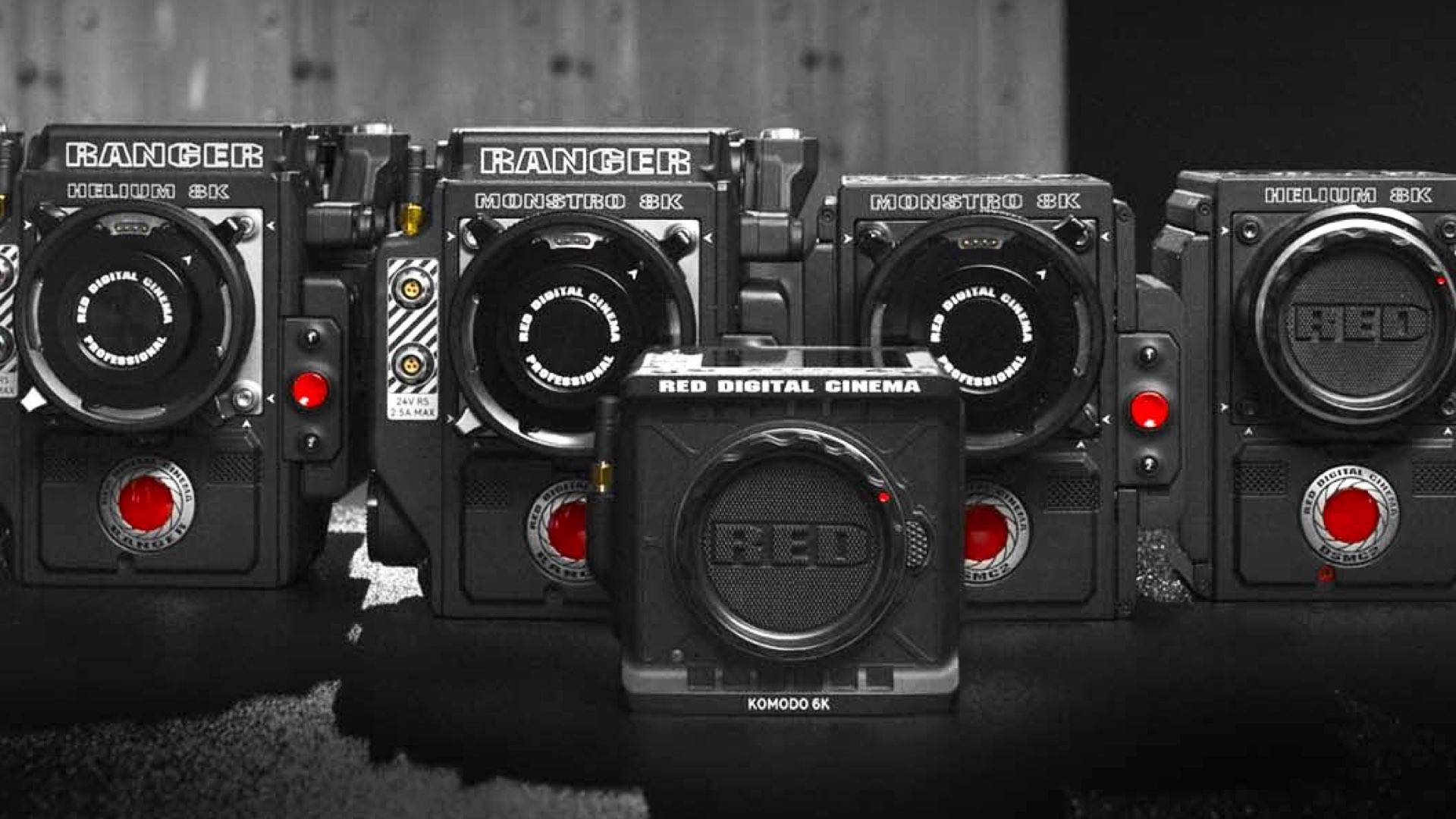
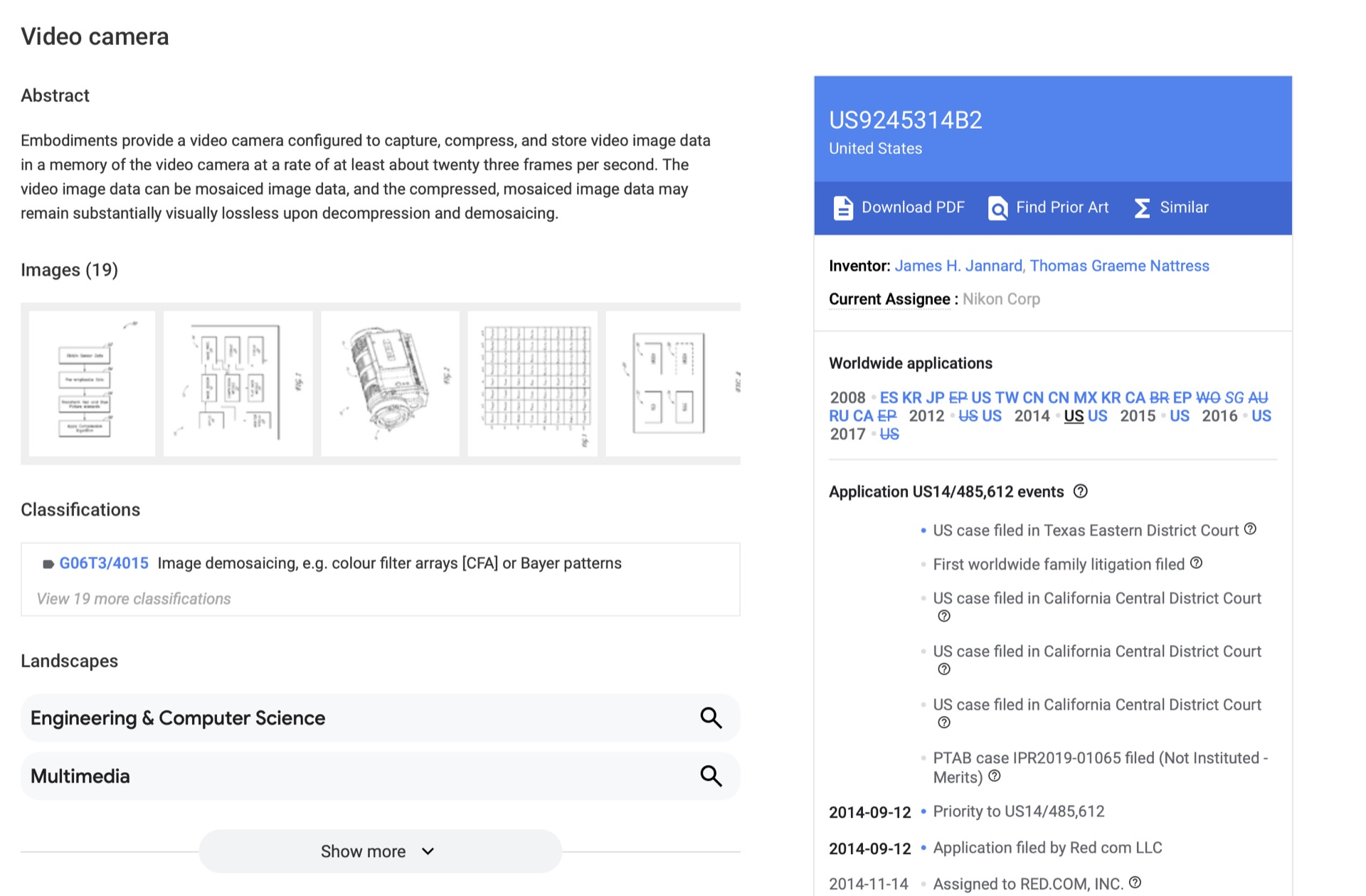
What makes this ruling genuinely significant is the list of challengers who failed before Panasonic succeeded. Sony fought RED in US courts in 2013 after RED accused its cinema cameras of infringement, and the patent came out intact. Apple challenged the US patent's validity at the Patent Trial and Appeal Board in 2019, presumably to free ProRes RAW from licensing obligations, and that challenge was denied too. For roughly fifteen years, this patent family beat every serious legal attack aimed at it.
Where Nikon's Own History Comes Back Around
This is the part of the story worth sitting with. After Nikon added internal N-RAW and ProRes RAW to the Z 9 via firmware, RED sued Nikon in May 2022. Nikon countersued, arguing RED's RAW patents were unenforceable because the underlying technology had already been made public before RED's application was filed, essentially the same category of invalidity argument Panasonic would later win with in Japan. That 2022 lawsuit never reached a verdict; it was dismissed in April 2023, and less than a year later, Nikon acquired RED outright.
That acquisition meant Nikon inherited RED's patent portfolio as a genuine business asset, licensing income from compressed RAW has long been considered a meaningful part of RED's revenue, and it meant Nikon inherited the Panasonic invalidation fight already in progress. When the Japan Patent Office sided with Panasonic and Nikon appealed to the IP High Court, Nikon was, in effect, defending the validity of a patent using the opposite argument it had made against that same patent's enforceability just a few years earlier.
What The Ruling Actually Does, and Doesn't Do
Under Japanese patent law, an invalidated right is treated as though it never existed, so the effect is retroactive within Japan specifically. It's worth being precise about scope here: this ruling only touches the Japanese patent. RED's US patents and other international family members remain fully in force, and existing licensing agreements elsewhere in the world don't change because of this ruling. The Japanese patent was also set to expire on its own terms in April 2028 anyway, meaning the practical commercial window this ruling actually opens is real, but finite.
The ruling is also a partial invalidation targeting specific contested claims, not a wholesale erasure of RED's broader patent portfolio, which extends well beyond this single filing.
What This Practically Means in Japan
Panasonic already ships internal compressed RAW today. The LUMIX GH7 introduced internal ProRes RAW in 2024, and the S1RII and S1II followed, all presumably operating under some licensing arrangement with RED whose specific terms were never made public. Seen that way, this ruling reads less like a door being newly opened and more like Panasonic removing a toll it was likely already paying, at least within its home market.
Why the Timing Matters for Nikon
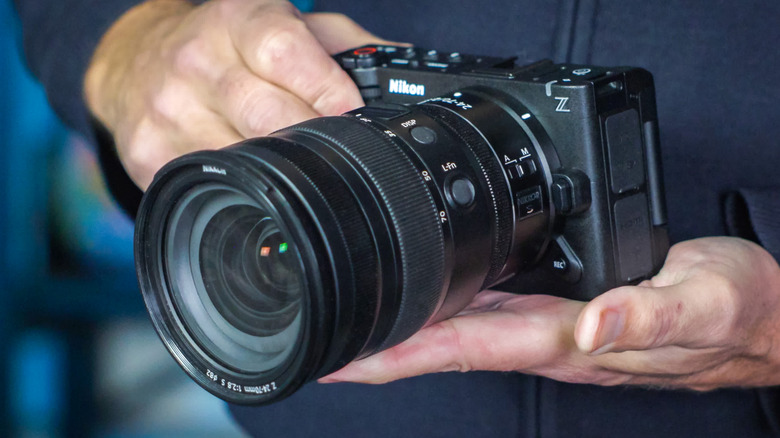
This lands at a genuinely sensitive moment for Nikon specifically. The company is betting real strategic weight on cinema: the Nikon ZR records REDCODE RAW NE internally, and a broader Z CINEMA series built on RED technology sits in Nikon's mid-term plans, all while Nikon's core imaging business has been under real financial pressure, as covered here previously regarding its latest quarterly results. Losing a foundational patent in its own home market, to domestic rival Panasonic specifically, is not a welcome data point against that backdrop.
The Signal in the Noise
The headline outcome, RED's patent falling, matters less on its own than the specific argument that finally beat it: an inventive-step challenge nearly identical to the one Nikon itself raised against RED years before acquiring the company. Whether Nikon appeals further to Japan's Supreme Court, and whether similar invalidity challenges start appearing in other jurisdictions now that this specific legal argument has a public, successful precedent behind it, are the two real threads worth watching from here.
Do you expect internal compressed RAW to spread more freely across camera brands now that this precedent exists, or does the US patent family staying intact mean not much actually changes for most manufacturers? Curious where you land, drop it in the comments.