Why Sony's Record Profits Might Mean a Longer Wait for Your FX5
Sony's record quarterly profit came almost entirely from smartphone sensors, not cameras. Here's what that means, and why an earthquake at a key sensor plant could mean a longer wait for your FX5.

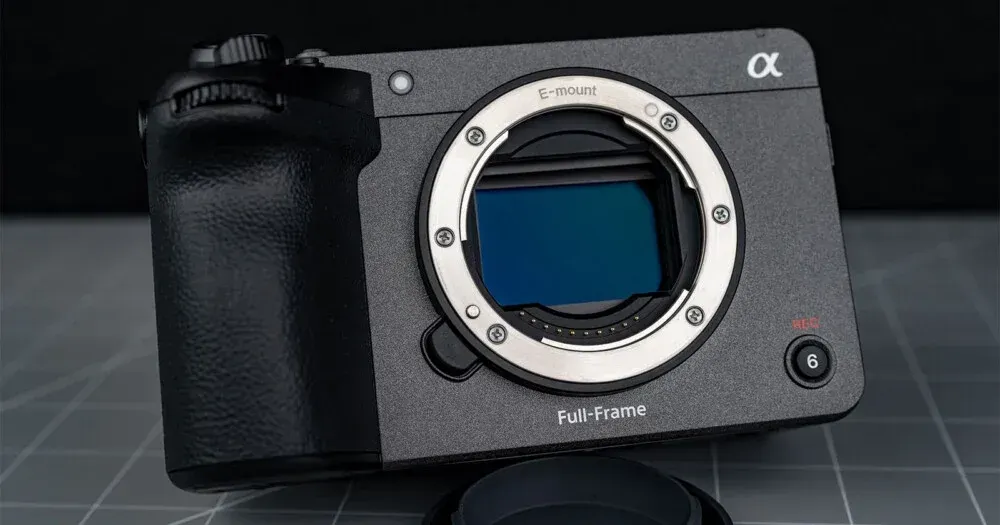
Sony posted its strongest quarter in years on August 1, consolidated operating income up 40% year-over-year to 476.5 billion yen. But the division actually driving that growth isn't cameras, it's the sensors inside them, and that distinction has real, practical implications for anyone currently waiting on an FX5.
Where Sony's Money Actually Came From
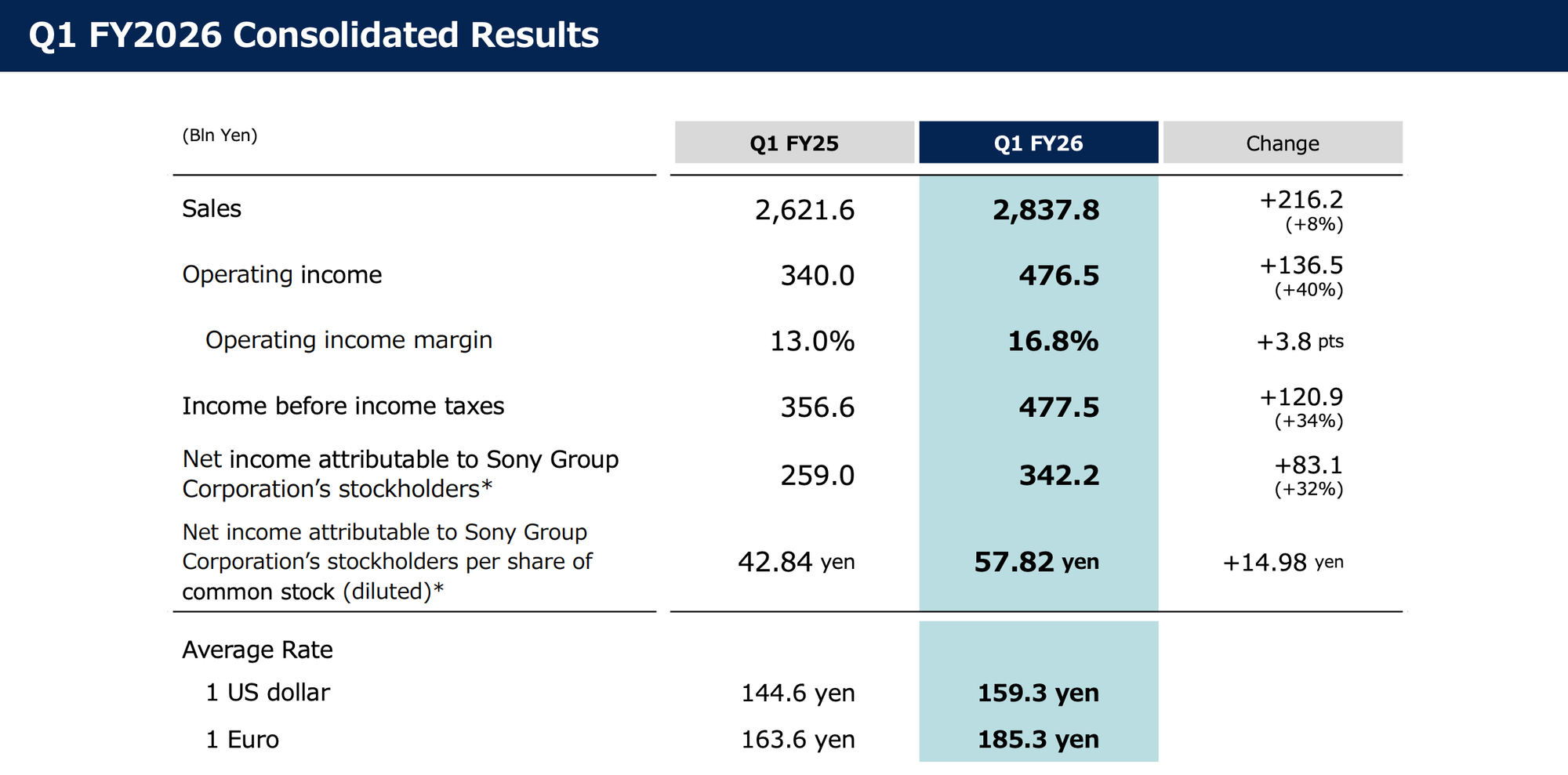
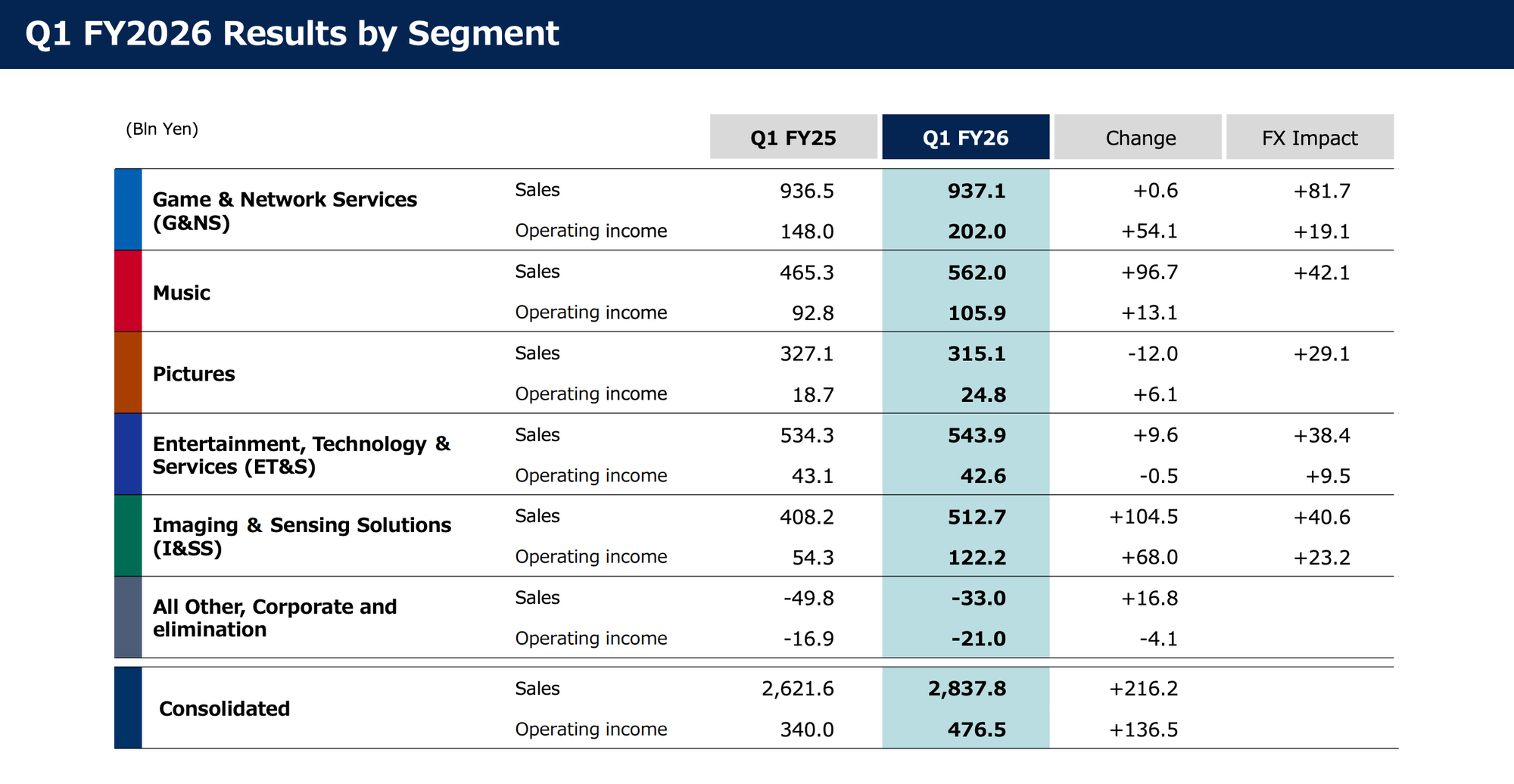
Sony's Imaging & Sensing Solutions segment, the division that manufactures image sensors, posted a 26% sales increase to 512.7 billion yen and a 125% jump in operating income to 122.2 billion yen, by far the standout performer across Sony's entire portfolio. Sony credits increased sensor sales for mobile products specifically, meaning smartphones, not cameras, as the primary driver.
The camera-adjacent segment, Entertainment, Technology & Services (which bundles cameras with TVs, audio, and other consumer electronics), grew a much more modest 2% to 543.9 billion yen, with operating income essentially flat. Sony's own commentary credited premium still cameras specifically, the a7 V (2026 Camera Grand Prix winner) and the June-launched a7R VI, as bright spots, alongside the FX5's launch on the cinema side.
The Structural Point Worth Understanding
This is genuinely useful context for anyone trying to understand where camera technology actually comes from: sensor development is enormously capital-intensive, and Sony's smartphone sensor business, selling to Apple, Samsung, and others, is what funds the R&D that eventually shows up in dedicated camera bodies. The global shutter in the a9 III and the dual-gain sensor designs in recent Alpha models exist in large part because a much bigger, much more profitable smartphone sensor business subsidizes that research.
A healthy, record-profit I&SS quarter is genuinely good news for the pace of future sensor innovation in dedicated cameras. It's a less direct connection than "Sony camera division makes more money," but it's the more accurate one.
The FX5 Problem
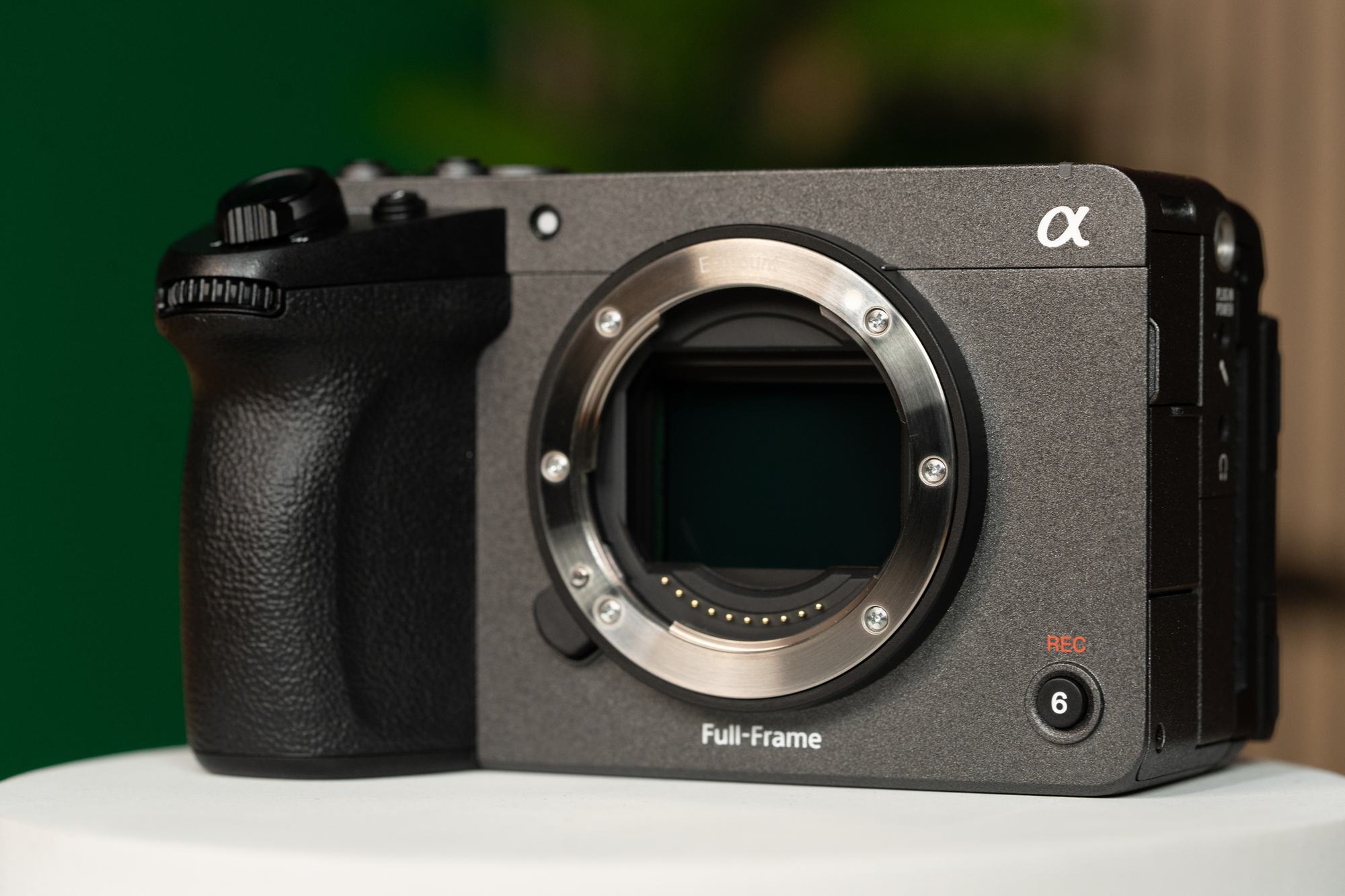
Here's where this quarter's numbers intersect with something practical for BRC readers specifically. Sony has already warned of possible delivery delays after FX5 orders significantly exceeded expectations following the camera's launch this spring, a demand problem, not a manufacturing one, on its own.
Then, on July 28, an earthquake in the Kumamoto region forced Sony to halt production at its Kumamoto Technology Center, one of its key image sensor fabrication plants. Sony's other affected facilities, in Nagasaki, Oita, and Kagoshima, resumed operations quickly, but Kumamoto itself is only beginning a gradual restart from August 4, with output not expected to return to pre-earthquake levels until mid-August.
Sony says the financial impact is still being assessed and hasn't been factored into its raised full-year outlook. For anyone with an FX5 order already sitting in a backlog, an already-strained sensor supply chain absorbing a real production disruption, even a short one, is not a reassuring combination.
Worth Keeping in Perspective

This isn't 2016 territory, at least not yet. The 2016 Kumamoto earthquakes disrupted Sony's sensor supply for months and delayed camera production across multiple brands industry-wide. Sony's own messaging this time points to significantly improved facility resilience since then, and a projected two-week recovery window is a meaningfully different scale of disruption than what happened a decade ago.
Combined with memory prices already pushing camera costs upward industry-wide, a separate, ongoing pressure this beat has covered before, any additional supply friction lands at an already sensitive moment for component availability heading into the second half of the year.
Competitive Context
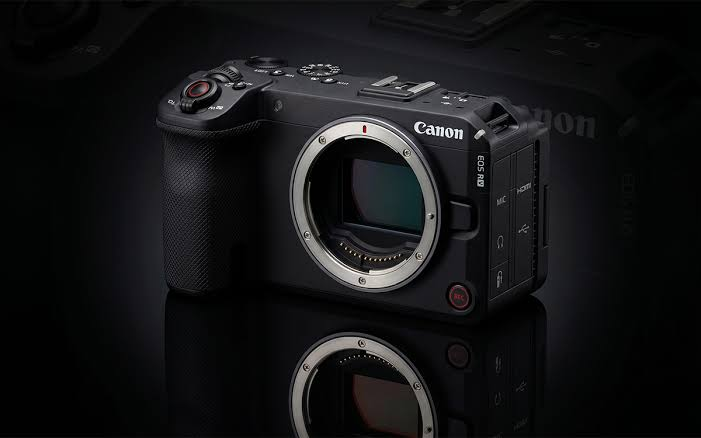
Canon reported record Q2 imaging revenue just days before Sony's results, and CIPA's first-half shipment data showed the broader camera market's shipped value climbing even as compact cameras boom. Sony's report adds the sensor-supplier's perspective specifically, and because Sony supplies sensors to a large share of the broader camera industry, not just its own bodies, that context matters well beyond Sony's own product lineup.
The Signal in the Noise
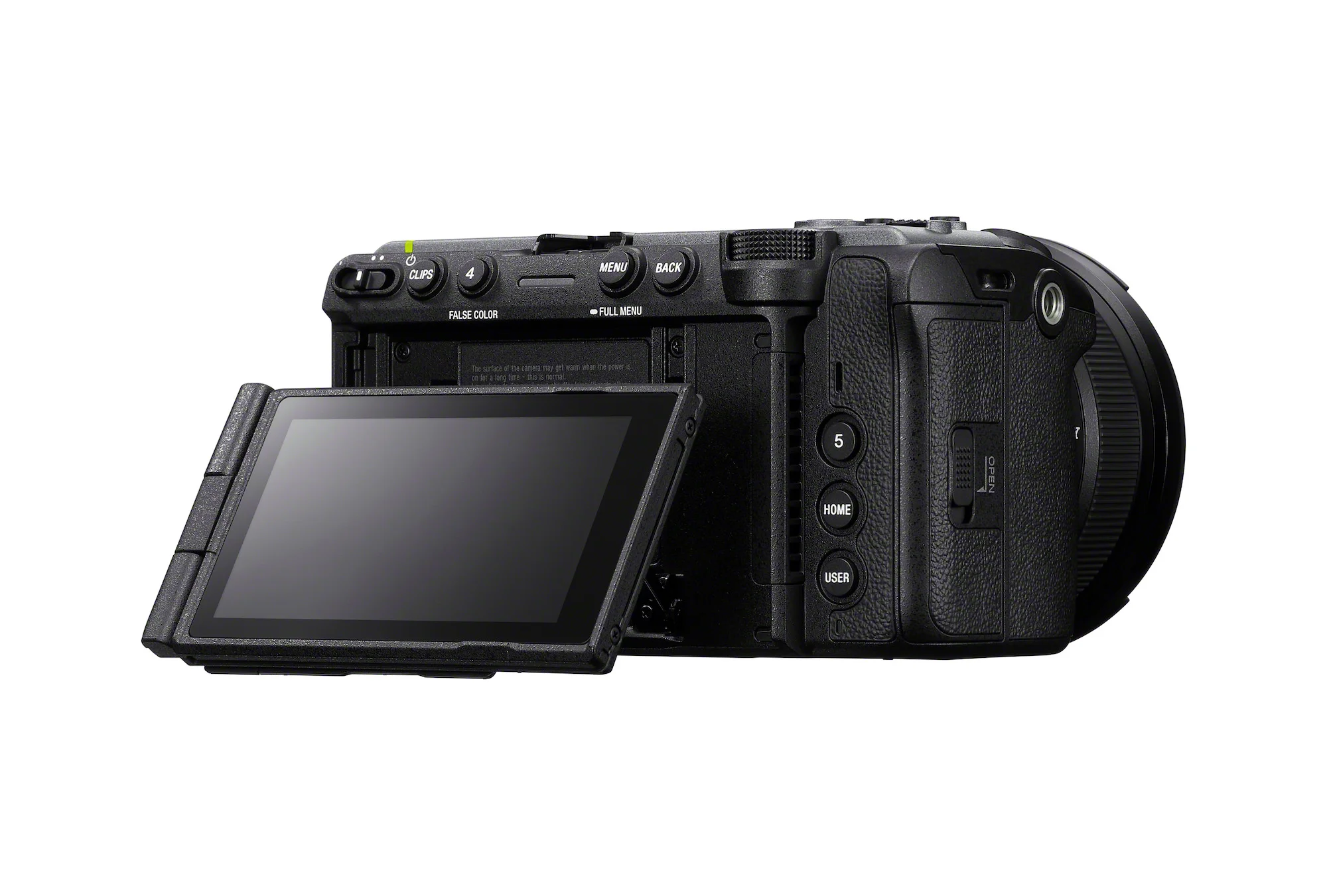
The headline "Sony has a great quarter" doesn't tell the full story here. The company's actual growth engine is smartphone sensor demand, not cameras, which is structurally good news for long-term sensor innovation but doesn't directly speed up your FX5 shipment. What does matter directly: real demand already outpacing supply, plus a genuine, if likely short-lived, production disruption at one of Sony's key sensor fabs, landing at the same time. If you're waiting on an FX5 order specifically, it's worth checking with your retailer directly on current timelines rather than assuming the original delivery estimate still holds.