Dreamina Seedance 2.0 Is Now Available to US Companies, Hosted Entirely on US Infrastructure
fal now hosts Dreamina Seedance 2.0 entirely on US infrastructure for US companies, a real distinction from simple API access.


fal announced that Dreamina Seedance 2.0, ByteDance's video generation model, is now available to US companies with inference running entirely on US infrastructure. The model itself isn't new to fal, it's been accessible globally since earlier this year, but running the actual computation domestically is a meaningfully different offering than simply routing API calls through a US-based company.
Why "Hosted in the US" Is the Actual News
Access to a model and the physical location where that model's computation runs are two separate things. Previously, using Seedance 2.0 through fal meant a US company's data was processed on fal's global infrastructure, which wasn't necessarily domestic.
This announcement specifically guarantees the inference itself happens on US servers, a distinction that matters directly to enterprise, government-adjacent, and security-conscious customers who have data-residency requirements ruling out any workflow where their inputs might touch infrastructure outside the country, regardless of which company sits between them and the model.
What Seedance 2.0 Actually Does
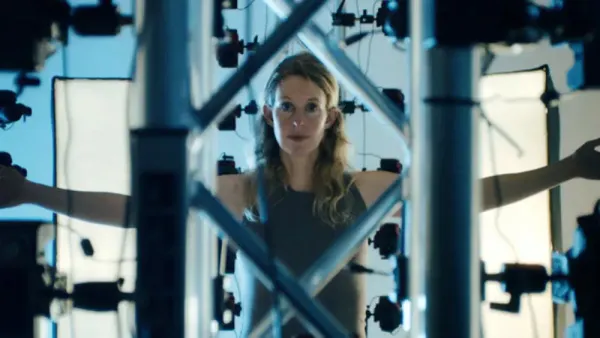
Seedance 2.0 uses a unified multimodal architecture accepting text, images, video, and audio as input, generating cinematic video with native audio, multiple shots, and natural transitions within a single generation, up to 15 seconds long, at 480p or 720p resolution.
Because audio and video are produced together rather than layered afterward, sound effects and dialogue sync naturally with on-screen action rather than being fit to picture after the fact.
Why Location Matters for This Specific Model
Seedance 2.0's rollout history adds real context here. The model faced criticism from Hollywood over alleged copyright infringement earlier this year, and ByteDance reportedly paused parts of its global rollout to address those concerns before expanding further.
A Chinese company's video model, already under scrutiny for IP issues, becoming available to US enterprises specifically through domestically-hosted infrastructure addresses two separate concerns at once: intellectual property risk and data sovereignty, rather than just one.
Competitive Context
This fits a broader pattern in how US companies are choosing to access AI models built outside the US. Rather than avoiding capable models from Chinese labs entirely, US infrastructure providers are increasingly offering a middle path: full access to the model's capabilities, with the actual computation contained within US borders.
That's a meaningfully different value proposition than the model itself, and it's the kind of offering that specifically targets buyers who were blocked from adoption by compliance requirements rather than by interest in the technology.
The Signal in the Noise
For most individual creators, this announcement changes very little, Seedance 2.0 was already accessible. For enterprise and institutional buyers with real data-residency obligations, though, this is the difference between a model being usable and being off-limits entirely. As more capable AI models continue emerging from outside the US, expect more of this specific pattern: access layered on top of a foreign model, with domestic hosting doing the work of making it viable for buyers who couldn't previously touch it.
Does domestic hosting change how comfortable you'd feel using a model like Seedance 2.0 for client or enterprise work, or does the underlying origin of the model still factor into that decision for you?
The Details
- Announcement: Dreamina Seedance 2.0 now available to US companies via fal, with inference hosted entirely on US infrastructure
- Model origin: ByteDance (Seedance line, part of ByteDance's broader Seed foundation model family)
- Core capability: native audio-video generation, multimodal input (text, images, video, audio), multi-shot generations up to 15 seconds
- Resolution: 480p and 720p
- Access: available now via fal; enterprise access via sales@fal.ai
- Context: Seedance 2.0 previously faced Hollywood copyright criticism and a partial global rollout pause earlier in 2026