Seedream 5.5 Outputs Transparent Images and Claims 100 Rounds of Edits Without Drift
ByteDance’s Seedream 5.5 adds native transparent output and claims 100 rounds of edits that preserve unedited areas. The benchmarks are ByteDance’s own.

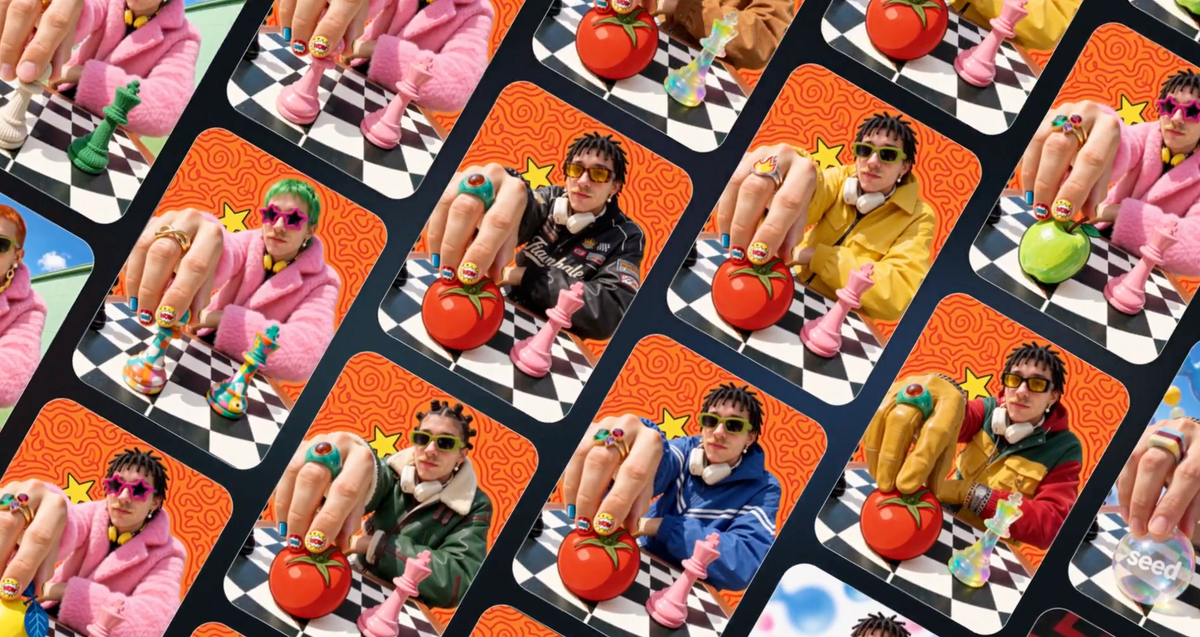
ByteDance Seed released Seedream 5.5 on November 9, with native transparent output and a claim of up to 100 rounds of edits on the same image.
The model outputs transparent and semi-transparent images with an alpha channel. ByteDance’s Seedream 5.5 page says it is coming to Dreamina, CapCut and BytePlus.
100 Rounds of Editing
Introducing Seedream 5.5.
— ByteDance Seed (@ByteDanceSeed_) November 9, 2026
More realistic images. More stable editing across 100 rounds.
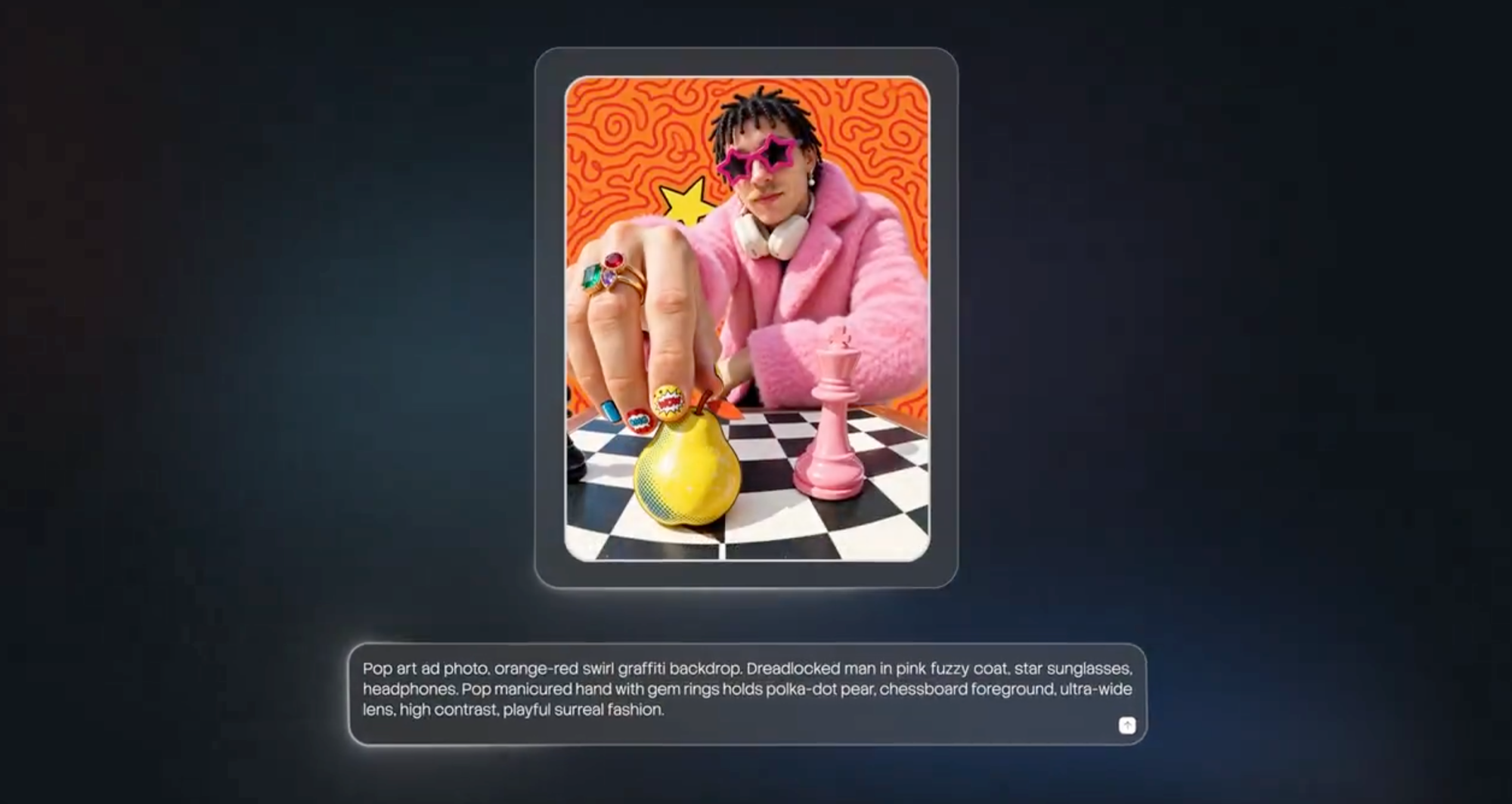
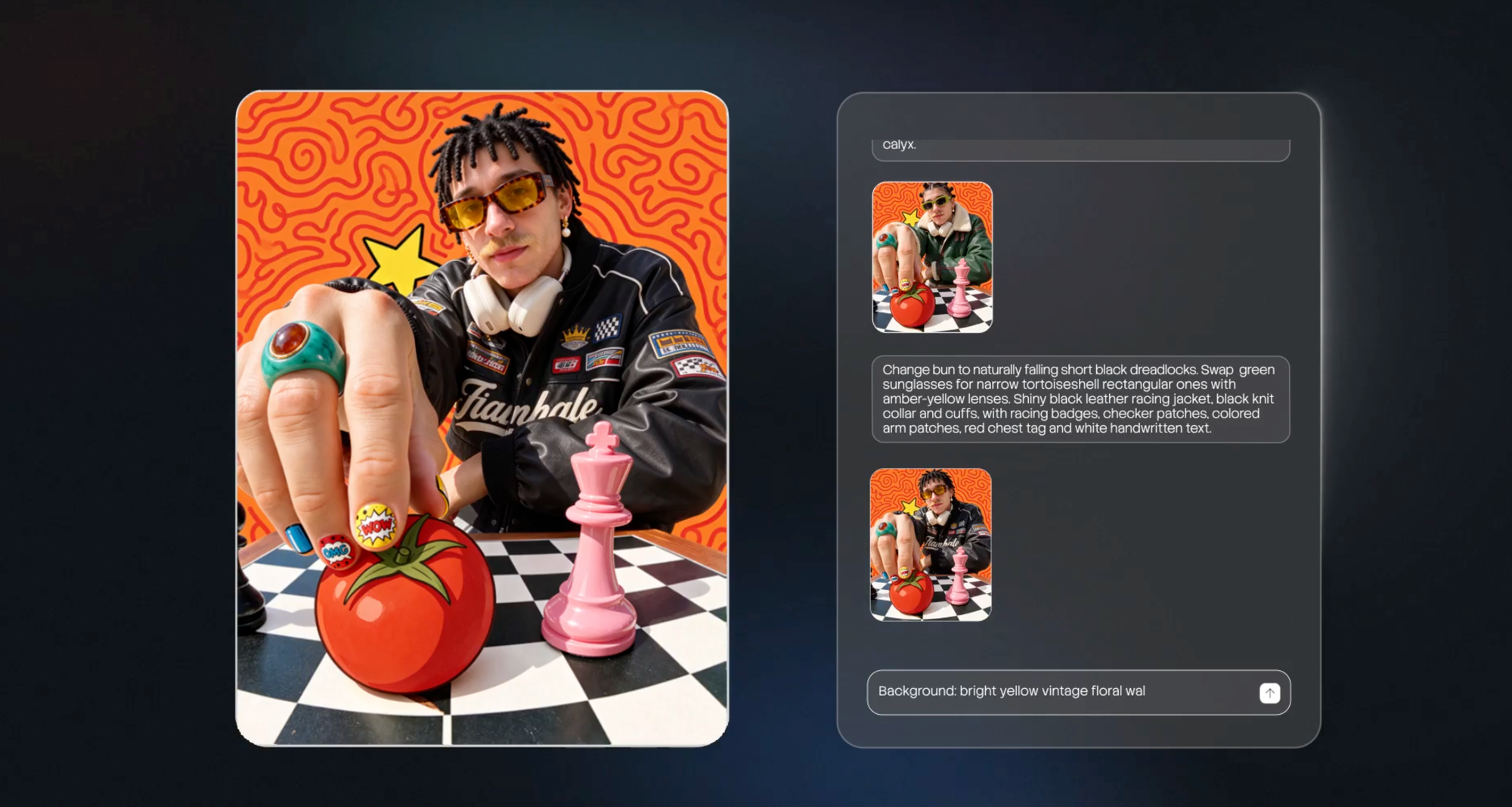
1. Keep refining, with pixel-level preservation of unedited regions and reduced detail loss across successive edits.
2. Generate transparent and semi-transparent assets with native RGBA… pic.twitter.com/sRu9ppxc08
ByteDance says Seedream 5.5 preserves unedited regions at the pixel level across edits. It also says the model reduces color shift and the detail loss that builds up when each output becomes the next input.
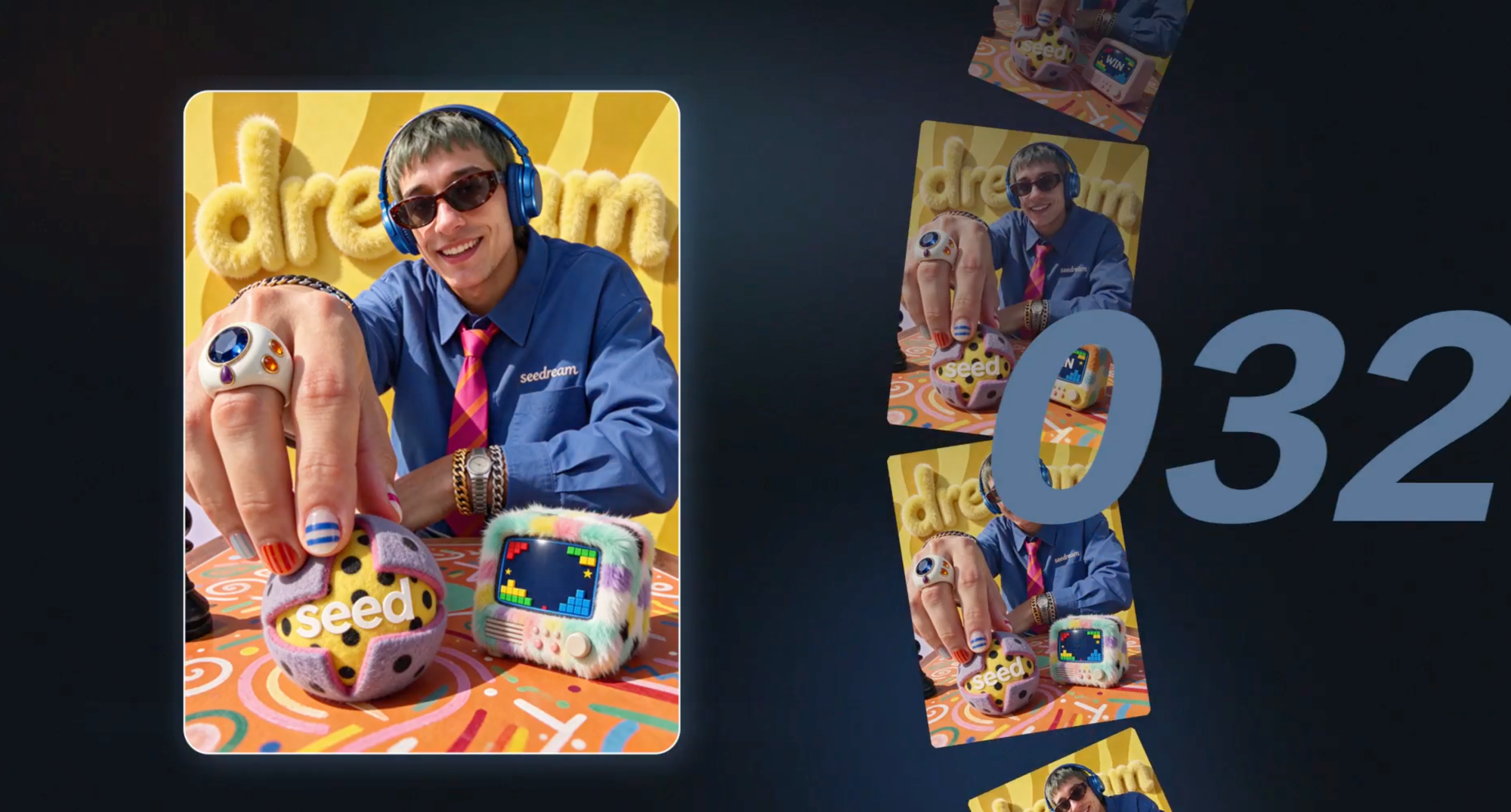
The company’s demo runs 100 consecutive edits on one portrait, with each round built on the last. The edits change clothing, accessories and tabletop objects. The model still adjusts small items such as rings and eyeglass frames, and it handles contact and shadows with the skin.
Another demo remodels an interior across many rounds. As a box moves from place to place, ByteDance says the model adjusts perspective, occlusion and shadow, including areas that were hidden before.
Native Transparent Output
ByteDance says Seedream 5.5 outputs images with an alpha channel directly, which removes cutout and edge cleanup steps. Its demos include a snowy owl with spread wings, with feather tips, gaps between feathers and talon outlines left intact.
The transparent output also works with text. In one demo, the model applies a reference texture to lettering and returns it on a transparent background.
ByteDance also shows a set of transparent characters reused as references for a series of scenes. It says the characters keep their features and textures while poses, groupings and compositions change.
Realism and Text
ByteDance says lighting, materials and skin texture are improved, with less excess shine and overexposure. Its demos include backlit portraits and a father holding a sleeping baby by a window.
The company also says dense small text renders more accurately. Its demos include a butterfly diagram with small Chinese captions and a newspaper layout with tightly set English text.
Competitive Context
introducing @NanoBanana 2.1 🍌
— Google AI Studio (@GoogleAIStudio) October 6, 2026
our latest image generation model outperforms our previous models across the board:
- better visual design
- mask-based editing
- subject consistency
- more natural-looking images
try it out today in https://t.co/shgEhF592p pic.twitter.com/PLYopy1kQ4
ByteDance compares Seedream 5.5 with its predecessor and with GPT Image 2.5 Sunburst and Nano Banana 2.1. It says the model leads those two on text structure and text-to-image realism.
Seedream 5.0 Pro Can Generate Full Storyboards covers the previous version. For the rivals, see Nano Banana 2.1: About Half the Price of Nano Banana 2 and ChatGPT Images 2.5 Targets Filmmaking’s Pre-Production. FLUX 3 Image: Between Storyboards and AI Video Keyframes covers another keyframe-focused model.
The Signal in the Noise
The numbers come from ByteDance. Its evaluation used expert raters on its own MagicArena platform, and it reports a +55.62% preference score for image-to-image realism over Seedream 5.0 Pro. It also reports a 0.4% severe text distortion rate on dense small text.
The 100-round claim rests on a single demo, so the test is whether edits hold up on your own images. ByteDance’s rival comparisons cover text structure and text-to-image realism, not editing. It also says film and TV usability more than doubled over 5.0 Pro, without giving the baseline in the text I could read.
Transparent output targets cutout and retouch work that designers and compositors do by hand today. For filmmakers, the practical uses are title elements, overlays and consistent concept frames. ByteDance says a Pro version is coming later.
Would you trust an AI image model through 100 rounds of revisions on one frame, or do you restart from the original after a handful?