ByteDance's New Seedream 5.0 Pro Can Generate Full Storyboards From a Single Prompt
ByteDance's new Seedream 5.0 Pro can generate full 16-panel cinematic storyboards from a single prompt — among other capabilities worth knowing about for filmmakers and content creators.

ByteDance just announced Seedream 5.0 Pro, the newest model in its image generation lineup — and for filmmakers specifically, the demo output that stands out isn't the photorealistic portraits or the multilingual infographics. It's a 16-panel cinematic storyboard generated from a single detailed prompt, with numbered panels arranged in reading order, pencil-sketch style, and director's-level scene description built in.
That's a genuinely useful capability for pre-production work, and it's worth separating from the broader AI image generation noise.
What Seedream 5.0 Pro actually is
Seedream 5.0 Pro is a multimodal image generation model from ByteDance's Seed research division — the same lab behind Seedance 2.0, the video generation model that currently tops the Artificial Analysis text-to-video leaderboard. The "Pro" label distinguishes it from the existing Seedream 5.0 Lite, positioning it as the higher-capability option in ByteDance's image generation family.
The four headline capabilities ByteDance is leading with:
High-density infographics — complex, text-rich images including educational posters, technical drawings, RPG-style data interfaces, and multi-panel layouts with dense information architecture. This is where Seedream 5.0 has historically differentiated from competitors like GPT-Image 2, which struggles with granular text accuracy inside complex layouts.
Interactive editing with spatial annotations — the model responds to annotated reference images, following handwritten notes or drawn boxes to make targeted edits. The demo shows a living room photo annotated with purple boxes and handwritten instructions, with the model executing each annotation accurately. Layer separation is also supported, opening up more targeted post-generation editing.
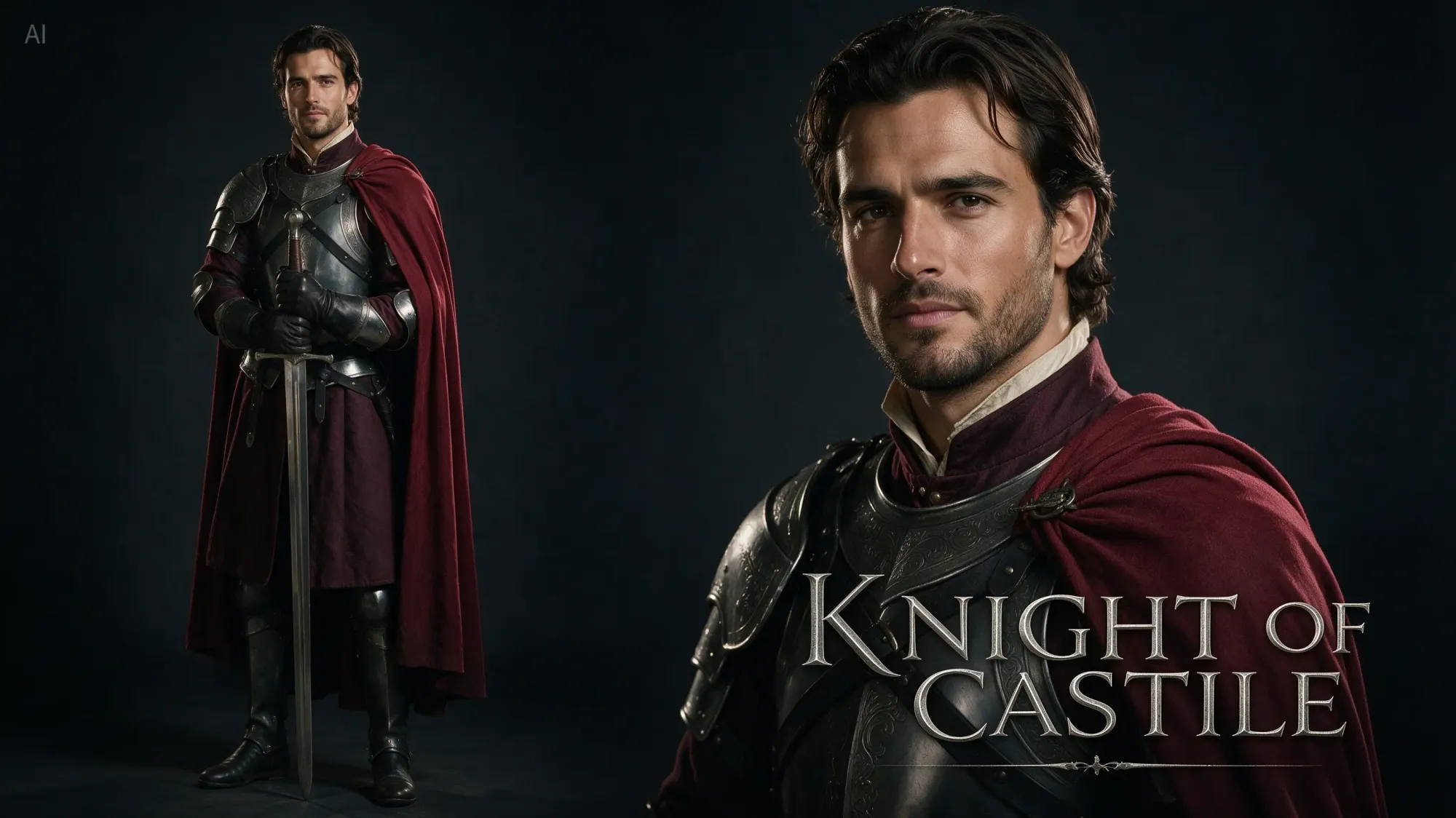
Photographic realism — skin texture, lighting, and shadow rendering aimed at matching photography rather than approximating it. The demo includes a family portrait and a complex group shot with eleven people all looking at camera — a notoriously difficult prompt for AI image models to execute correctly.
Native multilingual generation — prompts and text-in-image generation across a dozen languages, including English, Chinese, Japanese, Korean, Arabic (with right-to-left layout adjustment), Spanish, and Bengali. The demo includes a four-language subway safety notice poster and a menu translation.
The storyboard capability is the most filmmaker-relevant
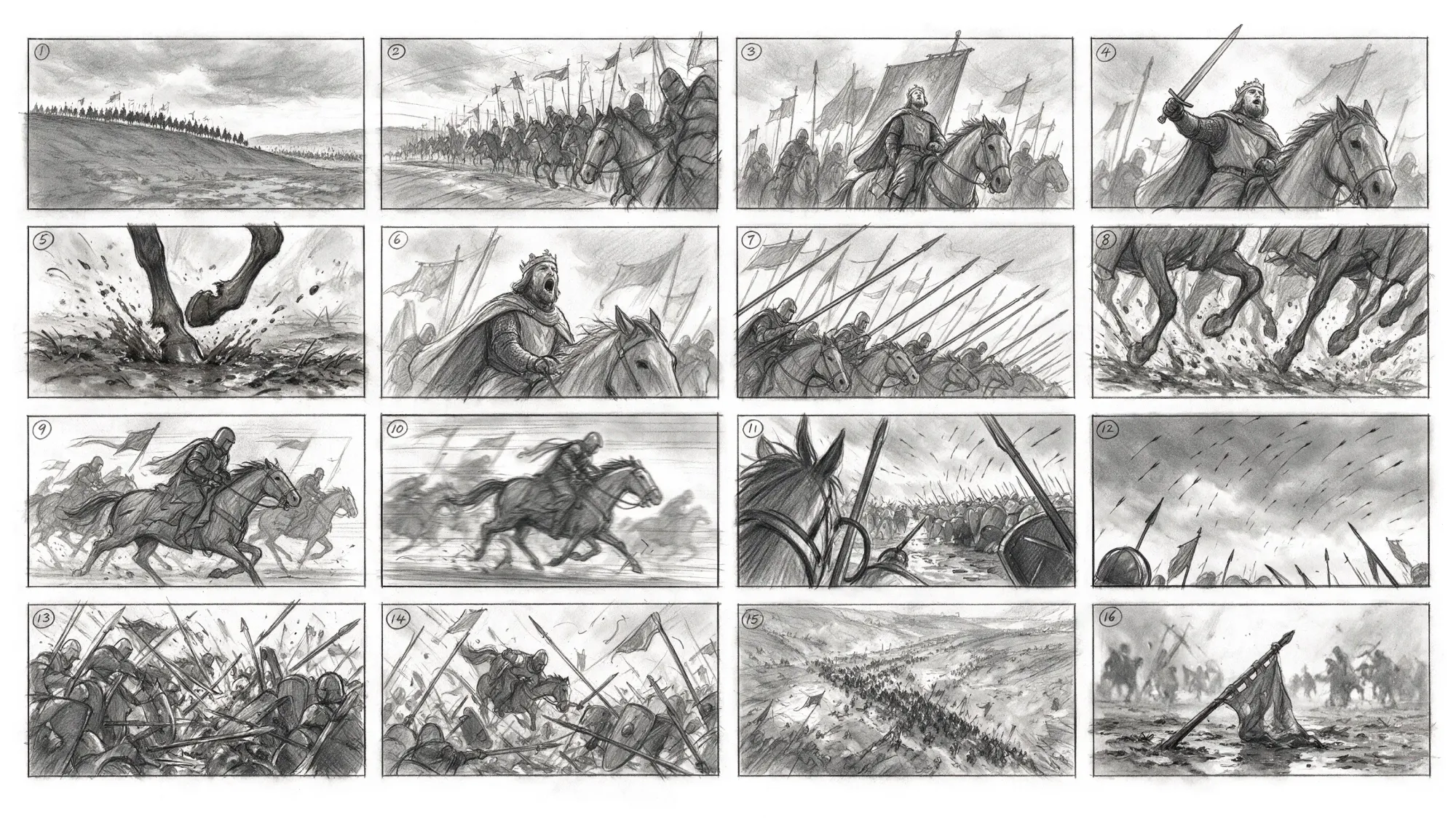
The demo prompt on ByteDance's official page shows a 4x4 grid of 16 numbered storyboard panels in a graphite pencil sketch style, generated from a single prompt describing a medieval cavalry charge. The output maintains consistent panel borders, sequential numbering, and scene-to-scene visual continuity across all 16 frames.
For working filmmakers, that's a pre-production tool, not just a demo trick. The ability to generate a rough visual script breakdown from a text description — and iterate on it quickly before committing to a shot list — is exactly the kind of workflow acceleration that matters on a real production with a limited prep budget.
Where this fits in the broader landscape
Worth being clear about what Seedream 5.0 Pro is and isn't. It's an image model, not a video model — distinct from Seedance 2.0 even though both come from ByteDance Seed. And the @synthwavedd tweet circulating today calling it "the first model from any lab that aims to compete with GPT-Image 2" is user commentary, not ByteDance's own positioning.
What ByteDance's official page does claim: strong performance across infographics, photographic realism, editing precision, and multilingual text generation. Independent benchmarks comparing 5.0 Pro specifically to GPT-Image 2 aren't published yet — the existing comparisons in circulation are for earlier Seedream versions. The demo output is compelling enough to take seriously, but treat the "GPT-Image 2 killer" framing as community speculation until head-to-head testing comes in.
The geopolitical context from our recent AI video rankings piece applies here too: ByteDance is a Chinese company operating under Chinese data governance. If you're generating commercial assets or uploading reference images of real people, it's worth reviewing the terms before building a professional workflow on it.