What Spider-Man: Brand New Day's Record Run Signals for the Industry
Spider-Man: Brand New Day is closing in on $1 billion domestic, and Sony's 5-year sequel gap may be why it's outperforming the churn-out-content model.

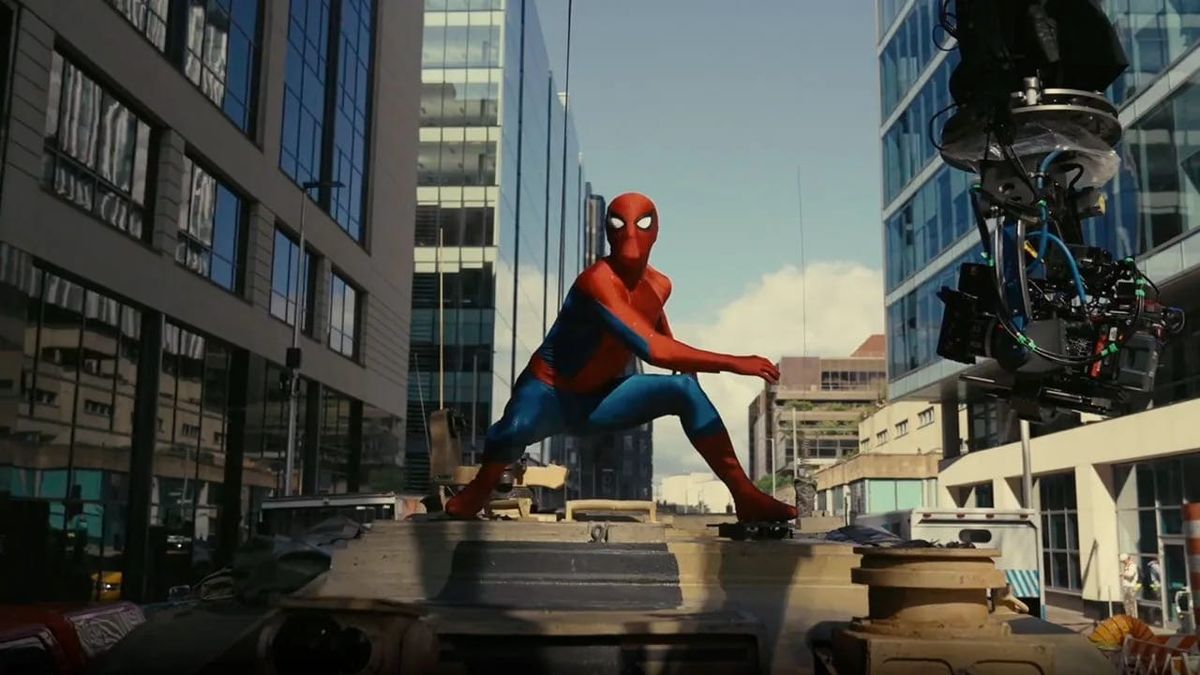
Spider-Man: Brand New Day has crossed $655 million domestic and $1.67 billion globally in just 12 days, putting it on pace to potentially become the first film ever to surpass $1 billion at the domestic box office alone. The number chasing the headlines is impressive, but the more useful story for filmmakers is the strategy behind it.
Why Sony Waited Five Years
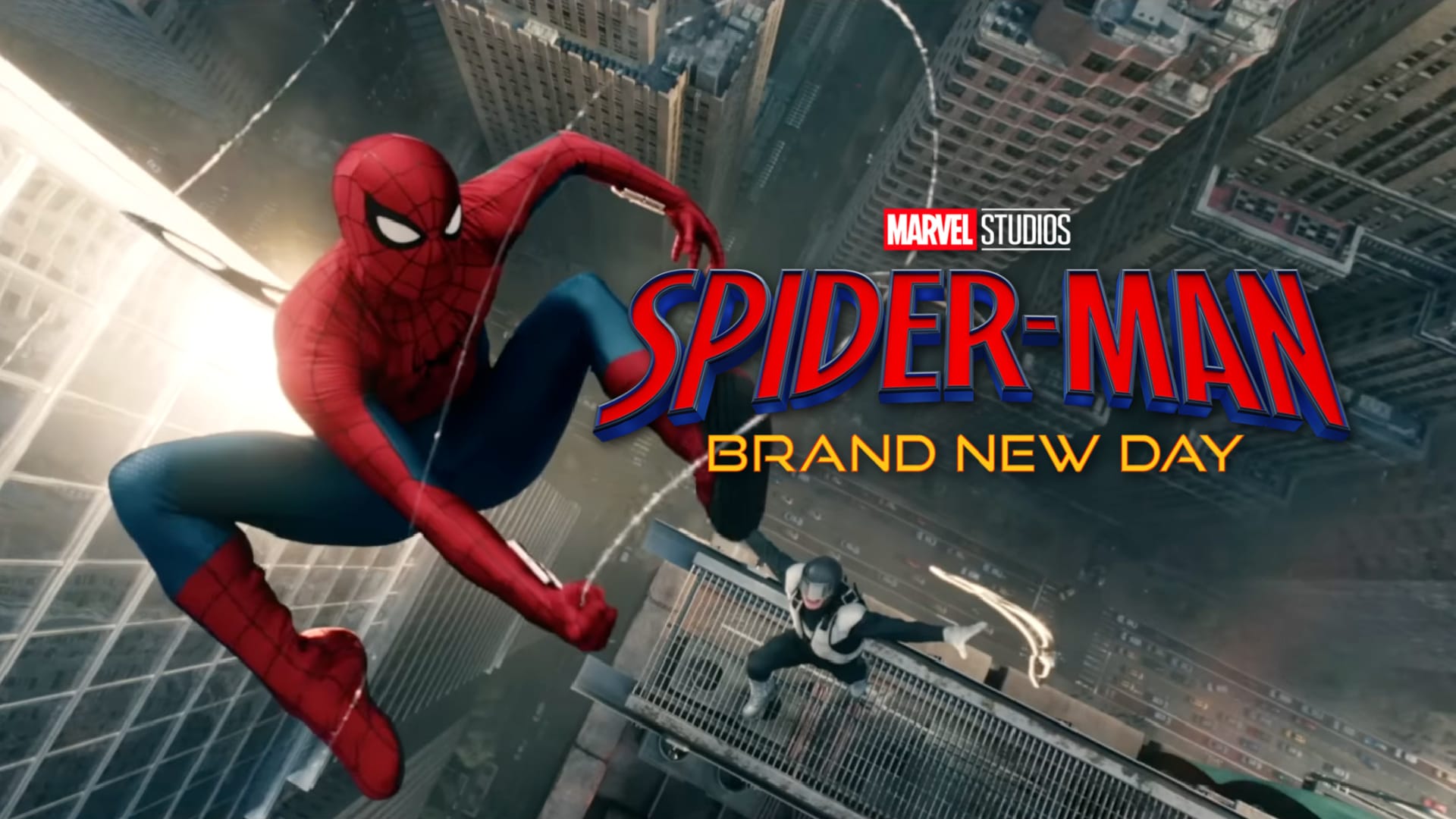
Sony deliberately spaced this sequel five years after "No Way Home," resisting the usual pressure to rush a follow-up while the character stayed present through "Spider-Verse," "Venom," and other spin-offs. That patience appears to be paying off. The film opened to $360 million and posted a $144.5 million second weekend, the third-highest second-weekend haul ever, behind only "The Force Awakens" and "Avengers: Endgame."
Whether it actually reaches $1 billion domestic depends on how its later weeks hold up. "Endgame" finished with a 2.4x multiple on its opening weekend; "Brand New Day" needs roughly 2.77x to get there. "No Way Home" hit 3.13x, though its holiday release window makes it an imperfect comparison. The film is tracking closer to home than abroad too, with roughly 60% of its total coming from international markets compared to "Endgame's" 70%, a sign of unusually strong domestic pull for a franchise entry.
Competitive Context

Studios have spent the last several years leaning toward rapid sequel turnaround and franchise saturation, betting that keeping a property constantly in theaters or streaming sustains audience attention. Sony's five-year gap ran counter to that instinct, and the result is a film performing at a scale none of its same-franchise spin-offs came close to touching. That's a meaningful data point in an industry still arguing over whether scarcity or constant content output builds stronger box office demand.
The Signal in the Noise
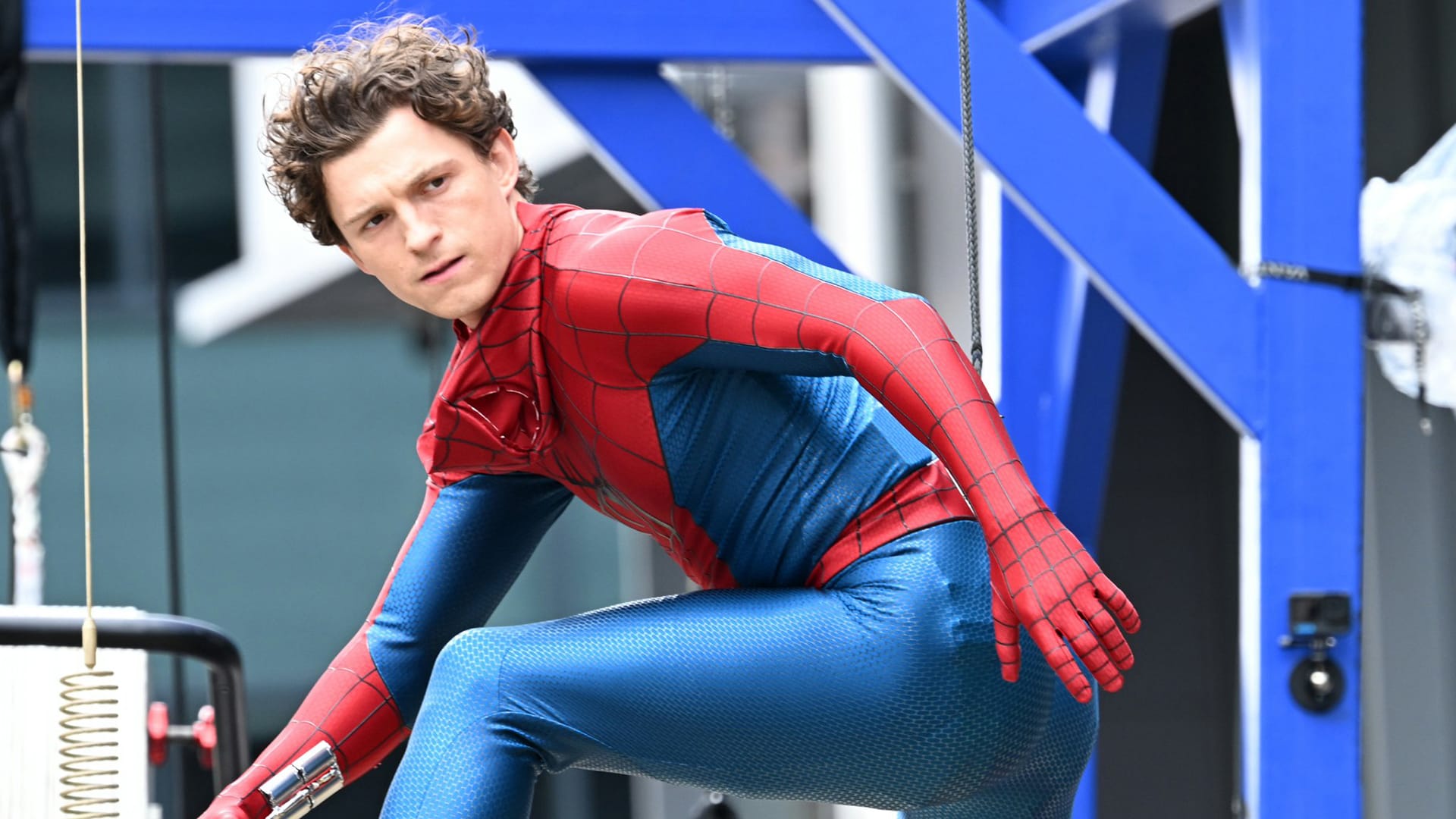
For filmmakers and studios watching how tentpoles get scheduled going forward, this is evidence that spacing and restraint can still outperform volume, even in a franchise landscape built on the opposite assumption. It doesn't prove spacing works everywhere, and Holland and Zendaya's star power is doing real work here too, but it's a rare recent example of a studio betting on absence over saturation and having it pay off at this scale.
Does a five-year gap between sequels feel like a rare exception here, or a strategy other franchises should be taking more seriously?