StudioBinder Breaks Down How Cheap Films Can Look Expensive
StudioBinder's new video breaks down production value department by department, arguing that disciplined planning and resourceful execution outperform expensive gear for indie filmmakers.

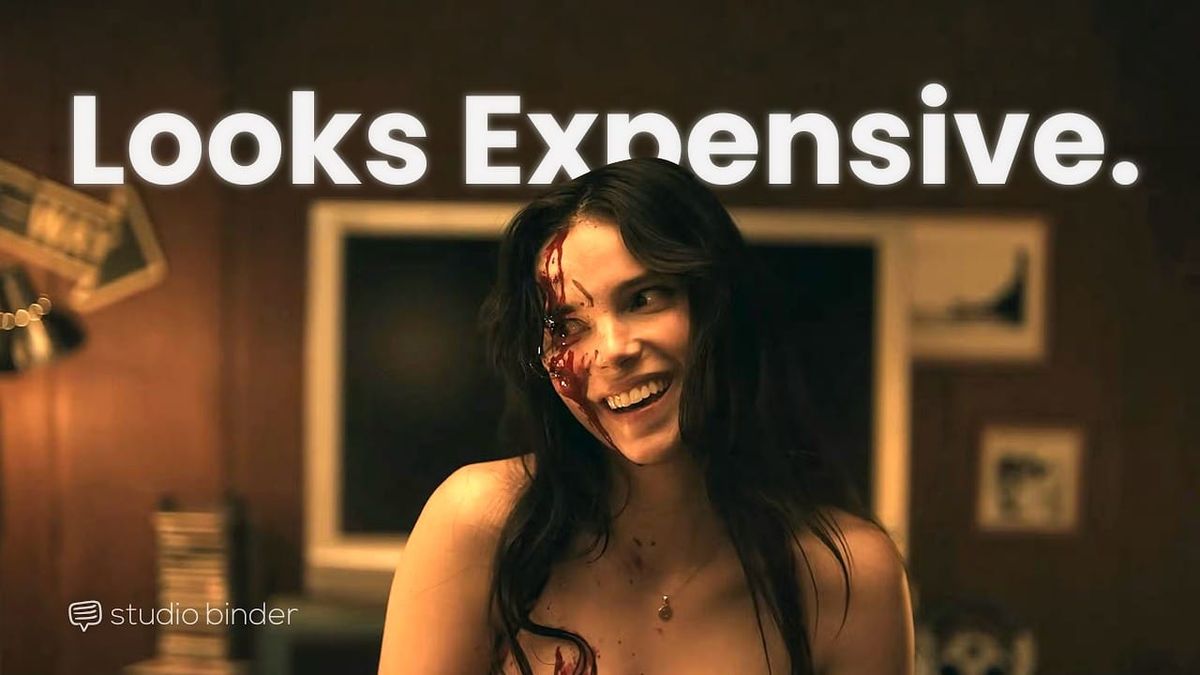
StudioBinder published a new educational video on June 8, 2026, dissecting how independent filmmakers can achieve a professional, polished look without a large budget. The piece works through each major department — cinematography, production design, audio, and post-production — and builds the case that perceived quality is a craft problem, not a money problem.
A Department-by-Department Blueprint for Indie Filmmakers
StudioBinder opens with a clear definition: "Production value refers to the perceived technical quality of a film. In other words, it's the level of professionalism in a movie's visuals and sound." That framing sets the tone for everything that follows.
On the camera side, the video points to prosumer options like the Sony FX3 and Blackmagic Pocket Cinema Camera as capable tools for 4K imagery at accessible price points. Renting or borrowing gear is recommended over purchasing outright — a practical note for filmmakers who don't need to own every piece of kit they use.
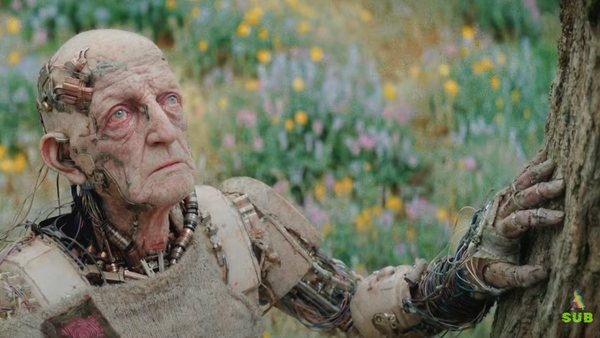
The lighting section makes a pointed argument: contrasty, stylistic lighting often requires fewer fixtures than flat, overlit setups. Ambient sources — streetlights, neon signs — shaped with cheap bounce boards and flags can do the heavy lifting. Gareth Edwards's The Creator is cited as a real-world example, with co-DP Oren Soffer noting the FX3 package "allowed us to really embrace natural and available light in the various real-world locations... without requiring us to heavily light locations and sets with big movie lights."
Camera movement gets a candid treatment. The video warns that poorly executed gimbal work reads as cheap, and suggests filmmakers lean into a deliberate handheld aesthetic instead of faking crane or dolly moves with sub-par stabilization. Christopher Nolan's approach on Following is used as the reference point.
Production design advice centers on building worlds from free locations — workplaces, friends' spaces — and sourcing authentic props from antique shops and estate sales. Cheap atmospherics like haze or smoke machines are flagged as high-impact, low-cost tools. Peter Jackson's early work sourcing real meat from a butcher shop for practical gore effects makes an appearance as an extreme but instructive example.
The sound section lands hardest. "Audiences will often be more forgiving with visual imperfections than mistakes in audio," the narrator states. The recommendation is direct: hire a professional sound recordist, capture wild sound, and gather Foley. Bad audio is treated as the fastest way to signal a low budget.
In post, the video argues editing is free — and filmmakers should use that to cut any shot that drops below their production standard. For projects with limited color grading budgets, converting to black-and-white is presented as a stylistic choice that also forgives a range of visual inconsistencies.
VFX planning gets a notable case study. Andrew Whitehurst, VFX supervisor on Ex Machina, describes a process that started well before principal photography: "We started way before principal photography, we worked right the way through the shoot, and then we had nine months of post afterwards." Early planning is framed as the primary cost-control tool for visual effects work.
Shane Carruth's sound design on Primer rounds out the case studies — he combined a car engine and a mechanical grinder to build the time machine hum, a clean example of resourceful audio construction.
Competitive Context
The video positions itself against a persistent assumption in independent filmmaking: that cinematic quality requires expensive gear packages, Arri Alexa rentals, or access to professional soundstages. StudioBinder's argument is that disciplined execution across departments produces higher perceived value than throwing money at a problem.
This sits alongside a broader conversation in the indie filmmaking community about accessible tools. The Sony FX3 and Blackmagic Pocket Cinema Camera have both accumulated a significant body of professional work, and the case for renting over owning has become a recurring point in gear-forward discussions.
The video does not engage directly with competitors in the educational space, but it covers territory that channels like Film Riot and Indy Mogul have addressed from a more gear-focused angle. StudioBinder's approach leans harder on historical case studies and craft principles than on product recommendations.
The Signal in the Noise
The StudioBinder video is most useful as a structured reference, not a revelation. The individual tips — rent gear, use practical light, hire a sound recordist, plan VFX early — are well-established. What the video does well is organize them into a coherent department-by-department framework that's easy to return to.
The case studies are the strongest part. John Waters paying off TV station cameramen on weekends to shoot Pink Flamingos and Leslie Harris salvaging a dark scene using a neighboring commercial shoot's HMI light are specific, instructive, and genuinely interesting. These examples do more work than any abstract advice about "resourcefulness."
The audio section deserves the most attention from working indie filmmakers. It's the area where low-budget productions most consistently underinvest, and the video is appropriately direct about the consequences. If there's one takeaway with immediate practical value, it's there.
The black-and-white suggestion in post is worth a second look for filmmakers currently in production planning. It's a genuine creative option, not just a workaround — and the video frames it as both.
Specs & Pricing
The StudioBinder video is free to watch on YouTube. Camera equipment referenced — including the Sony FX3 and Blackmagic Pocket Cinema Camera — is widely available for rent through local camera houses and online rental platforms. Exact pricing varies by market and rental duration.