lighting
Why Fake Moonlight Looks Fake — and How to Actually Get It Right
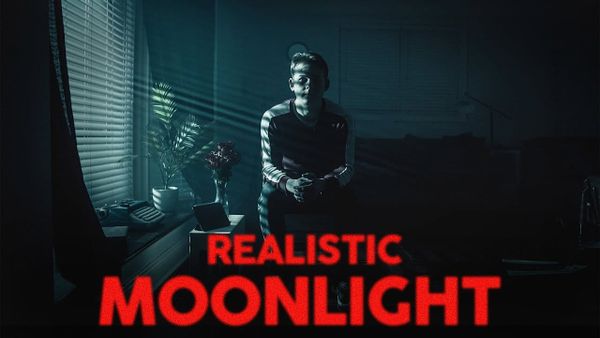
Fake moonlight fails because it uses soft blue light. Real moonlight is hard, directional, and blue-green for physiological reasons. Here's the physics and the gel recipe.
lighting
Fake moonlight fails because it uses soft blue light. Real moonlight is hard, directional, and blue-green for physiological reasons. Here's the physics and the gel recipe.
lighting
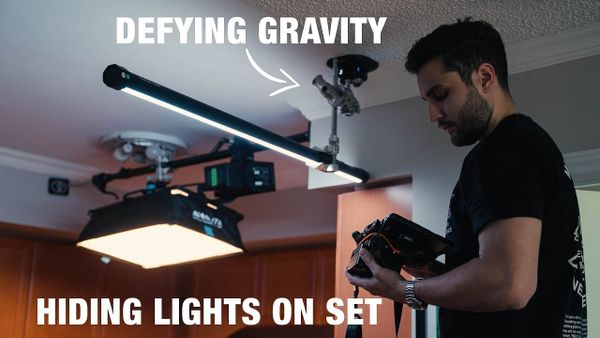
Filmmaker Mark Bone's four techniques for lighting a scene without visible gear: controllable LED practicals, window punching, overhead rigging, and hand-bombing. Here's how each works and when to use it.
documentary
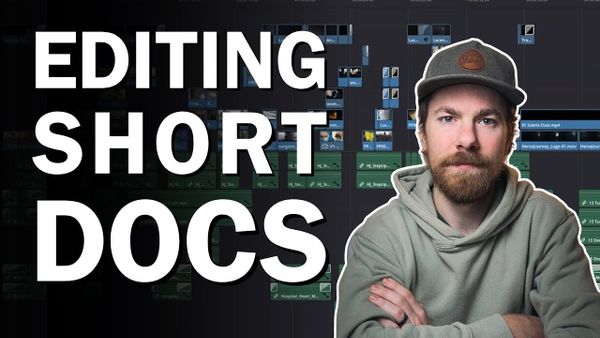
Documentary editor Mark Johansson's six principles for editing a 10-minute film: start with a bad first cut, cut to one message, and choose visuals over interview dialogue every time.
distribution
Producer Jeff Deverett makes the case that finishing your film is when the real work starts. Here's his framework for self-distribution using aggregators like FilmHub — and why no deal beats a bad deal.
cinematography
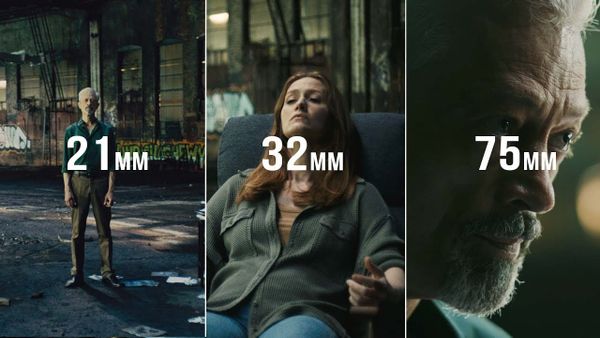
Filmmaker Davis Roar shot Trial 54 with three lenses — each assigned a specific narrative role before the shoot. Here's why creative restrictions produce more cohesive visual storytelling.
cinematography
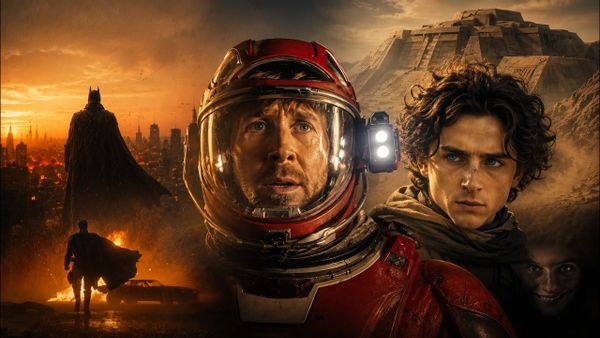
The Batman, Dune, and Project Hail Mary all printed their digital footage to film before the final scan. Here's what film-out actually does and why digital tools can't replicate it.
led volume
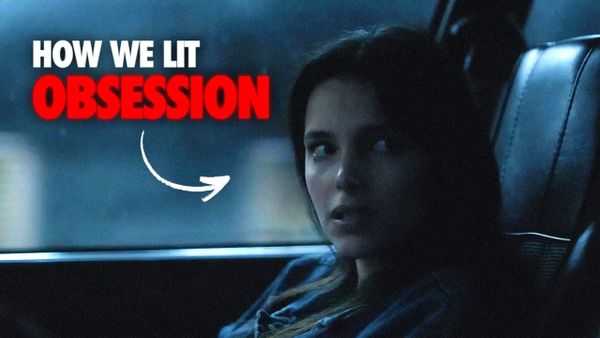
Gaffer Christopher Oh and lighting programmer Bicher Barmada break down how they lit the indie film Obsession on an LED volume using manual console busking instead of a media server pipeline.
career advice
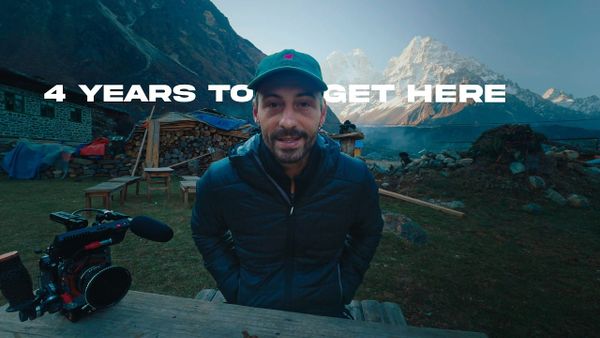
Cinematographer Jakub Chlouba spent five years transitioning from corporate videography in Switzerland to full-time documentary DP work. Here's what that transition actually cost.
Camera Gear
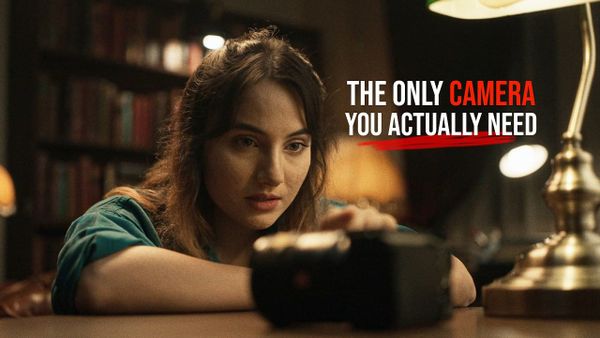
Filmmaker Ermia Ramez makes the case that the $2,000 Sony ZV-E1 shares the same sensor as the $7,000 FX6, and that pre-production discipline matters more than any upgrade.
indie filmmaking
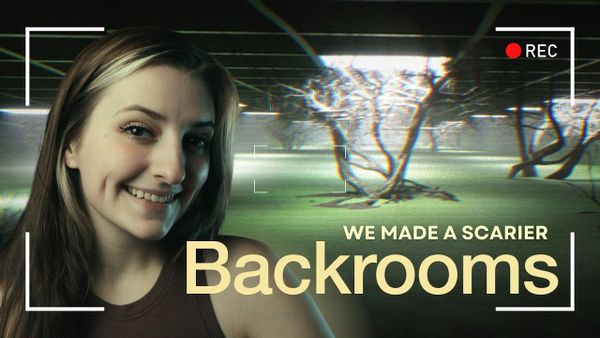
Filmmakers Green Room shot a Backrooms horror short in three hours using an iPhone 15 LiDAR scan, Blender, and a rotated anamorphic lens. Here's how the workflow actually came together.
cinematography
Oscar-nominated cinematographer Curren Sheldon argues that shooting wide open is overused shorthand that often hurts films more than it helps. His latest video lays out the alternatives.
indie filmmaking
StudioBinder's new video breaks down production value department by department, arguing that disciplined planning and resourceful execution outperform expensive gear for indie filmmakers.