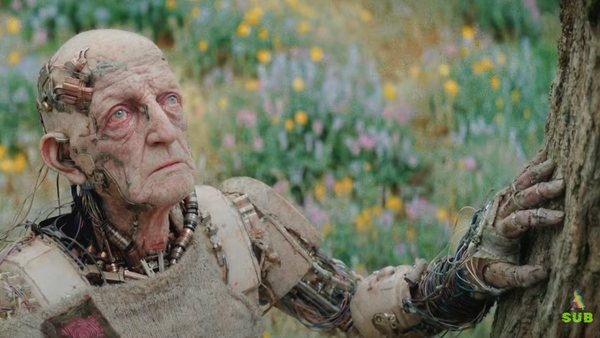
How One Filmmaker Used Three Lenses to Build a More Cohesive Visual Language
Filmmaker Davis Roar shot Trial 54 with three lenses — each assigned a specific narrative role before the shoot. Here's why creative restrictions produce more cohesive visual storytelling.

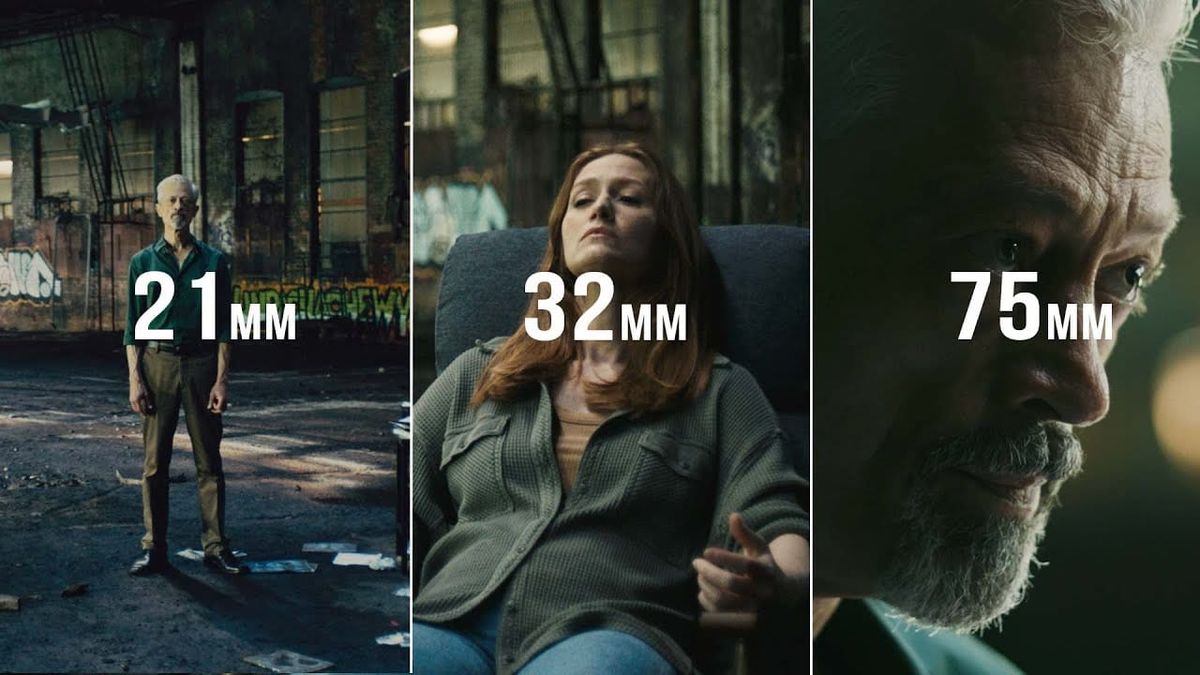
Filmmaker Davis Roar shot his sci-fi short Trial 54 on an Alexa Mini with three lenses: a 21mm, a 32mm, and a 75mm on Super 35. That wasn't a budget constraint. It was a deliberate system — each focal length assigned a specific emotional and narrative role before the shoot started.
The approach is worth understanding as a workflow principle, not just a creative one.
The Discipline System
Roar's framework assigns narrative meaning to each lens before a single frame is shot. On Trial 54, the assignments worked like this:
The 21mm carried the emotional weight of reality and loss of control — scenes where the world was pressing in on the character, where the environment dominated the frame. The 32mm was the go-to working lens, used for controlled scenes, movement, and anything that needed to feel grounded and functional. The 75mm handled reaction and high emotion — the climactic moments, the close coverage that asks the audience to sit inside a character's experience.
Those aren't arbitrary assignments. They reflect real properties of how focal length shapes the relationship between subject and environment. Wide lenses exaggerate space and make subjects feel small within it. Long lenses compress space and isolate subjects from their surroundings. Roar formalized that into a system specific to the story he was telling.
The result on set: faster decisions. As he puts it in the video, when the correct lens choice wasn't immediately obvious, the answer was simple — "When in doubt, we 32-milled it out."
Why Creative Restrictions Produce Better Work
The counterintuitive argument at the center of this video is that limiting your options produces more cohesive work than having unlimited access to a full lens kit.
Lens hopping — choosing focal lengths based on what looks interesting in a given moment, or what's trending in the cinematography conversation — produces footage that's visually varied but narratively incoherent. When a filmmaker reaches for a 50mm because it's flattering, then a 21mm because a location is tight, then a 135mm because compression looks cinematic on a particular actor's face, the lens choices carry no meaning. They're aesthetic decisions disconnected from narrative intent.
Roar's system makes every lens choice a storytelling decision. The 21mm appears on screen and the audience doesn't consciously register the focal length, but they feel the narrative logic underneath it — the world is bigger than the character, control is slipping. The 75mm appears and the audience leans into the emotion without knowing why. The visual grammar is working subconsciously because it was designed to be consistent.
The Production Efficiency Argument
For independent filmmakers specifically, the workflow advantage of a restricted lens system is as important as the narrative advantage.
On a low-budget shoot with a small crew and a tight schedule, lens decisions that need to be made from scratch for every setup are expensive. Every conversation about which lens to use costs time. A predetermined system eliminates most of those conversations. The director already knows which lens belongs in which scene. The AC knows what to have ready. The system becomes infrastructure.
Roar also notes a deliberate exception: B-roll sequences on Trial 54 were freed from the discipline system. Soviet lenses came out for the atmospheric and transitional material where narrative coherence mattered less than visual texture and energy. The exception is worth noting because it clarifies what the discipline is actually for — narrative scenes where the lens choice communicates story logic. Material that doesn't carry that weight can follow different rules.
Competitive Context
The "creative restriction" argument has a long history in filmmaking — from Dogme 95's rule-based approach to contemporary cinematographers who shoot entire projects on a single focal length. What Roar's system adds is a practical framework for applying that principle specifically to lens choice on independent productions, with a clear rationale for each assignment.
The alternative — a full lens kit with choices made shot by shot — isn't wrong. It's how most productions operate. The tradeoff is that it requires a director who can make consistently intentional lens decisions under time pressure on set, without a framework to fall back on. For experienced cinematographers with a developed visual instinct, that's manageable. For independent filmmakers still developing that instinct, a predetermined system is a useful scaffold.
The Signal in the Noise
The most transferable piece of Roar's approach isn't the specific focal lengths he chose. It's the principle of deciding what each lens means before the shoot starts, and committing to that meaning throughout production.
The 21mm/32mm/75mm system worked for Trial 54 on Super 35. A different story with a different visual logic would call for different assignments. The point is to do the assignment — to turn lens choices from aesthetic decisions made under pressure into narrative decisions made in pre-production, when there's time to think about what the film is actually trying to say.
As Roar puts it: "Focal lengths are a fundamental way that we can practice one of the most ancient laws of storytelling: show don't tell."
Resources & Reads
- Davis Roar's full video: https://www.youtube.com/watch?v=EUWxY8rPl2o
- Trial 54 short film: linked in Roar's video description on YouTube
- For further reading on focal length as a narrative tool, Kubrick's consistent use of the 35mm lens as a near-normal focal length for Barry Lyndon is a well-documented historical example of the same principle applied at scale