lighting
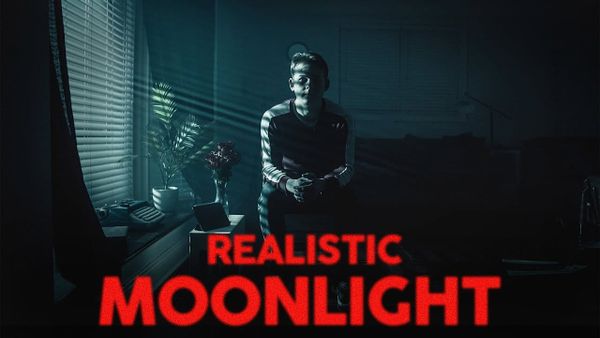
Why Fake Moonlight Looks Fake — and How to Actually Get It Right
Fake moonlight fails because it uses soft blue light. Real moonlight is hard, directional, and blue-green for physiological reasons. Here's the physics and the gel recipe.
lighting
Fake moonlight fails because it uses soft blue light. Real moonlight is hard, directional, and blue-green for physiological reasons. Here's the physics and the gel recipe.
lighting
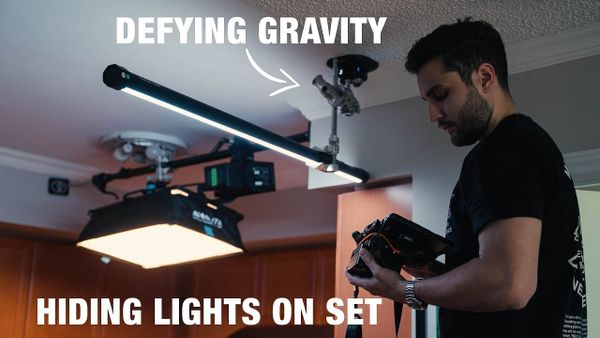
Filmmaker Mark Bone's four techniques for lighting a scene without visible gear: controllable LED practicals, window punching, overhead rigging, and hand-bombing. Here's how each works and when to use it.
follow focus
A follow focus isn't just for a dedicated focus puller. Here's what it actually does, and why solo shooters specifically might need one more than they think.
production design
Wolfcrow's latest video essay breaks down the production design behind Cleopatra (1963), from turkey-feather marble painting to 3x-scale sets, and why it still outclasses most films made today.
kodak
Kodak's Verita 200D was built with less dynamic range than Vision3, on purpose. Here's why a manufacturer would deliberately engineer a more limited film stock, and what shooting on it actually requires.
grokfilm
GrokFilm is a free, searchable index of 300 cinema techniques, each written as ready-to-use prompt language for Grok Imagine. Here's how it actually helps.
film grain
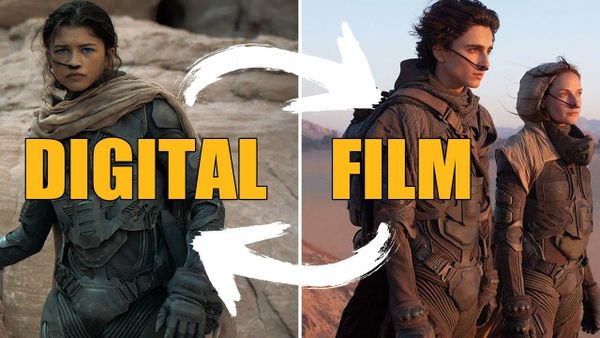
Some of the most talked-about digital cinematography actually gets converted back to real film before release. Here's what a film-out actually is, and why productions still pay for one.
matte box
A matte box blocks flare and holds filters on cinema rigs. Here's what it actually does, the three ways it mounts, and whether your setup actually needs one.
kodak
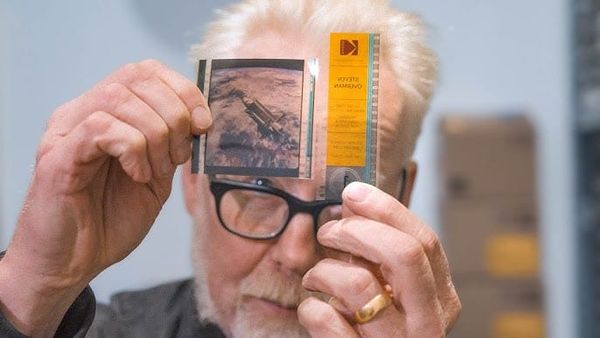
A new documentary goes inside Kodak's Rochester factory, the last large-scale color motion picture film manufacturer in the world. Here's what it reveals about film's real health as a format.
anamorphic
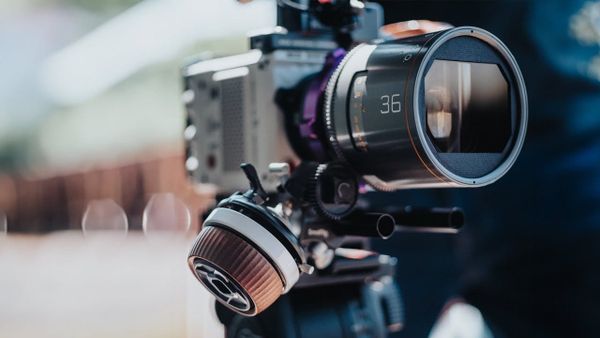
Anamorphic lenses compress a wide field of view onto a standard sensor, producing distinctive flares, oval bokeh, and ultra-wide framing. Here's what they are and whether they're worth the hassle.
waveform monitor
A waveform monitor tells you exactly how exposed your image really is, if you know how to read it. Here's what the graph is showing and how to use it.
cinematography
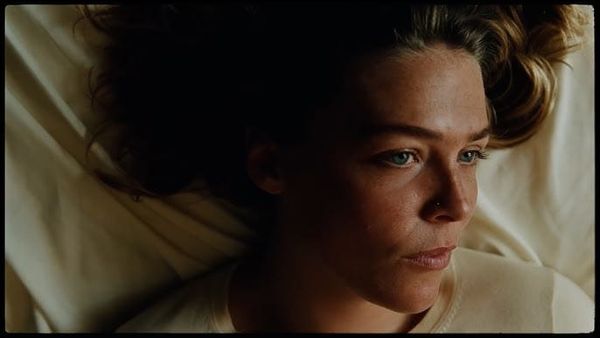
Filmmaker Davis Roar shot Trial 54 with three lenses — each assigned a specific narrative role before the shoot. Here's why creative restrictions produce more cohesive visual storytelling.