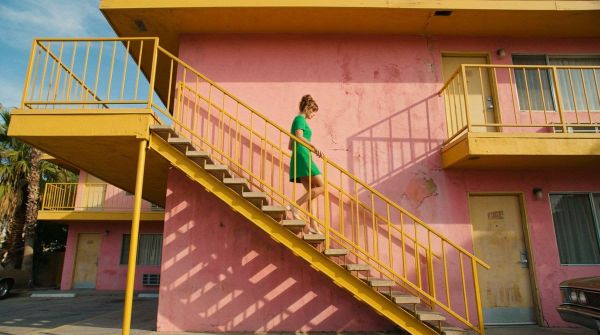
Kodak Verita 200D, Explained: Why a New Stock Was Built With Less Dynamic Range
Kodak's Verita 200D was built with less dynamic range than Vision3, on purpose. Here's why a manufacturer would deliberately engineer a more limited film stock, and what shooting on it actually requires.

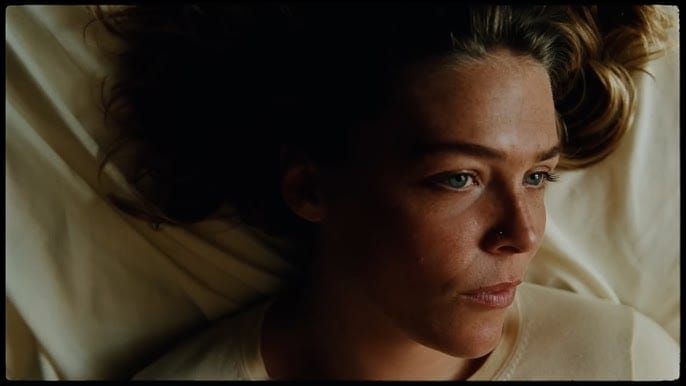
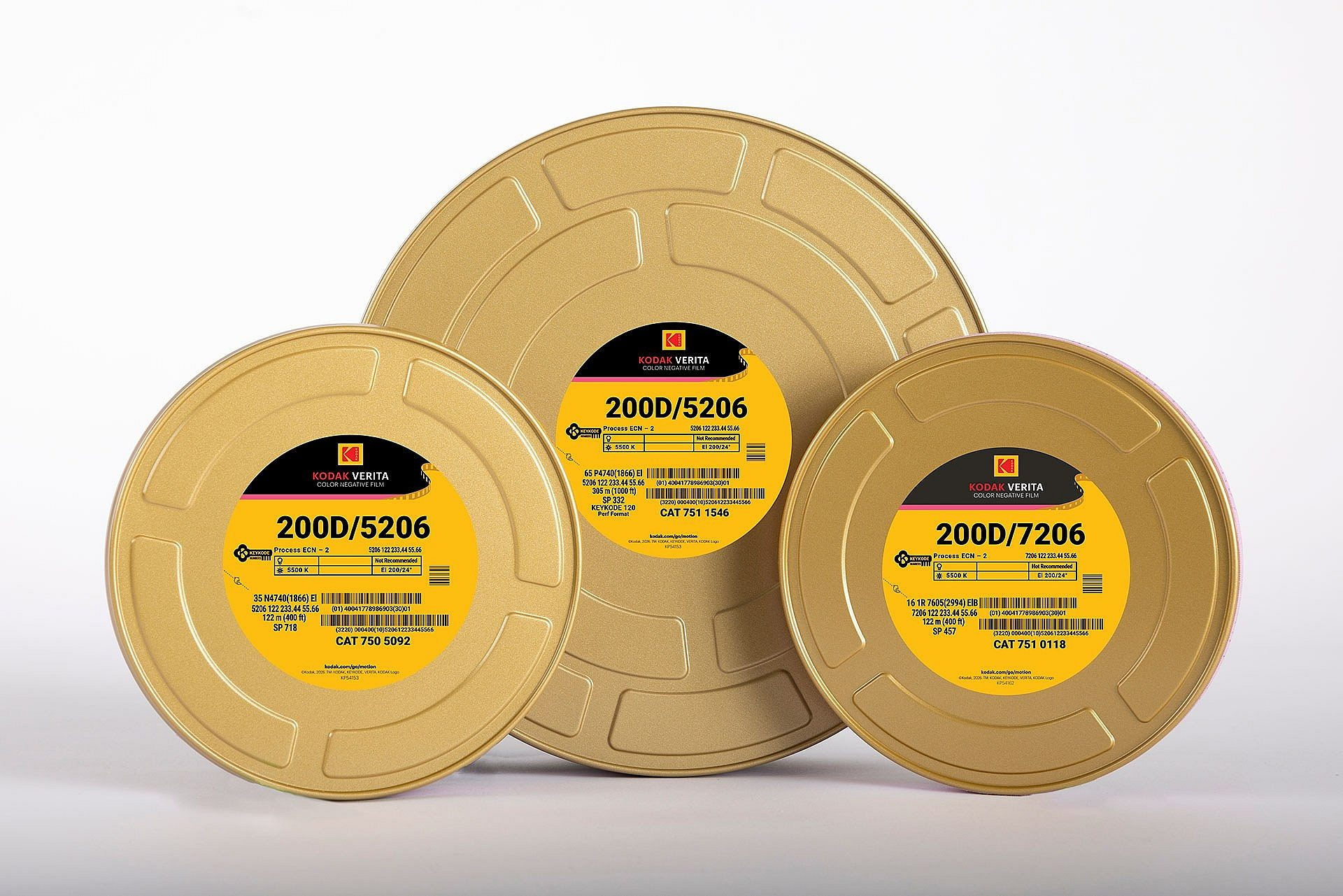
Kodak released VERITA 200D 5206/7206 in April 2026, a new color negative motion picture film stock available in 65mm, 35mm, and 16mm. What makes it genuinely unusual isn't a spec sheet improvement, it's the opposite. Verita was deliberately engineered with a shorter dynamic range than Kodak's own Vision3 line, at a moment when nearly every other advance in film and digital imaging has pushed toward capturing more.
Where It Came From
Kodak developed Verita 200D in close collaboration with writer-director Sam Levinson and cinematographer Marcell Rév, specifically to achieve a distinct visual aesthetic for Euphoria's third season, which premiered April 12, 2026 on HBO. Levinson and Rév exposed more than a million feet of Verita 200D across 35mm and 65mm during production, making Euphoria the first television series to shoot significant volumes of large-format 65mm film.
The stock had already been trade-tested by cinematographers worldwide over several years before its formal commercial release, and has since been used on numerous commercials, music videos, and A24's upcoming The Death of Robin Hood, shot by Pat Scola, ASC.
What Actually Makes Verita Different
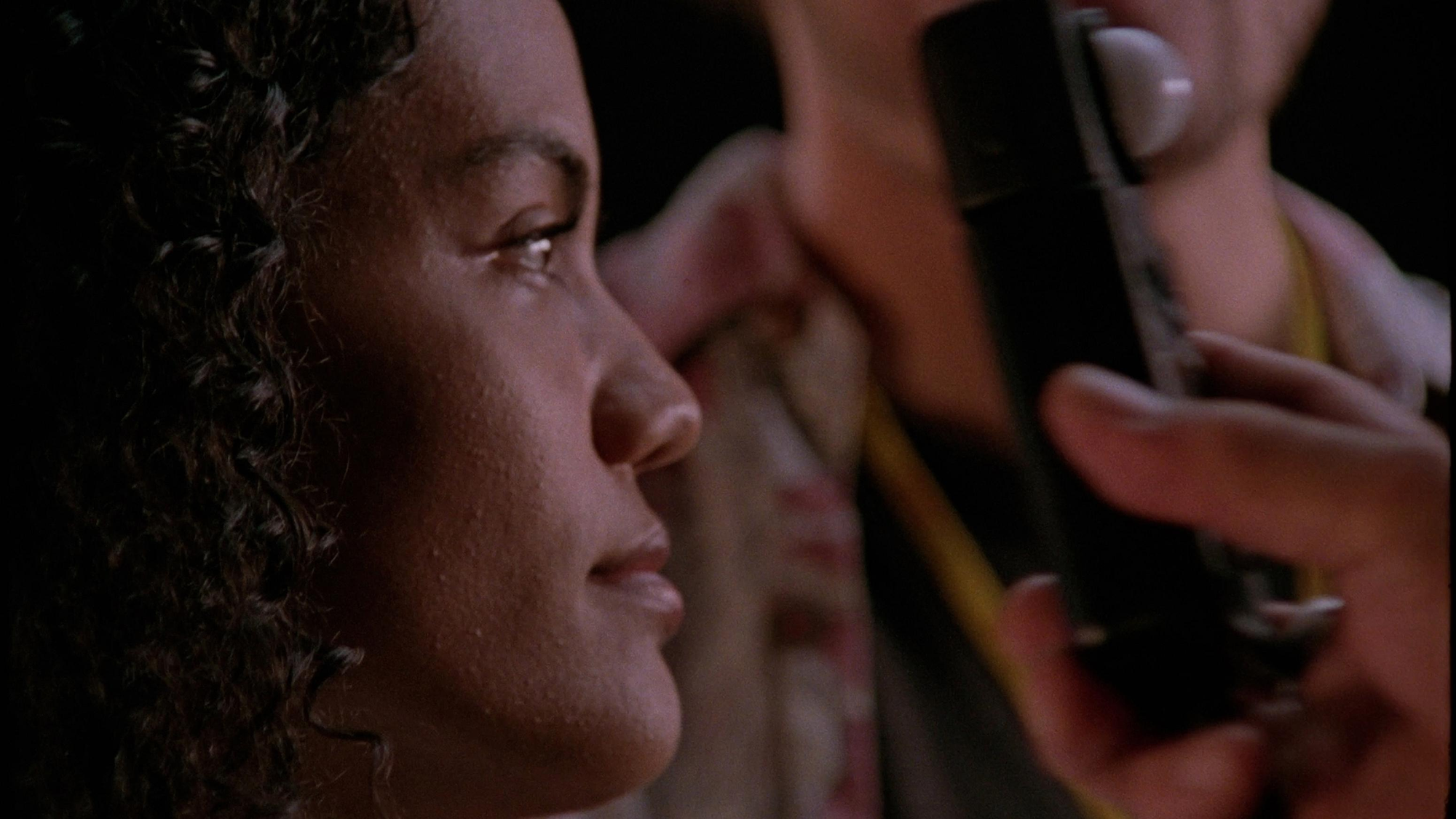
Kodak's own description is direct: Verita 200D delivers detailed highlights, high color saturation, deep blacks, and warm, natural skin tones, with "a shorter yet exceptionally rich dynamic range" compared to Vision3, aimed at a more classical cinematic look.
That's a real departure from where Vision3, released in 2007, positioned itself: roughly 14 stops of dynamic range and a design philosophy built around flexibility, maximum information for scanning and grading in post. Verita moves in the opposite direction on purpose. Rather than a gentle highlight and shadow rolloff designed to preserve detail across a wide range, Verita's steeper density curve means shadows crash more directly into dense, ink-like blacks, and highlights render with more immediate punch rather than being held back for grading flexibility.
Rév described the intent directly: "VERITA has the richness and density curve that reminds me of the golden age of color film, with the flexibility and latitude of modern negative stocks." The reference point cinematographers have drawn from it, per coverage of the stock's use, leans toward classic Hollywood and Hitchcock-era visual language, thinking Vertigo or North by Northwest rather than the clean, wide-latitude look of most modern digital or Vision3 cinematography.
What Shooting On It Actually Requires
A shorter dynamic range and steeper contrast curve isn't just an aesthetic choice, it changes how a cinematographer has to light and expose a scene. Because Verita's shadows compress faster into dense black with less recoverable detail, productions shooting it lean on what's sometimes called a "thick negative" approach: heavier fill light and more deliberate lighting ratios to avoid muddy, underexposed shadow detail, rather than relying on a wide-latitude stock's forgiveness in post.
Verita 200D is also daylight-balanced only, at ISO 200, a relatively slow speed by modern standards. Shooting under tungsten lighting requires an 80A color-correction filter, which costs roughly two stops of light on top of an already slower base speed, a real practical constraint that limits its flexibility for low-light or night work. That's part of why productions using Verita for a full project still pair it with a faster, more conventional stock like Vision3 500T for night sequences, rather than trying to force Verita into lighting conditions it isn't built for.
Why a Manufacturer Would Build This Intentionally
Verita represents a specific, deliberate bet: that some productions want a film stock's classical, structured look built into the negative itself, rather than approximating it through a wide-latitude capture and a stylized grade afterward. That's a genuinely different philosophy than most of the last two decades of film and sensor development, which has trended almost universally toward capturing more dynamic range and leaving stylistic decisions to post-production.
Kodak VP Vanessa Bendetti framed Verita as part of a broader push to give filmmakers more distinct creative tools, alongside a separate anti-halation undercoat update to Vision3 aimed at simplifying processing. Read together, it's Kodak treating its stock lineup as a genuine toolkit with meaningfully different characters, not a single "best" stock that every production defaults to.
Competitive Context
Vision3 remains Kodak's flexible, wide-latitude workhorse and the more common choice for productions that want maximum grading freedom in post. Verita occupies a genuinely different niche: a stock chosen specifically because its limitations produce a particular, classical look that a more flexible stock would require significant grading work to approximate, if it's fully achievable digitally at all.
The Signal in the Noise
Verita is a useful case study in a broader idea worth understanding beyond this one stock: technical limitation and creative direction aren't opposites. A shorter dynamic range that forces more deliberate lighting decisions on set is, for the right project, a feature rather than a compromise, pushing a production toward the kind of classical, structured cinematography that a wide-latitude, fix-it-in-post workflow tends to drift away from by default.
Specs & Pricing
- Format availability: 65mm, 35mm, 16mm (5206/7206)
- ISO: 200, daylight-balanced
- Tungsten shooting: requires 80A filter, approximately 2-stop light loss
- Dynamic range: shorter than Vision3's ~14 stops, by design
- Availability: specialty stock, available by request through a Kodak sales representative
- Pricing: not publicly listed; contact a Kodak sales representative for current pricing