Wolfcrow's Latest Video Essay Breaks Down Why Cleopatra Still Looks Better Than Most Movies Made Today
Wolfcrow's latest video essay breaks down the production design behind Cleopatra (1963), from turkey-feather marble painting to 3x-scale sets, and why it still outclasses most films made today.

Cleopatra (1963) is remembered almost as much for bankrupting 20th Century Fox as for anything on screen. Wolfcrow's latest video essay makes the case for why that's a shame: six decades later, the film's physical craftsmanship still outclasses most contemporary productions, and the reasons why are a genuine masterclass in production design.
The Scale Was the Point
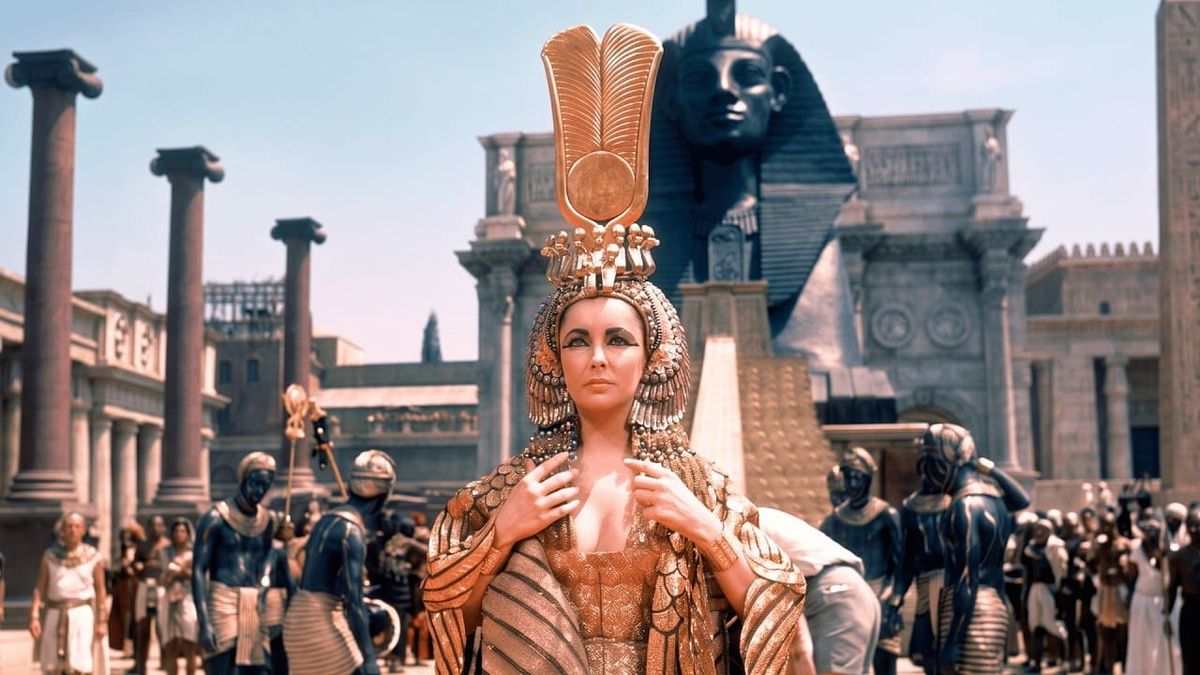
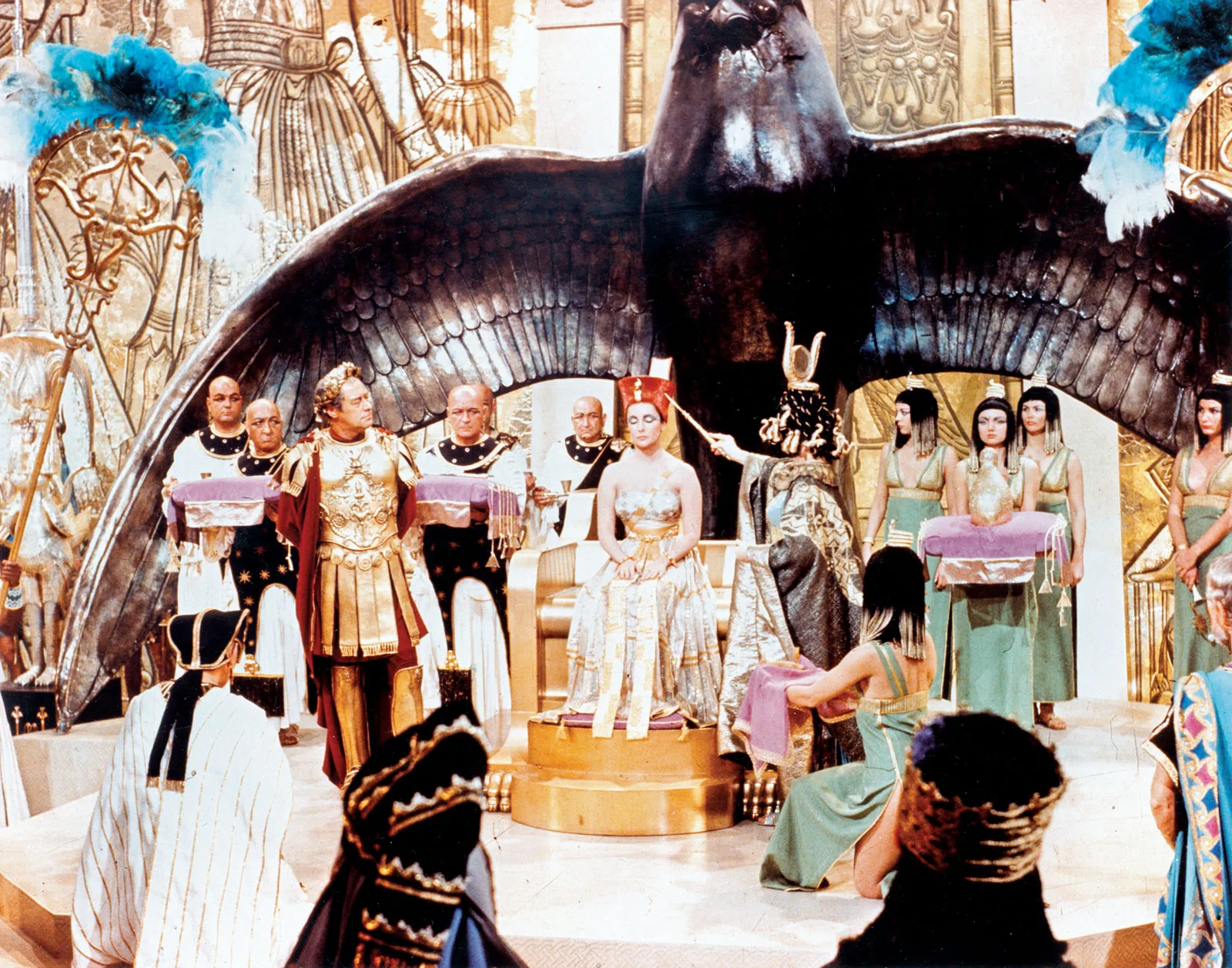
Production designer John DeCuir built more than 70 sets for the film, and the guiding philosophy behind them was deliberate exaggeration. The Roman Forum and other major builds were constructed roughly three times larger than their real historical counterparts, an approach DeCuir himself called "scale shock." The giant Sphinx set alone stood about 35 feet tall and 70 feet long.
That's a genuinely different design logic than historical accuracy for its own sake. Making Rome bigger than Rome actually was created the emotional sense of scale the story demanded, rather than a literal recreation that might have read as smaller and less awe-inspiring on camera.
Texture Down to the Grain
The film's craftsmanship extended into details that would be invisible to most viewers but change how a shot reads subconsciously. Scenic artists hand-painted marble veins onto massive plaster walls using turkey feathers, a specific, low-tech tool chosen for the texture it produced. A full-scale harbor was built for Alexandria, complete with stone breakwaters and a fully functional, hand-carved royal barge, not a facade, an actual operable vessel.
Naval battle sequences used roughly 40-meter barge platforms that were redressed and reused to represent different warships across multiple shots, a practical production solution that let the film suggest a much larger fleet than it could have built new for every vessel.
Costuming and Cinematography
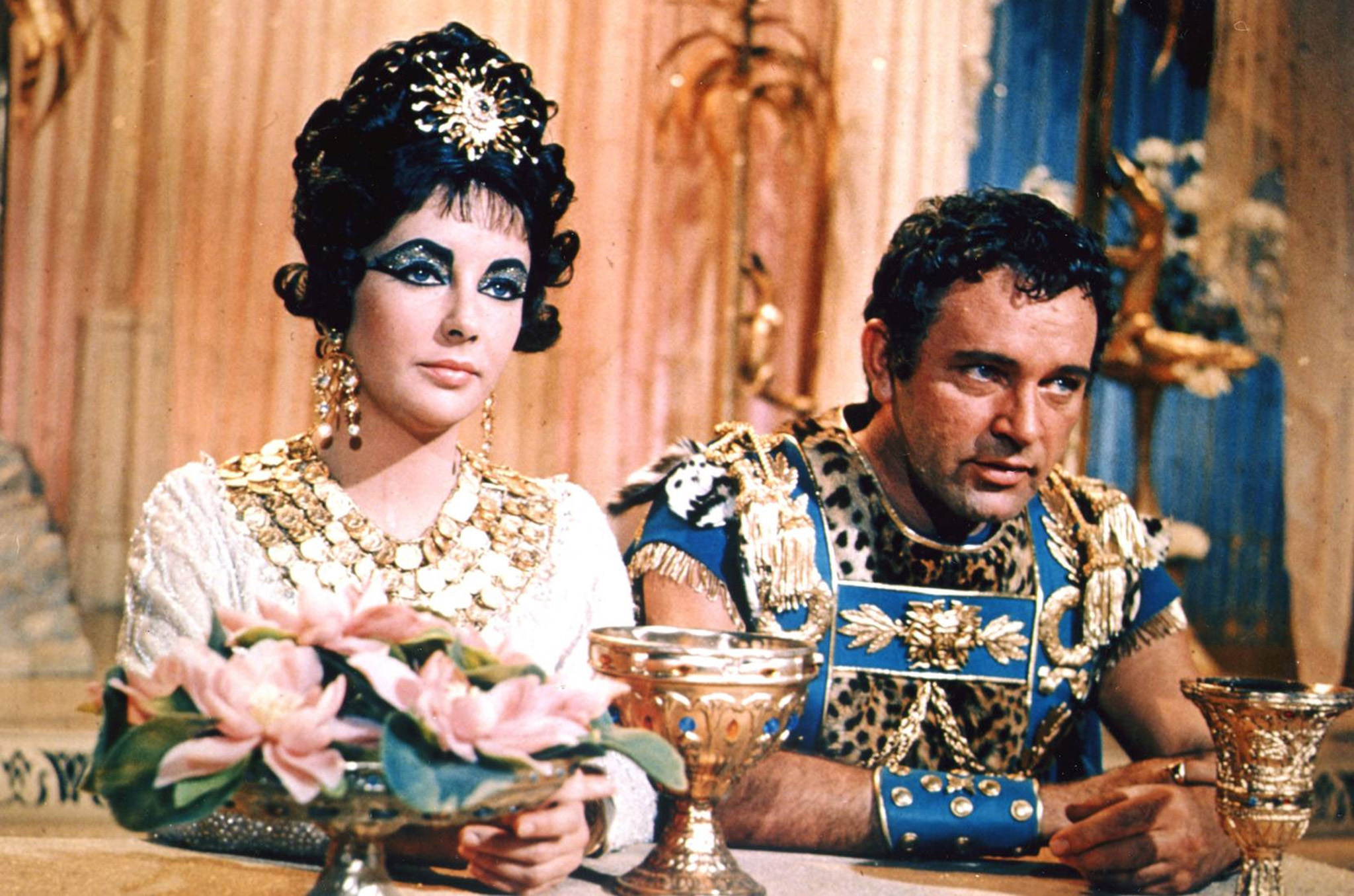
More than 26,000 costumes were created for the production, with Elizabeth Taylor alone wearing around 65 different looks throughout the film. Jewelry designer Joseph of Hollywood used real brass, bronze, and electroplated gold with deliberately matte finishes, specifically to prevent studio lighting from creating unwanted glare on camera, a detail that shows how costume and lighting departments had to work in direct coordination rather than in isolation.
Cinematographer Leon Shamroy shot the film in 65mm Todd-AO, a high-resolution large-format process, and pulled his color palette directly from ancient Roman frescoes discovered in Pompeii and Herculaneum, grounding the film's visual language in real historical reference rather than an imagined aesthetic. Visual effects, handled by matte painter Emil Kosa Jr., extended sets and environments using traditional matte painting techniques rather than anything resembling a modern VFX pipeline.
Why This Still Matters for Filmmakers Today
Wolfcrow's framing lands on something worth sitting with: "The camera rewarded meticulous work and punished compromise." That's arguably more true now than in 1963, modern cameras and formats capture more detail than ever, which means shortcuts in physical production are often more visible on screen, not less, than they would have been decades ago.
The video's broader argument isn't anti-digital, it's that physical detail carries a tangible weight that's genuinely difficult to replicate virtually, texture, light interaction, the subtle imperfections real materials produce under real lighting. For any filmmaker weighing practical builds against a fully digital or AI-assisted environment, Cleopatra is a useful reference point for what real, physical commitment actually buys you on screen, even six decades later.
The Signal in the Noise
The narrator's closing line is the real thesis: "The real secret is that thousands of artists refuse to cut corners." That's not really a nostalgia argument for practical filmmaking over digital tools, it's a craft argument that applies regardless of which tools a production uses. Cutting corners reads on camera whether the shortcut is a flat digital texture or a poorly dressed physical set, and Cleopatra's enduring look is less about the era it was made in than the level of care applied within it.