What Is a Follow Focus, and Do You Actually Need One?
A follow focus isn't just for a dedicated focus puller. Here's what it actually does, and why solo shooters specifically might need one more than they think.

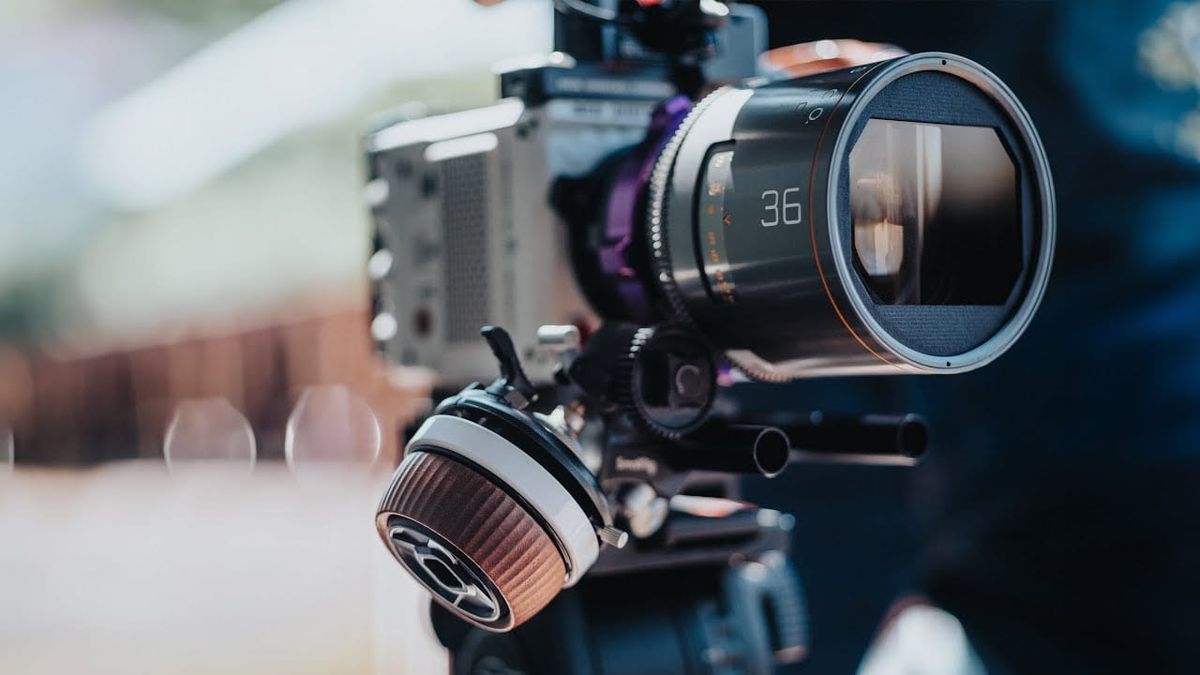
A follow focus is a geared mechanism that attaches to a lens and lets an operator adjust focus by turning a wheel or handle instead of reaching for the lens barrel directly. It's standard gear on professional sets, and it's also one of those accessories solo shooters tend to skip, assuming it's built for a job (a dedicated focus puller) they don't have. That assumption isn't quite right, and a recent hands-on review from creator Armando Ferreira is a good jumping-off point for why.
What a Follow Focus Actually Does
The mechanism itself is simple: a geared wheel or ring clamps onto the lens's focus ring, either directly on a cine lens's built-in gear teeth, or via a rubber or silicone gear band wrapped around a photo lens that doesn't have gear teeth at all. Turning the follow focus wheel turns the lens's focus ring smoothly and precisely, without requiring a hand to grip and twist the lens barrel itself, which is awkward to do consistently, especially on a moving rig or gimbal.
On a traditional set, a dedicated focus puller (1st AC) operates the follow focus while watching a monitor or marked distance points, keeping a moving subject in focus throughout a take. That's the use case most people picture, and it's exactly why solo shooters assume they don't need one.
Why Solo Shooters Actually Benefit
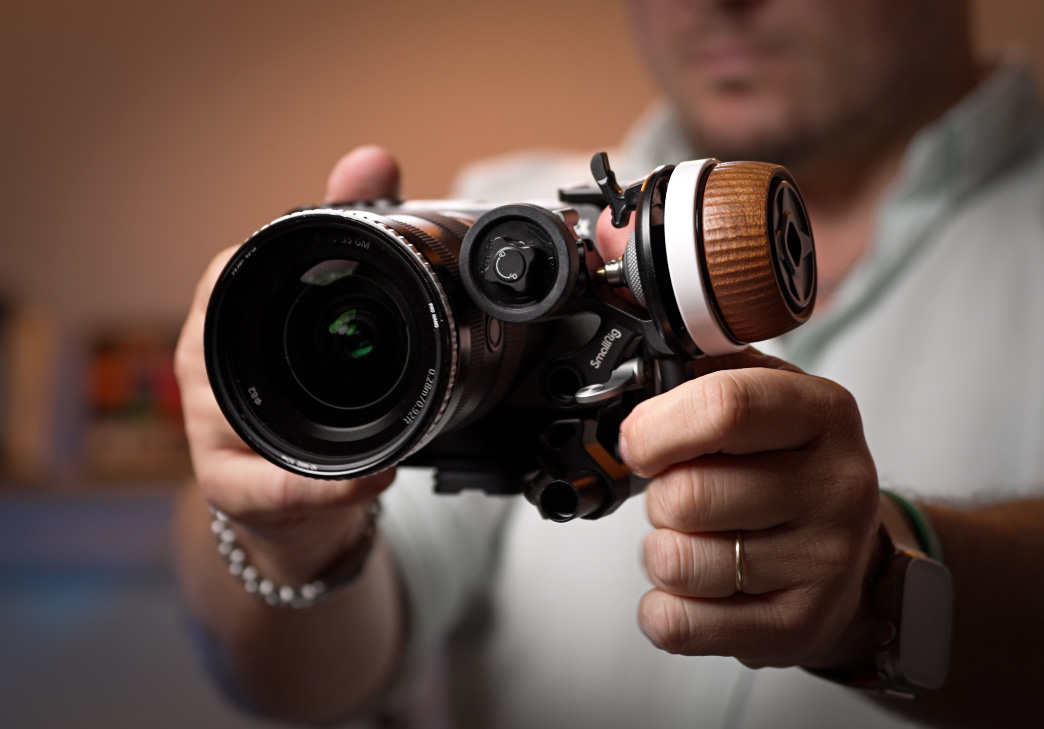
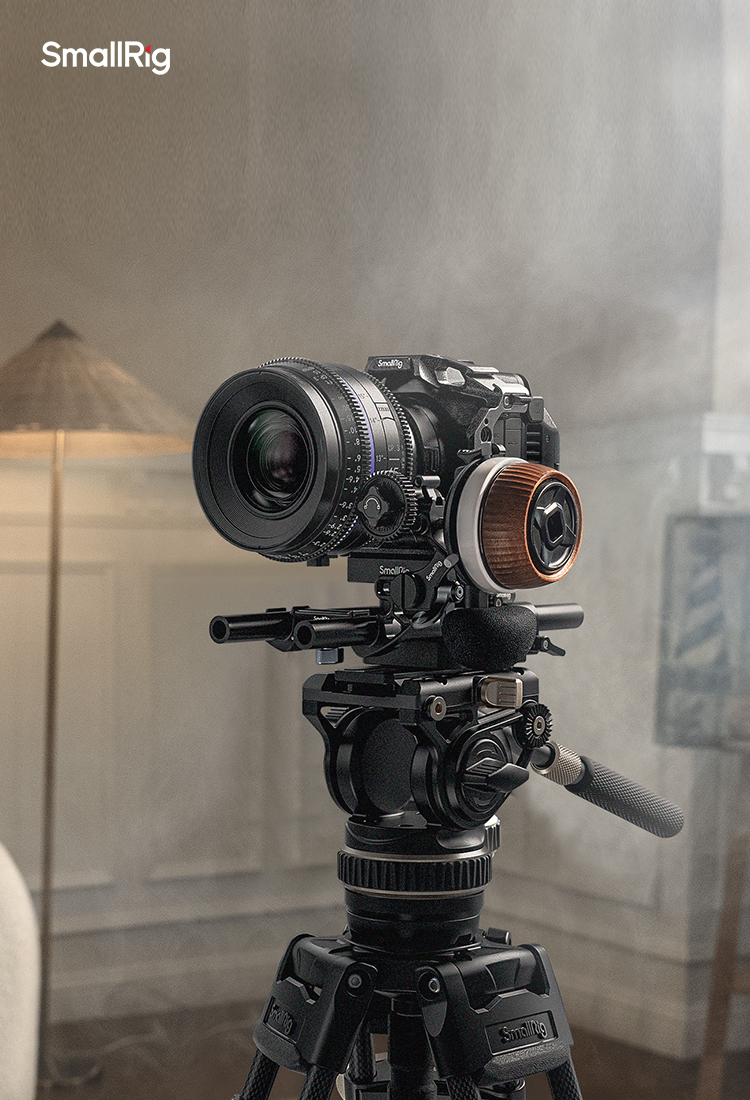
Ferreira's review of the SmallRig F60, priced around $160, makes a specific case for a different use: precise, repeatable manual focus control when there's no second person to pull focus at all. A follow focus wheel mounted within reach of a gimbal handle or rig grip lets a solo operator make small, controlled focus adjustments mid-shot with one hand, something that's genuinely difficult to do accurately by reaching for the lens barrel directly while also holding a rig steady.
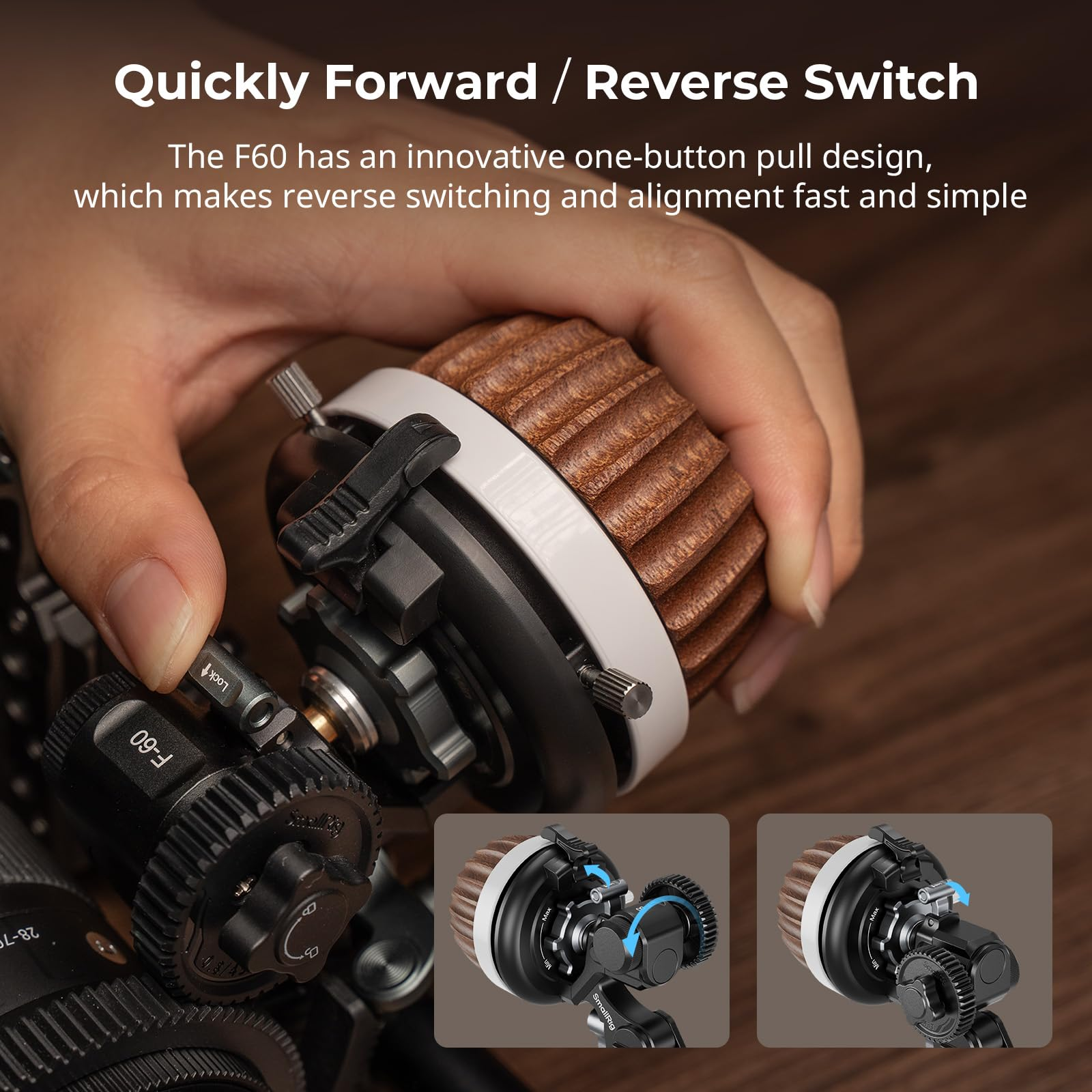
The SmallRig F60 specifically includes a few features worth understanding as a snapshot of what's available at the budget end of this category: a toolless mounting design (no hex keys or screws needed to attach it to a cage), a direction-reversal switch so gearing can match either a cine lens's or a photo lens's natural focus rotation, an adjustable drag/resistance knob to tune how much resistance the wheel has, and A/B hard-stop limits with a rubber dampening grommet to mark and repeat a specific focus range quietly. Notably, it includes a detachable silicone friction gear designed specifically for photo lenses that don't have gear teeth at all, a real accessibility feature for anyone shooting video on stills glass rather than dedicated cine lenses.
The Actual Decision Point
The honest answer on whether you need one comes down to what kind of focus work your projects actually require. If you're shooting static, locked-off interviews or content where focus rarely needs to shift mid-shot, a follow focus adds cost and rigging complexity without much payoff, autofocus or a simple manual pull by hand covers that work fine.
If you're doing narrative work with focus racks between subjects, gimbal work where one hand needs to stay on the rig grip while the other makes focus adjustments, or shooting on photo lenses without gear teeth where grabbing the lens barrel directly is genuinely difficult to do smoothly, a follow focus solves a real, specific problem. Budget units like the F60 have narrowed the gap considerably between "professional accessory only a rented AC would use" and "reasonably affordable tool a solo shooter can add to their kit."
Competitive Context
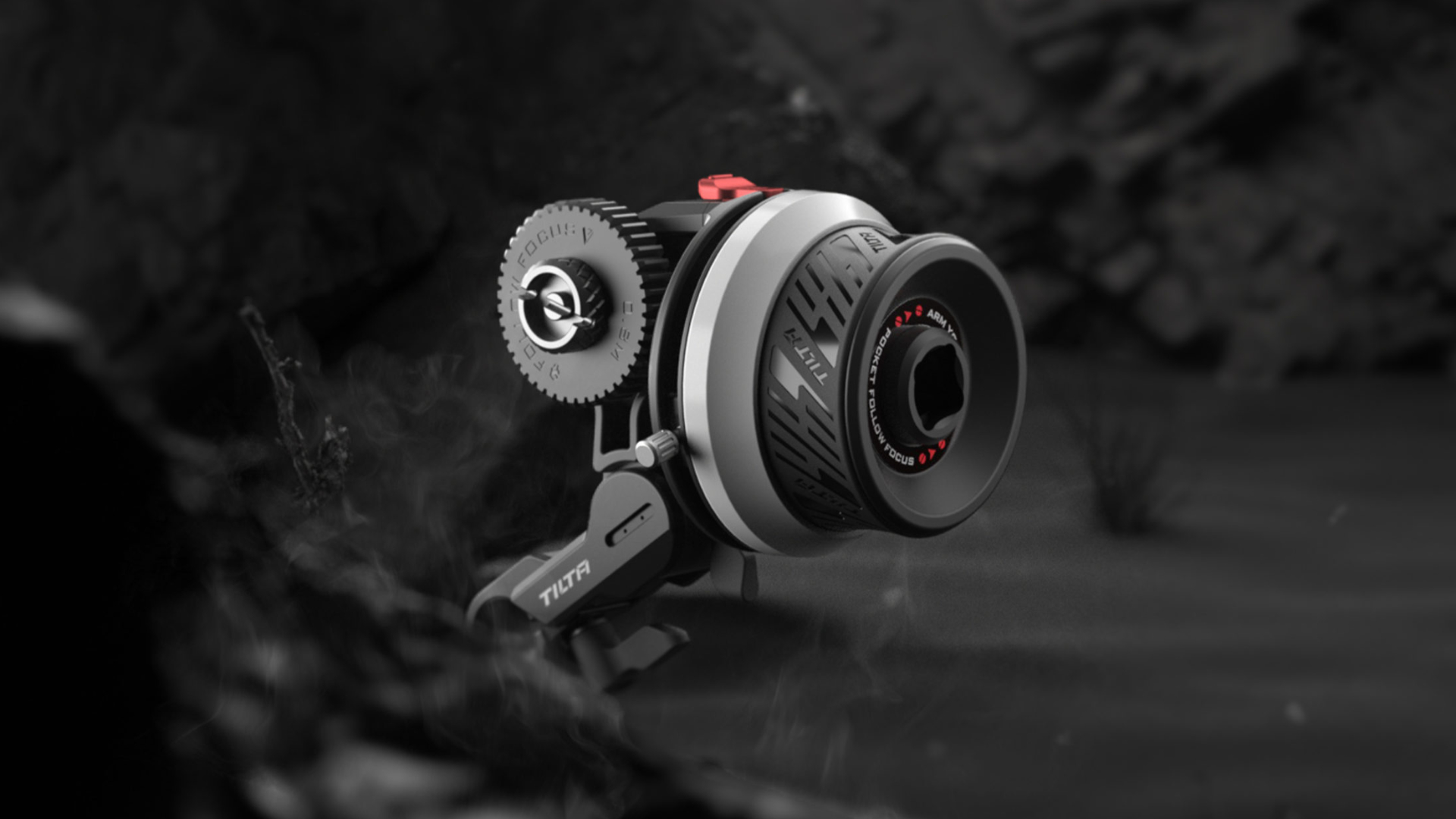
The budget follow focus market includes SmallRig, Tilta, and Wooden Camera as the more accessible options, generally running $100–300, against professional mechanical systems from brands like Manfrotto, Chrosziel, and Redrock Micro that can run $500 or more for comparable functionality. Ferreira's direct comparison, the $160 F60 outperforming his own $500 Manfrotto unit on feature set, if not necessarily build quality or long-term durability, is a useful signal that price and capability don't scale as predictably in this category as they once did.
The Signal in the Noise
A follow focus isn't just a professional-set accessory that solo shooters can skip by default. For gimbal work, photo-lens video shoots, or any project with real focus-pulling demands, it solves a genuine one-handed control problem, and the budget end of the market has gotten considerably more capable and accessible than it used to be. If your work is mostly static or autofocus-friendly, it's still a fair skip. If you're regularly racking focus solo, it's worth the relatively modest cost to stop fighting the lens barrel by hand.