The Steadicam Changed Cinema Forever. A New Film Is Finally Capturing the Man Behind It.
"Thank You Mr. Brown," a documentary about Steadicam inventor Garrett Brown, is now in production with Francis Ford Coppola executive producing. Here's why this story matters for every filmmaker who's ever used a stabilizer.

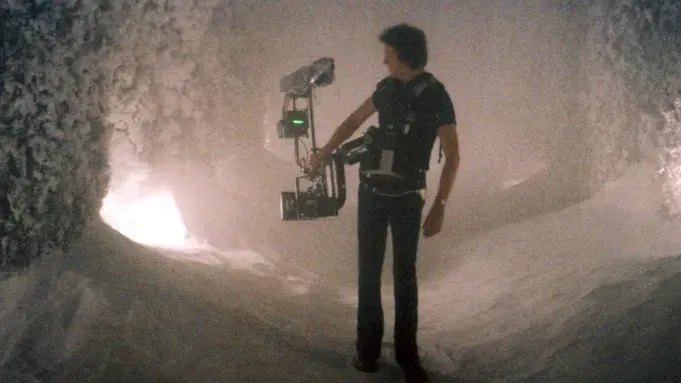
Before gimbals, before motorized stabilizers, before any of the tools filmmakers now take for granted for smooth moving shots — there was Garrett Brown and a $4.50 plumbing pole from a hardware store in upstate Pennsylvania.
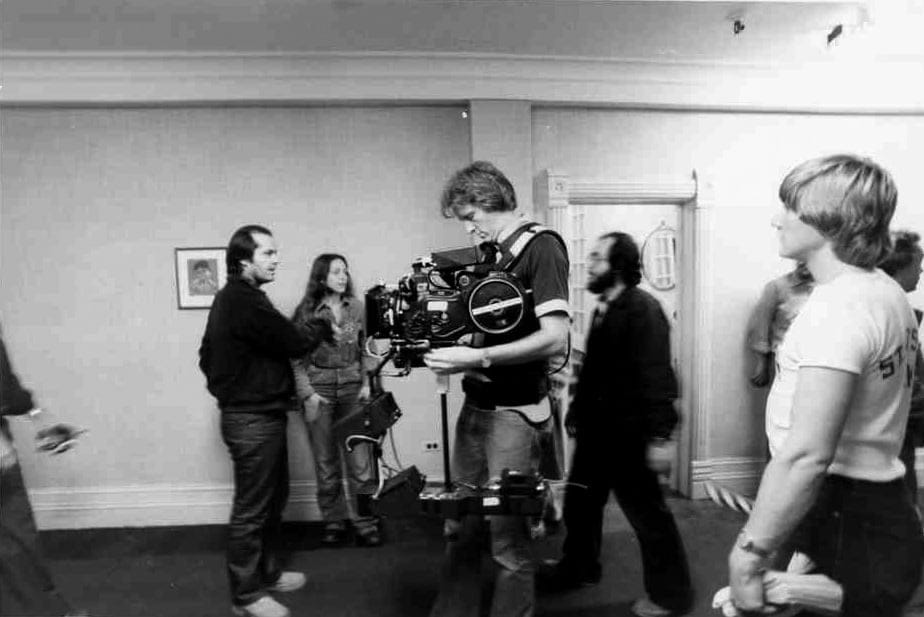
That improvised contraption became the prototype for the Steadicam, the camera stabilization system Brown invented in the mid-1970s that reshaped how movies move. The hedge maze in "The Shining." Rocky on the steps of the Philadelphia Museum of Art. The speeder bike chase in "Return of the Jedi." Brown didn't just invent the tool — he operated it on some of the most iconic shots in cinema history.
A documentary about his life and career, titled "Thank You Mr. Brown," is now in principal production. Francis Ford Coppola is executive producing. It's the film this story has always deserved.
Who Garrett Brown actually is
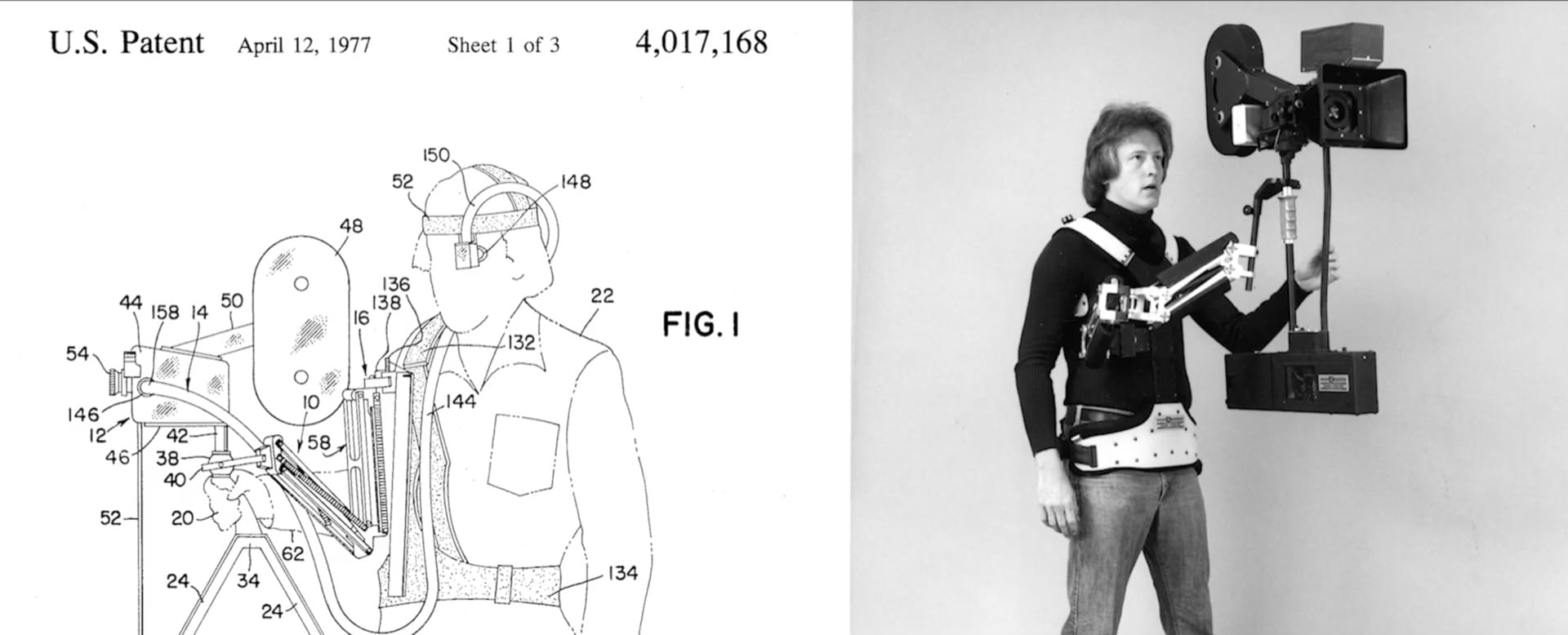
For anyone who's used a gimbal, a Movi, a DJI RS series, or any motorized stabilizer in the past decade: the entire category traces back to Brown. His Steadicam, first used commercially on Hal Ashby's "Bound for Glory" in 1976, solved a problem that had plagued filmmakers since the invention of cinema — how to create a smooth, fluid moving shot without laying dolly track. The answer was a mechanical arm-and-vest system that isolated the camera from the operator's body movement, allowing it to float freely through space.
The invention earned Brown a 1978 Academy Award of Merit. He went on to receive a 1999 Technical Achievement Award for the Skyman flying platform for Steadicam operators, and a 2006 Scientific and Engineering Award for the concept behind the SkyCam flying camera system — three Oscar recognitions spanning nearly three decades. He's credited with eleven major inventions in total, including the SkyCam and DiveCam, systems that transformed how live sports and events are covered for television.
What the documentary covers
"Thank You Mr. Brown" is directed by Andrew Schwartz, who describes Brown as a mentor and friend of nearly two decades. Schwartz framed the subject's life story as equal parts Albert Einstein and Forrest Gump, and the film aims to cover Brown's full arc — from building contraptions in his barn in Pennsylvania to changing movies, television, music videos, and sports broadcasting worldwide.
Among those already interviewed for the film is pioneering Steadicam operator Larry McConkey, whose credits include "Django Unchained," "Shutter Island," "The Sopranos," and "Carlito's Way." McConkey has said of Brown's invention: "Steadicam really was a powerful way to tell a story, and it did have merit and value beyond being a technical feat. It seemed to resonate with people and not just with filmmakers. That was a revelation for me."
The production team behind it: EBE Productions' William Forbes produces alongside Nick Ditri (also music supervisor) and line producer Douglas Skinner. Co-producers include Kim Berrios Lin, Colin Geddes, and Katarina Gligorijevic. Filming is currently underway in Brown's hometown of Philadelphia, as well as in New York and Los Angeles.
Why this matters for working filmmakers
Brown's own framing of how he invents things is worth sitting with. "If I invent something it's because I want something and it isn't there," he said in a Television Academy interview. "People tend to ignore what's missing and don't think about it. Everything I've tackled is because I wanted it."
That's the mindset behind the Steadicam, the SkyCam, and everything else — a working cameraman identifying a limitation and building the solution himself. It's also the same impulse behind a lot of the DIY and modular filmmaking tool culture BRC covers regularly, from Evan Monsma's homemade monitor rig to the open-source workflow tools appearing in post-production. Brown did it first, at larger scale, with more lasting consequences.
No release date has been announced. But the fact that this film is being made — and that Coppola cared enough to attach himself to it — suggests it's being taken seriously as more than a niche industry curiosity.