Tim Cook Turned the iPhone Into a Cinema Camera. His Successor Inherits an AI Problem
Tim Cook's Apple turned the iPhone into a real filmmaking tool. John Ternus inherits that legacy, and a real AI gap he's called "a marathon, not a sprint."

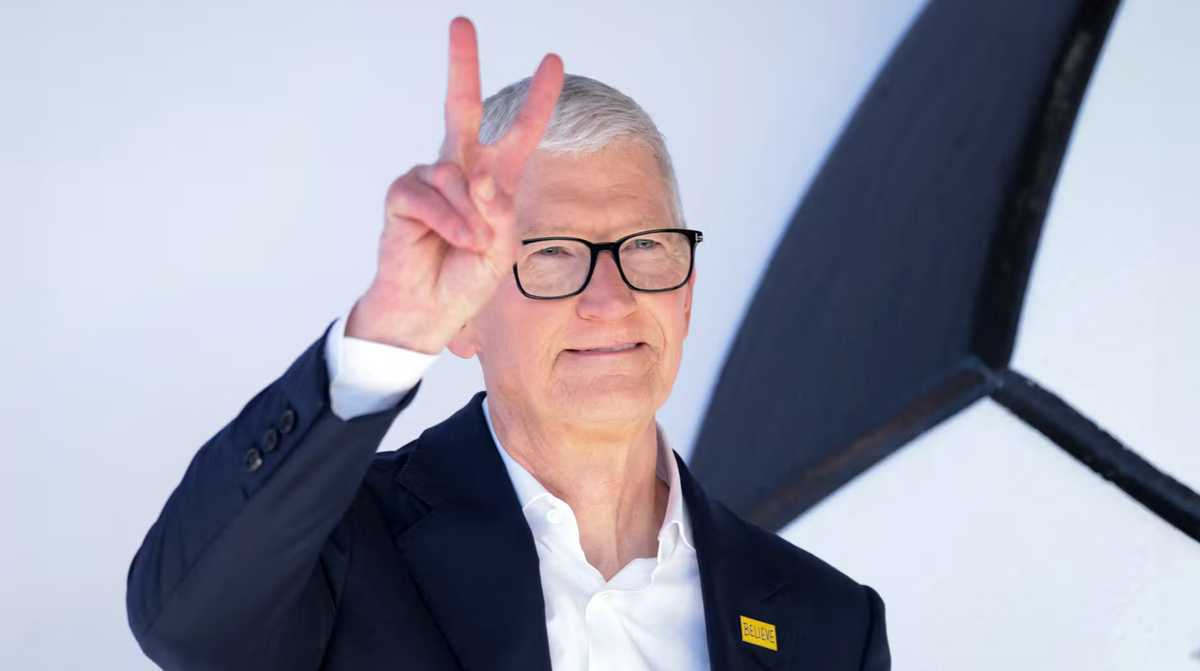
Today is Tim Cook's last day as Apple's CEO. Tomorrow, John Ternus, Apple's longtime hardware engineering chief, takes over. Fifteen years is a long tenure to sum up, but for filmmakers specifically, Cook's Apple did something genuinely concrete: it turned the iPhone into a real production tool, not a toy that happened to shoot video.
What Ternus inherits alongside that legacy is a much messier open question, and by his own public admission, it's the one he's least prepared to answer quickly.
The iPhone Became a Real Filmmaking Tool Under Cook
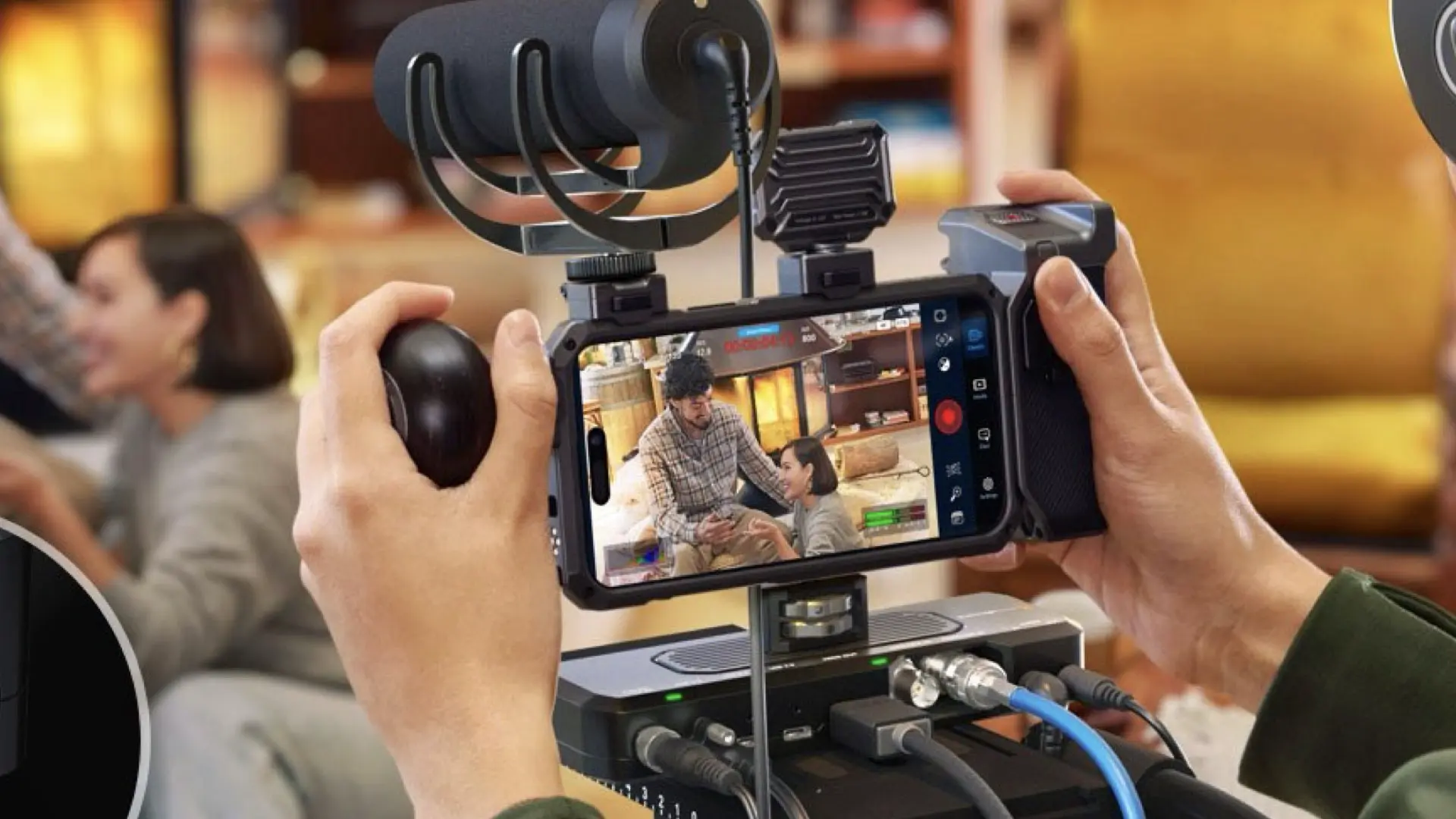
The turning point was 2021. The iPhone 13 Pro introduced both Cinematic Mode, automatic rack-focus effects that mimic a professional focus puller, and Apple ProRes recording, the first time a mainstream smartphone could capture footage in an editing-ready professional codec rather than a consumer format requiring transcoding before serious post-production work.
Cinematographer Greig Fraser, appearing in Apple's own launch materials, called it "bringing it up to the professional film cameras," predicting filmmakers would "make films in a different way." That framing wasn't hyperbole for an ad; strong evidence suggests Apple's positioning read the direction correctly.
The capability kept expanding through the rest of Cook's tenure. ProRes Log arrived on later Pro models, preserving far more dynamic range for color grading than a standard rec.709 profile. iPhone 17 Pro added ProRes RAW recording through Final Cut Camera, Apple's dedicated capture app built specifically to feed its professional editing tools. External SSD recording over USB-C removed the storage ceiling that limited earlier ProRes shooting to short clips.
None of this was accidental incrementalism, it was a sustained, decade-long build toward treating the iPhone as a genuine node in a professional production pipeline, not just a consumer camera with a video button.
Apple Silicon Changed What Editing Actually Costs
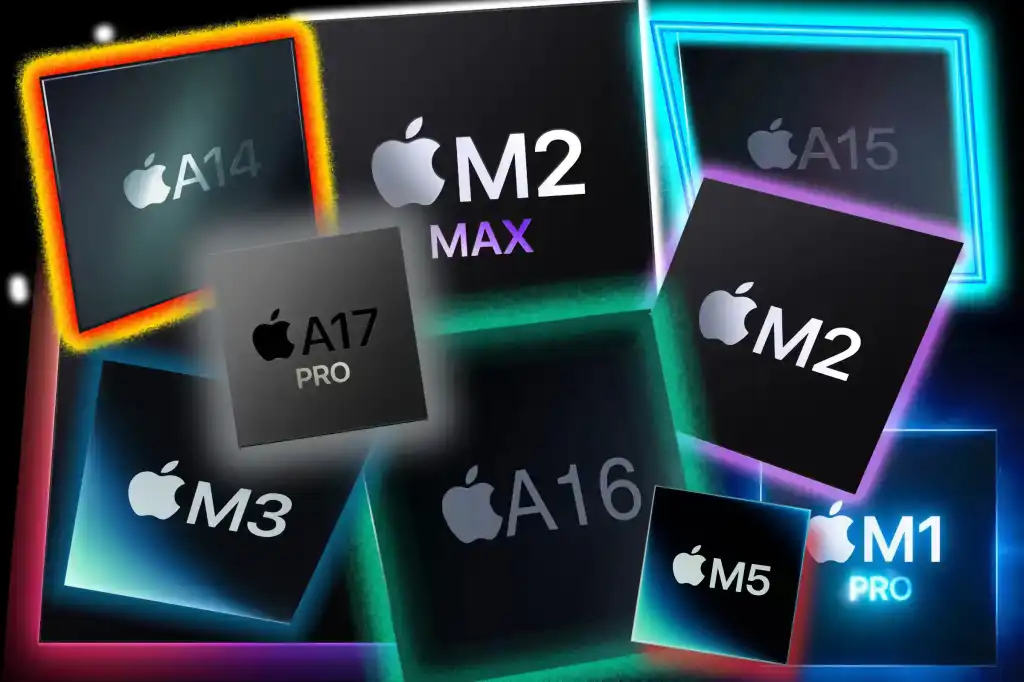
The second half of this legacy happened on the Mac side. Apple's transition from Intel to its own M-series silicon, which Ternus personally led as head of hardware engineering, fundamentally changed the economics of video editing.
Hardware-accelerated ProRes encoding and decoding, unified memory architecture letting the CPU and GPU share resources without costly data transfers, and a Neural Engine present in every chip from the base M-series up through the workstation-class Ultra tier all became standard rather than premium add-ons.
That shift is still accelerating even at the very end of Cook's tenure. Apple's newest Mac Studio and Mac mini, announced just weeks before this transition, pair DaVinci Resolve benchmarks directly against LLM inference benchmarks in the same marketing materials, treating editing performance and local AI compute as the same spec sheet rather than separate product categories.
Where AI Genuinely Fits, and Where Apple Fell Behind
This is where Cook's legacy gets more complicated. Apple's on-device AI processing, built on that same Neural Engine hardware, has real strengths: privacy-preserving computation, low latency, and no dependency on cloud infrastructure for tasks like Cinematic Mode's real-time depth mapping.
But Apple Intelligence, the company's broader generative AI push, launched later and has been more widely criticized than Apple's hardware releases in the same period, and Siri's promised AI overhaul has faced well-documented public delays.
That gap is exactly what Ternus now owns. In an April interview, he described Apple's approach to AI as "a marathon, not a sprint," a framing that asks investors, developers, and creators alike to accept that Apple will be a follower in generative AI before it's positioned to lead.
Outside analysis has been direct about the stakes: Ternus has spent 25 years building Apple's hardware reputation and has never personally launched an entirely new product category, and AI is the area where that hardware-first background is least tested.
What Ternus Actually Inherits
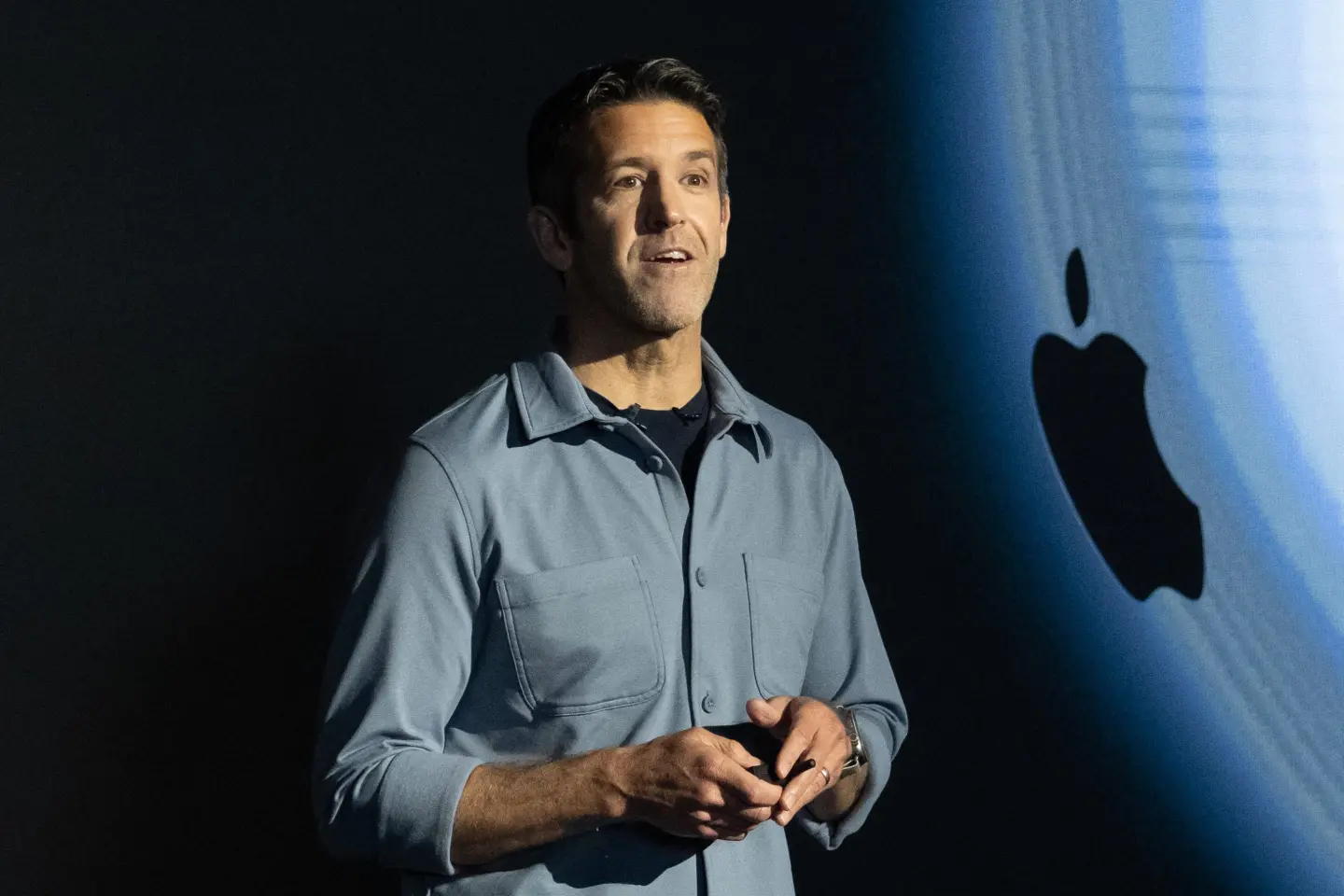
Ternus isn't an unknown quantity to the products filmmakers actually use. He led the Apple Silicon transition specifically, joined Apple's product design team in 2001 working on the Apple Cinema Display, and has overseen hardware engineering across the entire device lineup filmmakers rely on: iPhone, Mac, and the accessories connecting them.
That's a genuine continuity advantage for anyone worried the hardware roadmap might shift direction abruptly.
The open question is whether that hardware-engineering instinct translates into meaningful AI-powered creative tools, not just faster chips capable of running them. Local AI processing for tasks like automated color matching, AI-assisted transcription and rough cuts inside Final Cut Pro, or generative tools comparable to what Adobe and DaVinci Resolve have already begun shipping, remains an open opportunity Apple hasn't fully claimed yet.
What Filmmakers Should Actually Watch For
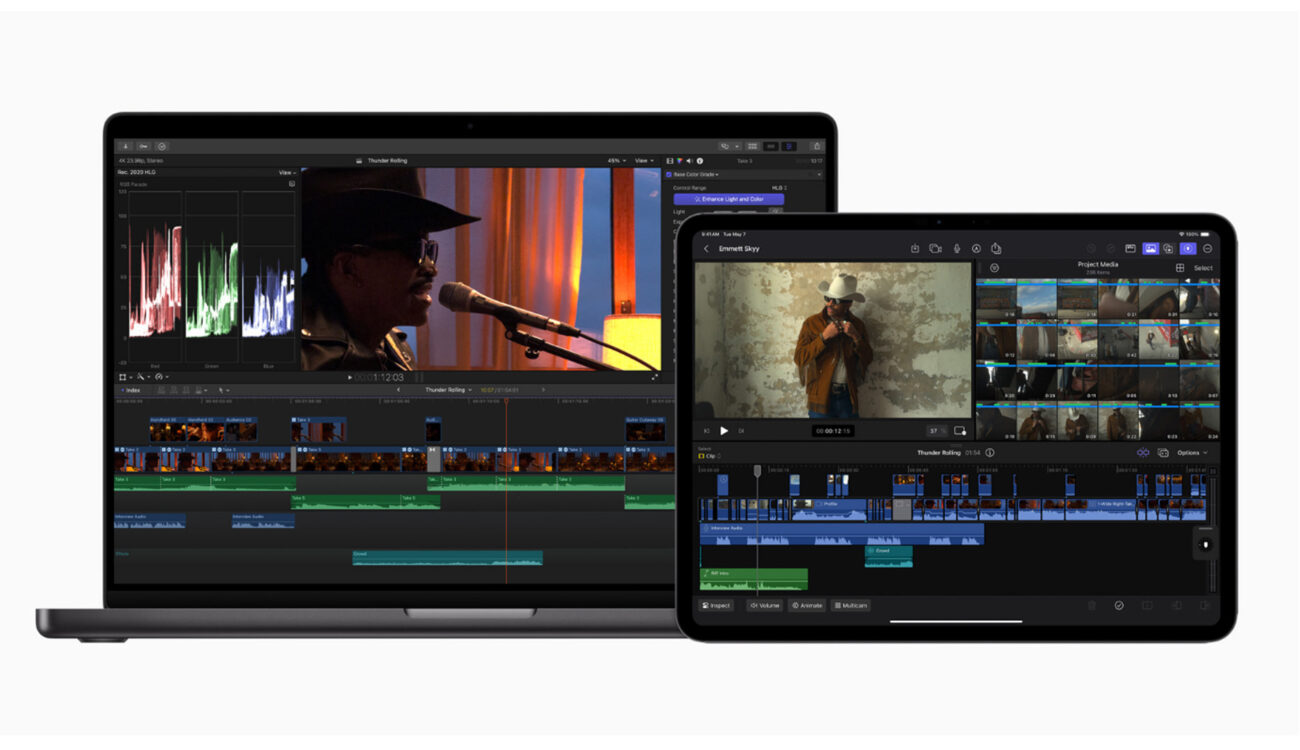
A few concrete things worth tracking as this transition plays out: whether Final Cut Pro gains genuine AI-assisted editing features rather than staying primarily a hardware showcase for Apple Silicon performance, whether the iPhone's camera system continues its steady march toward professional capability at the same pace it has for the last five years, and whether Apple's next chip generations keep pairing creative performance and AI compute as explicitly as the most recent Mac Studio and Mac mini did.
That last pattern, treating editing and AI as one unified hardware story rather than two separate product lines, is arguably the clearest signal of where Apple's creative tools strategy is actually headed under new leadership.
The Signal in the Noise
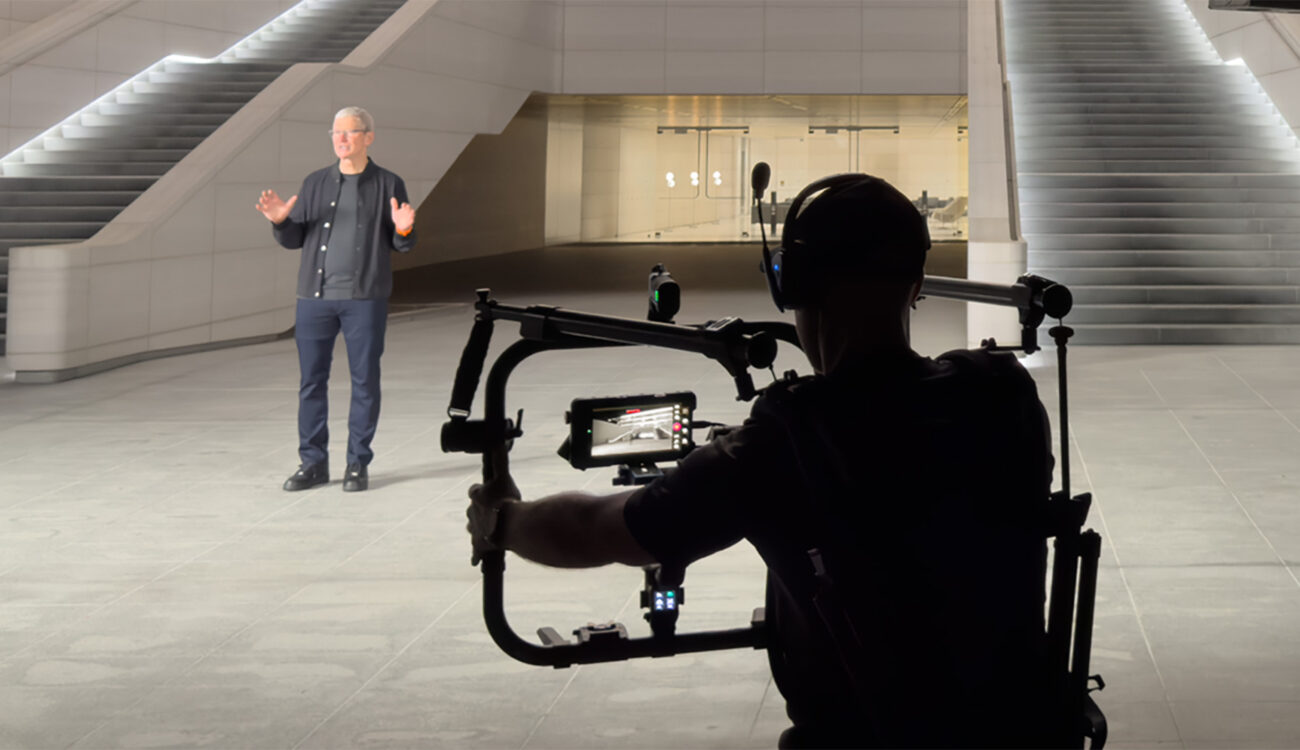
Cook's Apple built something durable for filmmakers: real production-grade hardware, from the phone in your pocket to the workstation on your desk, at a scale no other single company matches across that full range. What it didn't fully build is the generative AI layer sitting on top of that hardware, the part every other major creative software company is racing toward right now.
Ternus inherits genuinely excellent infrastructure and a real, acknowledged gap in what runs on it. Which one defines his tenure for filmmakers probably depends less on any single product launch than on whether Apple treats AI as core to the creative tools it already dominates, or as a separate initiative running in parallel.
Does Apple's hardware-first legacy under Cook give you more confidence in Ternus's ability to catch up on AI, or does his own "marathon, not a sprint" framing concern you as a working filmmaker?
The Details
- Tim Cook's last day as Apple CEO: August 31, 2026 (today)
- John Ternus becomes CEO: September 1, 2026 (tomorrow); Cook becomes executive chairman
- iPhone 13 Pro (2021): introduced Cinematic Mode and Apple ProRes recording, the start of Apple's serious filmmaking push
- iPhone 17 Pro: added ProRes RAW recording via Final Cut Camera, plus external SSD recording support
- Apple Silicon transition: led by Ternus, brought hardware-accelerated ProRes and Neural Engine AI processing to every Mac tier
- Ternus's own framing on AI: "a marathon, not a sprint" (April 2026 interview)
- Ternus's background: 25 years at Apple, joined 2001 on the product design team, led hardware engineering across iPhone, Mac, iPad, AirPods, and Apple Vision Pro