Understanding Aspect Ratios — When and Why They Matter
Aspect ratio determines the shape of your frame — and choosing the wrong one for your platform or intention can undermine even strong cinematography. Here's what you need to know.

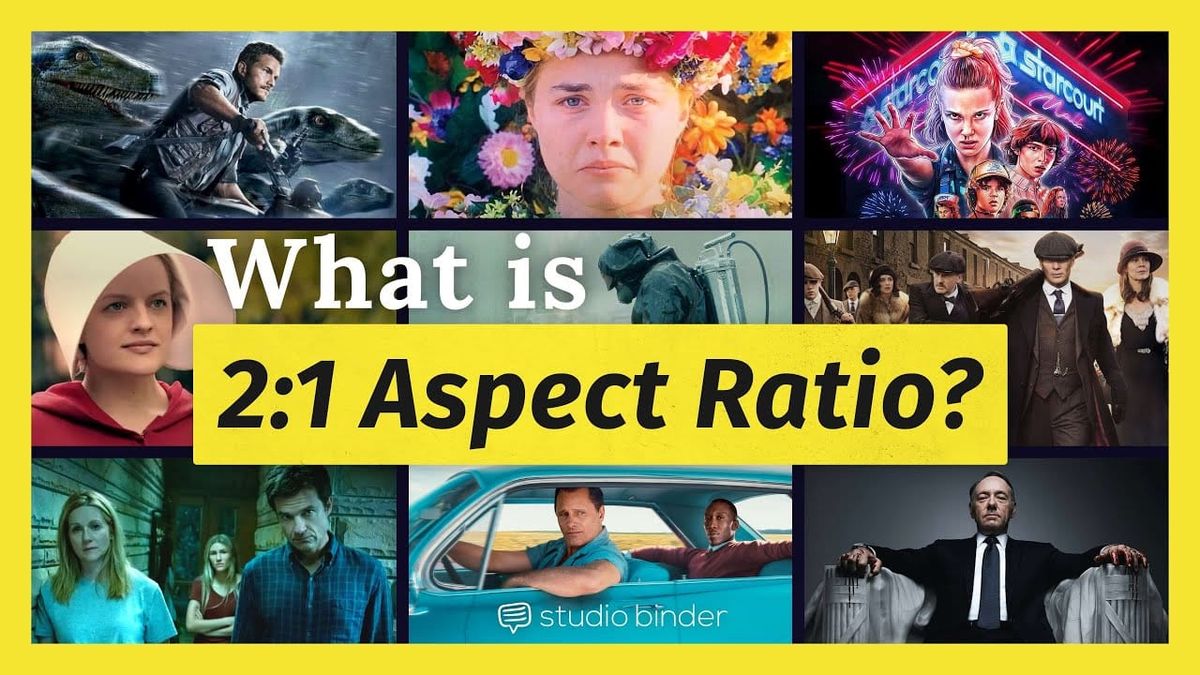
Aspect ratio is one of those technical decisions that feels like a footnote until you get it wrong. Deliver a 16:9 video to a platform expecting 9:16 and you're looking at black bars, cropped content, or a reformat that breaks your composition. Choose the wrong ratio for your intended canvas and even good cinematography gets undermined.
Understanding aspect ratios doesn't require math. It requires knowing what each ratio is for and where it's expected.
What Aspect Ratio Actually Means
Aspect ratio describes the proportional relationship between a frame's width and its height. 16:9 means for every 16 units of width there are 9 units of height. 4:3 means for every 4 units of width there are 3 units of height.
The ratio determines the shape of the frame — how wide or tall it is — which fundamentally affects composition, what fits in the frame, and how the image feels to a viewer.
16:9 — The Standard
16:9 is the dominant aspect ratio for digital video. It's the standard for YouTube, streaming platforms, broadcast television, and the majority of computer monitors and television screens.
If you're shooting content without a specific cinematic or platform-driven reason to do otherwise, 16:9 is your default. It's what audiences expect, what platforms display without modification, and what cameras produce natively in their standard modes.
2.39:1 — Cinematic Widescreen
The ultra-wide ratio associated with big-budget cinema is 2.39:1, sometimes approximated as 2.40:1 or referred to simply as Scope. It's significantly wider than 16:9, which produces the letterbox bars visible when widescreen films are displayed on standard televisions.
This ratio carries strong cinematic associations. It's the format of Lawrence of Arabia, Mad Max: Fury Road, and most major studio productions. For narrative filmmakers trying to signal cinematic intent, shooting in Scope — either with an anamorphic lens or by cropping in post — is a meaningful choice.
The wider frame also changes compositional possibilities. Scope rewards horizontal composition and wide establishing shots in ways that 16:9 doesn't.
4:3 — A Creative Choice
4:3 was the standard for film and television before the transition to widescreen. Today it's used as a deliberate stylistic choice — to evoke a specific era, to signal found footage or archival material, or to create a more intimate, enclosed feeling in the frame.
Films like The Lighthouse and Beau Is Afraid have used 4:3 deliberately to achieve specific psychological effects. It's not a technical limitation anymore — it's a tool.
9:16 — Vertical Video
9:16 is the inverse of 16:9 — a tall, narrow frame optimized for mobile viewing. It's the native format for Instagram Reels, TikTok, and YouTube Shorts.
Shooting for vertical platforms requires fundamentally different compositional thinking. The frame is taller than it is wide, which means horizontal compositional moves — wide establishing shots, two-shots — don't work the same way. Subjects need to be centered or framed for vertical space.
If you're shooting content intended for social platforms, consider shooting in 9:16 from the start rather than cropping 16:9 footage in post. The reframe rarely works as well as footage captured with the vertical frame in mind.
Shooting Wider for Flexibility
One practical approach when your distribution plans are uncertain: shoot wider than your target ratio and crop in post.
Shooting 16:9 when you think you might need 9:16 cuts means you can reframe for vertical without losing critical parts of your composition — but only if you've left enough room in the original frame. This requires anticipating the reframe during production, which means keeping subjects centered and avoiding compositions that use the extreme edges of the 16:9 frame.