Meet Wan3.0: Alibaba's New AI Video Model Now Lets You Reference a Spreadsheet
Alibaba's Wan3.0 entered public beta with native 30-second video and Omni-Reference, letting you generate from documents and spreadsheets, not just images and video. Here's what's confirmed.

Alibaba's Wan series just entered public beta with Wan3.0, and it's worth introducing properly since this is the first time BRC has covered it directly: Wan is Alibaba Cloud's own video generation model line, developed by its Tongyi Lab, following earlier versions including Wan 2.7. Wan3.0 is now live in public beta through Alibaba Cloud Model Studio and Qwen Cloud, with broader access on wan.video (members-only for now) coming soon.
Worth being precise about sourcing here: there's been a fair amount of speculative, unofficial content online guessing at Wan3.0's specs before this launch. This coverage is based on the official announcement from Alibaba's verified Wan account, linking to Alibaba's own Model Studio and Qwen Cloud domains, not third-party speculation.
What Wan3.0 Actually Offers
Alibaba's own framing for the launch, "Simple Input. Smart Creation. Where Imagination Meets Reality," points to three headline features. Native 30-second video generation lets a single run produce a full 30-second clip without stitching shorter generations together, a genuinely long runtime by current standards; most major competitors, including Veo 3.1 and Kling 3.0, cap individual generations well below that. Alibaba also touts what it calls Reality-Grade Rendering, positioning output quality as a core differentiator, though that's a marketing claim worth testing hands-on rather than taking at face value.
The Genuinely Different Feature: Omni-Reference
Omni-Reference & Universal Creation
— Wan (@Alibaba_Wan) August 6, 2026
Wan3.0 understands far more than prompts.
Text, image, audio, video… and now structured documents too.
Feed it a doc, sheet, deck, or webpage, and Wan3.0 reads and creates from it.
Supported inputs: doc · xls · ppt · pdf · txt · key · pages… pic.twitter.com/rHBLUKlCuW
The most distinctive addition is Omni-Reference, and it's a real departure from how every other major AI video model handles reference inputs. Where Seedance 2.5, Runway, and others accept images, video clips, and audio as reference material, Wan3.0 extends that to documents, spreadsheets, slides, and webpages.
That's a genuinely unusual capability for a video generation model, and it points toward a different use case than pure creative filmmaking: pulling structured information, data, layout, written content, directly from business documents into a video generation, rather than requiring a creator to manually translate that material into a visual prompt first. It's worth understanding as a business and marketing tool feature as much as a filmmaking one, closer to Osmo Studio's Figma-to-motion pitch than to Runway or Kling's narrative-first approach.
Pricing
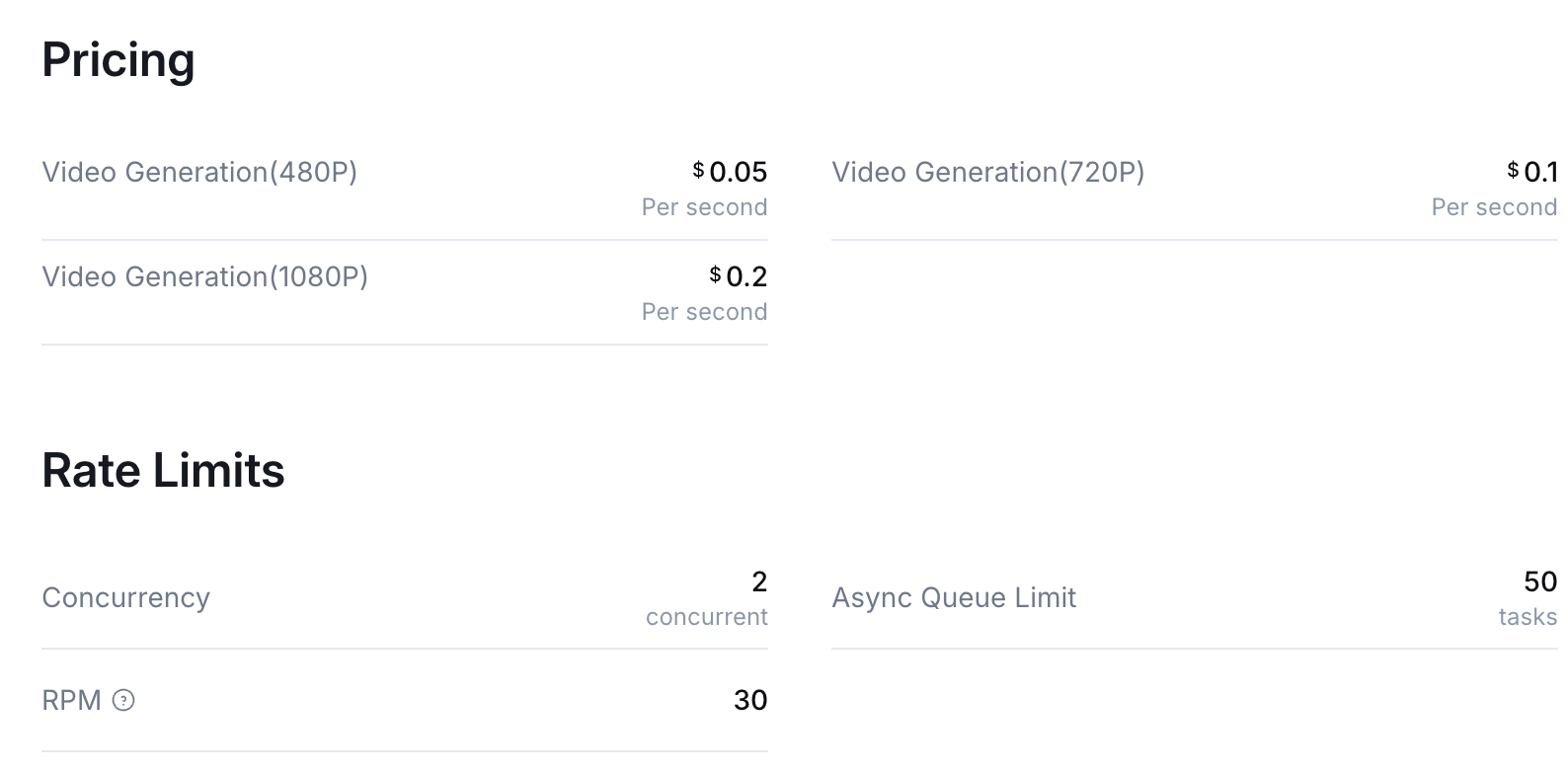
Wan3.0's published API pricing is aggressive relative to the rest of the field: $0.05 per second at 480p, $0.10 per second at 720p, and $0.20 per second at 1080p. For comparison, Veo 3.1's Standard tier runs $0.40 per second, and Seedance's various hosted platforms generally land higher than Wan3.0's stated rates as well. Full API access is described as "rolling out soon," meaning current availability is limited to the public beta rather than complete, general-purpose API access.
Competitive Context
Wan3.0 enters a field that's gotten considerably more crowded this year, ByteDance's Seedance, Google's Veo, Kuaishou's Kling, MiniMax's Hailuo, Runway's own Gen line, and now Black Forest Labs' FLUX 3 Video. Alibaba's entry adds real competitive pressure specifically on price and reference flexibility, undercutting several established platforms on per-second cost while introducing a reference capability none of them currently match.
Alibaba's Wan line has also had a complicated relationship with open weights historically, prior versions have alternated between closed commercial APIs and open releases under Apache 2.0, and it remains unclear whether Wan3.0 will eventually ship open weights or stay platform-only. Worth watching, since that distinction matters a lot for anyone considering self-hosting versus relying on Alibaba's hosted API long-term.
The Signal in the Noise
Native 30-second generation and aggressive pricing make Wan3.0 worth testing directly, especially for high-volume or budget-conscious workflows. But the Omni-Reference document and spreadsheet support is the detail actually worth paying attention to here: it's a genuinely different bet than most AI video models are making, treating video generation as something that can pull directly from business and data content, not just creative reference material. Whether that capability proves broadly useful or ends up as a narrow, business-specific feature is worth watching as more hands-on testing comes in.
Specs & Pricing
- Max clip length: 30 seconds (native, single generation)
- Reference types: text, image, audio, video, documents, spreadsheets, slides, webpages
- Access: Alibaba Cloud Model Studio, Qwen Cloud (public beta); wan.video coming soon (members-only initially)
- API pricing: $0.05/sec (480p), $0.10/sec (720p), $0.20/sec (1080p)
- Full API access: rolling out soon