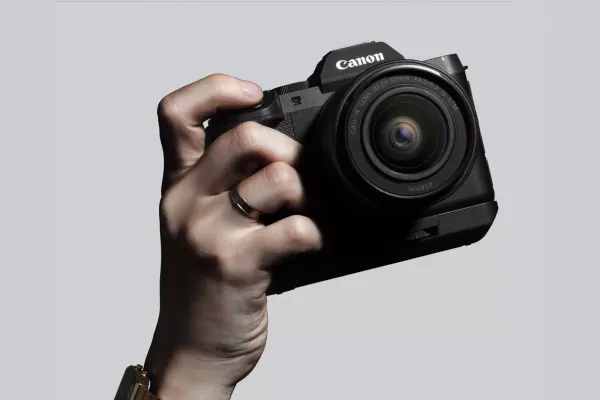
What is a Color Profile — Log, HLG, and Rec.709 Explained
Rec.709, Log, and HLG are the three color profiles filmmakers encounter most — and each serves a different purpose. Here's what they are and when to use each one.


Every camera produces video using a color profile — a set of rules that determines how the sensor's data is translated into the image you see. Choosing the right color profile for your shoot affects how much latitude you have in post, what your footage looks like straight out of camera, and what workflow you'll need to handle it.
The three profiles filmmakers encounter most often are Rec.709, Log, and HLG. They serve different purposes and are suited to different situations.
Rec.709 — The Standard
Rec.709 is the color space standard for high-definition video. It's what broadcast television uses, what YouTube displays, and what most screens are calibrated to show. Footage shot in Rec.709 looks correct without any post-processing — the contrast, saturation, and color rendition are all ready to view.
The tradeoff is dynamic range. Rec.709 uses a tone curve that clips highlights and crushes shadows relatively aggressively, which limits how much latitude you have in color grading. For content that won't receive a serious grade — corporate videos, event coverage, news — Rec.709 is the right choice. It looks good immediately and requires minimal post work.
Featured Video
Log — Maximum Latitude for Grading
Log color profiles apply a logarithmic tone curve to the image that compresses highlights and lifts shadows, preserving detail at both ends of the exposure range. The result is footage that looks flat, washed out, and low-contrast straight out of the camera.
That flat look is intentional. Log footage is designed to be graded in post — the flat curve is what gives colorists the latitude to push highlights, recover shadows, and apply a creative look without the image falling apart.
Common Log profiles include Sony S-Log2 and S-Log3, Canon C-Log and C-Log3, ARRI Log C, and Blackmagic Film. Each has different characteristics in how it handles highlights and shadows, and each requires a specific technical LUT to convert to a viewable color space before grading begins.
Shoot Log when the project will receive a real color grade and when the additional post work is justified by the image quality and latitude it provides.
HLG — The Middle Ground
HLG stands for Hybrid Log-Gamma. It's an HDR-compatible format developed jointly by the BBC and NHK that occupies the middle ground between Rec.709 and Log.
HLG footage looks significantly better out of camera than Log — it has more contrast and saturation than the flat Log image — while still offering more dynamic range than standard Rec.709. Crucially, HLG is designed to display correctly on both SDR and HDR screens without conversion, which makes it practical for content that needs to look good across different display types.
For run-and-gun documentary work, event coverage that might appear on HDR screens, or any situation where you want more latitude than Rec.709 offers without committing to a full grading workflow, HLG is a practical choice.
Which Profile Should You Use?
The decision comes down to your post-production workflow and the project's needs.
If you're not doing a color grade or need footage that looks good immediately: Rec.709.
If you're doing a proper grade and have the storage and processing pipeline to support it: Log.
If you want more latitude than Rec.709 but need footage that looks acceptable without grading, or if HDR delivery is a consideration: HLG.
Don't shoot Log if you don't have a grading workflow. Flat Log footage delivered without correction is a common and avoidable mistake.