What is a DIT and Do You Need One on Your Shoot?
A DIT manages data backup, on-set color, and proxy delivery on a production. Here's what the role covers and whether you need one on your shoot.

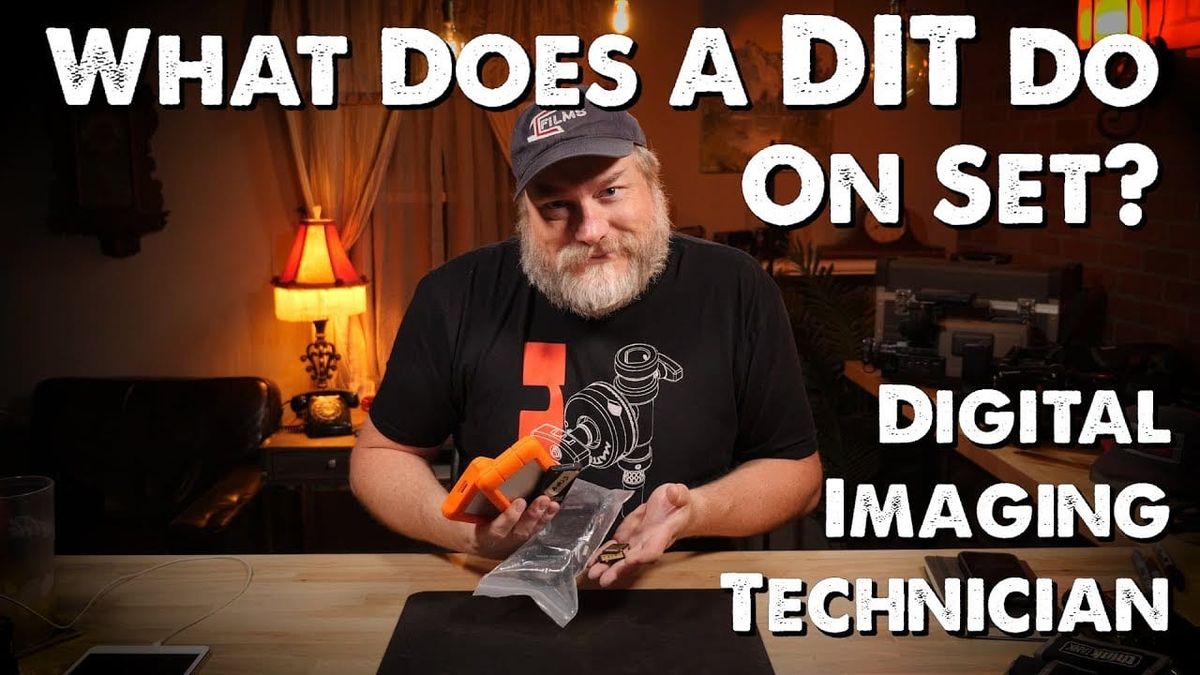
DIT stands for Digital Imaging Technician. It's a role that sits at the intersection of the camera department and post-production, responsible for managing the digital workflow on set — from data backup and organization to on-set color management and the delivery of media to editorial.
On high-end productions the DIT is indispensable. On smaller productions the role often gets absorbed by the AC, the DP, or simply doesn't happen in the structured way it should. Understanding what a DIT actually does helps you figure out whether you need one and what happens when you don't have one.
What a DIT Does
The DIT's primary responsibility is data integrity. When a card comes out of the camera, the DIT makes copies — typically to two separate drives simultaneously — and verifies those copies against the original using a checksum process that confirms the data transferred without errors. Only when the copies are verified does the card get cleared and returned to the camera.
This sounds straightforward, but it's the step that prevents catastrophic data loss. A card that gets cleared before its contents are verified and a drive that fails on the way to post are two of the most avoidable disasters in production. The DIT's workflow is designed around preventing both.
Featured Video
On-Set Color Management
Beyond data, many DITs work with the DP to manage the look of the image on set. This involves creating and applying on-set LUTs for monitoring — so that what the director and DP see on the monitor reflects the intended final look rather than flat Log footage — and sometimes building a grade that travels with the footage to post as a starting point for the colorist.
On productions shooting RAW or high-end Log formats, the on-set color management role can be significant. The DIT may be running a dedicated color workstation alongside the camera, providing real-time feedback on exposure and image quality.
Proxy Generation and Delivery
Many DITs also handle proxy generation — creating lower-resolution copies of the original footage that the editorial team can begin working with immediately. This is particularly valuable on productions where the editor is working remotely or where the turnaround between shooting and editorial is tight.
Combined with Camera to Cloud workflows, a DIT's proxy generation can feed directly into cloud-based dailies delivery, giving producers and directors access to footage hours before the production wraps for the day.
Do You Need a DIT?
The honest answer depends on the stakes and scale of the production.
For high-end narrative, commercial, or documentary productions shooting expensive footage that cannot be recreated — you need a DIT, or at minimum a rigorous data management workflow that someone is responsible for executing.
For smaller productions, the functions of a DIT can be distributed. The 1st AC can handle card management and basic backups. The DP can manage on-set LUTs. An office PA can run verification software on drives at the end of each day.
What you cannot do is skip the functions entirely. Data management is not optional on any production where the footage matters.