What is a Gimbal — and Do You Actually Need One?
A gimbal stabilizes your camera in motion — but it's not the right tool for every shot or every shooter. Here's what it does, when you need one, and when you don't.

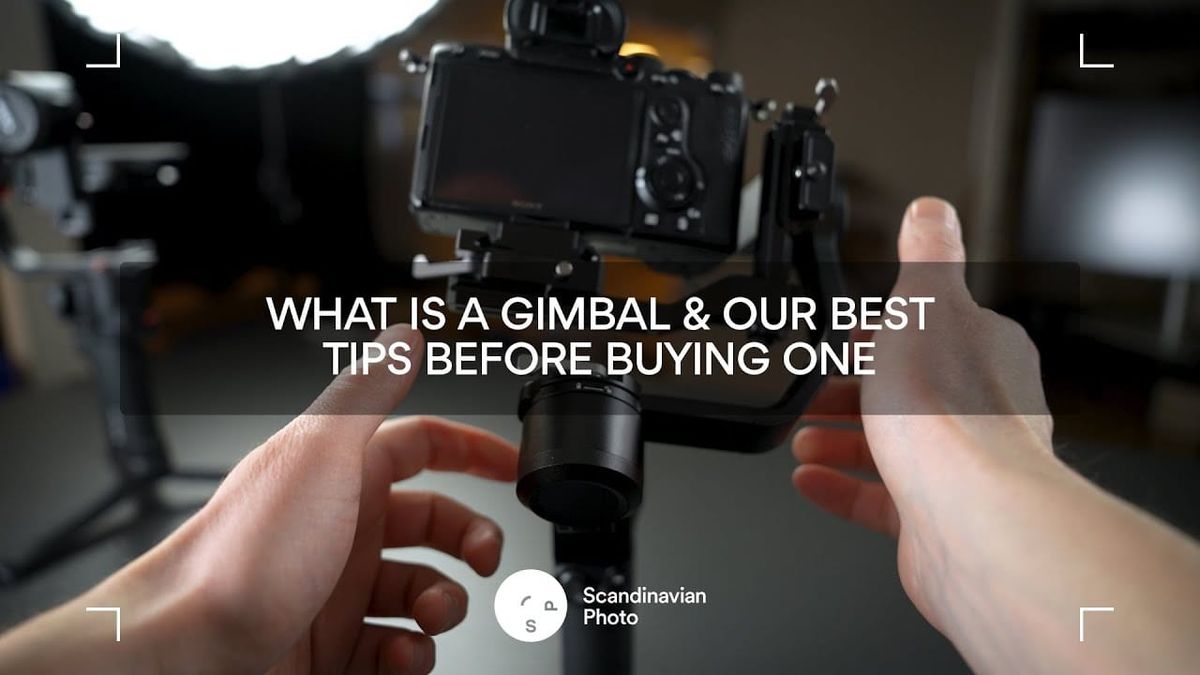
A gimbal is one of those pieces of gear that looks like magic when you first see it and becomes a constant presence in your kit once you own one. It's also one of the more expensive accessories a filmmaker can buy, and one of the easier ones to purchase before you actually need it.
Here's what a gimbal actually does, when it's worth having, and when something else will serve you better.
What a Gimbal Does
A gimbal is a motorized stabilization device that keeps a camera level and smooth as it moves through space. It uses brushless motors and gyroscopic sensors to detect unwanted movement — the shake and wobble that comes from handheld operation — and counteracts it in real time across three axes: pan, tilt, and roll.
The result is footage that moves with intention. Walking shots that track smoothly. Follow shots that feel controlled. Movement that reads as cinematic rather than documentary or handheld.
Featured Video
What a Gimbal Doesn't Do
A gimbal stabilizes — it doesn't make every shot better. It removes the natural organic quality of handheld footage, which is sometimes exactly what a scene calls for. Handheld work in documentary, action sequences, and intimate drama often benefits from the energy and imperfection of unassisted handheld shooting.
A gimbal also doesn't replace intentional camera movement. A poorly conceived moving shot on a gimbal is still a poorly conceived moving shot. The tool doesn't supply the idea.
When You Actually Need One
Gimbals earn their place in a kit in specific situations:
Walk-and-talk sequences where a subject moves through space and the camera follows. Tracking shots where the camera needs to move alongside or around a subject. Event coverage where the camera operator is moving constantly and needs to deliver smooth footage without a dolly or slider. Commercial and branded content where a polished, controlled look is expected.
For static shots — interviews, locked-off establishing shots, tripod work — a gimbal adds nothing and is actively inconvenient to set up and balance.
The Alternatives Worth Considering
Before buying a gimbal, consider what else might serve your stabilization needs:
In-body image stabilization (IBIS) has become genuinely excellent in modern mirrorless cameras. Sony, Canon, Fuji, and others produce cameras with IBIS systems that handle handheld shooting remarkably well for run-and-gun work without the setup time a gimbal requires.
A shoulder rig distributes the camera's weight across your body and provides a more stable shooting platform than pure handheld. It retains the organic quality of handheld work while reducing fatigue and shake.
A simple monopod adds significant stability for event and documentary work at a fraction of the cost of a gimbal.
Which Gimbals Are Worth Looking At
The market is dominated by DJI and Insta360, with a few specialist options for cinema cameras. DJI's RS series covers the range from mirrorless to cinema cameras and represents the most widely used professional option. The Insta360 Flow and similar compact gimbals address the smartphone and action camera market.
For most mirrorless shooters, a mid-range DJI RS gimbal is the right entry point. Confirm your camera and heaviest lens combination falls within the payload rating before purchasing.
The Bottom Line
If you regularly shoot moving sequences — walk-and-talks, tracking shots, event coverage — a gimbal will meaningfully improve your work. If the majority of your shooting is interview-based, tripod-mounted, or intentionally handheld, you may not need one at all.
Buy it for a specific use case. Don't buy it because it looks impressive.