What Is a LoRA? The AI Fine-Tuning Trick Filmmakers Keep Running Into
LoRA stands for Low-Rank Adaptation, a way to customize an AI model's output without retraining it. Here's what that means for filmmakers.

If you've followed BRC's recent coverage of MiniMax H3, you've run into the term LoRA more than once, fal's Realism People LoRA, the LoRA trainer that shipped alongside it, community LoRAs already spreading across the ecosystem. Here's what the term actually means, and why it matters more to filmmakers than it might first appear.
What LoRA Actually Stands For
LoRA stands for Low-Rank Adaptation, a technique for customizing an AI model's output without retraining the entire model from scratch. Training a large video or image model like MiniMax H3 from zero requires massive computing resources most individuals and small studios simply don't have access to. A LoRA sidesteps that entirely by training a small set of additional parameters on top of an already-trained model, using a relatively modest dataset, sometimes just a few dozen to a few hundred examples, rather than the billions of data points the base model required.
What a LoRA Actually Does
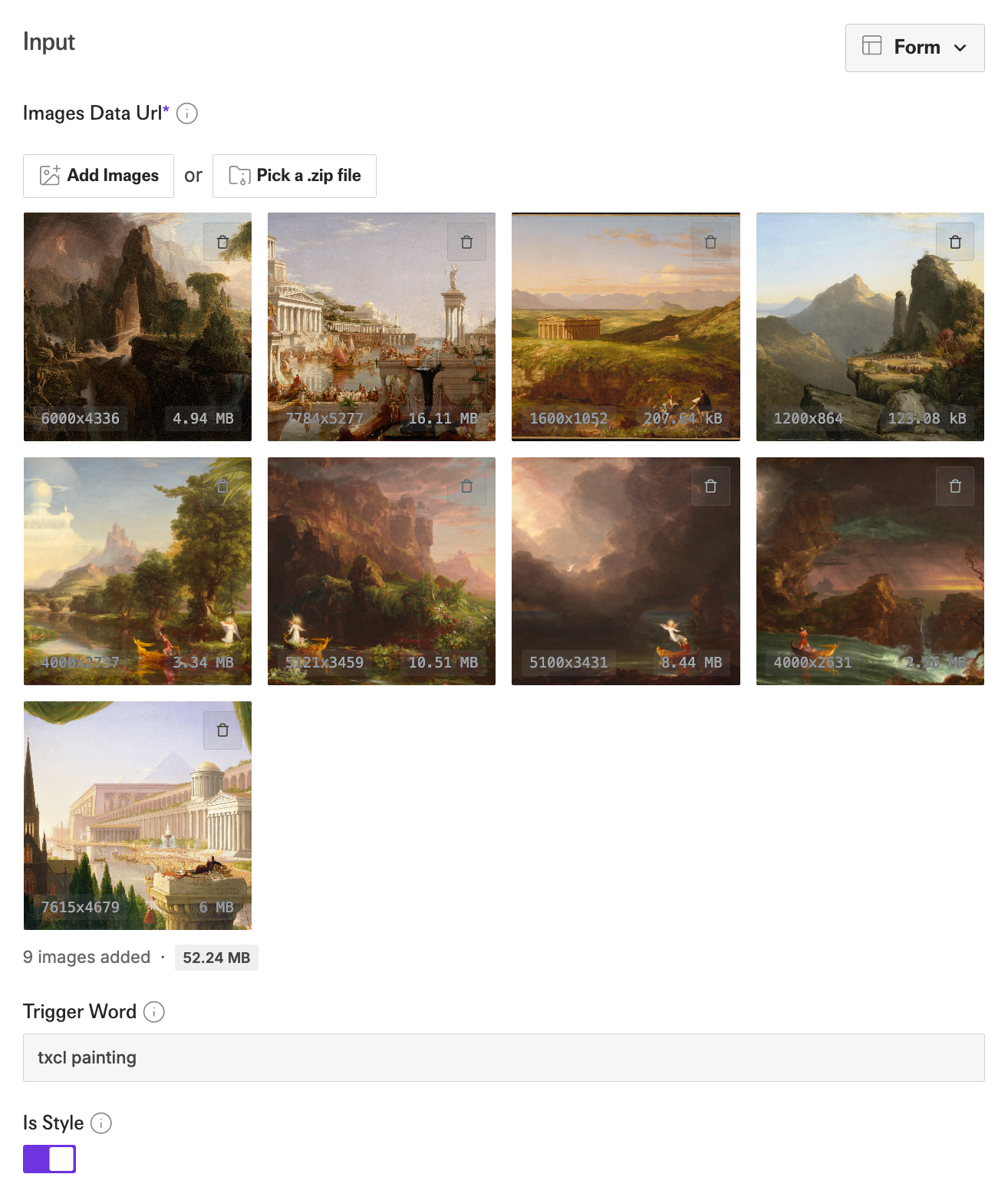
The result of that training process is a small file, often just a few hundred megabytes, that modifies the base model's output toward whatever the LoRA was specifically trained on. That could be a particular visual aesthetic, a consistent character's appearance across generations, a specific art style, or, as fal demonstrated with its Realism People LoRA, more photorealistic human skin, eyes, and motion pushed further than the base model produces on its own.
Crucially, the base model itself doesn't change. A LoRA loads on top of it, and can typically be swapped out or combined with other LoRAs depending on the platform, without needing a separate full copy of the underlying model for every style you want to work with.
Why This Matters More Than It Sounds
Before LoRAs became widely accessible, getting a specific consistent look or character out of an AI model meant either accepting whatever the base model produced by default, or having the resources to fine-tune an entire model yourself, a genuinely expensive, technical undertaking. LoRAs collapsed that gap significantly. A solo creator or small studio can now train a LoRA around their own specific visual style, a recurring character, or a particular production's look, using far less data and compute than full model training ever required.
That's directly relevant to one of AI video's most persistent complaints: character and style consistency across multiple shots. A well-trained LoRA is one of the more practical tools currently available for pushing a model toward a specific, repeatable look rather than a different aesthetic every generation.
Competitive Context
LoRA support has become something close to a baseline expectation for any serious open-weight AI model release. fal built a dedicated LoRA trainer for MiniMax H3 within weeks of the base model going open source, and similar training tools exist across other major open-weight image and video models. The trend is consistent: open weights plus accessible fine-tuning tools together, not either alone, are what actually let a broader range of creators build something distinctive on top of a shared foundation model.
The Signal in the Noise
Understanding LoRAs is genuinely useful groundwork for anyone planning to work seriously with open-weight AI models rather than just generating one-off clips from default settings. The base model determines what's generally possible; the LoRA is often what determines whether the output actually looks like your project rather than a generic demo reel.
Would training a custom LoRA around your own visual style or a recurring character be worth the setup effort for the projects you're working on right now?
The Details
- LoRA stands for: Low-Rank Adaptation
- What it does: trains a small set of additional parameters on top of an existing model, without retraining the full model
- Typical file size: often a few hundred megabytes, far smaller than the base model itself
- Training data required: can range from a few dozen to a few hundred examples, dramatically less than full model training
- Common uses: consistent character appearance, specific visual styles, photorealism pushes, subject-specific fine-tuning
- The base model itself is not modified; LoRAs load on top of it and can often be swapped or combined