What is Anamorphic and Is It Worth the Hassle?
Anamorphic lenses compress a wide field of view onto a standard sensor, producing distinctive flares, oval bokeh, and ultra-wide framing. Here's what they are and whether they're worth the hassle.

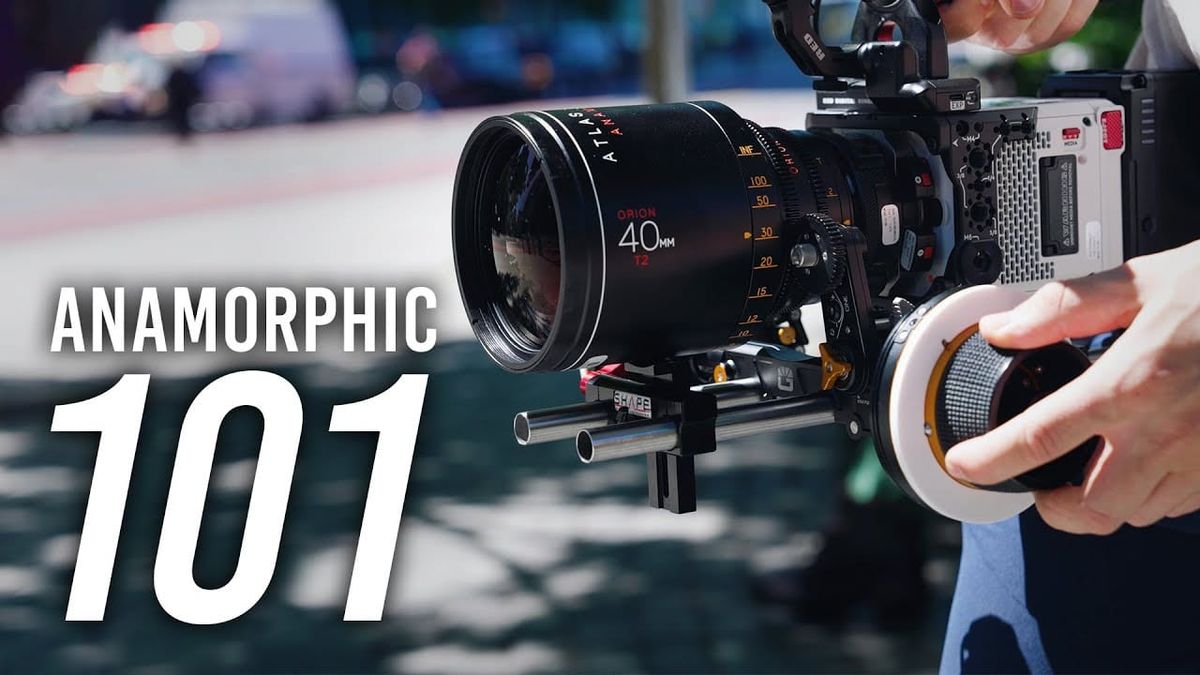
Anamorphic is a lens format that compresses a wide field of view horizontally onto a standard sensor, producing an ultra-wide image that gets "de-squeezed" in post-production to reveal the full widescreen frame. The format originated in cinema in the 1950s as a way to capture wide images on standard film frames, and it's been associated with a specific cinematic aesthetic ever since.
That aesthetic — horizontal lens flares, oval bokeh, characteristic distortion at the edges of the frame — is instantly recognizable. It's also genuinely difficult and expensive to achieve well, which is why the answer to "is it worth the hassle?" depends heavily on what you're making and why.
How Anamorphic Lenses Work
A standard spherical lens captures a circular image that maps directly onto the sensor. An anamorphic lens uses a cylindrical element that compresses the horizontal field of view — squeezing a wider scene onto the sensor width. The result is a "squeezed" image that looks distorted until it's de-squeezed in post by stretching it horizontally to its intended ratio.
The squeeze factor varies by lens. A 2x anamorphic compresses the image by a factor of two horizontally. A 1.33x anamorphic compresses less, producing a moderately wide image with some but not all of the classic anamorphic characteristics.
Featured Video
The Anamorphic Look
The aesthetic characteristics of anamorphic lenses are the reason filmmakers pursue them despite the complexity:
Horizontal lens flares. When a bright light source enters the frame, anamorphic lenses produce distinctive horizontal streaks rather than the starburst or circular flares of spherical lenses. This is one of the most recognizable visual signatures in cinema.
Oval bokeh. Out-of-focus highlights in anamorphic footage are oval rather than circular — taller than they are wide. This gives the out-of-focus areas of the frame a distinctive look that's difficult to replicate in post.
Shallower depth of field. Because anamorphic lenses are typically longer focal lengths used for equivalent fields of view, they produce shallower depth of field than spherical lenses at similar settings.
The Practical Challenges
Anamorphic lenses are significantly more expensive than comparable spherical lenses. Entry-level anamorphic options from Sirui and Venus Optics start in the hundreds of dollars for smaller sensor coverage, but cinema-grade anamorphics from Cooke, Panavision, and Zeiss are rental-only propositions at thousands per day.
They're also more complex to focus. The squeeze ratio and lens characteristics make critical focus more demanding, and anamorphic lenses typically require a de-squeeze monitor to accurately evaluate focus during shooting.
Rigging is more involved. The larger, heavier construction of many anamorphic lenses adds weight and front diameter considerations to any shooting configuration.
Is It Worth It?
For narrative filmmakers who want a specific cinematic look and have the budget and workflow to support it, anamorphic is worth exploring. The look is genuinely distinctive and difficult to replicate with spherical glass and post-production tricks.
For most commercial, documentary, and short-form content work, the complexity and cost rarely justify the aesthetic benefit. Modern spherical lenses at wide apertures produce beautiful images, and the anamorphic look can be partially approximated in post with flare overlays and slight horizontal stretching — though serious cinematographers will note the difference.
The honest test: would you notice if this were shot spherically? If the answer is no, shoot spherically.