What Is 'Computer Use'? How AI Agents Actually Control Your Screen
Computer use lets AI models operate a computer like a person, screenshot, reason, click, type. Here's what that actually means for AI filmmaking.

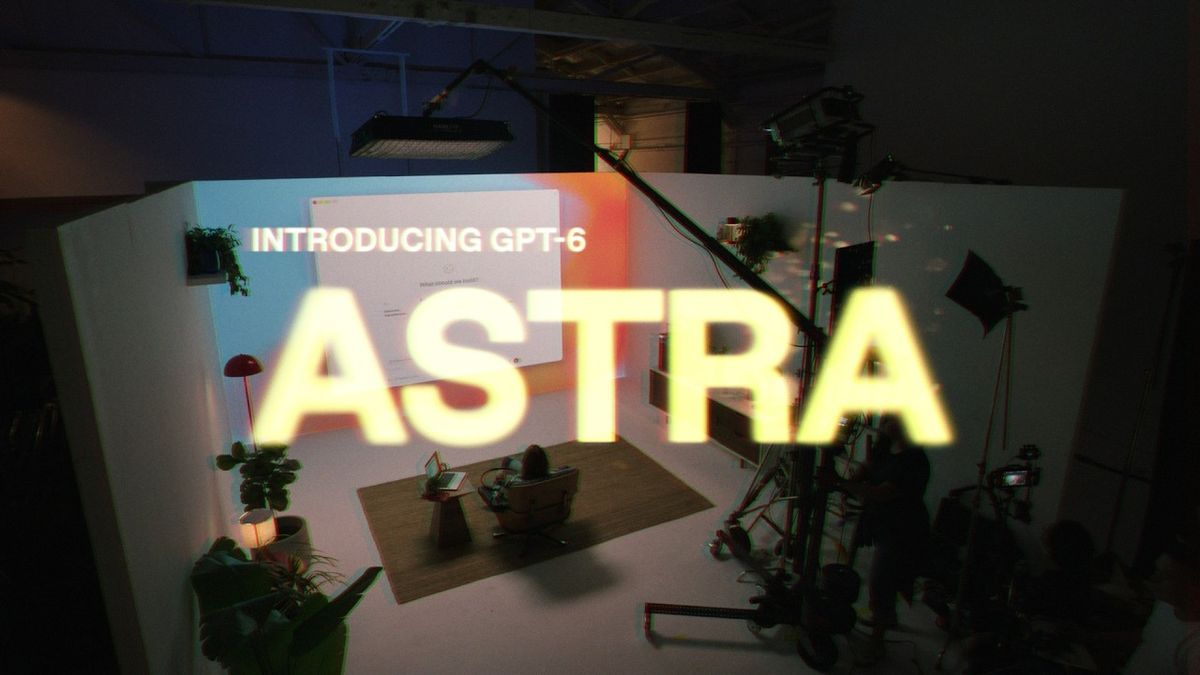
If you followed BRC's coverage of GPT-6 Astra editing a full YouTube video from one prompt, you saw the term "computer use" mentioned as the capability that made it possible. Here's what that term actually means, and why it's different from AI simply generating text or images.
What Computer Use Actually Is
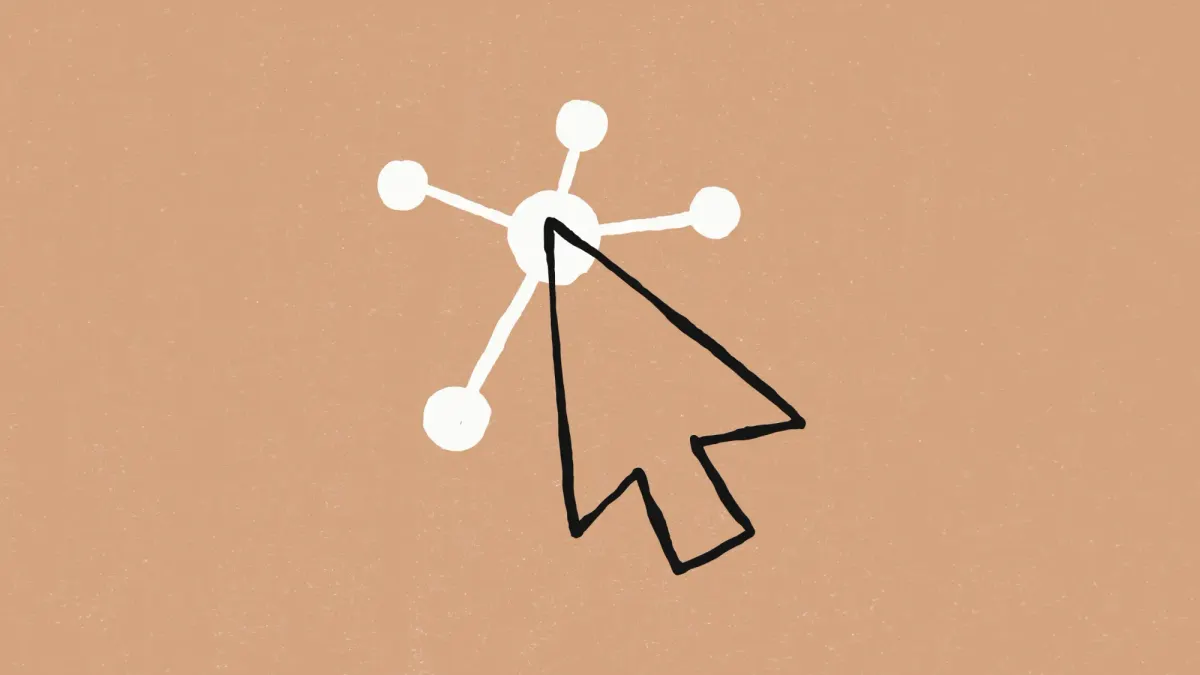
Computer use describes an AI model's ability to operate a computer the same way a person does: looking at a screenshot of the screen, then moving a cursor, clicking buttons, and typing text based on what it sees. Anthropic introduced the capability publicly in October 2024 with Claude 3.5 Sonnet, the first frontier AI model to offer it, and other companies have since built similar capabilities into their own models.
The mechanism is genuinely simple to describe, even though building it reliably is hard: the model takes a screenshot, reasons about what's visible and what needs to happen next, then outputs a specific action, move the mouse here, click, type this text, take another screenshot to confirm the result, and repeats that loop until the task is done.
Why This Is Different From Browser Automation
Tools like Playwright or Selenium have let developers script browser actions for years, but they operate headlessly, executing predefined commands without any actual visual understanding of what's on screen. Computer use is a different approach entirely: the model has genuine visual context, it sees the same screen a human would see, and decides what to do based on that, rather than following a pre-written script.
That distinction matters for flexibility. A traditional automation script breaks the moment a website's layout changes. A model using computer use can adapt, because it's actually looking at the current state of the screen each time, not executing blind commands against an assumed layout.
Why This Matters for AI Filmmaking Specifically
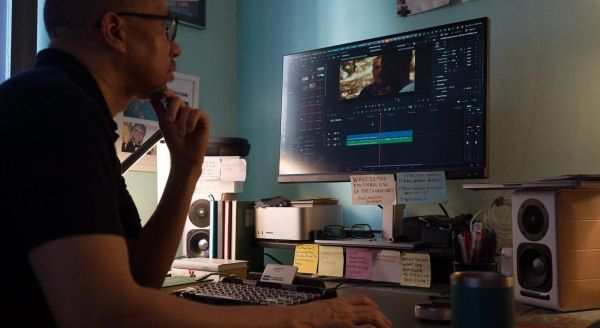
Computer use is what let GPT-6 Astra do more than generate a script or a clip. In BRC's coverage of that project, the model used computer use to navigate a creator's actual project folders to locate an already-configured avatar and voice clone, open real external webpages to verify research sources, and operate DaVinci Resolve directly through its interface rather than just outputting instructions for a human to follow.
That's the real shift computer use enables: an AI agent that can actually use the same software you use, rather than one that can only describe what should happen inside it.
The Real Limitations Worth Knowing
Computer use is genuinely capable but not foolproof. Accuracy depends on correctly interpreting what's on screen, and a misread button or misplaced click can send a task in the wrong direction. Security is a real, active concern too: since the model is looking at whatever's visible on screen, a malicious webpage could theoretically try to instruct it through hidden on-screen text, a prompt injection risk that AI companies have built specific classifiers to detect and flag.
Anthropic's own guidance reflects that caution directly: running computer use in a dedicated, limited-privilege environment, never exposing passwords or sensitive credentials on screen, and keeping a human in the loop for consequential actions like financial transactions or account changes.
Competitive Context
Performance in this category has improved rapidly. Independent benchmarks tracking computer-use task performance show real, substantial jumps between model generations, driven by better underlying visual reasoning and heavier training emphasis on exactly this kind of task.
That trajectory is part of why capabilities like GPT-6 Astra's full video-editing workflow became viable now rather than a year or two ago, the underlying skill genuinely got better, not just the marketing around it.
The Signal in the Noise
Computer use is the bridge between an AI model that can talk about your work and one that can actually do parts of it inside the same tools you already use. For anyone watching AI agents move from generating content to executing full production workflows, this is the specific capability making that transition possible, not a separate, unrelated feature.
Does knowing how computer use actually works, screenshot, reason, act, repeat, change how much you'd trust an AI agent operating real software on your behalf?
The Details
- Capability name: computer use
- First introduced: October 2024, by Anthropic with Claude 3.5 Sonnet
- How it works: model takes a screenshot, reasons about the screen, outputs a cursor/click/type action, repeats
- Different from: traditional headless browser automation (Playwright, Selenium), which has no visual context and follows fixed scripts
- Security considerations: recommended use in sandboxed, limited-privilege environments; prompt injection risk from malicious on-screen content; human-in-loop recommended for consequential actions
- Relevant BRC example: GPT-6 Astra used computer use to navigate files, verify research, and operate DaVinci Resolve directly