What is RAW Video and Is It Worth Shooting?
RAW video captures sensor data with minimal in-camera processing, giving you maximum latitude in post — but at the cost of file size and processing demands. Here's when it's worth it.

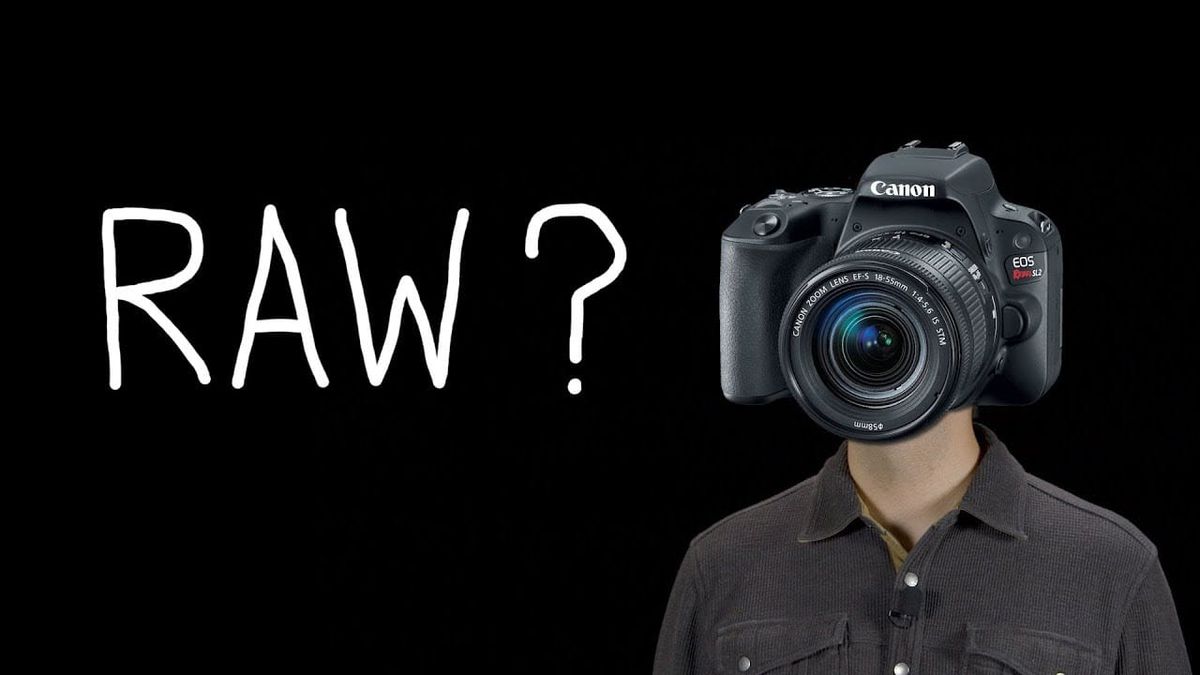
RAW video is the least processed form of digital footage a camera can produce. Where standard video formats apply significant in-camera processing — sharpening, noise reduction, color science, compression — RAW captures the raw data directly from the sensor before most of that processing occurs. What you get is maximum flexibility in post and maximum file size on your cards.
Whether it's worth shooting depends entirely on your workflow, your post-production pipeline, and what you're making.
What RAW Actually Captures
Every digital camera sensor captures light through a grid of photosites, each sensitive to red, green, or blue light (in the Bayer pattern configuration used by most sensors). Standard video formats take that sensor data and immediately apply the camera's image processing pipeline — color science, tone curves, compression — to produce a finished-looking image in a manageable file size.
RAW bypasses most of that processing. The sensor data is recorded with minimal interpretation, leaving the decisions about white balance, color science, tone mapping, and noise reduction to the post-production stage.
Featured Video
The Advantages of RAW
The primary advantage of RAW is latitude. Because the camera hasn't made irreversible decisions about how the image looks, you retain the ability to make those decisions in a color suite with full information available.
White balance in RAW is non-destructive — you can shift it in post without any image quality penalty. Highlight recovery can bring back detail that would be clipped in a standard codec. Shadow recovery reveals detail that would be crushed. The noise characteristics of RAW footage respond differently to noise reduction than compressed formats.
For any project where the color grade is a central part of the aesthetic — narrative film, commercial work, music videos — RAW provides the most headroom for that work.
The Disadvantages of RAW
RAW files are large. Very large. A day of shooting in Blackmagic RAW or ARRIRAW will fill storage that dwarfs what H.264 or even ProRes would produce. Plan your storage budget accordingly.
RAW also requires more processing power to work with. Editing BRAW or REDCODE on an underpowered machine without proxy workflows is slow and frustrating. The post-production pipeline needs to be built around the format before you commit to shooting it.
Not all RAW formats are equal. ARRI's open-gate RAW, Blackmagic RAW, RED's REDCODE RAW, and Sony's RAW all have different characteristics, different software requirements, and different quality levels. Research the specific format your camera produces before building your workflow around it.
When RAW Is and Isn't Worth It
RAW is worth shooting when the color grade is a priority, when the production budget supports the storage and processing costs, and when the post-production team is equipped to handle it.
It's not worth shooting for fast-turnaround content where grading time is minimal, for projects where the delivery codec is highly compressed anyway, or for situations where the storage and processing overhead would create more problems than the latitude solves.
For most commercial and corporate video work, a high-quality Log codec like ProRes or BRAW in a compressed mode offers most of RAW's latitude with significantly more manageable file sizes. True uncompressed RAW is for projects where nothing else will do.