Fujifilm's Memory Chip Bill Just Doubled, and Your Next Camera Will Feel It
Fujifilm just had its best quarter ever, and doubled its estimate for how much the memory shortage will cost it. Here's what that means for camera prices heading into September.

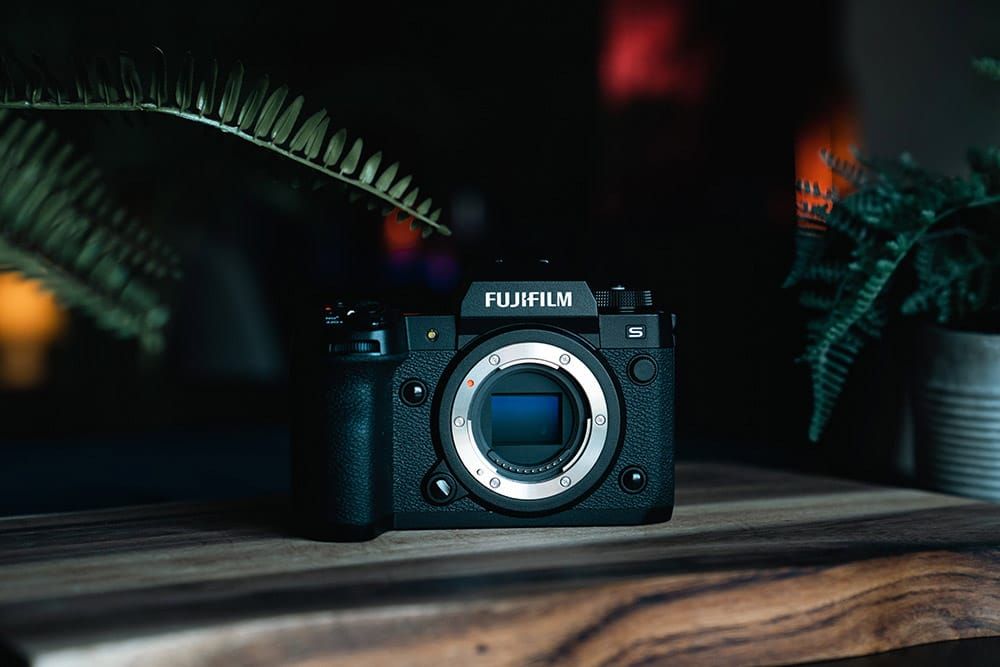
Fujifilm posted a record first quarter, with imaging now the single most profitable part of the entire company. Buried in the same report is a number worth paying closer attention to than the headline growth figures: the company's estimate for how much rising memory chip prices will cost it this year just more than doubled, from about $69 million to $157 million (¥11.0 billion to ¥25.0 billion), and cameras are explicitly named as one of the products absorbing that hit.
The Business Is Genuinely Strong

Fujifilm Holdings recorded about $5.2 billion (¥826.5 billion) in group revenue for the April-June quarter, up 10.3% year over year and a record for a first quarter. Group operating income actually fell 32% to roughly $320 million, dragged down by heavy upfront costs in biopharmaceutical manufacturing and restructuring in the office equipment division, but that's a story about other parts of the company, not imaging.
The Imaging segment itself posted revenue of about $1.06 billion (¥168.8 billion), up 16.2%, with operating income rising 3.9% to roughly $270 million. That makes Imaging the single largest profit contributor across all of Fujifilm, ahead of the company's semiconductor materials business, despite representing only about a fifth of group revenue. Its 25.7% operating margin is the highest of any Fujifilm segment, and comfortably beats the imaging margins Canon and Sony reported for the same period.
Where That Growth Is Actually Coming From
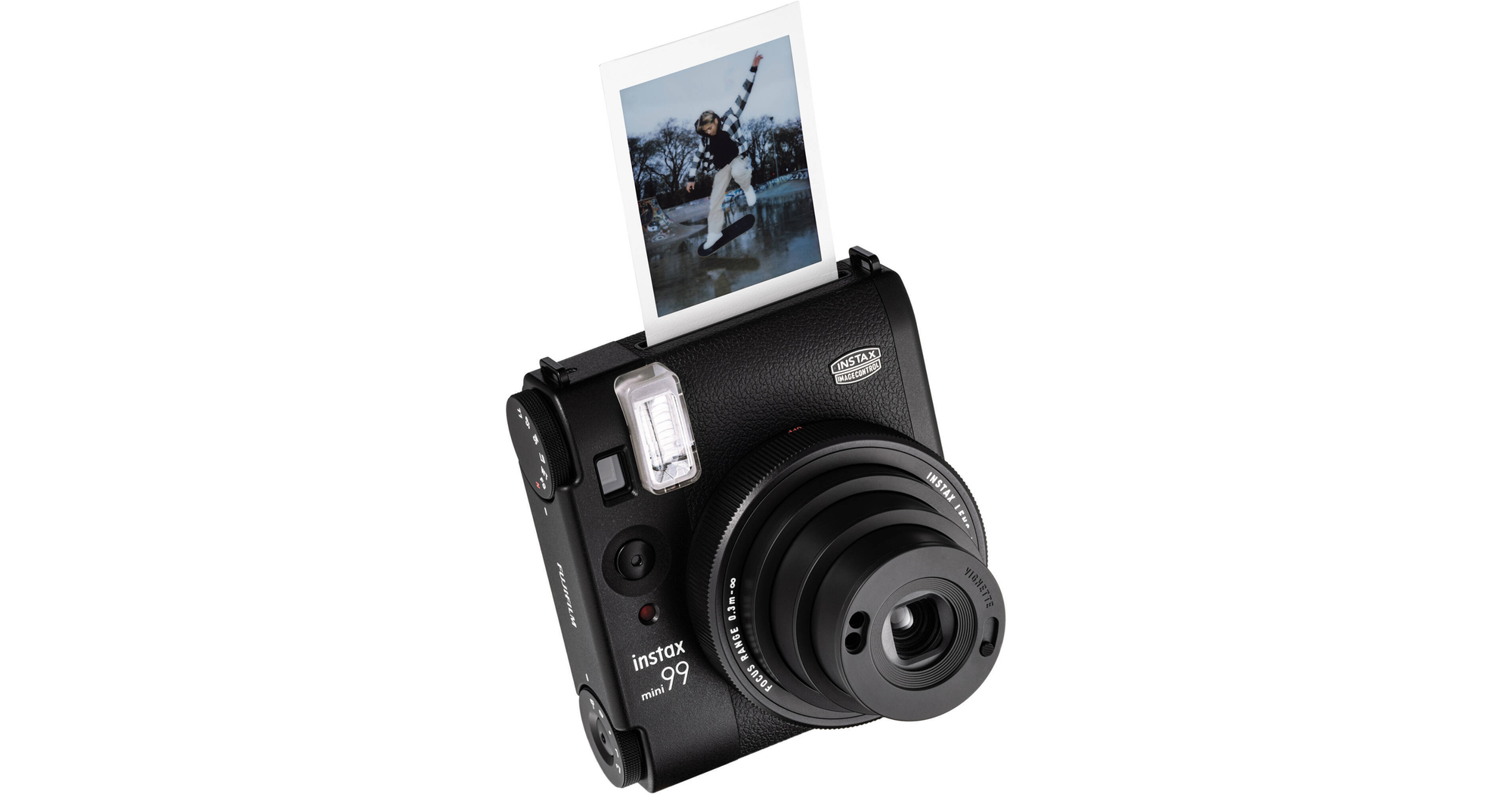
Within Imaging, the instax instant-photo business grew 25.1% to about $610 million, driven by mid-to-high-priced models like the instax mini Evo and instax WIDE 400, the April launch of the entry-level instax mini 13, and expanded film production capacity. That's a real, structural business advantage worth understanding: healthy instant-film profits give Fujifilm meaningful freedom to invest in large-format sensors, cinema camera development, and lens R&D, the more capital-intensive, lower-volume side of its imaging business.
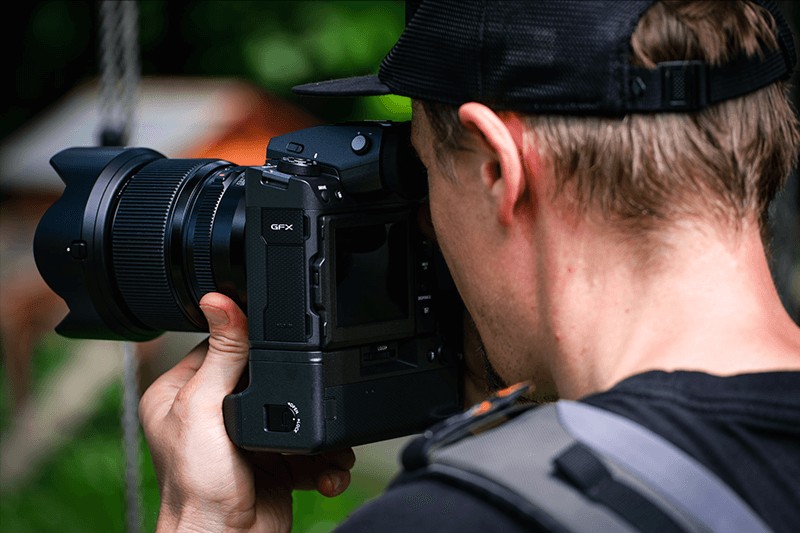
The Professional Imaging business, home to the X and GFX systems, grew a more modest 6.0% to about $450 million, with the X100VI, X-E5, and X-T30 III named as the strongest performers. Worth being precise here: excluding currency effects, Professional Imaging revenue actually declined about 4.6%, since this quarter compared against the launch window of two new bodies a year earlier. The weak yen did real work here, contributing roughly $67 million (¥10.6 billion) of positive effect to the Imaging segment's profit on its own.
The Memory Bill That Actually Matters to Buyers
This is the number worth sitting with. In May, Fujifilm projected rising memory and IT-component costs would cost the group about $69 million this fiscal year. Three months later, that estimate has jumped to roughly $157 million, more than double, after factoring in the latest round of memory chip price increases. The Imaging segment alone now carries about $88 million of that burden, up from roughly $38 million in the previous forecast, with instant photo systems and digital cameras explicitly named as the affected products.
Fujifilm says it will manage the impact through pricing measures and alternative component sourcing. "Pricing measures" already has a concrete, dated form: European price increases phased in from August 1 and taking full effect September 1, 2026, confirmed through authorized German dealer notices rather than an official Fujifilm statement. The X100VI takes the largest percentage jump, rising from roughly $2,080 to about $2,310. The GFX100 II rises about $580 to roughly $9,825. The X-E5, X-T50, and X-S20 each increase by about $115, along with their kit variants. This follows a US price increase Fujifilm already implemented last year.
Why This Reads as Real Cost Pressure, Not Opportunism

Context matters here. Against an $88 million memory bill for the imaging business alone, and silver prices that averaged nearly 2.5 times higher this quarter than a year earlier (silver is a genuine input cost in traditional instant film production), these increases track closer to real, documented cost pressure than a company simply raising prices because demand is strong. Fujifilm quantifying the memory shortage's cost this specifically and this bluntly is more transparent than most manufacturers have been about the same underlying pressure.
What This Means If You're Buying

If an affected model, the X100VI, GFX100 II, X-E5, X-T50, or X-S20, is already on your list, purchasing before September 1 saves a real, specific amount, up to roughly $580 on the GFX100 II specifically. This is the same broader memory-price story affecting camera pricing across the industry this year, but Fujifilm's report is unusually specific about both the dollar impact and the exact date the increase takes effect.
Competitive Context
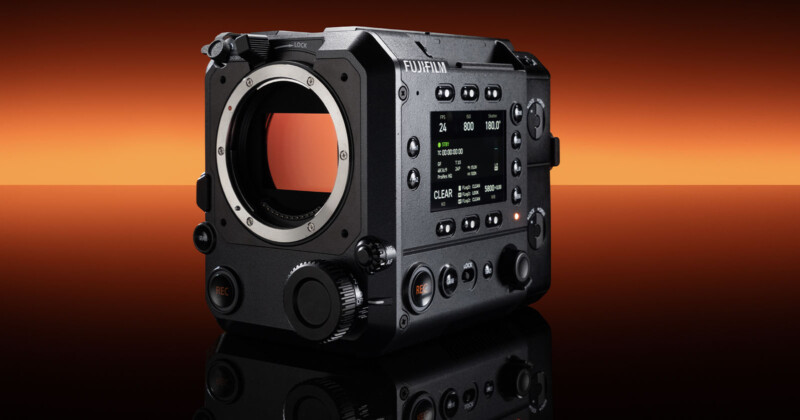
Fujifilm's earnings complete a pattern that's now visible across the whole industry this quarter: Canon posted record imaging revenue while selling fewer units at higher prices, Sony's growth came primarily from smartphone sensors rather than cameras directly, and Fujifilm's instax business is now explicitly funding its cinema camera ambitions (the GFX ETERNA 55 remains Fujifilm's toehold in a market it hasn't yet gained real traction in). Across all three companies, the throughline is the same: camera businesses are genuinely thriving, and rising memory component costs are a real, quantified pressure every manufacturer is now passing through to buyers in some form.
The Signal in the Noise

Fujifilm's imaging business is having a genuinely excellent run, record revenue, the highest margin of any segment in the company, and a full-year forecast raised despite the cost pressure. But the more useful takeaway for anyone actually shopping isn't the growth story, it's that the memory shortage cost estimate doubling in three months is a concrete, quantified signal that camera prices are still adjusting upward across the industry, not settling. If you've been waiting on a specific Fujifilm body, the September 1 deadline is a real, dated reason to stop waiting.
Are rising component costs changing how or when you're buying gear this year? Curious what you're seeing, drop it in the comments.
Resources & Reads
- FUJIFILM Cameras Are Selling Like Never Before – Imaging Is Now the Group's Biggest Earner — Coverage on CineD
- FUJIFILM Holdings Investor Relations Materials
- Fewer Units, Higher Prices: What Canon's Earnings Say About Where Cameras Are Headed — BRC
- Why Sony's Record Profits Might Mean a Longer Wait for Your FX5 — BRC