Google's New Gemini Omni Flash Brings Cheap, Conversational AI Video Editing to Developers
Google's new Gemini Omni Flash lets developers edit AI-generated video through conversation, paired with the faster, cheaper Nano Banana 2 Lite image model. Here's what's new and what it costs.

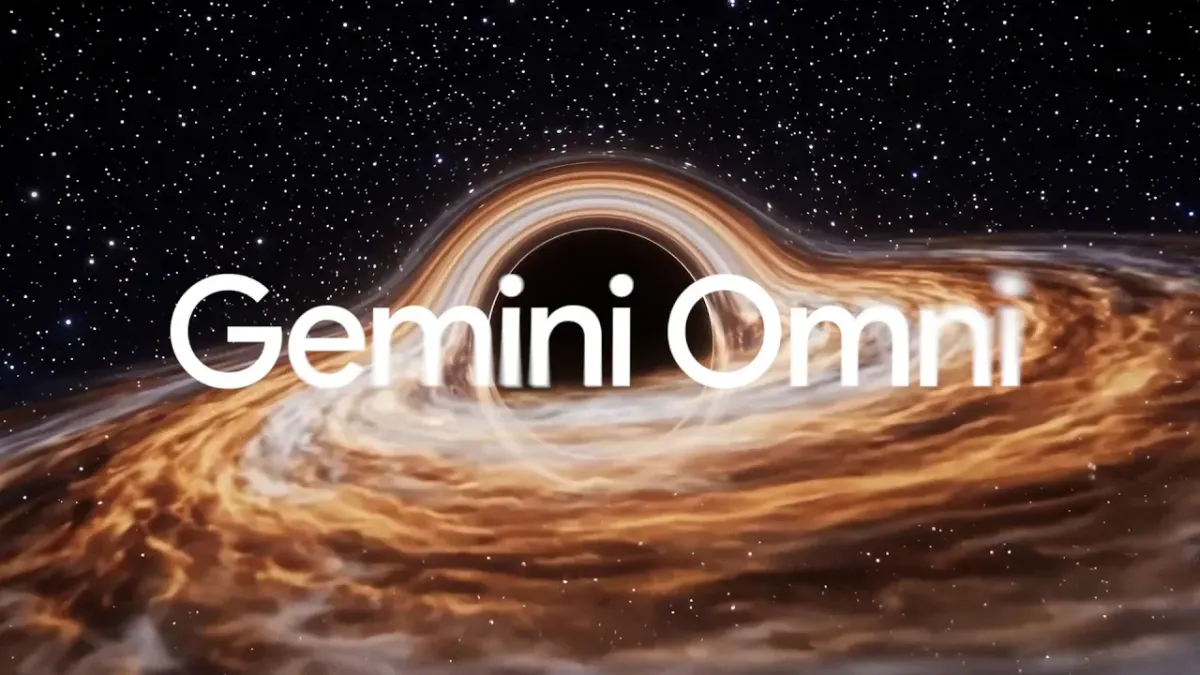
Google just opened up two new generative media models to developers: Nano Banana 2 Lite, a faster and cheaper image model, and Gemini Omni Flash, a video generation and editing model that lets you make changes through natural conversation rather than re-prompting from scratch. Together, they're aimed at making AI-generated image-to-video workflows faster, cheaper, and easier to chain together.
Nano Banana 2 Lite: built for speed and volume
Nano Banana 2 Lite is positioned as the fastest, most cost-efficient model in Google's Nano Banana image family, designed for high-volume pipelines where speed and cost matter more than maximum fidelity. It generates text-to-image outputs in about 4 seconds and costs $0.034 per 1K-resolution image — Google is pitching it as the direct upgrade path for anyone still on the original Nano Banana model.
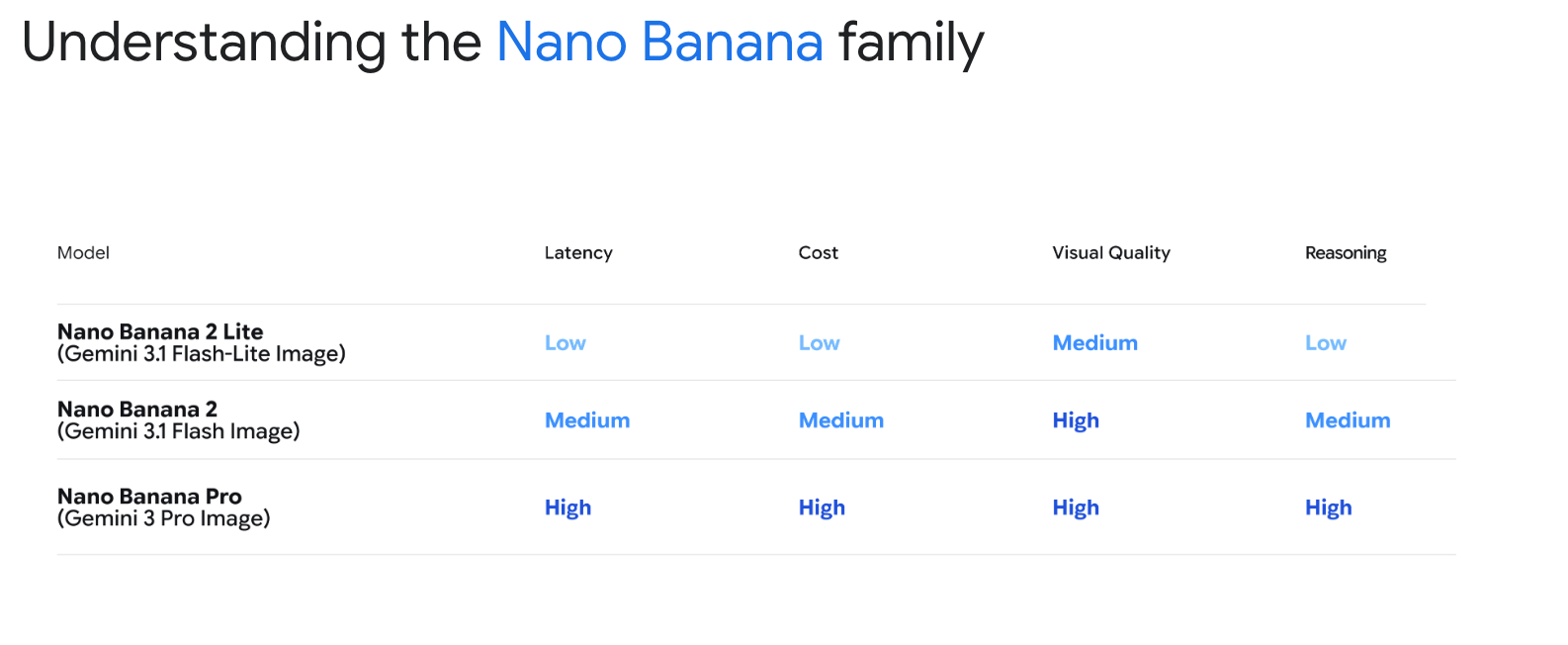
For context on where it sits in the lineup: Nano Banana 2 Lite is the speed-optimized option, Nano Banana 2 is the general-purpose workhorse balancing quality and cost, and Nano Banana Pro is built for complex professional work where accuracy matters more than speed. Despite the speed focus, Google says Lite still holds onto reliable prompt adherence, character consistency, and legible in-image text rendering — the kind of detail that tends to break down first when image models get optimized purely for speed.
It's live now in Google AI Studio, the Gemini API, and Gemini Enterprise Agent Platform, and it's also rolling out across consumer surfaces: AI Mode in Search, the Gemini app, NotebookLM, Google Photos, Stitch, Google Flow, and Google Ads.
Gemini Omni Flash: video editing through conversation
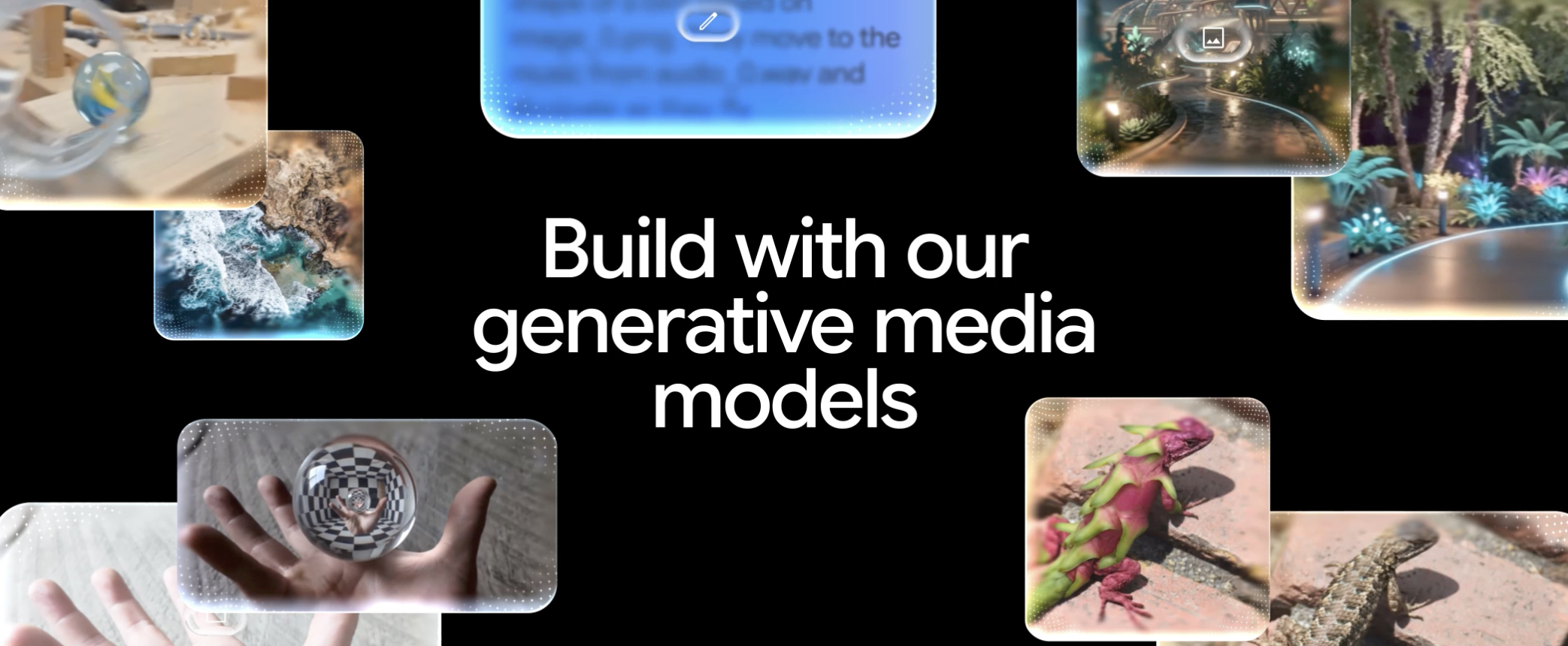
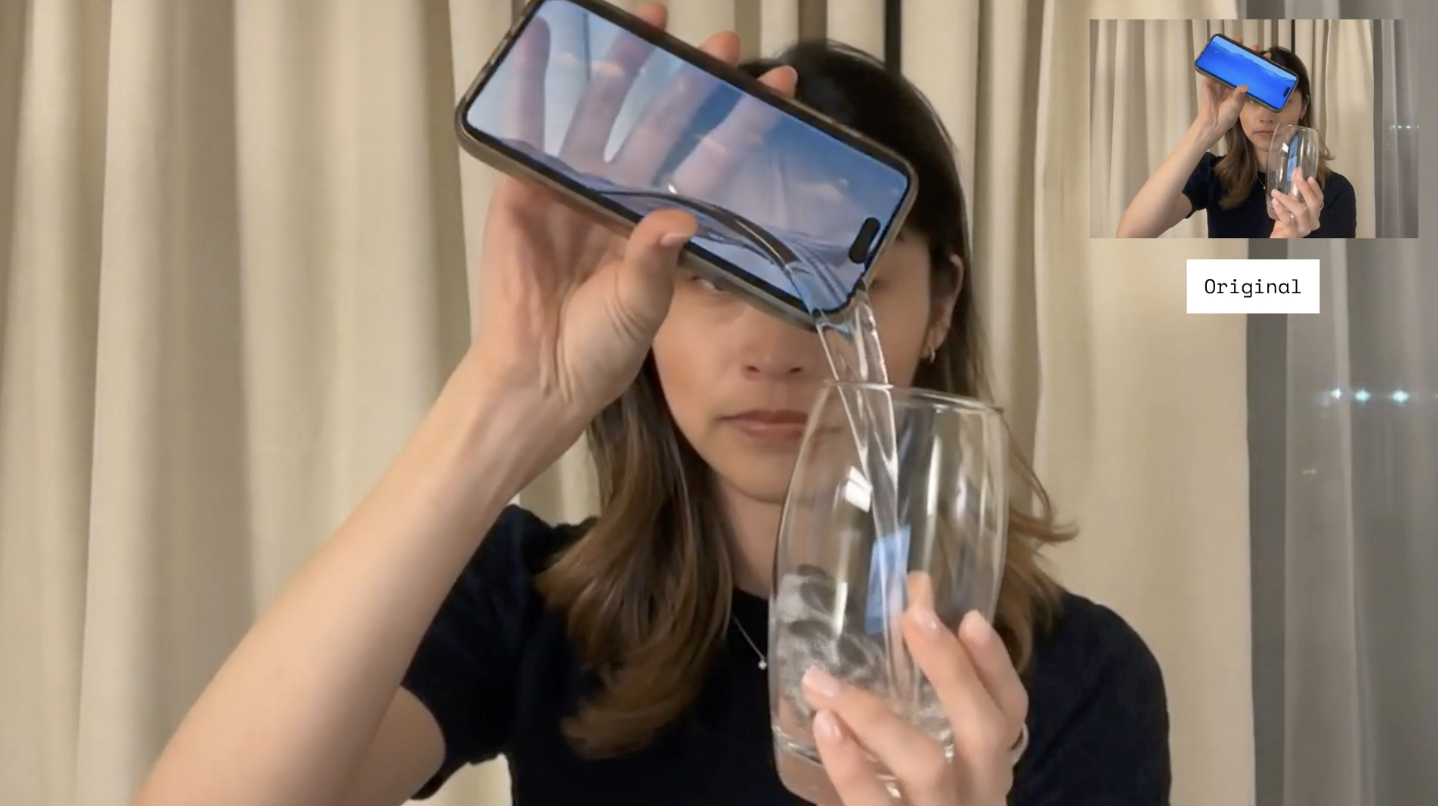
This is the more interesting one for anyone working in video. Gemini Omni Flash, first introduced at Google I/O, is now rolling out to developers through the Gemini API and AI Studio. It supports high-quality video generation and conversational editing from a mix of text, image, and video inputs — meaning you can describe a change in plain language and have it applied to existing footage rather than starting a new generation from scratch.
Pricing is notably aggressive: $0.10 per second of video output, matching Veo 3.1 Fast exactly.
A few specific capabilities worth knowing:
- Conversational editing — refine a generated video through natural-language follow-up requests rather than rebuilding the prompt
- Multimodal referencing — combine images, text, and video inputs together to maintain consistency across a scene
- Real-world knowledge grounding — the model draws on Gemini's broader knowledge (history, biology, narrative logic) when constructing scenes, which Google says produces more coherent results than a model with no grounding
- Text-and-action sync — connect on-screen text or graphics directly to actions happening in the video through simple prompting
Real limitations worth knowing before you build on it
Google is upfront about a few constraints in this preview: video generations currently cap at 10 seconds, with longer durations promised later. Uploading audio references and scene extension aren't supported in the API yet. Video references are accepted by the API but not correctly processed if longer than 3 seconds. And character consistency has real limitations across scene changes or panning movements — something Google says it's actively working to improve.
Chaining the two models together
The actual workflow Google is pushing: use Nano Banana 2 Lite to rapidly generate a still image, then pass that image into Gemini Omni Flash as a reference to animate it into video. Using the Interactions API, that workflow can maintain session history across up to three sequential edits in a single conversational thread.
Google built three demo apps to show this off: Anywhere (turns a selfie into a photo at iconic landmarks, then animates the result), Space Lift (reimagines a room photo into multiple design concepts, then turns the chosen one into a cinematic video walkthrough), and Omni Product Studio (converts product stills into e-commerce video).
Watermarking and verification
Both models use SynthID watermarking, with verification available through the Gemini app, Gemini in Chrome, or Search — part of Google's broader push to make AI-generated content identifiable across the web.
Key Specs:
- Nano Banana 2 Lite latency: ~4 seconds per text-to-image generation
- Nano Banana 2 Lite cost: $0.034 per 1K-resolution image
- Gemini Omni Flash cost: $0.10 per second of video output (matches Veo 3.1 Fast)
- Gemini Omni Flash max duration: 10 seconds (longer durations coming)
- Availability: Google AI Studio, Gemini API, Gemini Enterprise Agent Platform; Omni Flash also in Gemini app and Google Flow
- Multi-turn editing: Up to 3 sequential edits via Interactions API
- Watermarking: SynthID on both models