The AI Film Space Just Got Its First Real Theatrical Test — and It's Coming From a YouTuber
Gossip Goblin's AI feature "Gods Don't Give Gifts" opens in several hundred U.S. theaters on October 30 — the first AI film with a real theatrical release, a real audience, and real commercial stakes. Here's why this one is different.

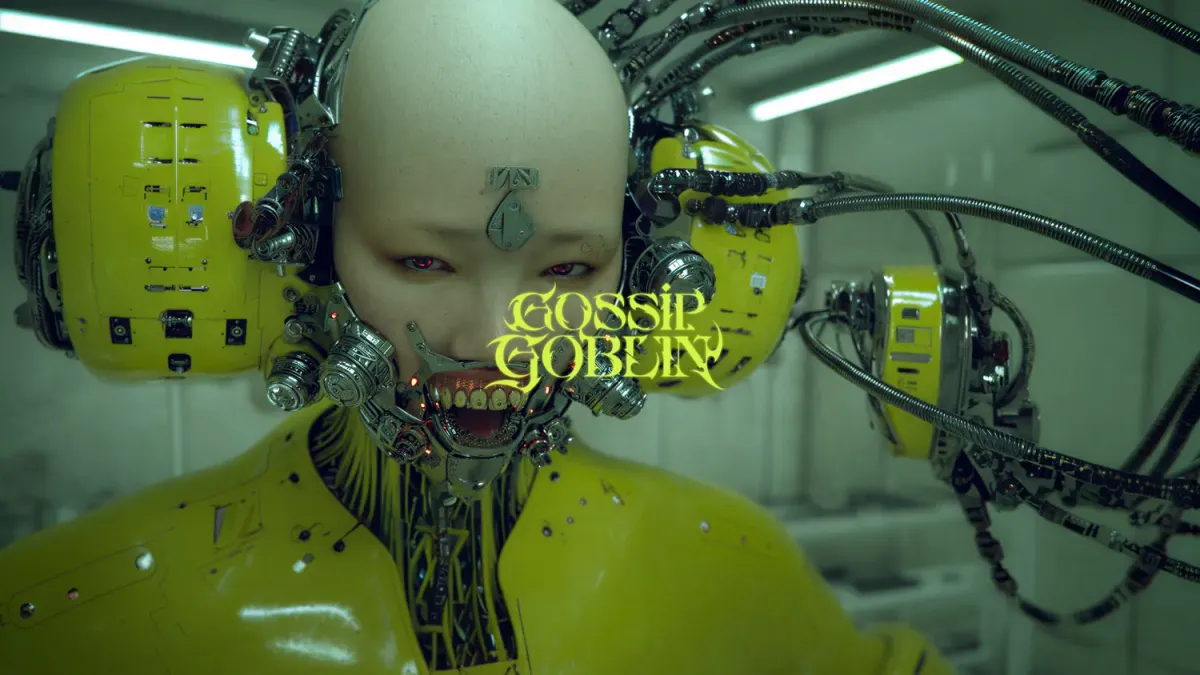
On October 30, 2026, an AI-generated feature film called "Gods Don't Give Gifts" will open in several hundred U.S. theaters. It's directed by Zack London, better known online as Gossip Goblin — a YouTube and Instagram creator whose channel has 1.4 million subscribers and whose shorts have accumulated more than one billion views. The film is produced by Fable, the Amazon-backed AI studio run by Edward Saatchi.
This is the most interesting AI film announcement of the year, and not primarily because of the technology involved.
What "Gods Don't Give Gifts" actually is
The film is a sci-fi anthology — four shorts that expand London's existing "Second Cycle of Humanity" universe, a transhumanist worldbuilding project he's been building across YouTube shorts for years. The premise: humanity has conquered death and memory through technology, and the film traces what that does to people, societies, and the concept of being human. It's horror-tinged sci-fi, consistent with Gossip Goblin's existing aesthetic — grotesque, satirical, anxious about the technological future.
A preview short called "Pomegranate" released today on the Gossip Goblin YouTube channel, giving audiences their first look at what theatrical-scale AI filmmaking from this team looks like.
Importantly: the film uses human voice actors, musicians, and Foley artists alongside AI visual generation. London's framing is explicit — story and world-building come first, AI is a production tool rather than the main attraction. Fable CEO Edward Saatchi calls the theatrical release a commercial test, measuring critics' scores, box office results, and audience response to determine what AI filmmaking can actually achieve with a paying audience.
The Markiplier comparison is the right one
IndieWire noted that London is borrowing the self-release approach from Markiplier, the YouTube creator who self-released "A Heist With Markiplier" and demonstrated that a large enough digital audience could convert into ticket buyers for original theatrical content. The formula: build a dedicated fanbase on YouTube over years, then test whether that fanbase will cross platforms for a larger experience.
Gossip Goblin's channel has 1.4 million subscribers. Including adjacent audiences across YouTube and Instagram, Fable says the total reach exceeds 600 million views, rising to nearly one billion including indirect reach. Whether that audience translates to ticket sales is the actual experiment here.
Why this is different from the other AI film announcements
We've covered a significant number of AI film projects in recent months: Ash Koosha's "Odysseus: The Fall," Neill Blomkamp's NIGHTBORNE, Fountain 0's Tilly Norwood feature announcement, Promise AI's Hollywood writer pairings. What sets "Gods Don't Give Gifts" apart from most of them is that it has a release date, a distribution plan, and an existing audience with a demonstrated track record of showing up.
Koosha's "Odyssey" was released on a pay-per-view basis on the same day as Nolan's film — a deliberate provocation with a real product behind it. Blomkamp's NIGHTBORNE went on YouTube for free. Tilly Norwood's feature doesn't exist yet. "Gods Don't Give Gifts" is opening in several hundred theaters on a specific date to an audience that's been primed by years of free short content. That's a materially different situation from every other AI film story we've covered.
The question Fable is actually asking
Saatchi's framing of this as a "commercial test" is worth taking seriously. The metrics he's cited — critics' scores, box office, audience response — are the same metrics any theatrical release gets measured by. Not "is this impressive for an AI film?" but "is this a film people want to watch?"
That's a higher bar than what AI filmmaking has been held to so far. The AI film conversation has been dominated by technology demonstrations, controversy, and philosophical argument. October 30 will be the first meaningful data point on whether AI filmmaking can produce something an audience will pay for.
The Signal in the Noise
The AI film space has had no shortage of announcements and no shortage of controversy. What it hasn't had is a real theatrical release with a real audience, real ticket sales, and real critics. Gossip Goblin's "Gods Don't Give Gifts" is the first genuine test of whether the years of AI filmmaking experimentation have produced something audiences will actually show up for. Whether they do — and what the reviews say — is the story that matters, not the announcement.