This AI Filmmaker Dropped His Own Version of "The Odyssey" on the Same Day as Nolan's Epic — But Is It a Triumph or a Disgrace?
Ash Koosha's AI-generated "Odysseus: The Fall" drops today — the same day as Nolan's $250 million "The Odyssey." Fountain 0 is transparent about why. Here's what to make of it.

Christopher Nolan's "The Odyssey" opens in theaters today. It cost approximately $250 million to make, stars Matt Damon, Tom Holland, Zendaya, Anne Hathaway, Robert Pattinson, and Charlize Theron, and has been in production for years. It was shot entirely on IMAX 70mm film — the first feature ever to do so — and is widely expected to be one of the biggest films of the year.
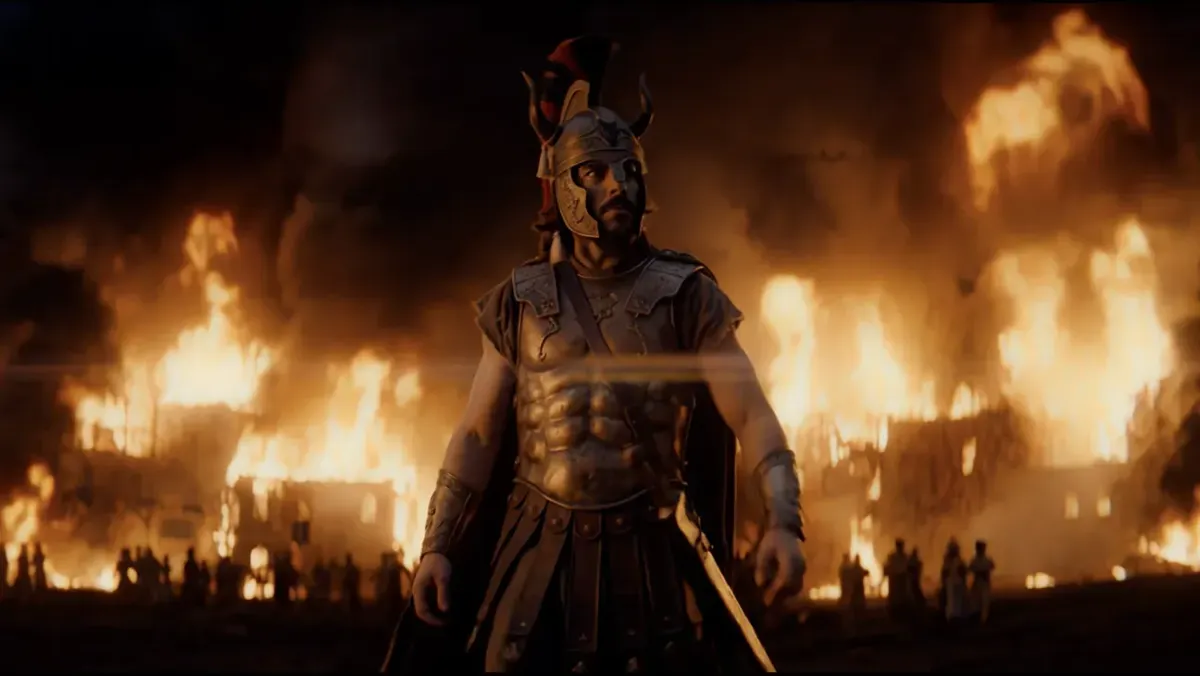
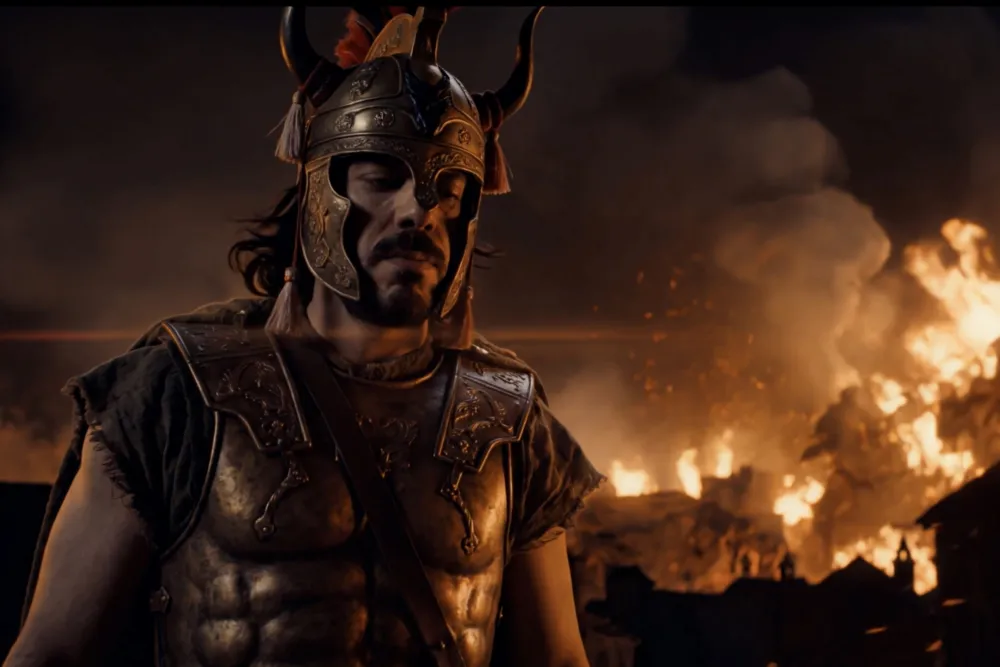
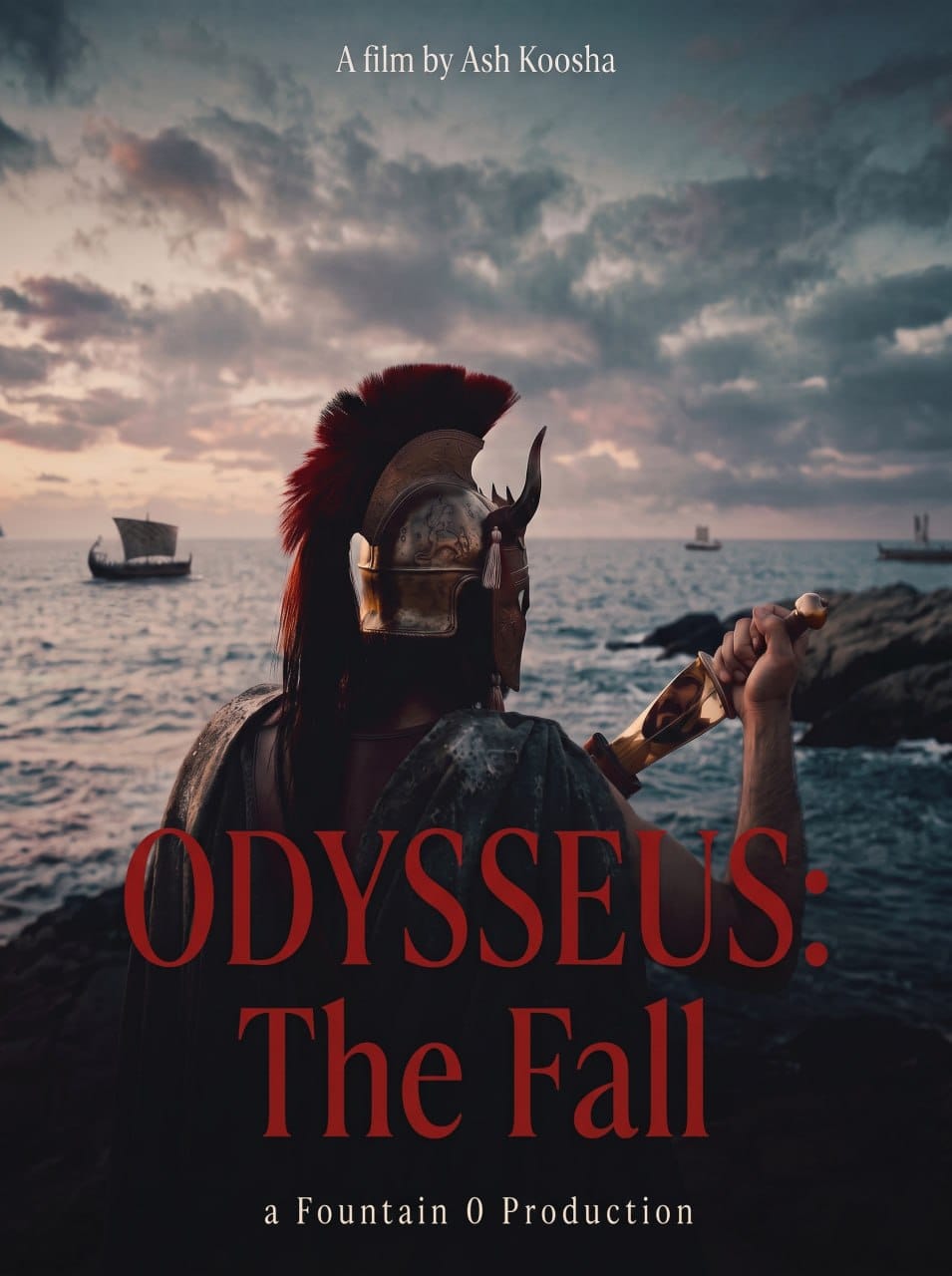
Also releasing today: a different version of "The Odyssey," made by one filmmaker from his apartment in London, using AI tools, for a budget in the mid-five figures. It's called "Odysseus: The Fall," it's 135 minutes long, and its release date is not a coincidence.
Who made it and why
"Odysseus: The Fall" is the second feature from AI film studio Fountain 0, directed by Ash Koosha — an Iranian-born filmmaker based in London who also directed Fountain 0's debut film "Dreams of Violets," a 75-minute AI-generated docudrama about the January 2026 Iranian protests that premiered at the Tribeca Festival last month. That film cost $2,000 to make and was accepted into Tribeca as the first fully AI-generated feature to screen at a major film festival.
Koosha says his obsession with Homer's Odyssey goes back to childhood, and that the project was in development alongside "Dreams of Violets" — he worked on both simultaneously over three months. The film centers on a specific interpretation of Odysseus: not the celebrated hero's welcome home, but the reckoning that follows. "It ends where the songs never go," per the official synopsis, "not with a hero's welcome, but with forgiveness offered by the one person who knows exactly what he is."
Like "Dreams of Violets," the film uses no actors, sets, or cameras. The script, images, character voices, and creative decisions are Koosha's. The visuals are generated by AI — specifically Kling, the Chinese video generation model that replaced Sora after OpenAI shut that model down earlier this year.
The timing is the strategy
Tom Rogers, executive chairman of Fountain 0, is candid about what the simultaneous release is meant to accomplish. The goal, per his statement, is to provide "a basis of comparison in the same time frame" — letting audiences experience both films and draw their own conclusions about where AI filmmaking currently stands relative to the highest level of human filmmaking achievement.
"We very much hope that Christopher Nolan's film is a raging success at the box office," Rogers said, "and in some way that our version of the journey of Odysseus is able to benefit from that success."
That's a transparent play, and it's worth sitting with. Fountain 0 is not claiming Koosha's film is a better film than Nolan's. They're claiming it's a useful comparison — that putting the two versions of the same story in front of audiences on the same day is itself the point, regardless of how the films compare aesthetically.
What Variety's critic actually thought of the first one
Before deciding what to make of "Odysseus: The Fall," it's worth knowing what happened when Variety's chief film critic Owen Gleiberman reviewed "Dreams of Violets" at Tribeca. His verdict was mixed at best. He described the film as having "an uncanny-valley problem" — an "existential drama that's all authentic but abstract moments," like "synthetic prize-winning photojournalism that moves." He acknowledged the AI visuals were often impressive on a technical level while arguing the film itself, as a piece of dramatic storytelling, didn't land.
His sharpest line: "If you wanted to be cynical about it, you could say that Ash Koosha is exploiting the tragedy of his homeland to have the best possible excuse to craft an AI showreel."
Koosha's own response to that kind of criticism has been consistent and worth quoting directly: "I understand that an AI-generated film about people who actually died raises difficult questions." He frames the film not as a technological exercise but as a memorial — the only way he could create something about events happening in a country he cannot enter.
The triumph-or-disgrace question
Here's where it's genuinely hard to land on a single answer, because the two questions Fountain 0's release strategy raises are actually separate.
Is it cynical to time an AI film's release to draft off a $250 million blockbuster's opening day attention? Yes, pretty clearly. Rogers isn't hiding that this is the strategy.
Is the underlying work — a filmmaker using whatever tools are available to tell a story that couldn't otherwise be told — something worth taking seriously? Also yes, based on what "Dreams of Violets" demonstrated at Tribeca, even accounting for its aesthetic limitations.
Koosha's argument is that AI is now just another way films get made, one he thinks audiences will inevitably accept. The more interesting version of that argument isn't about AI as a category — it's about access. "As a first-time film creator, there is no way I could have brought this film to fruition without what our AI tools enabled me to do," he said at Tribeca. That's a harder claim to dismiss than the broader "AI filmmaking is here" framing.
Whether "Odysseus: The Fall" is good — whether it clears the bar its predecessor set at Tribeca, or fails to — is a question that will get answered once reviews start coming in. For now, both versions of this story are in the world on the same day. That's the comparison Fountain 0 wanted. They got it.
Both films are available today: Nolan's "The Odyssey" in theaters worldwide; "Odysseus: The Fall" streaming via Fountain 0's website at $9.99 to rent.