Higgsfield Just Open-Sourced Its $500K AI Feature Film, Prompts and All
Higgsfield open-sourced every prompt and asset behind Hell Grind, its $500K, 95-minute AI feature. Here's what the data reveals, and the more complicated story behind the film's Cannes debut.

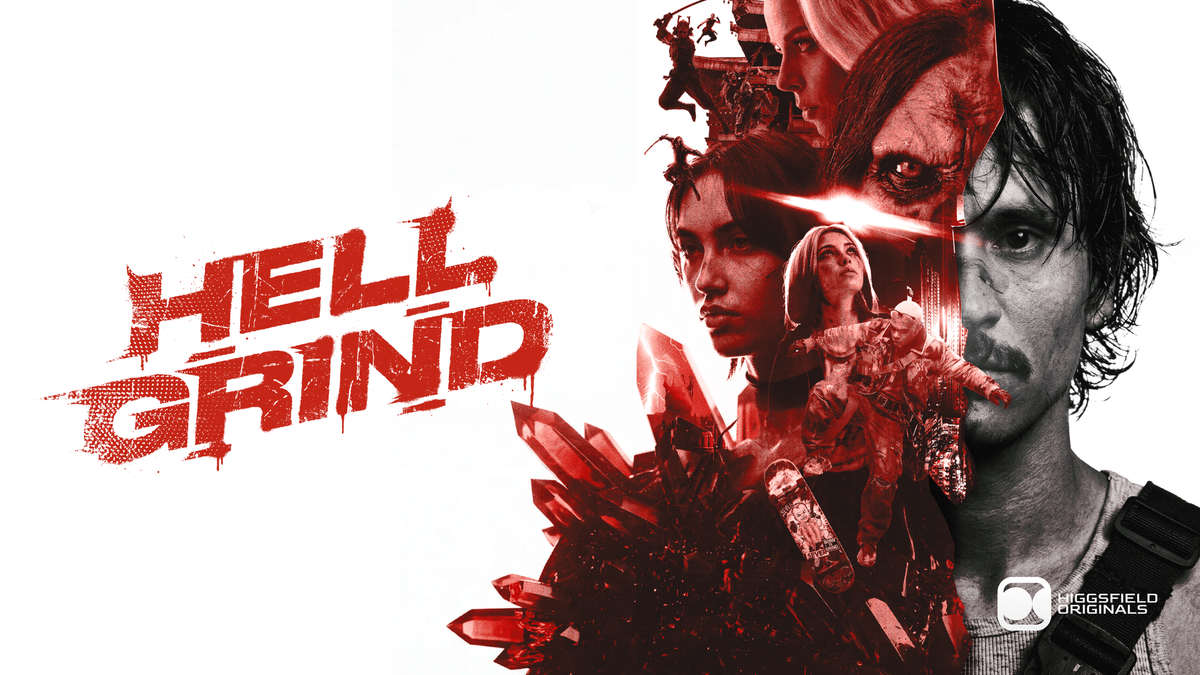
Higgsfield announced this week that Hell Grind, its 95-minute AI-generated feature, is now fully open-sourced for the company's own Higgsfield Global Film Festival, every prompt and asset used to make it now publicly available. It's a genuinely rare level of transparency for an AI film production, and worth understanding alongside the film's actual, more complicated backstory.
What Hell Grind Actually Is
Hell Grind is an action-fantasy heist film following four street thieves whose botched job accidentally opens a portal to the underworld, sending them on a chase through a Tibetan temple and feudal Japan. It was directed by Kazakh filmmaker Aitore Zholdaskali and co-written with Adilkhan Yerzhanov, a two-time Cannes Official Programme filmmaker, produced by a team of 15 professional directors, DPs, and editors over 14 days, using a mix of ByteDance's Seedance video model and Higgsfield's own tools.
The production numbers are genuinely striking: total cost came in under $500,000, with roughly $400,000 of that in compute costs. The first 25 minutes alone required 16,181 individual video generations to produce 253 final shots, a 64:1 curation ratio that gives a real sense of how much generation and selection work goes into finished AI feature footage, far more than a casual viewer would assume from watching the final cut.
The Cannes Framing Worth Getting Right
The first fully AI-generated movie just went viral in Cannes.
— Jade 💋 (@jade_defi) May 28, 2026
The film is called Hell Grind.
According to reports, it was made using Higgsfield AI in around 14 days, cost about $500,000 and roughly $400,000 of that went to compute.
For context, a traditional Hollywood feature… pic.twitter.com/9jvLxgzd0C
Hell Grind screened at the Marché du Film, the Cannes Film Festival's industry marketplace, not the official festival program, which does not accept wholesale AI-generated films. That distinction matters, and it's worth noting that Higgsfield's own earlier messaging around the film's debut in May contributed to real confusion on this point, headlines and social posts describing it as "premiering in Cannes" without clarifying market versus official selection, prompting Cannes itself to publicly confirm to Futurism that the film was not part of the official program.
This week's announcement is worded more precisely, "screened in Cannes Market", which is accurate. Worth flagging the earlier pattern anyway, since it's part of the film's actual public record and relevant context for how to read Higgsfield's promotional claims generally.
How It Was Actually Received

Coverage from The Wall Street Journal, Variety, and BBC News is real, but "drew coverage from" is doing some work in that framing. Variety's own review described the plot as nonsensical and called the film's look "ghastly," while acknowledging the technical achievement of sustaining character and world consistency across a full feature length. Higgsfield's own CEO, Alex Mashrabov, has been candid that the goal wasn't Hollywood-quality storytelling, it was demonstrating whether AI video could sustain a complete feature at all, a test of technical capability more than a narrative achievement.
That's a genuinely useful distinction: Hell Grind is a legitimate proof-of-concept for long-form AI production feasibility, not a film industry insiders are holding up as a creative success. Both things are true at once, and neither undercuts the other.
What Open-Sourcing It Actually Offers
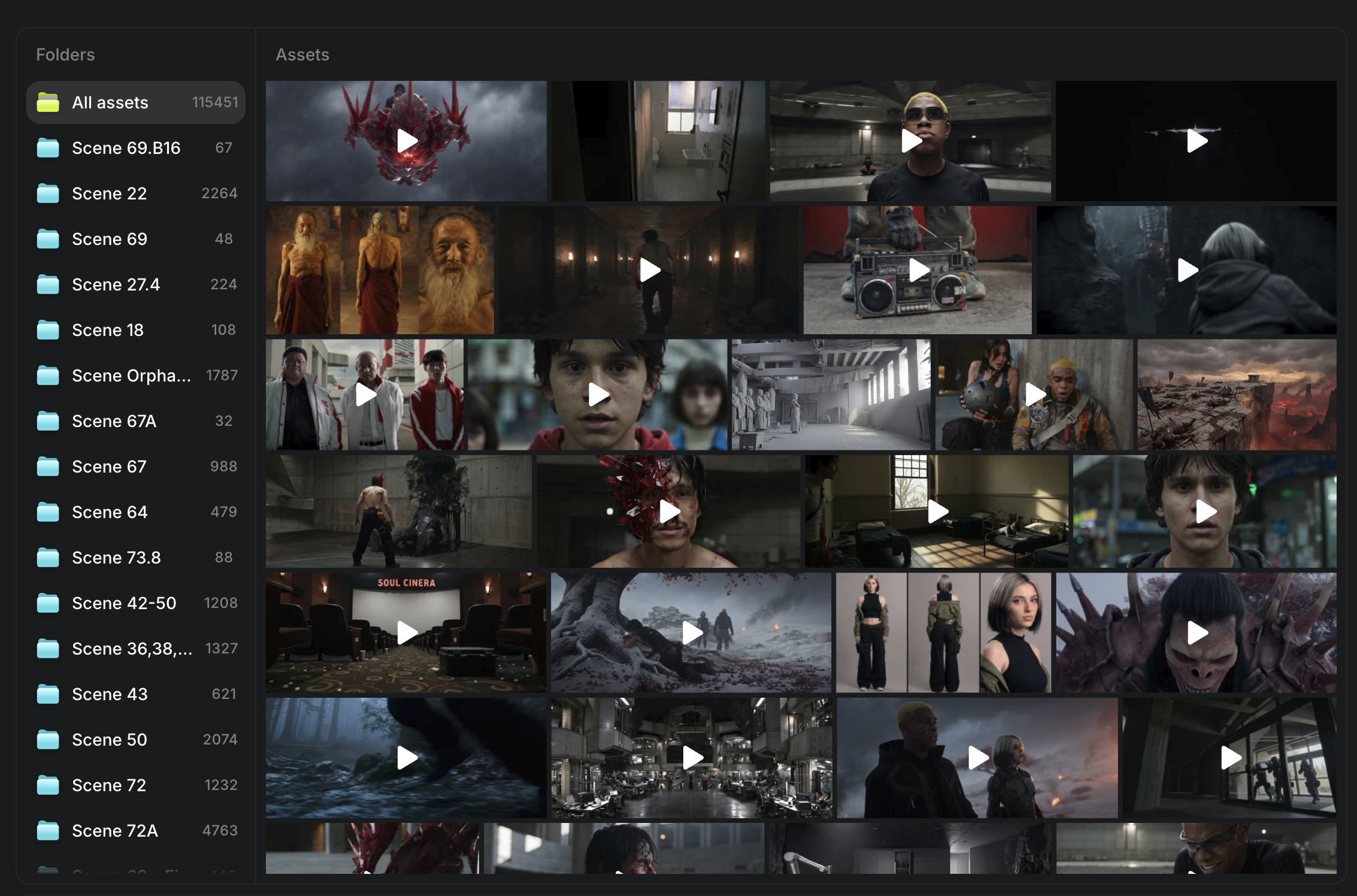
Making the full prompt library and production assets public is a meaningfully different move than typical AI film marketing. For anyone studying long-form AI video production specifically, this gives real, inspectable data: what prompts actually produced usable results, how the 64:1 generation-to-final-shot ratio broke down in practice, and how a 15-person team structured a 14-day production pipeline across multiple AI tools.
That's a genuinely valuable dataset for the AI filmmaking community, closer to the kind of open case study this beat has been looking for when discussing where AI filmmaking careers and production pipelines are actually headed.
The Signal in the Noise
Hell Grind is a real, useful data point in the broader question of what AI filmmaking is actually accomplishing right now, not because it's a great film, most coverage agrees it isn't, but because it's a documented, now fully transparent example of what it actually takes to produce 95 minutes of AI-generated narrative content: real budget, real curation ratios, real production discipline, and real limitations that are honestly acknowledged rather than glossed over. Open-sourcing the entire process is a genuinely useful contribution regardless of how the finished film reads critically.