Higgsfield's Supercomputer Wants to Be Your Entire AI Film Crew. Here's How That Actually Works.
A creator built a 4-agent AI filmmaking crew, screenwriter, image generator, video generator, and director, inside Higgsfield's Supercomputer. Here's how the workflow actually worked, and what it costs.

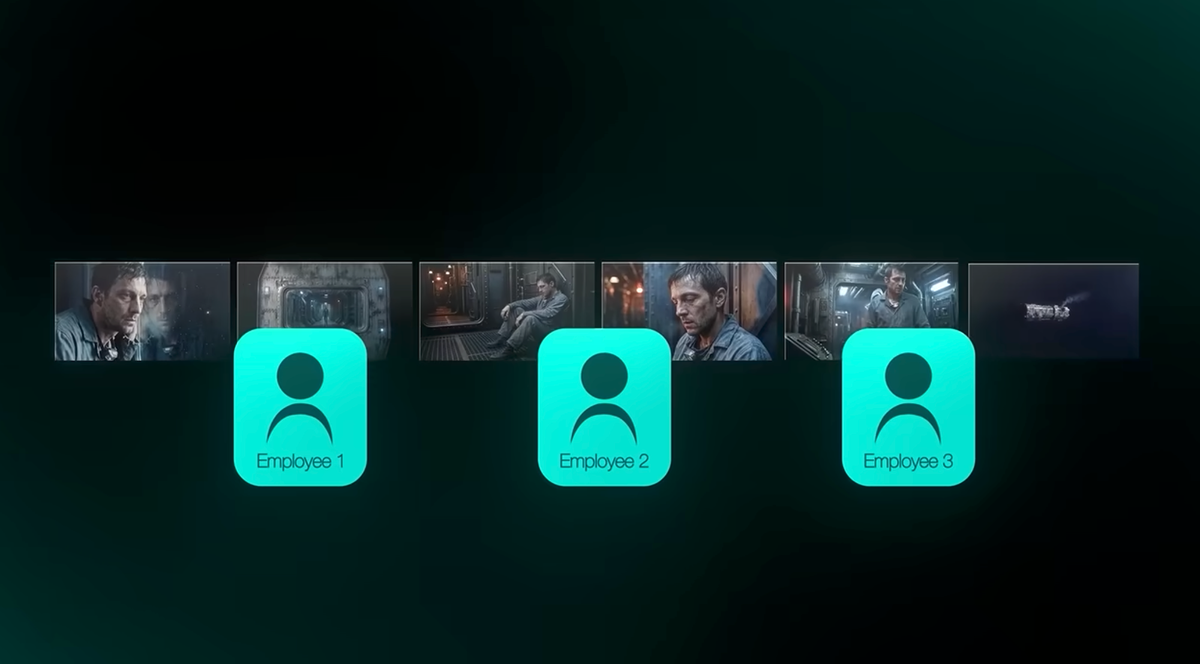
Creator Mira AI recently walked through building a short sci-fi film using four separate AI "crew members," a screenwriter, an image generator, a video generator, and a cinematic director, all coordinated inside Higgsfield's Supercomputer platform. It's a genuinely different structure than the usual single-prompt AI video workflow, and worth understanding both what it actually is and what it actually costs.
What Higgsfield Supercomputer Actually Is
Supercomputer is Higgsfield's agentic orchestration layer, a system that routes work across multiple frontier language models (Claude Opus 4.7, Claude Sonnet 4.6, GPT-5.5 Pro, Gemini 3.1 Pro) and more than 30 image and video generation models (Seedance, Kling, Veo, MiniMax Hailuo, Higgsfield's own Soul and Cinema Studio tools) from a single chat interface. Rather than manually switching between separate apps for scriptwriting, image generation, and video generation, the agent layer picks the right underlying model for each task automatically, or lets you specify one directly.
Worth being precise about this: Supercomputer is Higgsfield's own product, built using Claude and other models via API and MCP (Model Context Protocol) connections, not an Anthropic product itself. Claude functions here as one of several available reasoning engines the orchestration layer can route work through.
How the "Crew" Structure Actually Worked
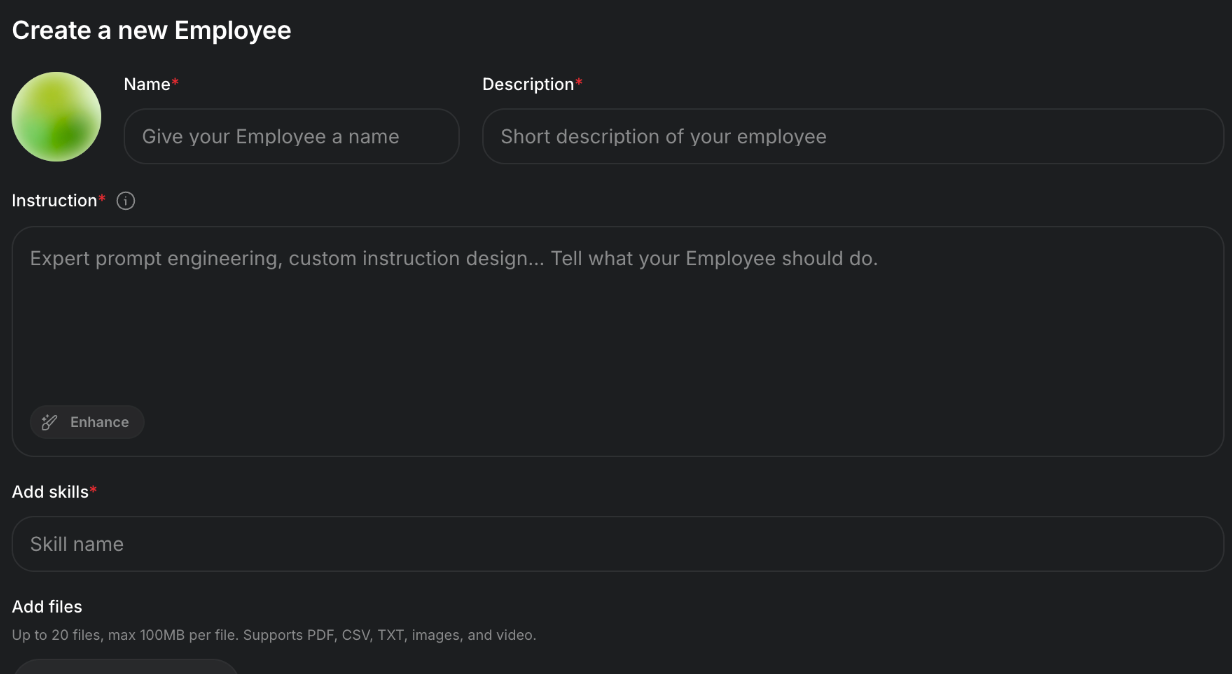
Mira AI's workflow assigned distinct roles to separate agent instances rather than treating the whole project as one undifferentiated conversation. A screenwriter agent, named "Sloan" in the video, was built with a specific creative constraint: every shot Sloan writes has to work as one still image plus one clear movement, a rule built directly into the agent's instructions to keep the output compatible with how the video generation step actually works.
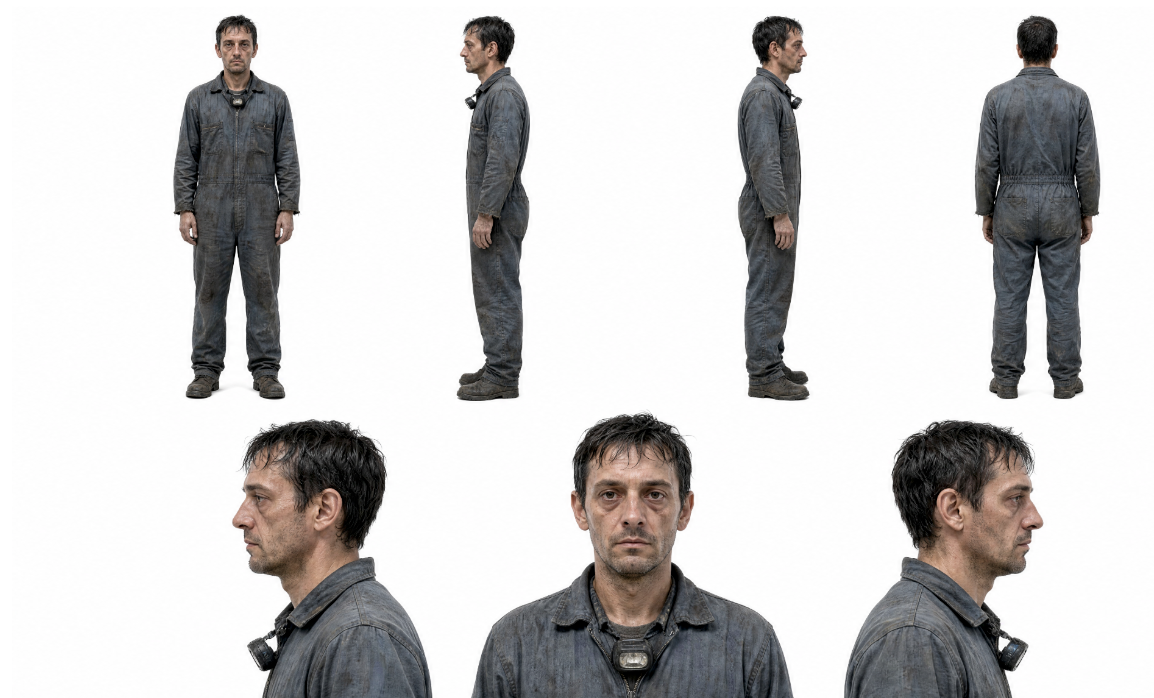
From there, an image generator agent produced multi-angle character reference sheets, images consistent enough across multiple angles to maintain the same character design through the project, using GPT Image 2 for the image generation step specifically. A video generator agent then used that reference material to drive the actual video output, with Seedance 2.0 handling generation in this particular workflow. A cinematic director agent oversaw visual consistency across the project, and the whole structure lived in a single ongoing chat rather than separate disconnected tool tabs.
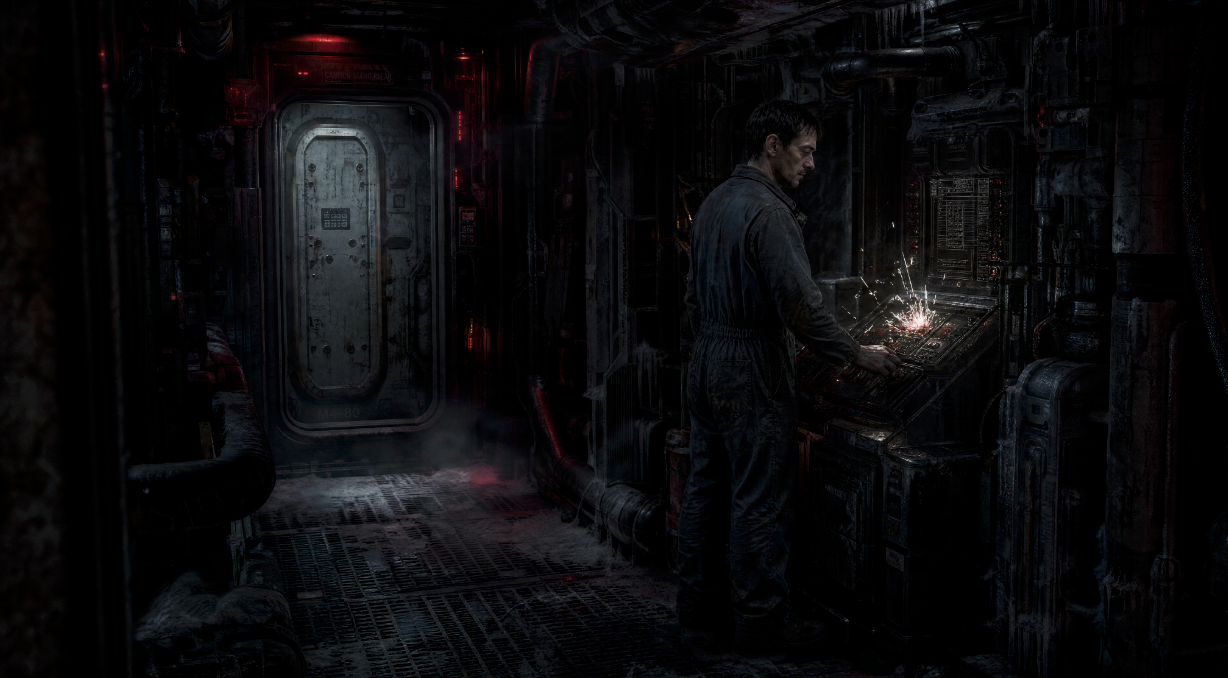
The project itself: a short sci-fi film about an isolated engineer named Elias aboard a dying spaceship, including collaborative troubleshooting between the creator and the agents on script and ending revisions as the project developed.
Why the Structure Matters More Than the Specific Project
The genuinely interesting part of this workflow isn't the finished short film, it's the underlying idea of giving each AI agent a distinct, persistent role with its own constraints, rather than treating an entire production as one long, undifferentiated prompt chain. That structure addresses a real, recurring problem in AI filmmaking: continuity and consistency breaking down as a project moves between separate, disconnected tools, exactly the kind of workflow fragmentation this platform is explicitly built to solve.
The Cost Question Worth Asking Before Trying This
Higgsfield hasn't published standard per-seat pricing for Supercomputer, but independent coverage has noted that a single 1080p render through the platform can run roughly $500 in compute. That's a genuinely significant number worth knowing upfront, this isn't positioned as a casual, low-cost experimentation tool, it's built for production teams and studios with real budgets, willing to trade labor hours for compute cost at scale.
For anyone considering this workflow, it's worth going in with a clear sense of the actual per-render economics before committing to a full project, rather than assuming a multi-agent structure means proportionally low individual costs.
Competitive Context
Supercomputer enters a small but growing category of agent-orchestration platforms for creative work, alongside things like Claude Cowork's own marketing-focused agent tooling.
What differentiates Higgsfield's approach specifically is depth of integration with its existing 30+ model catalog and its explicit framing around full creative production, script through finished video, rather than a narrower marketing or campaign-automation use case.
The Signal in the Noise
The multi-agent, role-based structure demonstrated here is a genuinely useful pattern worth understanding, regardless of whether Higgsfield's specific platform is the right tool for a given project. Giving a screenwriter agent explicit creative constraints, keeping a consistent character reference across image and video steps, and having a dedicated agent focused purely on visual consistency all address real, recurring failure points in less structured AI filmmaking workflows. Whether it's worth the real compute cost involved is a separate question, one worth answering based on actual budget and project scale, not the novelty of the workflow itself.
Have you tried a multi-agent approach to an AI film project, whether on this platform or built yourself? Curious how the role-based structure actually held up in practice, drop it in the comments.