What If the Secret to a Movie's Success Isn't the Story, But the Timing?
A new IndieWire analysis argues the real force behind creator-to-Hollywood crossovers isn't talent — it's compression. Here's what that means for anyone building an audience.


There's a theory floating around Hollywood right now that explains why certain creators jump from YouTube to movie theaters while others never make the leap — and it has almost nothing to do with subscriber counts.
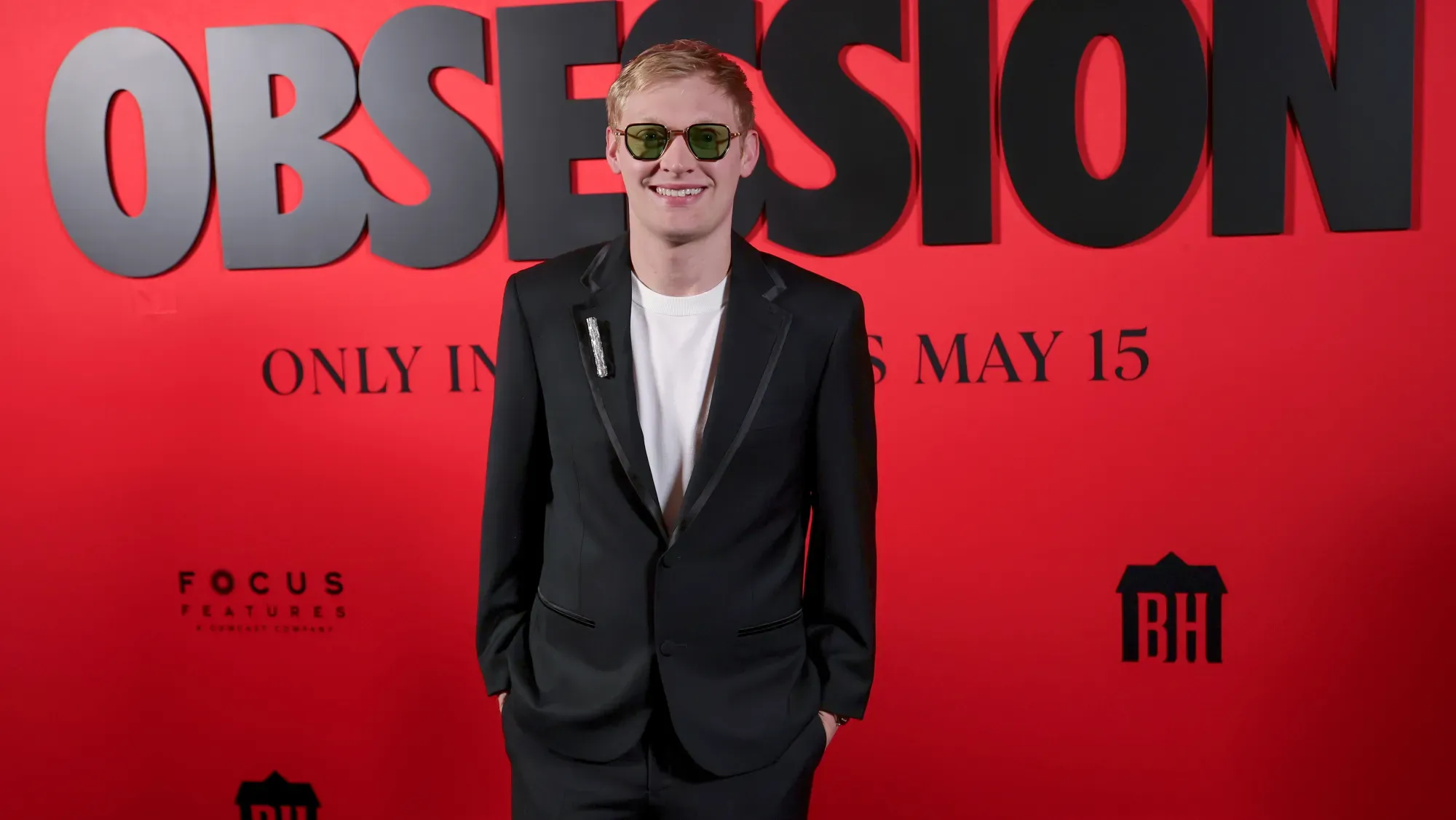
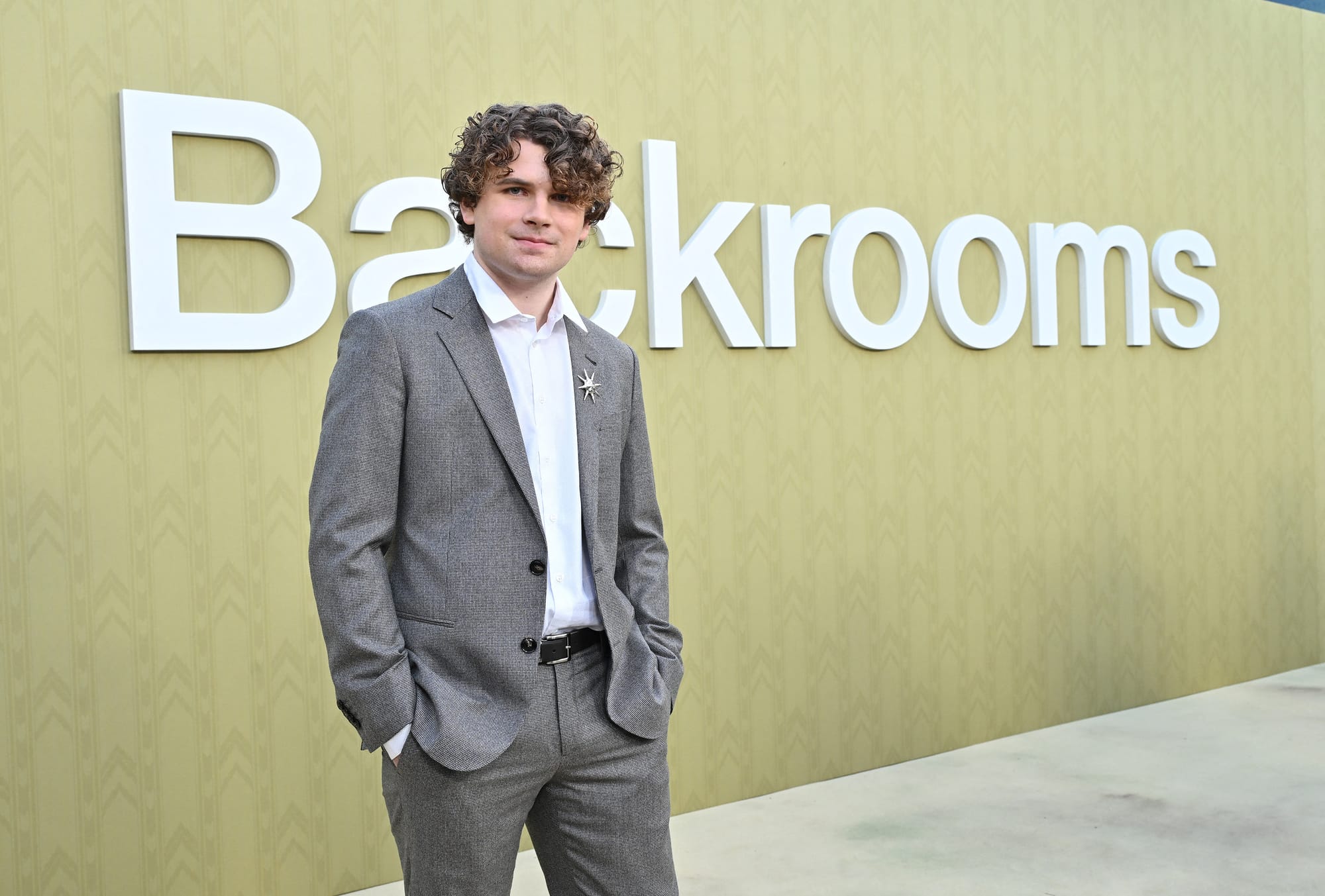
The concept is called compression, and according to a recent IndieWire analysis by editor-in-chief Dana Harris-Bridson, it's the real engine behind recent crossover hits like "Backrooms" (Kane Parsons) and "Obsession" (Curry Barker), as well as Issa Rae's vertical drama "Screen Time." If you work in content, social video, or creator-driven media — which is most of who reads this newsletter — this is worth understanding, because it reframes what actually makes something go viral.
What "compression" actually means
Compression is the concentration of audience attention into a window short enough that enough people experience something at the same time for it to matter. A film festival does this. A YouTube creator's loyal fanbase does this. A coordinated media buy does this. The mechanism varies, but the effect is the same: enough simultaneity to manufacture the feeling of a moment.
Harris-Bridson's point is that the YouTube-to-Hollywood pipeline isn't really about a creator's talent translating to a bigger budget — it's that creators like Parsons and Barker spent years building a compression mechanism (an engaged, primed audience) before their films ever opened. When the film dropped, the pressure that had built up over years got released all at once.
The Issa Rae example is the most useful one here
Rae's vertical drama "Screen Time," a TikTok co-production from her company Hoorae Media, hit 350 million global views in four weeks. That's not purely organic. Per the article, Hoorae cofounder Ian Schafer leaned into paid amplification and a deliberate promotional calendar to compress the release window artificially — essentially engineering the conditions for virality rather than waiting for it.
The line from Schafer that stuck out most: the actual product isn't the show itself, it's the clips, cutdowns, and vignettes that get cut from it — the pieces a brand or platform can fully control the distribution of. For a 60–90 second vertical drama format, that's a meaningful shift in how to think about what you're actually building when you make content.
Why streaming has the opposite problem
This is where it gets interesting for anyone thinking about distribution strategy. Compression only works if there's urgency — a reason to watch now. Streamers' infinite catalogs work directly against that. If a film or show is available forever, there's no "now," and Harris-Bridson points to data suggesting catalog titles, not new releases, are driving most viewing on platforms like Disney+ and Hulu. Netflix still manufactures some FOMO through algorithmic pushes and marketing spend, but it's expensive — and a 20-year-old episode of a library show is, from a business standpoint, just as valuable to keep someone subscribed.
The takeaway for creators and small teams
You don't need Hollywood's marketing budget to use compression. The underlying idea — build an audience over time, then concentrate a release into a tight, urgent window instead of letting it trickle out — applies just as well to a YouTube channel, a newsletter launch, or a niche content brand. The "virality" people chase is usually just compression with better PR.
Harris-Bridson's full piece digs deeper into the festival circuit's lost compression mechanism (Sundance used to do this for indie film) and is worth reading in full over on IndieWire — it's a sharp, fast read for anyone thinking about distribution strategy in 2026.