There's a New Jaws Documentary — and It's Asking the Question Every Filmmaker Should Be Asking About Classic Films
"Jaws Explored" just dropped its trailer — a new documentary that skips the making-of and asks why the film still works. Here's what it is, when it arrives, and the filmmaking lessons inside Jaws worth revisiting now.

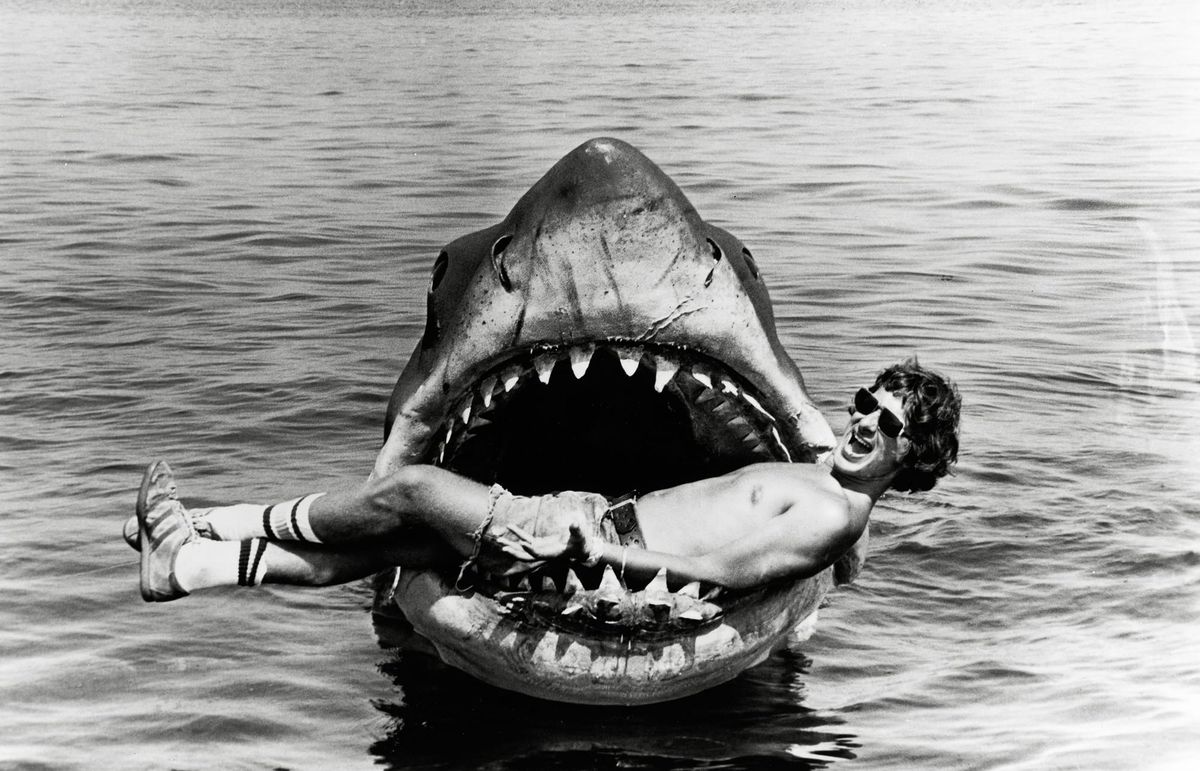
Actually, there are now two major Jaws documentaries in the world, and they're asking completely different questions.
The first — "Jaws @ 50: The Definitive Inside Story," directed by Laurent Bouzereau and authorized by Spielberg — premiered on National Geographic on July 10 and is streaming now on Disney+ and Hulu. It's the traditional authorized making-of: Spielberg himself, surviving cast and crew, rare archival footage, the full production chaos story. If you want to know what happened on that boat in 1975, that film is where you go.
The second one — "Jaws Explored," from CREATORVC and director Ian Nathan — just dropped its trailer today, is available for preorder now, and arrives Summer 2027. It's not a making-of. It doesn't want to tell you what happened. It wants to explain why the film still works.
That's a different question, and for filmmakers specifically, it might be the more useful one.
What "Jaws Explored" actually is
CREATORVC is the studio behind "Aliens Expanded," "The Thing Expanded," and the "In Search of Darkness" horror history series — documentaries built around deep scene-by-scene analysis rather than behind-the-scenes access. The "Explored" format extends that approach: 17 chapters, working through "Jaws" moment by moment, frame by frame, shot by shot, with filmmakers, critics, and experts explaining not what Spielberg did but why it works.
Director Ian Nathan describes the project's ambition plainly: "This is a documentary attempting the impossible — to reintroduce you to a lifelong friend. To transform your very understanding of Spielberg's masterpiece. This is not simply a documentary about Jaws, this is an entirely new way of exploring film."
Rather than Spielberg and surviving cast, the voices will be working filmmakers and specialists — editors discussing why a particular cut lands, composers explaining what the score is doing beneath the surface, shark experts comparing screen behavior to real animal science. CREATORVC's previous films in this format have featured contributors including Kurt Russell and Guillermo del Toro, though no cast has been announced for "Jaws Explored" yet.
Why this question matters for working filmmakers
"What happened on set?" is a great question. It's also ultimately a historical question — useful context, but not directly applicable to the next thing you make.
"Why does this specific cut work?" is a different kind of question. So is "why does Spielberg hold on that shot for exactly as long as he does?" and "what is John Williams doing harmonically in the moment before the shark appears that makes the appearance land so hard?"
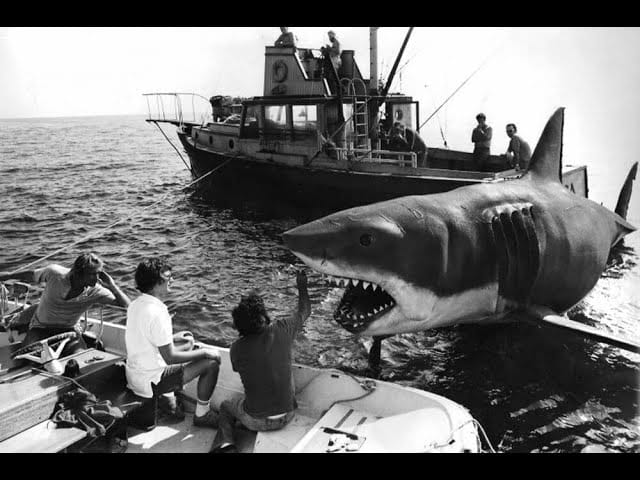
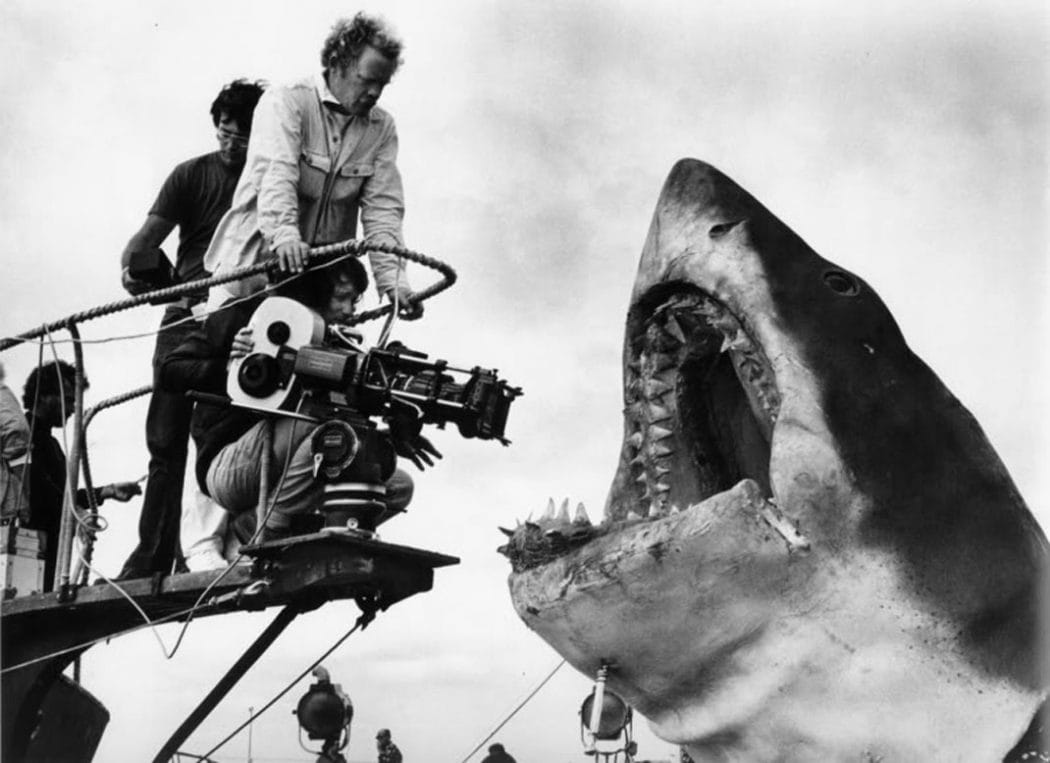
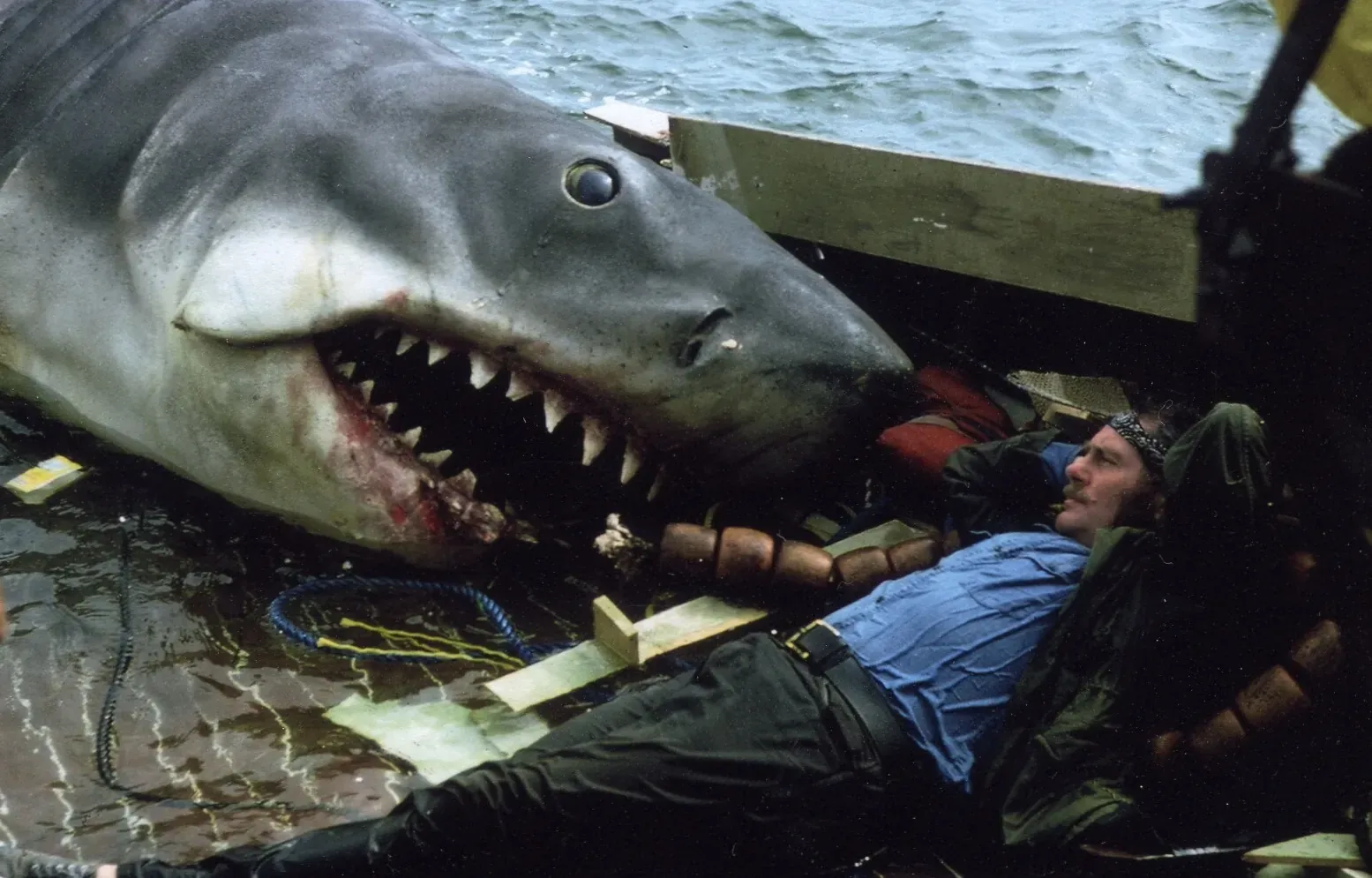
Those are craft questions. And "Jaws" is one of the densest craft objects in the history of cinema — a film with a malfunctioning mechanical shark that forced Spielberg to suggest rather than show, to build dread through implication rather than image, to let score and editing and performance carry weight that the practical effects couldn't. The famous result is that "Jaws" became a more frightening film because the shark didn't work. That's not just a fun production anecdote. It's a lesson about restraint, suggestion, and the gap between what an audience sees and what they feel — and it applies to any genre, any budget, any filmmaker.
A few things "Jaws" is still worth studying for
Since we're here, and since the documentary doesn't arrive until 2027:
The rule of suggestion over revelation. Spielberg waited until 81 minutes into a 124-minute film to show the shark clearly. Every appearance before that — the fin, the underwater POV, the victims — is suggestion. The audience's imagination filled the gap. Learning when to withhold information from a viewer, and trusting them to generate their own dread, is one of the most transferable skills in all of filmmaking.
The cold open as a masterclass in tonal contrast. The first scene — Chrissie's death — works partly because of what comes immediately before it: a party, music, laughter, the comfort of summer. Spielberg established safety to make the violation of it unbearable. Every film that needs to earn an audience's fear has to first make them feel secure. "Jaws" does this in under four minutes.
John Williams's score as an editing tool. The two-note motif is famous, but the more instructive lesson is how Williams and Spielberg used the score to control pacing rather than just mood. The music doesn't just tell you when to be scared — it tells you when to breathe, when to relax, when to laugh. Understanding score as a pacing mechanism rather than an emotional underline changes how you think about the relationship between picture and sound.
The power of ensemble chemistry under pressure. The third act of "Jaws" is basically a three-person chamber drama on a sinking boat. Scheider, Shaw, and Dreyfuss had real creative friction during production that translated directly into the tension between Brody, Quint, and Hooper on screen. The "Indianapolis speech" from Robert Shaw is the most studied single monologue in American blockbuster cinema. It works because the scene is real — three actors competing, one of them giving everything he had to a speech he largely rewrote himself.
The Signal in the Noise
"Jaws Explored" won't arrive until Summer 2027, and preorders are open now. Whether it delivers on the ambition of its format is a question that can't be answered until it exists. What the trailer and CREATORVC's track record suggest is that this is a film built for people who have already seen "Jaws" fifty times and want to understand it more deeply — not to relive it, but to learn from it.
That's exactly the kind of documentary filmmakers should be making time for. And while you wait for "Jaws Explored," the Bouzereau documentary is streaming right now on Disney+ and Hulu and is worth watching first for the production context that "Explored" will presumably build on.