Manus Studio's Video Editor Cuts Raw Footage on a Timeline You Can Edit. Here's How It Compares
Manus says its new Video Editor turned almost two hours of raw footage into a 10:50 cut. Here is the test it describes, how it compares with fal Agent, Kling 4.0, and HyperFrames Studio, and what is still unverified.

Manus says its new Video Editor turned almost two hours of raw camera footage into a 10:50 cut. The test, from a Manus blog post, started with 125 clips and ended with 195 cuts on an editable timeline.
Manus launched 2.0 on September 28, joining fal Agent, Kling 4.0, and HyperFrames Studio in putting an agent next to a timeline. This one is the most explicit about starting from your own footage.
The Test Manus Describes
The author says the footage came from a trip and sat on an external drive. It was 125 camera clips, almost two hours in total. Manus says it imported everything, transcribed and sampled frames from every clip, and worked out what happened over three days.
It then picked moments and arranged them into a story that followed the itinerary. The first cut ran 12:48, so it cut more than twenty repetitive or slow spots. That brought the film to 10:50 with 195 cuts.
Asked for variety-show energy, Manus added more than a hundred text effects, stickers, and chapter cards. It split the music into seven cues by mood and dimmed it whenever someone spoke. The final timeline lists 325 captions, 195 video segments, and 118 sound effects.
The test is Manus's own, published on Manus's blog. The post does not say what camera, codec, or resolution the clips used.
What the Editor Is Built Around
Manus says a video it makes opens as a full project, not a single MP4. Every shot, caption, voiceover, and music track lands on its own layer. You can change one caption without touching the rest.
You can drag, trim, rewrite captions, and set volume with a mouse, or ask Manus to change something. Manus says both edit the same project. When you hand it back, Manus says it picks up from your edits.
Video Editor runs in the Manus Studio desktop app for macOS and Windows. On the web, an Edit in Video Editor button prompts you to download the app.
Manus says the shots it generates come from video models such as Seedance 2.5. It also writes code for motion graphics, charts, and layouts. Alchemy mode starts from an idea and has Manus act as creative director.
Manus also says it can take a reference link, break down the pacing and shots, and make its own version. The post says Manus usually gets a first version 80 to 90 percent there.
Manus says the editor is built for 30 to 60 second product ads, AI UGC, and data motion graphics. It also names tutorials, vlogs, and motion-led videos.
What Else Came With Manus 2.0
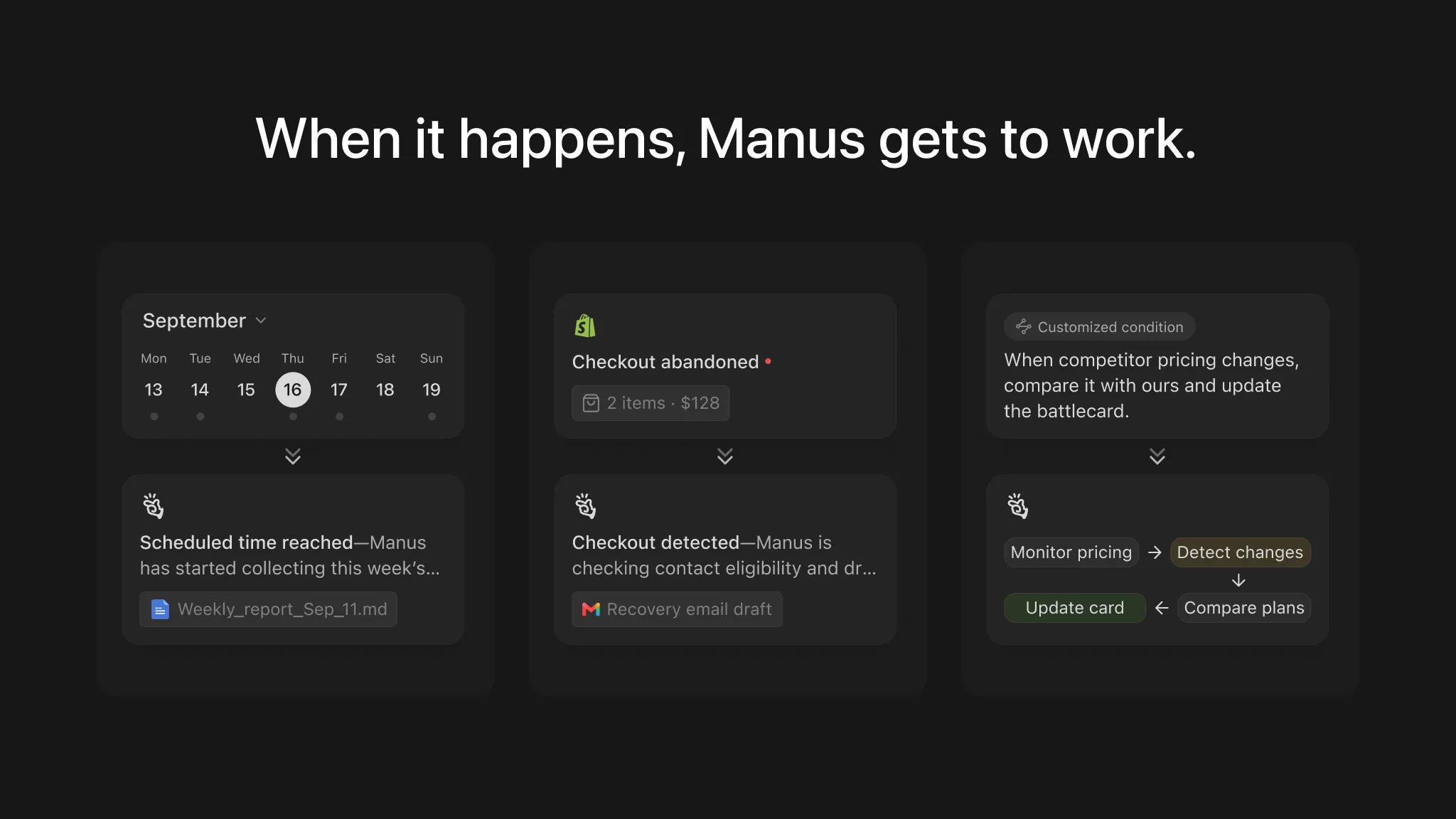
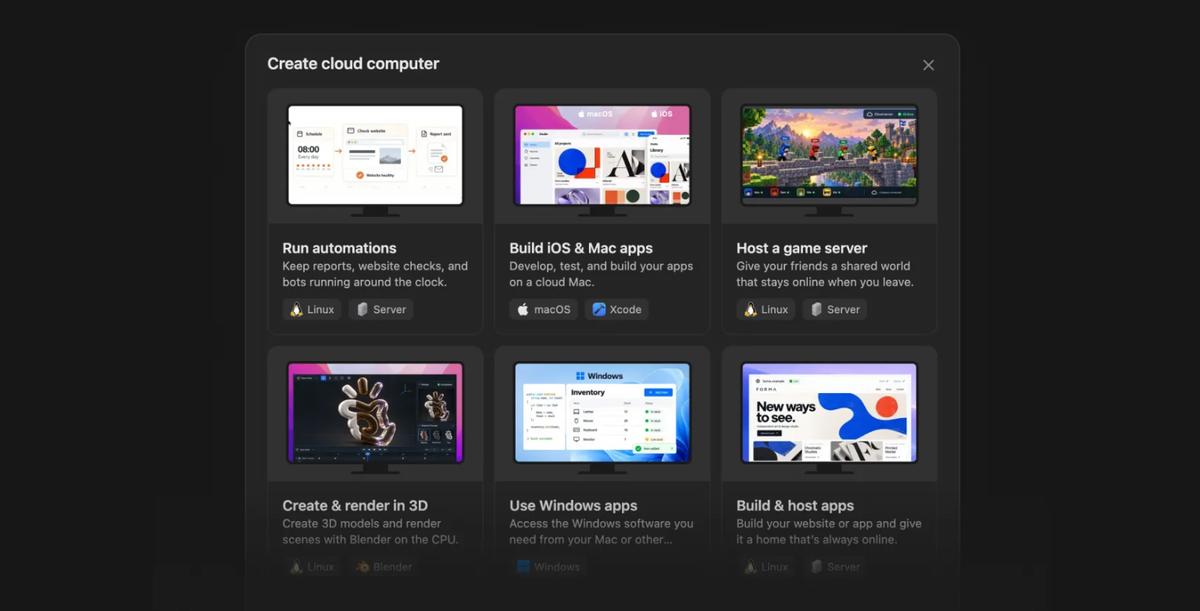
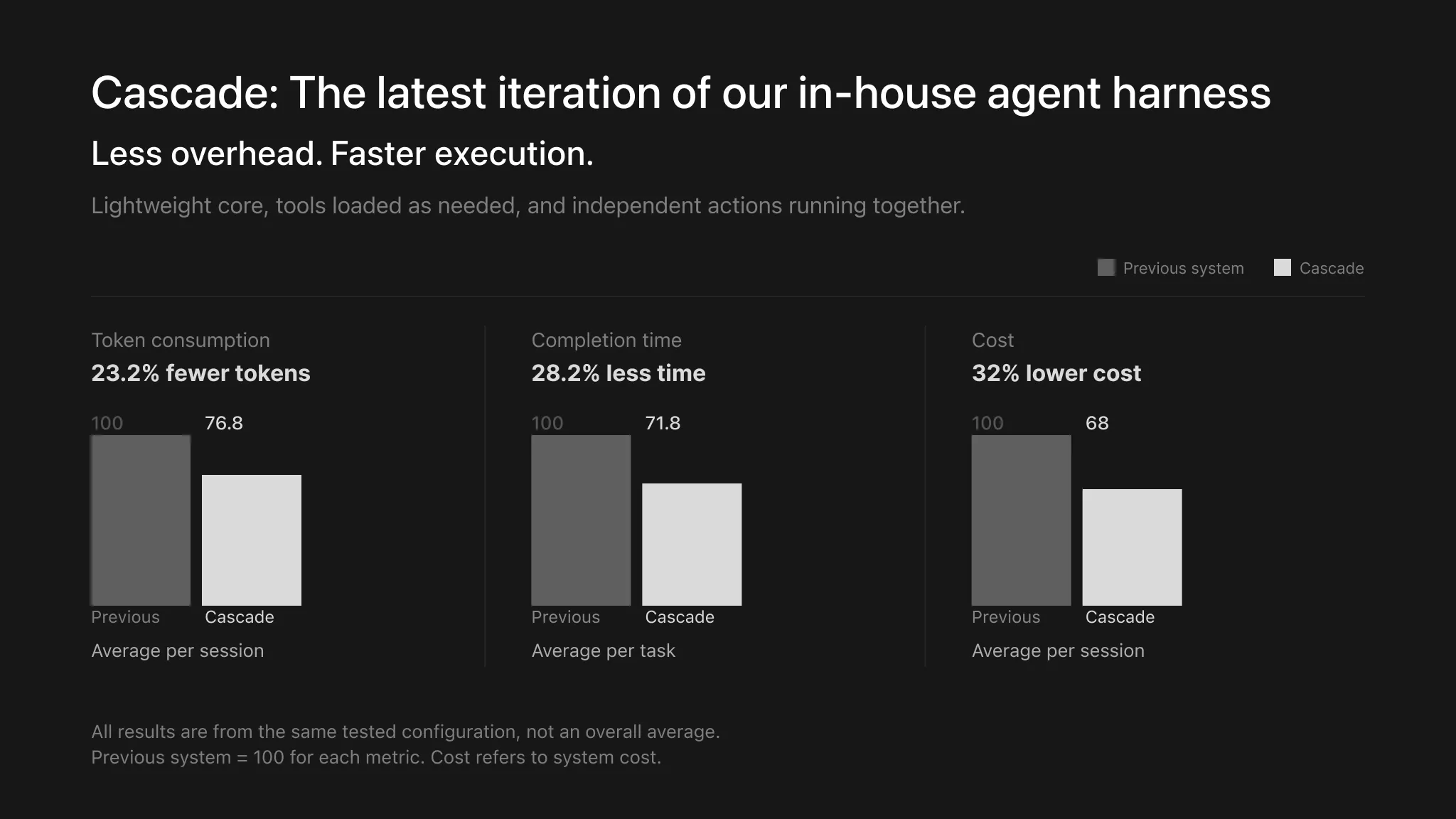
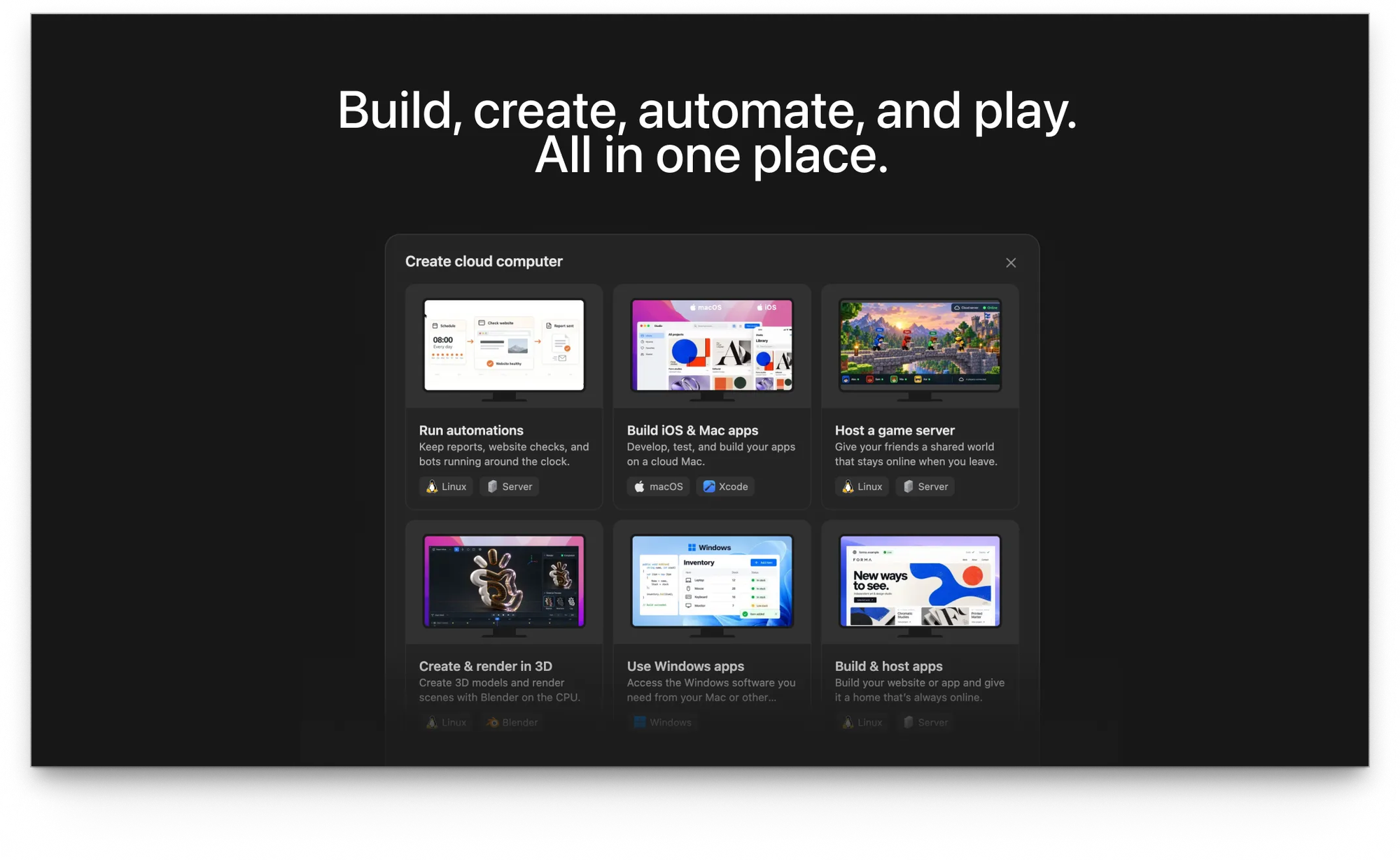
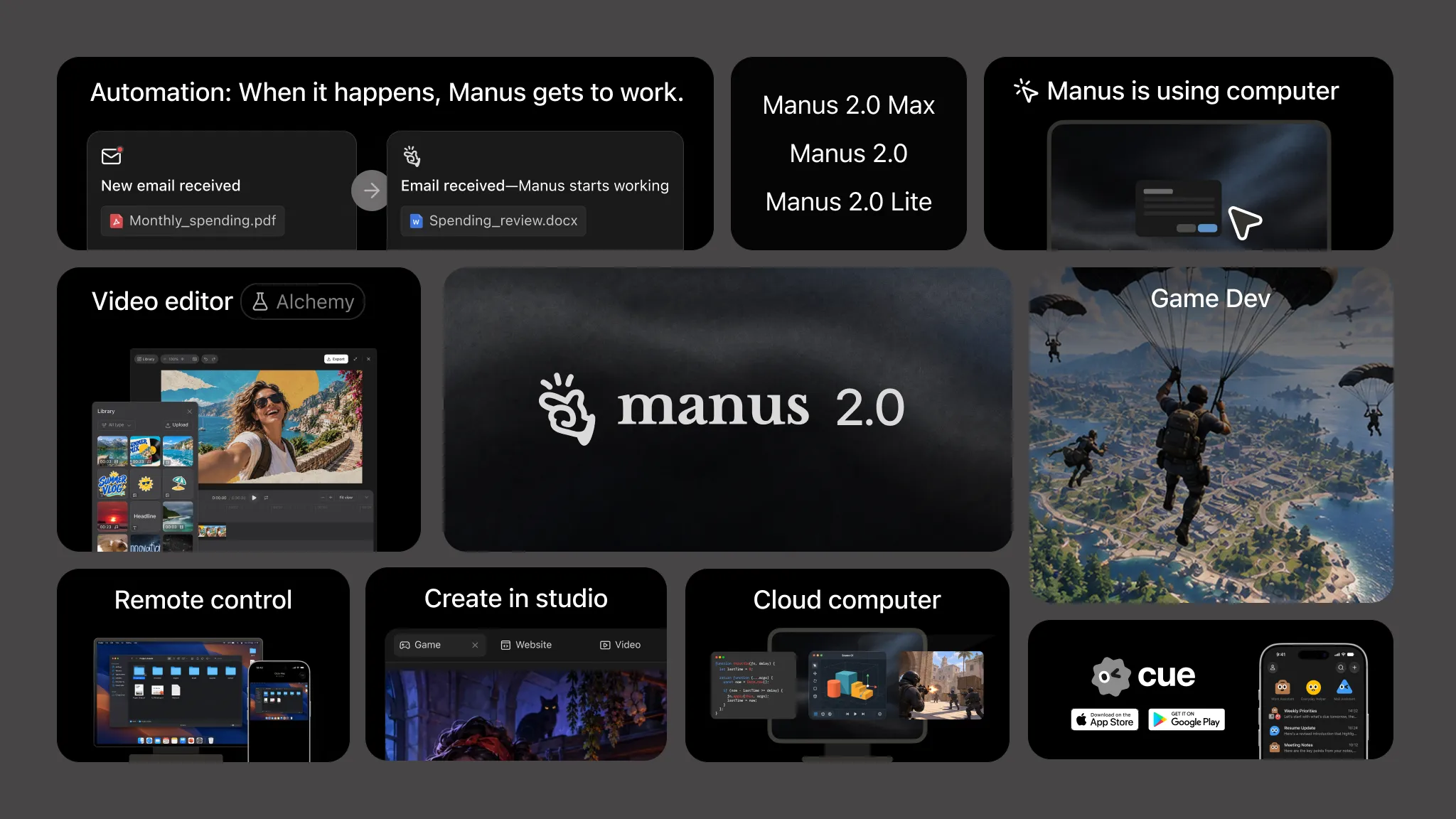
Manus 2.0 is a bigger release than the editor. It adds Cascade, a new agent harness, plus paid Cloud Computers and event-triggered Automations.
Manus says Cascade used 23.2% fewer tokens and took 28.2% less time in one tested configuration. It also says Cascade cost 32% less to run.
Studio also adds Game Dev, Remote Control, and Computer Use. Computer Use lets Manus work in its own workspace on your computer. Cue is a separate app for personal agents, free in early access with an invite code.
Competitive Context
fal Agent runs in the browser. Its docs say clips become an editable timeline with audio layers, and you export the final cut as one file. The agent can also answer questions about a video with timestamps.
Kling 4.0 puts a timeline, Canvas, and Agent on a redesigned creation page. Kling says the full model launches in October, with the Flash version live for Ultra Yearly subscribers. Its announcement lists up to 15 references and enhanced video editing.
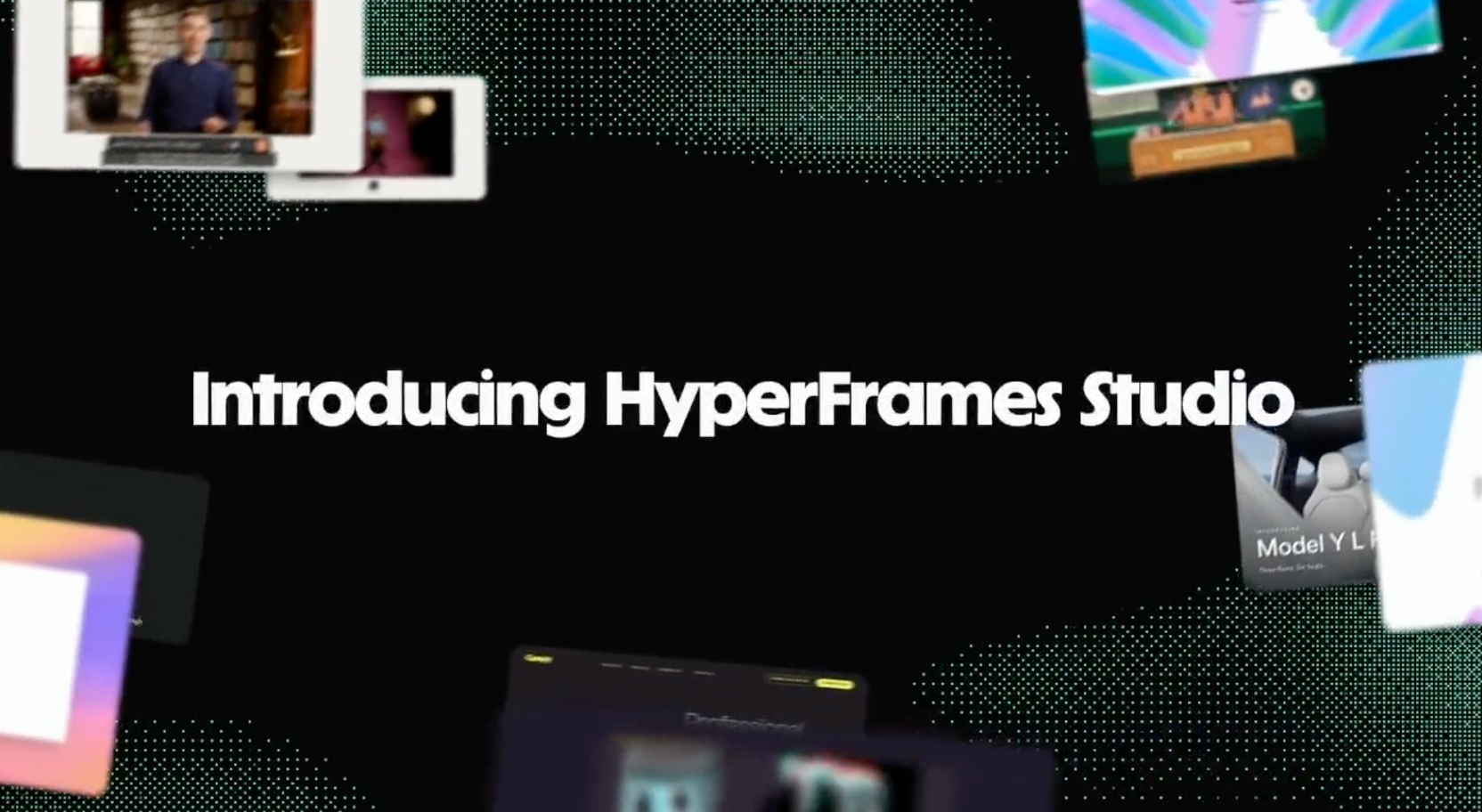
HyperFrames Studio builds videos as HTML projects that an agent and a person edit together. It runs on Mac and Linux, and the framework is free and open source. BRC explained how HTML-to-video works in a separate piece.
The split is in the project file. Manus keeps layers, fal builds a sequence, and HyperFrames keeps code. Kling's details are still rolling out.
Of the four, Manus is the most explicit about cutting a first version from your own clips. It also published a worked example. fal's docs describe video understanding and ffmpeg edits, and HyperFrames lists captions and overlays for existing talking-head footage.
The Signal in the Noise
The new part is the footage, not the timeline. Every tool in this group now lets an agent make a first version and a person finish it. Manus is the one that shows a worked example with nearly two hours of raw clips.
Nothing here has independent testing, including the 125-clip example, which is Manus's own. Manus says its launch film was 4K at 60 fps but gives no export limits for the editor. It also gives no plan prices on the pages checked.
A travel film is a forgiving test. Manus says the same workflow can turn interviews and meeting recordings into short clips, but it showed no example of that.
For short ads and social cutdowns, layers on a timeline are useful. You can swap a song or a shot without regenerating the whole video. Manus itself frames the editor as a first cut you finish yourself.
Pick by where you work and what you start from: browser for fal, desktop for Manus and HyperFrames. Manus's Mac app covers Apple Silicon only.
Would you let an agent make the first pass on two hours of your footage?
Specs & Pricing
- Manus Studio: macOS (Apple Silicon) and Windows. Plan prices were not listed on Manus's pricing page when checked. Cloud Computer is a separate purchase, and Cue is free in early access with an invite code.
- fal Agent: browser-based, no subscription required. Model runs are billed at each model's rate, and the agent's reasoning, sandbox, and video understanding are free for now. Optional credit plans run $50, $200, and $1,000 per month.
- HyperFrames Studio: Mac and Linux. The framework is free under Apache 2.0, and local rendering uses no HeyGen credits. A Studio price has not been stated.
- Kling 4.0: no pricing found in Kling's pages. Exact pricing is available on each company's website.