While Every Other Camera Maker Grew, Nikon Fell in Units, Revenue, and Profit at Once
Every other major camera maker grew this quarter. Nikon fell in units, revenue, and profit at once, except for one number: its lens forecast, which didn't move at all.

Every other camera maker's earnings this quarter told a growth story. Canon posted record imaging revenue. Sony's outlook got raised on the back of its sensor business. Fujifilm had its best quarter ever for imaging. Nikon's results, covering April through June 2026, are the outlier: fewer cameras sold, fewer lenses sold, lower revenue, and a bigger profit drop than any of that revenue decline alone would suggest.
The Actual Numbers

Nikon shipped 210,000 interchangeable-lens cameras in the quarter, down from 270,000 a year earlier, and 310,000 lenses, also down 60,000 units. Imaging revenue came in at roughly $460 million, down about $45 million year over year. Operating profit fell harder than revenue: about $51 million, down 27.5%, with operating margin slipping from 14% to 11.1%. Nikon isn't just selling less, it's making meaningfully less on each unit it does sell.
Pull back further and the trend has been consistent for two years running. The same April-June quarter brought in roughly $113 million in operating profit in 2024, on the strength of the Z8 and Zf. That fell to about $70 million last year, and now roughly $51 million this year, a 54% decline from that 2024 peak, while revenue over the same span slid from about $530 million to $460 million. This isn't a single bad quarter, it's a two-year slide.
Nikon's Own Explanation
Nikon's own investor presentation is direct about the cause: "Despite FX tailwinds, revenue was down on reduced sales of DCIL cameras and lenses driven by demand contraction mainly in China." A weak yen and a roughly $25 million US tariff refund weren't enough to offset that decline. Rising memory chip costs compounded the problem on top of the sales drop itself, the same memory-price pressure covered here previously regarding Fujifilm, now confirmed as a real, quantified drag on Nikon's imaging margins as well.
The Divergence Worth Actually Noticing

Here's the detail that's easy to miss inside the broader "bad quarter" headline: Nikon's full-year camera body forecast got cut by 60,000 units, down to 850,000. Its full-year lens forecast stayed exactly where it was, at 1,250,000 units, untouched by the same downgrade hitting bodies.
That's a genuinely specific signal, not just budget conservatism. Nikon shooters appear to still be investing in glass even as they hold off on new bodies, suggesting existing Z-mount owners are expanding their kits rather than abandoning the system, while new-body upgrade cycles specifically are what's actually softening. For a lens ecosystem, that's a meaningfully different problem than a full platform decline, it's closer to a body-refresh timing issue than a loss of shooter confidence in the system overall.
Why the Rest of Nikon Is Fine
It's worth being precise that this is an imaging-specific story, not a company-wide one. Nikon as a whole actually grew this quarter, total revenue reached roughly $1.04 billion, up about $38 million year over year, carried by its semiconductor lithography, healthcare, and industrial businesses. The group even narrowed its overall operating loss and raised its full-year profit outlook slightly. The downgrade is squarely contained to cameras and lenses: Nikon now expects its imaging business to bring in roughly $1.84 billion this fiscal year, about $82 million less than planned in May, with segment profit cut by a similar amount.
Why This Might Matter More Than It Looks
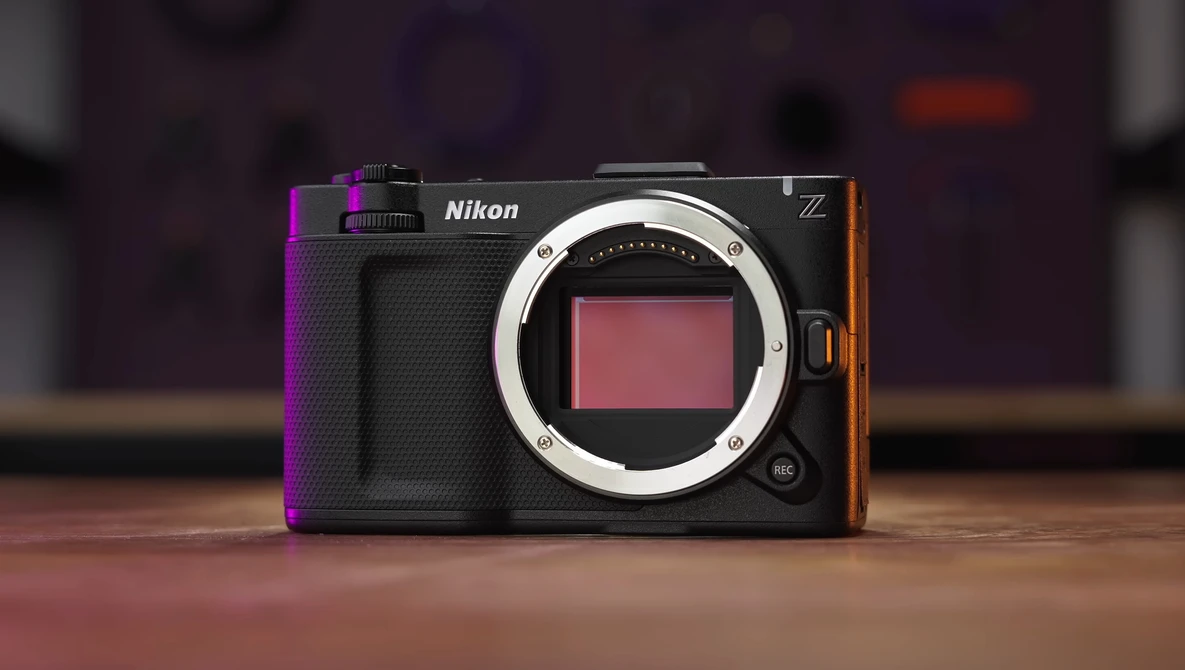
Nikon has launched very little on the imaging side this year, and the Nikon ZR, still the most tangible product of the RED acquisition, is approaching its first birthday without a clear successor yet announced. Autofocus Z-mount cinema lenses were teased at NAB 2026, and RED integration continues deepening, but neither has shipped as a finished product yet. A rough quarter like this one tends to add real pressure to accelerate that roadmap rather than let it drift, and the untouched lens forecast suggests Nikon still believes there's a real, active base of Z-mount shooters worth building for.
Competitive Context
This completes a fairly clear picture across this earnings season: Canon grew imaging revenue through higher average selling prices on fewer units, Sony grew primarily through its smartphone sensor business rather than cameras directly, and Fujifilm had a genuinely strong quarter overall. Nikon is the only one of the four seeing decline across units, revenue, and profit simultaneously, a meaningfully different position than "growing but reshaping" (Canon, Sony) or "genuinely thriving" (Fujifilm).
The Signal in the Noise
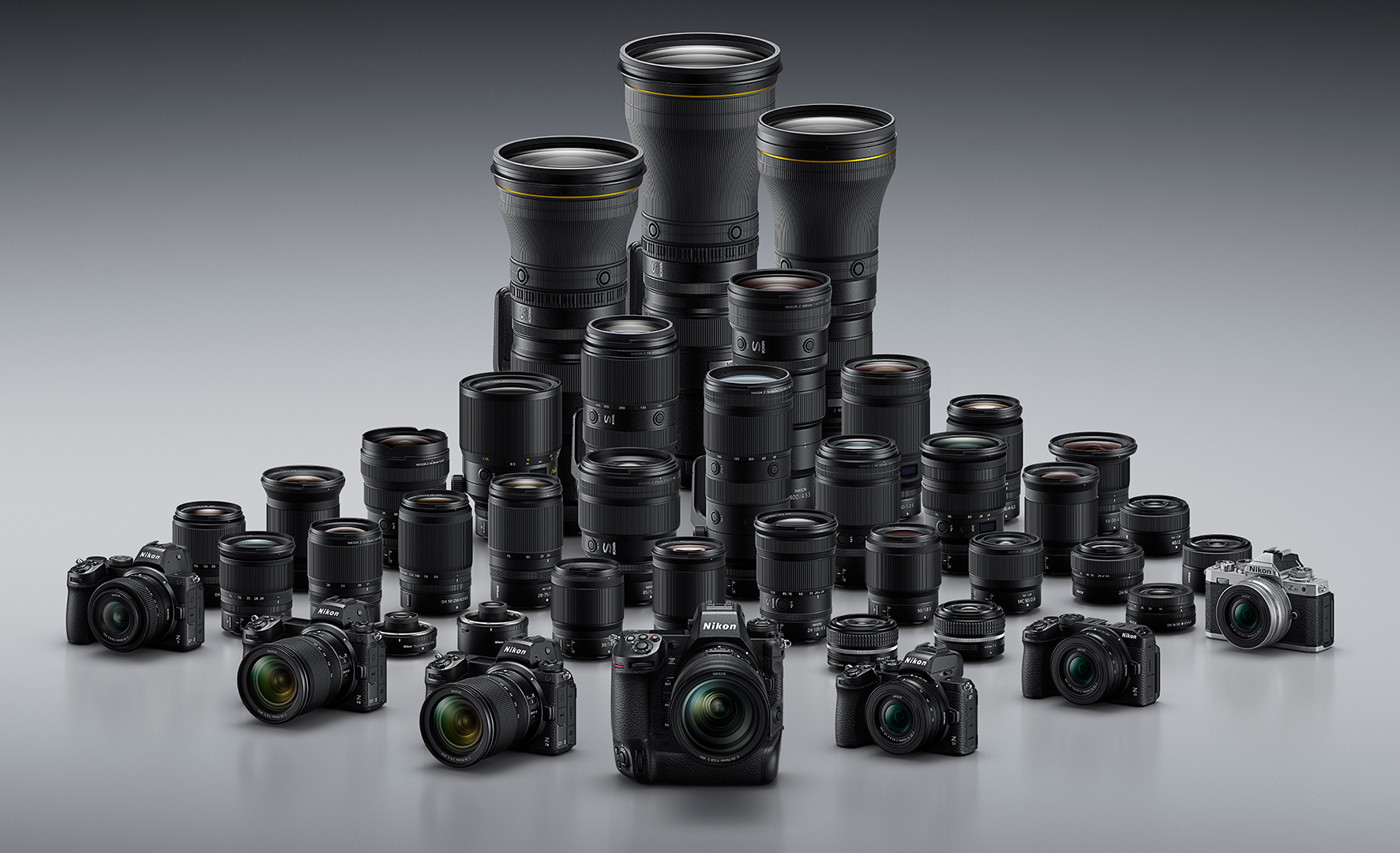
One weak quarter doesn't make a crisis, and China-specific demand contraction plus industry-wide memory costs are real, external pressures affecting every manufacturer to some degree, not something unique to Nikon's execution. But Nikon is now the clear odd one out this earnings season, down across every meaningful metric at once, while its closest competitors are all finding real growth somewhere in their imaging business. The untouched lens forecast is the more optimistic data point buried in an otherwise rough report, it suggests existing Z-mount shooters aren't leaving, they're just waiting on the next body worth upgrading to.
Do you think Nikon's slump is mostly a China-and-memory-price problem, or does the brand need a genuine new flagship moment to turn this around? Curious where you land, drop it in the comments.
Resources & Reads
- Nikon Misses the Industry Party – Camera Sales Slip in China While Memory Prices Eat Into Profits — Coverage on CineD
- Nikon FY2027 Q1 Financial Results — Official Investor Relations
- Fujifilm's Memory Chip Bill Just Doubled, and Your Next Camera Will Feel It — BRC
- RED's RAW Patent Falls in Japan: A Ruling Two Decades in the Making — BRC