Fairground AI: Roku's New 24/7 Channel Is Betting Audiences Will Watch AI-Made TV
Roku launched Fairground AI, the first 24/7 channel built entirely from AI-generated content. The economics make sense; the early audience reaction has been brutal. Here's why.

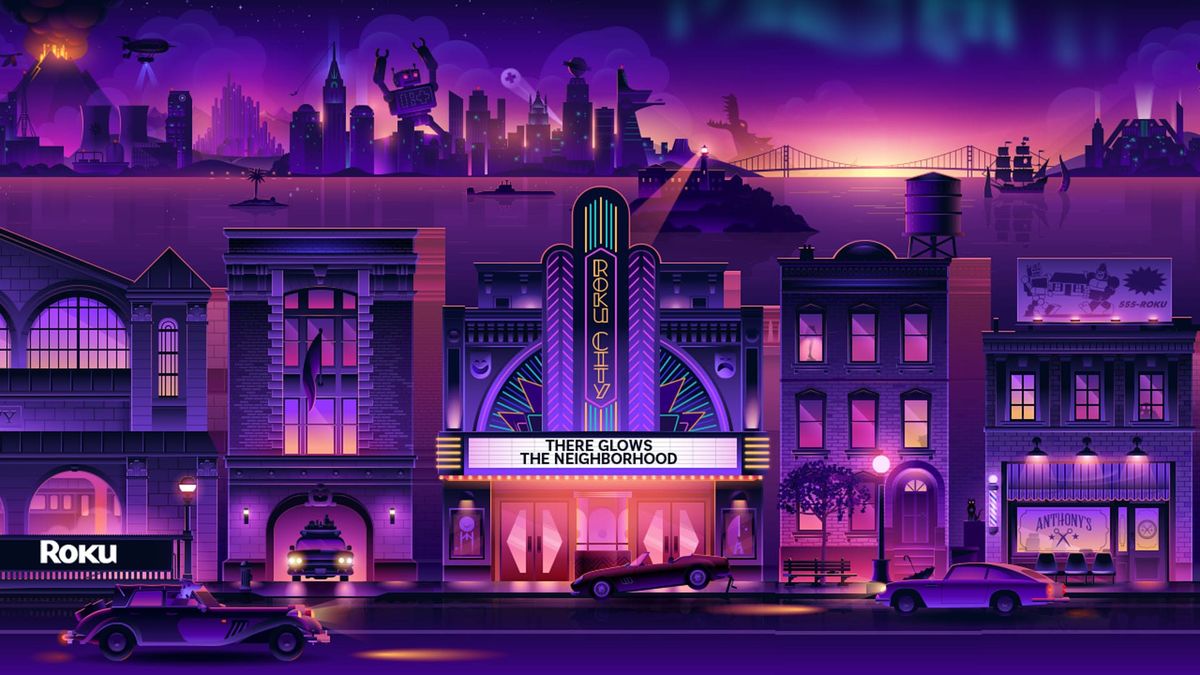
Roku added Fairground AI to its free ad-supported channel lineup this month, the first FAST (Free Ad-Supported Streaming TV) channel built entirely around AI-generated content, running 24 hours a day with no human-produced programming at all. Reception so far has been rough, but the more interesting story is the business logic that made this bet make sense to Roku in the first place.
What's Actually Streaming

Fairground AI runs a continuous rotation of AI-generated films, series, and shorts, and even the ads are AI-generated. Genres span action, drama, and fantasy, with early clips circulating online showing a Roman battle sequence and a medieval drama undermined by visibly broken physics, objects and characters moving as though gravity itself glitched partway through the shot.
The channel comes from Fairground, a startup founded by Colin Petrie-Norris, who sourced its creators directly from social media rather than through traditional development channels. Named contributors include Kelly Boesch, Kavan the Kid's Phantom X Studio, filmmaker Ryan Phillips, Wonder Studios, and Massive Studios. In an interview with Variety ahead of launch, Petrie-Norris promised content that would be "gorgeous things," explicitly distancing the channel's ambitions from the lower-quality AI content commonly mocked on social media, and promised "massive reach" once a distribution partner was confirmed.
The Actual Business Logic
FAST channels have grown fast precisely because they replicate a cable-like, lean-back viewing experience without subscription fees, but that model has always depended on licensing existing content libraries, a real, recurring cost. AI-generated content flips that economics: production happens on demand at a fraction of licensing cost, with no rights negotiation required at all.
For a platform under real pressure to keep expanding its content library while managing costs against much larger, better-funded competitors, that's a genuinely rational bet to test, even if the current execution is rough. Roku added three traditional licensed channels (including classic programming like MADtv and Whose Line Is It Anyway?) in the same update, worth noting as a signal that this isn't Roku abandoning traditional FAST economics, it's running the AI experiment alongside the proven model rather than replacing it.
Why the Reception Has Been Genuinely Bad
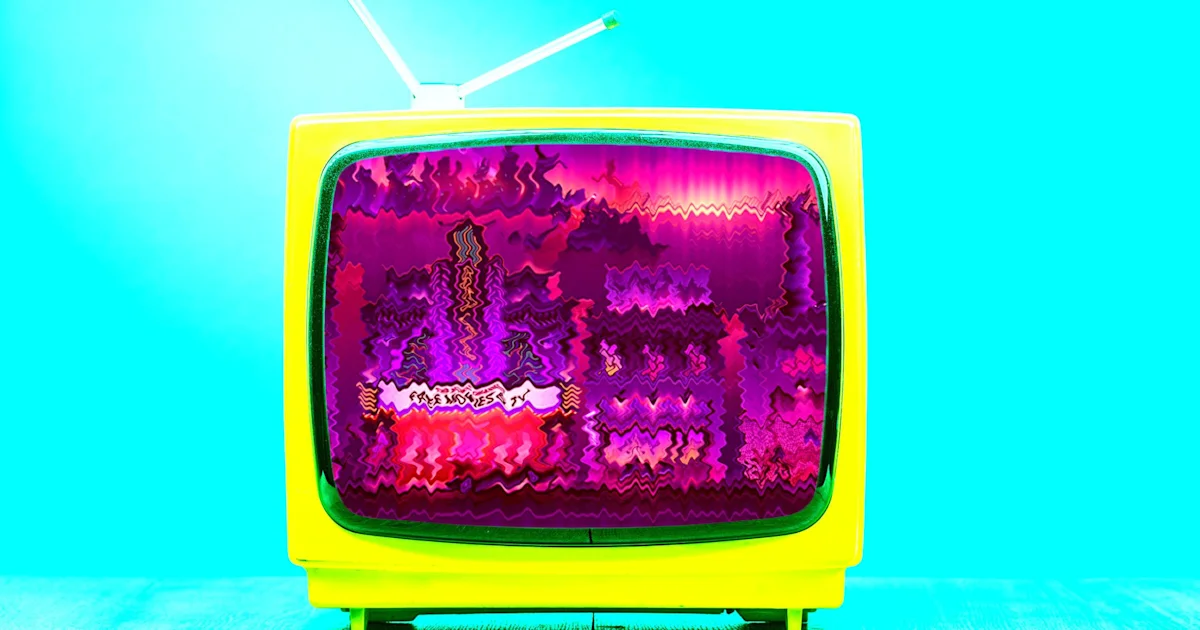
The backlash has been swift and specific, not just generic AI skepticism. Viewers have pointed to clunky dialogue delivered with what one review described as "the cadence and awkward pauses of a mid-2000s video game cutscene," jarring cuts between scenes, and visibly broken physics undermining scenes that are otherwise polished, HDR cinematography paired with characters whose movement reads as fundamentally wrong.
That specific combination, high production value in some respects (lighting, color, resolution) paired with basic narrative and physical coherence failures, is exactly the pattern this beat has flagged before as a real, recurring weakness in AI-generated long-form content: individual frames can look genuinely impressive while story logic and physical consistency break down across a full sequence. Petrie-Norris's own pre-launch promise, that Fairground's content would be meaningfully better than typical AI slop specifically because of story attention, is the claim that's taking the most direct hit in early reception.
Why This Is a Genuine Test, Not Just a Publicity Stunt
What separates this from a typical AI demo reel is the format itself: a continuous, ad-supported broadcast channel is a real commercial product with real advertiser relationships, not a curated showcase of a platform's best output. That means Fairground AI's content has to hold up to sustained, unscreened viewing rather than a handful of cherry-picked highlight clips, a genuinely harder bar to clear than most AI filmmaking coverage actually tests.
This connects directly to a broader question worth tracking: whether AI-generated content can succeed with a general audience that didn't opt in specifically to watch AI experiments, versus the more receptive, AI-curious audiences that show up for AI film festivals or theatrical AI releases like Higgsfield's Hell Grind. A FAST channel audience is about as close to a general, unfiltered viewership test as this content is likely to get anytime soon.
Competitive Context
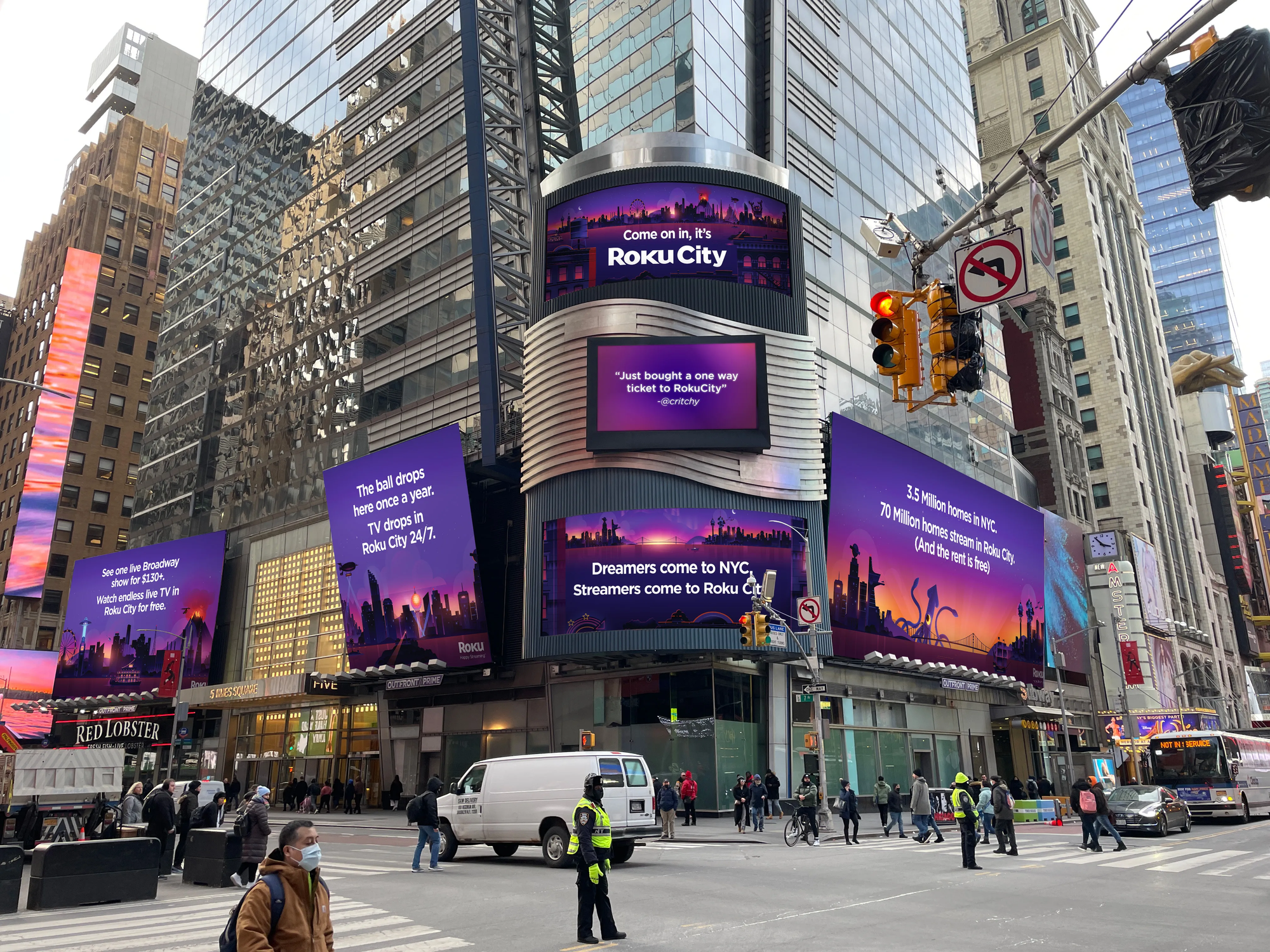
No other major streaming platform has committed to a dedicated, continuous AI-only channel at this scale yet, making Roku's move a genuine first among established platforms rather than an experiment from a smaller AI-native startup. Whether competitors follow depends heavily on how this specific experiment performs, both in viewer retention and in whether advertisers stay comfortable being associated with content facing this level of public mockery.
The Signal in the Noise
The economics behind Fairground AI are genuinely sound from Roku's side: near-zero marginal content cost against a licensing-dependent business model is a real structural advantage worth testing. But economics and audience reception are separate questions, and right now the reception data is telling a pretty clear story: audiences can immediately spot the specific failure modes, broken physics, stilted dialogue delivery, incoherent story structure, that separate AI content still in the "impressive demo" stage from AI content actually ready for unsupervised, continuous broadcast. Whether Fairground closes that gap, or whether this experiment quietly fades the way plenty of early streaming experiments have, is worth watching over the next few months rather than judging from the first week's reaction alone.
Would you actually watch a 24/7 AI content channel, or does this confirm your skepticism? Curious where you land, drop it in the comments.
Resources & Reads
- Roku Introduces 24/7 AI-Generated Content Channel — Coverage on TVBEurope
- Roku Unleashes 24/7 AI Slop Channel — Coverage on Futurism
- Roku's Fairground AI Channel Launch Sparks Backlash — Coverage on BizTech Weekly
- Higgsfield Just Open-Sourced Its $500K AI Feature Film, Prompts and All — BRC
- Where Does AI Filmmaking Actually Lead? Careers, Festivals, and One Big Misconception — BRC