How Runway Agent 2.0 Turns a Single Prompt Into a Multi-Shot Video Sequence
Runway Agent 2.0 launched June 25 — an AI creative partner that plans and produces full multi-shot video sequences from a single conversation, not just individual clips. Here's what it does and what to know before trying it.

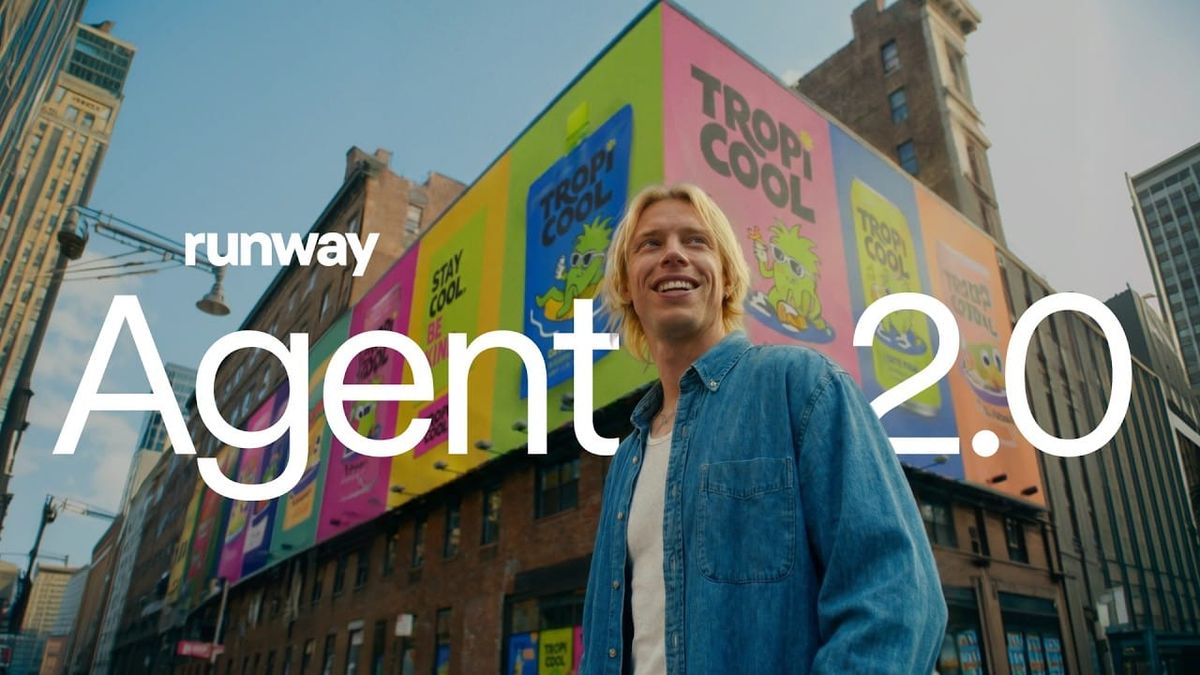
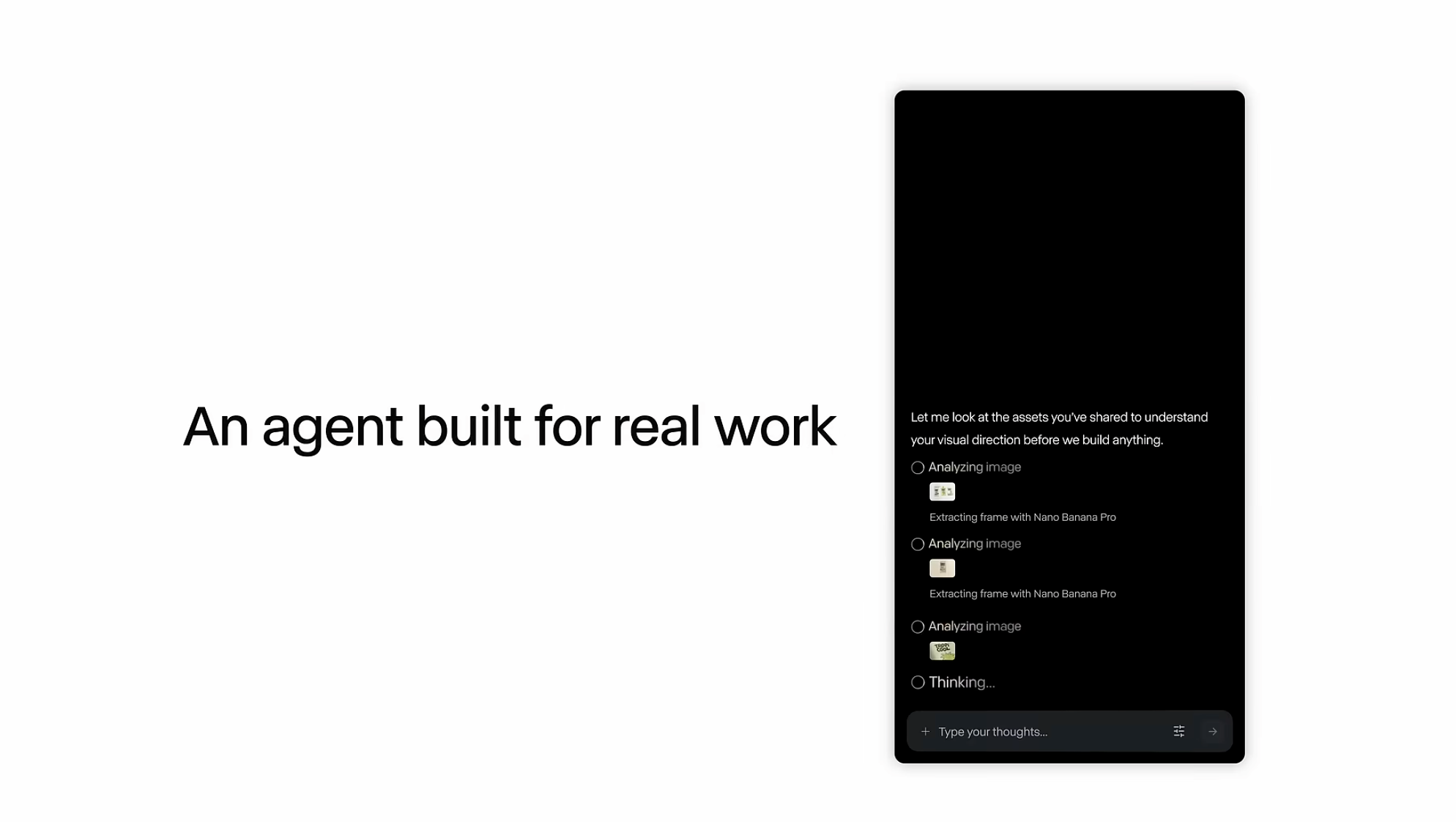
Runway launched Agent 2.0 on June 25, 2026 — and it's a meaningfully different kind of tool than anything the platform has shipped before. Instead of generating one clip at a time, the Agent lets you describe an entire video concept in natural language, and then plans and produces it: multi-shot sequences, character consistency across clips, voice, music, and a rough assembly — all in a single conversation.
That's a different question than "what should my prompt be?" It's closer to "what should my video be?" and then handing the production layer to an autonomous system while staying in a supervisory role.
What Runway Agent 2.0 actually does
The workflow: describe your video concept — the whole thing, with shots, pacing, tone, and any audio needs — and the Agent plans a storyboard, generates the shots with consistency locking across the sequence, integrates voice and music via Seed Audio, and assembles a rough cut for you to review.
You're not out of the loop. The Agent expects human supervision at key stages — approving the storyboard before generation begins, flagging weak shots for regeneration, doing final QA on the assembly. Think of it as an autonomous production assistant rather than a one-click filmmaker. The creative intent stays yours; the Agent handles the production execution underneath it.
It's built on Runway's Gen-4 model, which means the character consistency and shot quality that Gen-4.5 delivers in individual clip generation carries through into the multi-shot sequences Agent 2.0 produces. That's the meaningful part — multi-shot AI video has historically broken down on consistency between clips, and the Gen-4 architecture addresses that more reliably than earlier models.
Where it sits in the broader Runway platform
June was a busy month for Runway updates. Alongside Agent 2.0, the platform also launched Aleph 2.0 and Edit Studio — a frame-level video editing system where you edit a single frame the way you want it and Aleph edits the rest of the video to match — plus Studio Trim for stitching, reordering, and exporting final videos. Seedance 2.0 became available via the Runway API in the same window.
The overall shape of what Runway is building becomes clearer when you look at all of these together: less of a clip generator, more of a complete AI-assisted production environment. Agent 2.0 is the most ambitious piece of that — the tool that takes the whole workflow from concept to rough cut, rather than generating individual assets.
Worth knowing before you try it
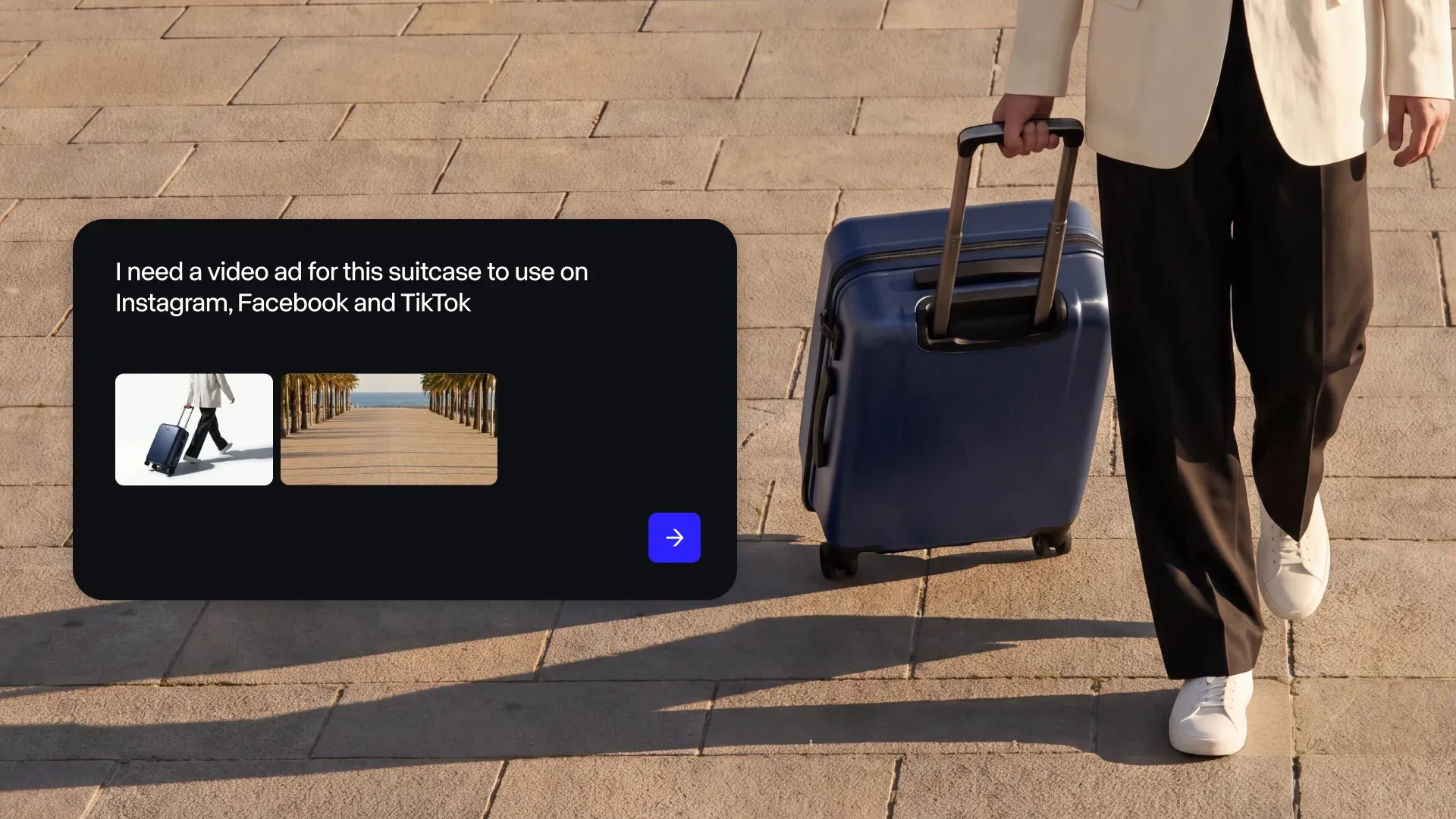
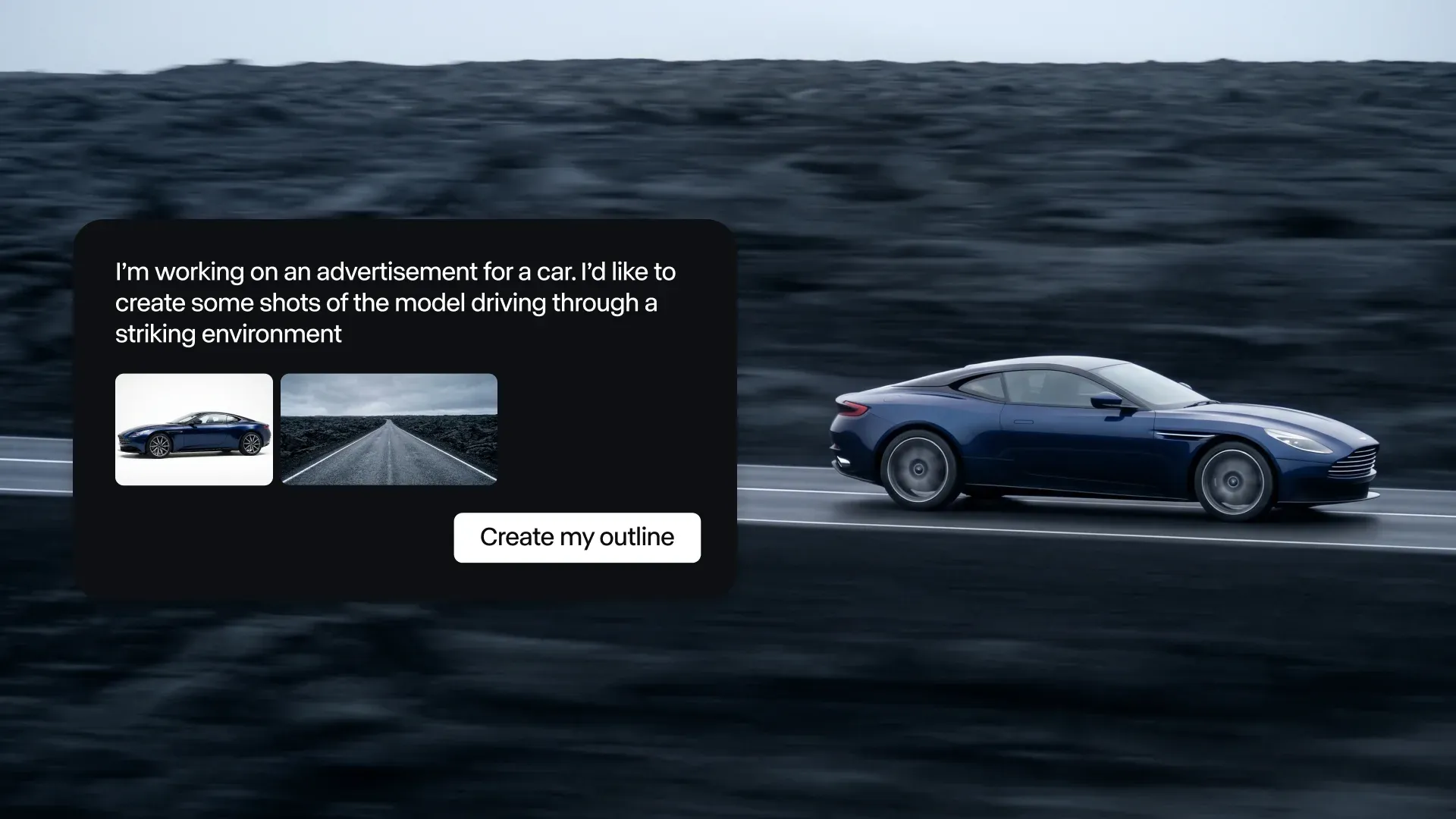
Agent 2.0 is primarily framed in Runway's official announcement around marketing use cases — campaign analysis, ad creation, audience targeting. That framing undersells what's actually possible for filmmakers and content creators, but it's worth knowing the primary pitch is commercial/marketing rather than narrative filmmaking. Multi-shot projects also burn through credits faster than individual generations — worth checking your plan's credit allocation before running a full sequence.
The honest limitation: "autonomous" doesn't mean "finished." Agent 2.0 produces a rough assembly that still requires human QA and refinement. The gap between what it produces and what's ready to publish is narrower than the old one-clip-at-a-time workflow, but it's still there.
The Signal in the Noise
Runway Agent 2.0 is the most direct answer yet to the question of what AI video generation looks like when it's actually integrated into a production workflow rather than sitting alongside it.
The move from individual clip generation to full sequence planning-and-production is the logical next step for a platform that's been used in real productions — and it's the direction the whole category is heading. Whether the execution holds up under sustained real-world use is the question that matters, and reviews from working filmmakers and creators are the thing to watch as more people get hands-on time with it.