Is Seedance 2.5 on the Way? Here’s Updates We’d Actually Want to See
Online chatter about a possible Seedance 2.5 is picking up. Here’s what would actually make an update worth the upgrade for filmmakers, and what would just be a letdown.

Online chatter about a possible Seedance 2.5 has been picking up the past couple of days, with talk of 4K support and longer generation lengths circulating among AI video communities. Nothing official yet from ByteDance or BytePlus, and any specifics floating around right now should be treated as speculation. But it’s a good excuse to think through what would actually move the needle for filmmakers if a meaningful update does land.
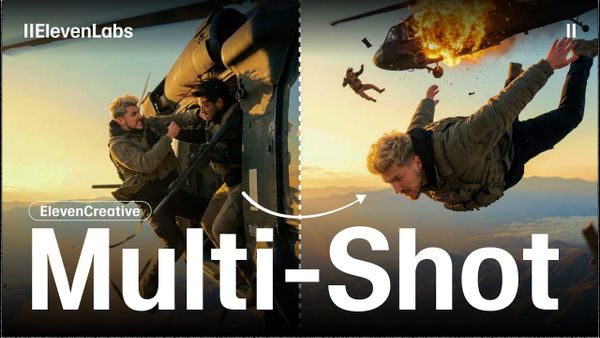
Seedance 2.0 already carved out a real niche since launching in February, multi-shot continuity and native audio generation in particular set it apart from a crowded field. A 2.5 update has a clear opportunity to build on that rather than chase generic across-the-board improvements.
1) Longer generations, without losing what makes Seedance work
The current 15-second ceiling is the most obvious limitation creators run into. Most narrative B-roll, establishing shots, and short product demos need more room to breathe than that allows, and stitching multiple short clips together to fake a longer sequence is a workaround, not a solution.
The catch is that Seedance’s multi-shot continuity, its ability to maintain consistent characters, settings, and motion across cuts, is exactly the kind of thing that tends to degrade as generation length increases in most video models. If 2.5 extends duration, the real test is whether that continuity holds up at 30 or 45 seconds the way it does at 15.
2) Resolution that’s actually usable in a finishing pipeline
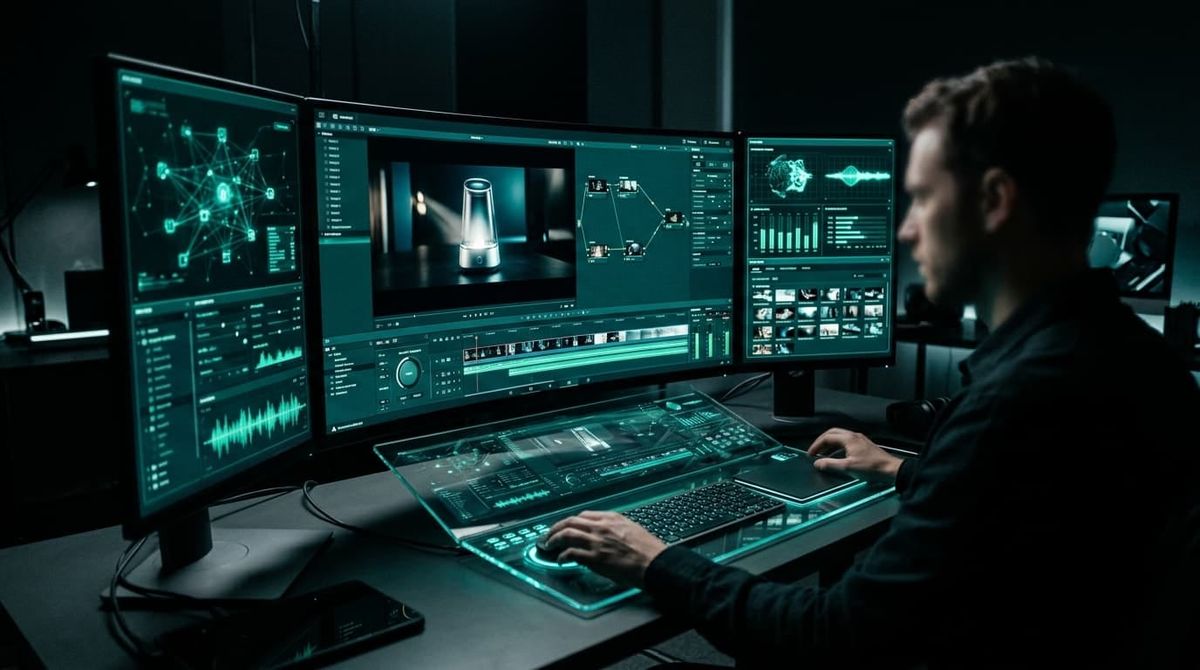
4K output sounds great on a spec sheet, but the more practical question is whether it arrives with the dynamic range and compression quality to survive a real color grade. A lot of AI-generated 4K so far has been upscaled in a way that looks sharp at a glance but falls apart under any meaningful post-production work. If Seedance is going to position itself as a tool that fits into professional pipelines, 4K needs to mean grade-able 4K, not just larger pixel dimensions.
Audio that keeps pace with the video improvements
Seedance 2.0’s native audio generation was one of its more distinctive features at launch. Whatever else changes in 2.5, audio quality and sync need to scale alongside the video improvements rather than stay frozen at the current bar while resolution and length get all the attention.
3) What would actually be a letdown
The easiest way for a 2.5 release to disappoint is to ship 4K and longer clips as marketing headlines while quietly increasing generation time or credit cost to the point where the practical benefit gets eaten by friction. A model that’s twice as capable but takes three times as long, or costs proportionally more per second, isn’t really progress for the people actually trying to use it day to day.
The Signal in the Noise
None of this is confirmed, and treating early chatter as a roadmap is its own kind of mistake. But the direction of travel in AI video generally, longer clips, higher resolution, better audio, is predictable enough that thinking through what a “good” version of those upgrades looks like is worth doing now rather than after the fact. If a 2.5 release does land in the coming weeks, the real story won’t be the spec sheet, it’ll be whether the upgrades hold together under actual production use rather than just impressing in a demo reel.
Resources & Reads
ByteDance’s official Seedance 2.0 announcement remains the only confirmed source on the model’s current capabilities, until any follow-up release is made official.