Sony Now Sells Three 100-400mm Lenses. Here's Which One Actually Makes Sense for Video.
Sony now has three 100-400mm lenses in its E-mount lineup. Here's how the new $849 F5.6-8 compares to the pro-tier F4.5 GM, and which one actually makes sense for video work.

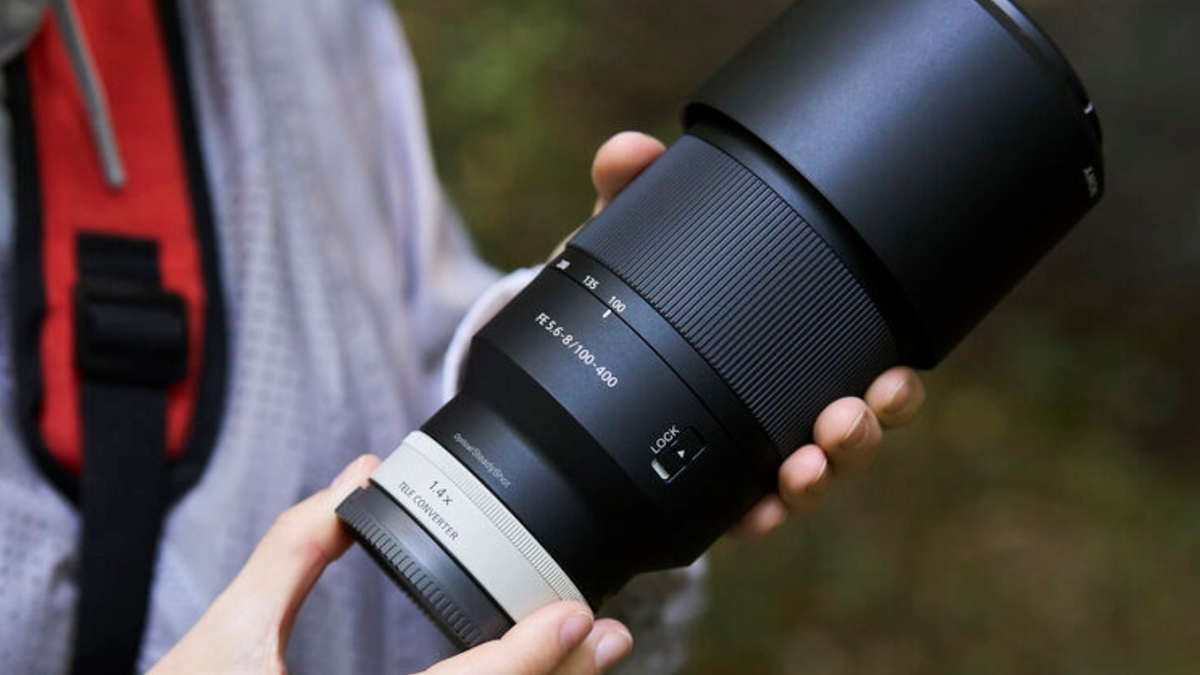
Sony just announced its third full-frame E-mount lens covering the 100-400mm range: the FE 100-400mm F5.6-8 OSS. At 654g and $849.99, it's by far the cheapest and lightest option Sony's ever offered in this focal length, roughly half the weight of the professional-tier zooms that have defined this range until now. For video shooters specifically, the real question isn't whether it's a good deal, it clearly is, it's whether the tradeoffs that make it cheap and light actually work for the way you shoot.
Sony's Own Framing Is Worth Taking at Face Value
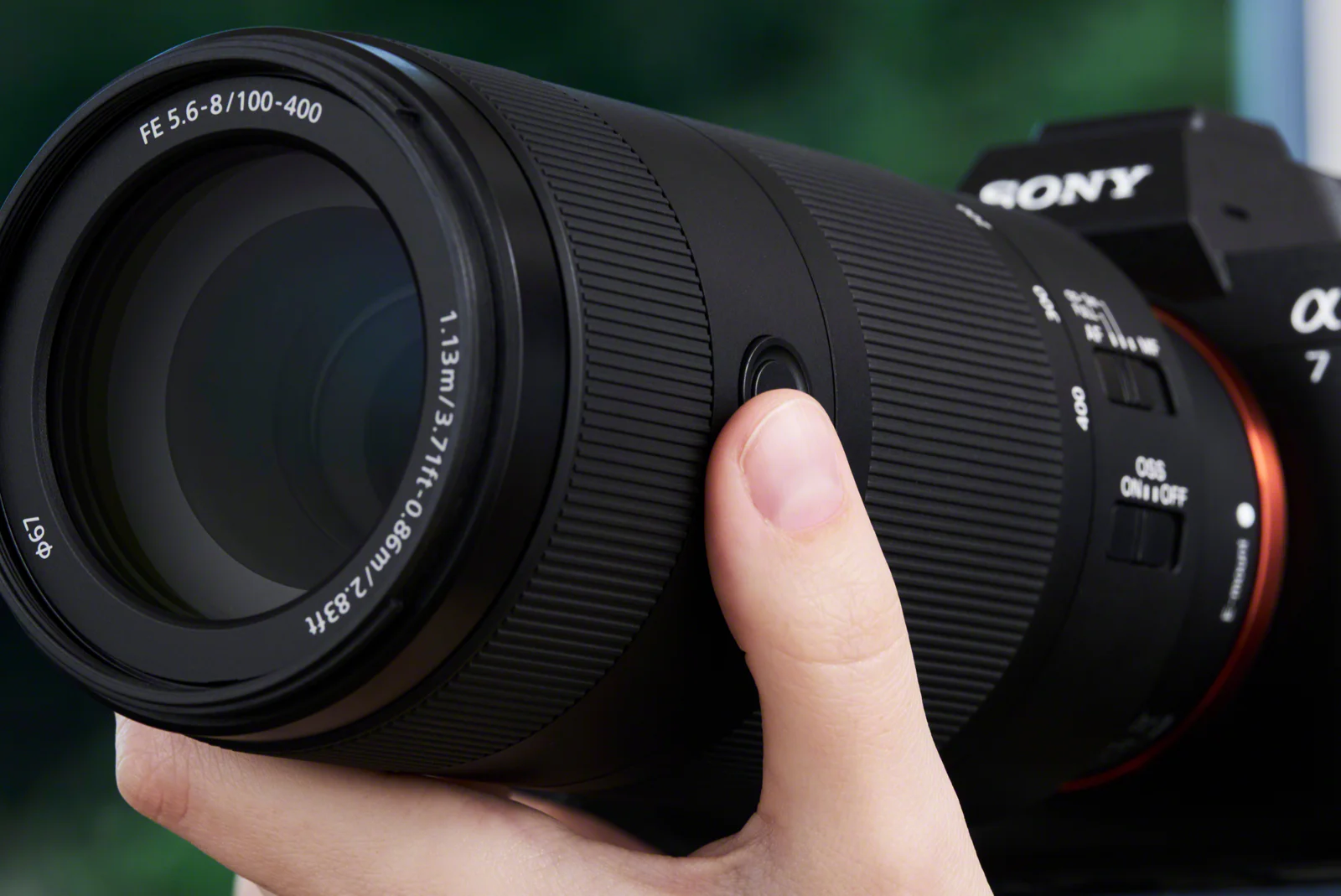
According to Yang Cheng, Vice President at Sony Electronics, this lens was built specifically for hobbyist photographers, birders, parents, casual wildlife shooters, not professional video work. That's a useful, honest starting point rather than marketing spin to look past. The question for BRC's audience is whether a lens designed around that brief still holds up on a gimbal, in a documentary kit, or as a long-lens B-camera option.
Where the Three Lenses Actually Sit
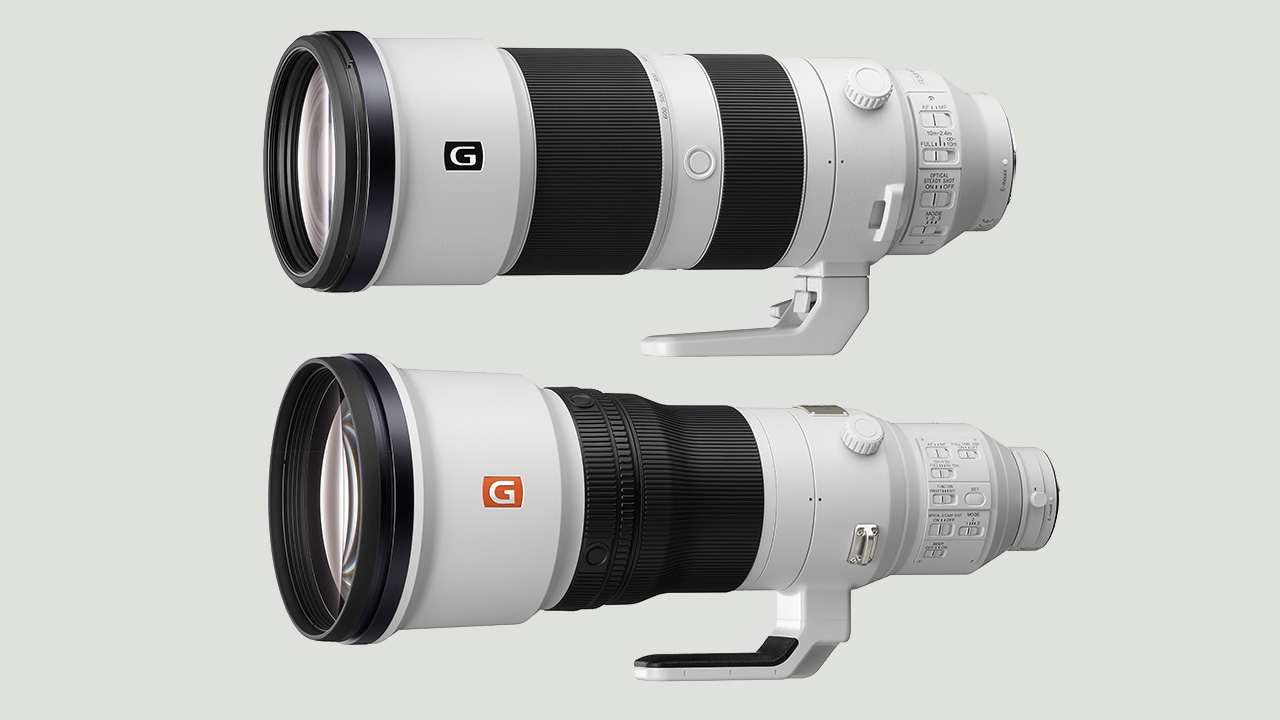
Sony's lineup now runs three deep in this exact focal range. At the top, the FE 100-400mm F4.5 GM OSS offers a constant aperture, internal zoom, and four XD Linear Motors, the option built for professional, no-compromise work. Below it, the original 2017-vintage F4.5-5.6 GM continues serving enthusiasts who don't need the newest GM glass. The new F5.6-8 lands well beneath both, explicitly positioned as the affordable, hobbyist-focused entry point.
The Real Tradeoff for Video Specifically
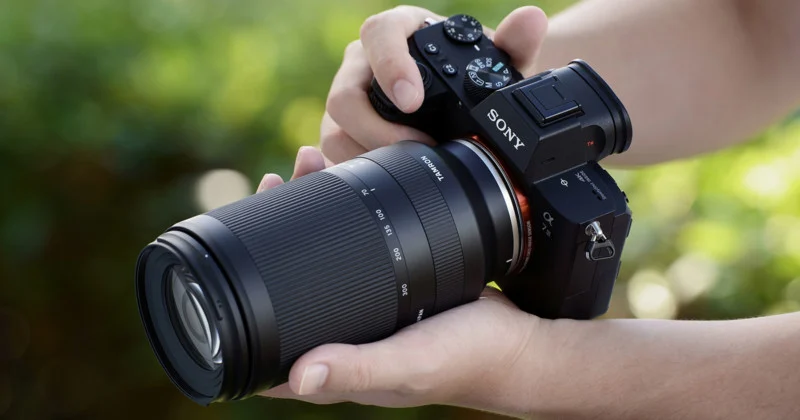
The headline number is genuinely impressive: 654g, 78.2mm diameter, 164.5mm length, light enough for a mid-size mirrorless body to carry without a lens support, and roughly half the weight of Sony's pro-tier telephotos in this range. The 67mm filter thread is a practical bonus too, matching a lot of existing Sony glass rather than requiring a new set of variable ND filters.
But this is a telescoping zoom, not an internal-zoom design like the F4.5 GM. The barrel physically extends as you move through the range, which means balance shifts on a gimbal between 100mm and 400mm, worth planning for if you intend to zoom during a take rather than setting a focal length and locking it off. A zoom lock switch keeps the barrel retracted when carried, a genuinely useful inclusion on a lens this long.
The bigger issue for video work specifically is the variable aperture: F5.6 at 100mm shifting to F8 at 400mm, roughly a full stop of exposure change across the zoom range. Stills shooters barely notice this, cameras adjust automatically shot to shot. Video shooters will see it directly in a take if they rack focal length while rolling, meaning you'll either avoid zooming during takes, ride exposure manually, or accept the visible shift. This is precisely the problem the constant-aperture F4.5 GM was built to solve, and it's the clearest practical line separating the two lenses beyond price and weight.
Autofocus and Stabilization
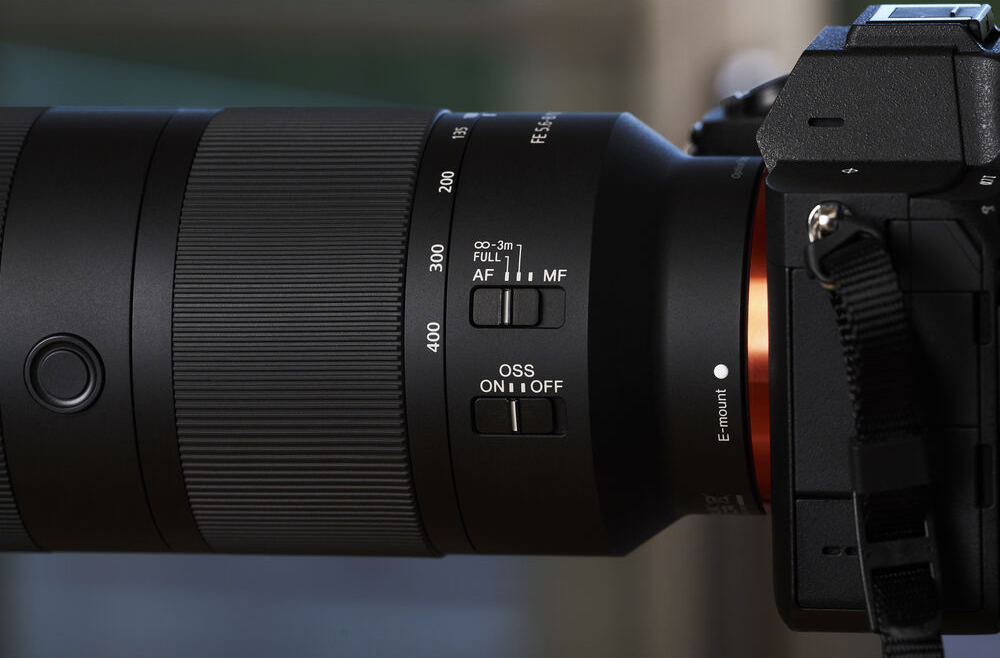
Dual linear motors drive focus, rated for AF/AE tracking up to roughly 120fps when paired with the a9 III's global shutter sensor, and Sony specifically notes a quiet AF drive, which matters more for video than stills given how close on-camera mics and shotgun mics typically sit to the focus group on a lens this long. Optical SteadyShot is built in, with coordinated stabilization support on compatible bodies, and the lens supports breathing compensation, correcting the angle-of-view shift that happens as focus moves during a take, though Sony notes compensation may not be fully effective on every lens.
Close-focus performance is a genuine bonus: 0.86m at 400mm with 0.41x magnification, close enough for pseudo-macro work on insects or flowers at a comfortable working distance, a nice secondary use case for a lens bought primarily for wildlife or sports coverage.
Reaching 800mm, and What It Actually Costs You
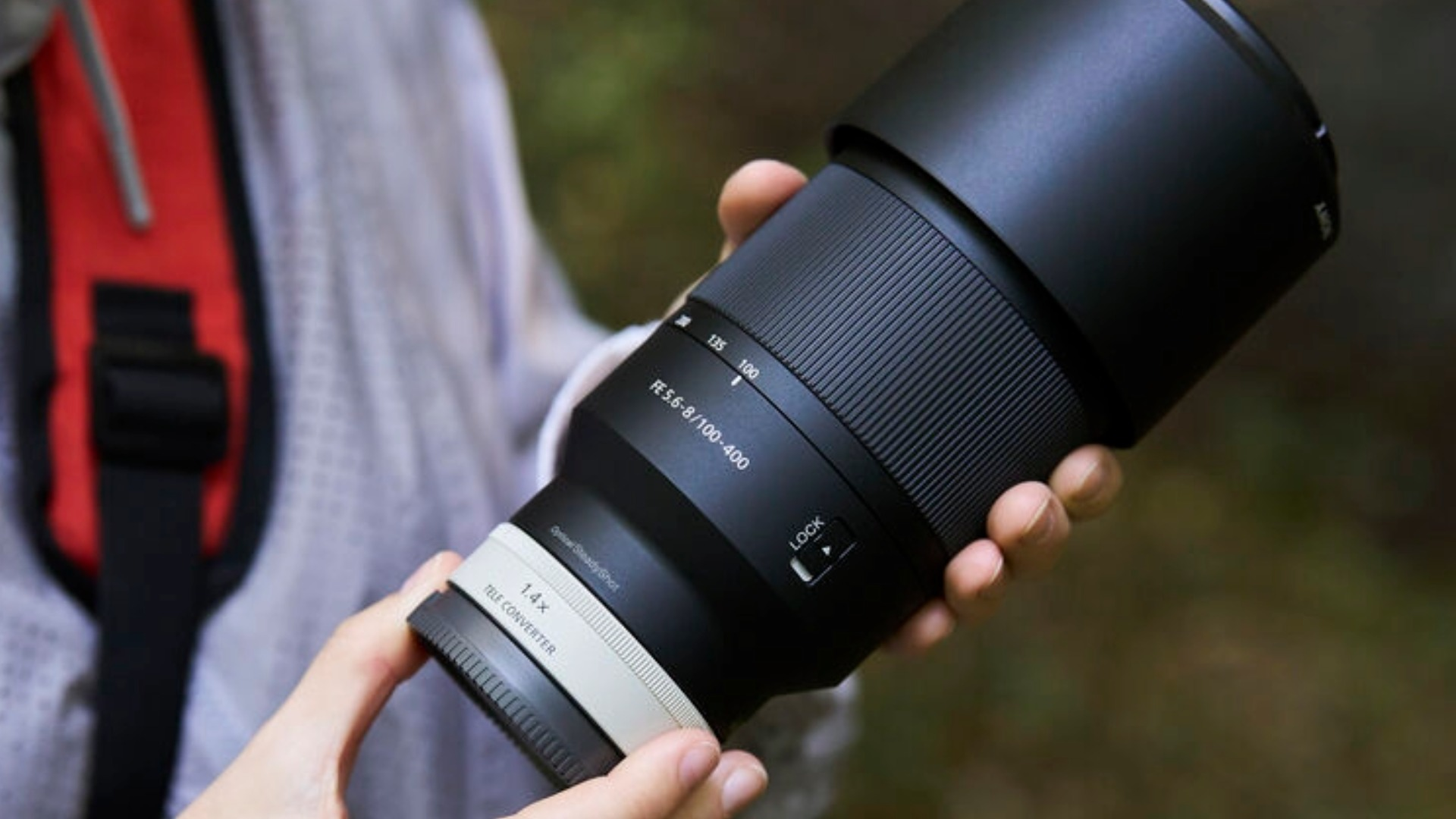
Both Sony teleconverters are supported, and with the 2x attached, the combination reaches 800mm (1,200mm equivalent in APS-C crop). Worth being honest about the math here: starting from F5.6-8, the 1.4x teleconverter lands around F8-11, and the 2x lands around F11-16. That's workable for stills in bright daylight. For video, where shutter angle is fixed by frame rate and ISO is the only remaining lever, F16 at 800mm is a daylight-only proposition, and autofocus performance at those apertures still needs real-world testing. Used natively at F8 without a teleconverter, though, this is a legitimate long-lens option for wildlife documentary work, event safety coverage, or compressed background inserts, particularly as a second lens alongside a body like the Sony FX5.
Competitive Context
This launch is also a data point in Sony's broader lens strategy. The premium end of the telephoto lineup was refreshed only weeks ago, and Sony has separately proposed acquiring Tamron, a move that would give it considerably more capacity in exactly this affordable, high-volume segment. Filling the sub-$1,000 super-telephoto slot with first-party glass, during a period of rising camera and component prices industry-wide, reads as a deliberate defense of a price tier third-party lens makers have been steadily capturing.
The Signal in the Noise

For video shooters, the honest read is straightforward: if you're doing casual wildlife or nature content, building a lightweight travel or documentary kit, or want an affordable long-lens option for occasional use, the F5.6-8 is a genuinely strong value at $849.99.
If you're doing professional narrative or commercial work where consistent exposure during zooms matters, or where sustained sharpness at 400mm under demanding conditions is non-negotiable, the constant-aperture F4.5 GM remains the lens built for that job, at a real cost and weight premium. Sony built this lens honestly for the audience it says it built it for; the trick is being honest with yourself about which audience you're actually in.
Specs & Pricing
- Weight: 654g / 23.1oz
- Dimensions: 78.2mm diameter, 164.5mm length
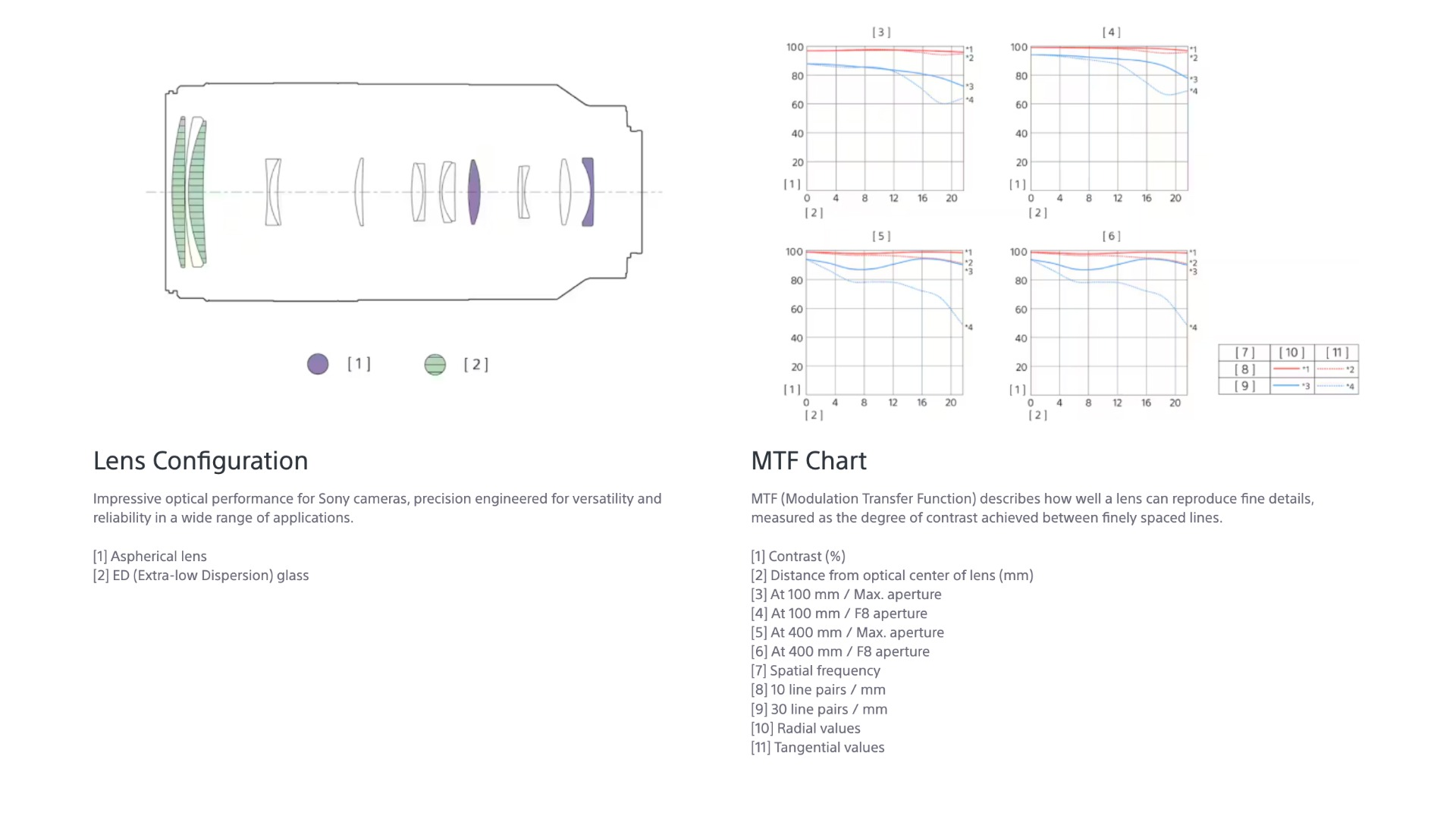
- Optical design: 15 elements, 10 groups (2 ED, 2 aspherical)
- Aperture range: F5.6-8 (max) to F32-45 (min)
- Filter thread: 67mm
- Min focus: 1.13m (wide) / 0.86m (400mm), 0.41x max magnification
- AF/AE tracking: up to ~120fps with Sony a9 III
- Teleconverter support: SEL14TC (1.4x), SEL20TC (2x), up to 800mm
- Price: $849.99 / ~€900 / ~£800
- Availability: September 2026 (US), end of August 2026 (Europe)