Sony's New Sensor Could Push Smartphone Filmmaking Closer to a Real Camera
Sony's new Lytia L910 LOFIC sensor promises nearly 17 stops of dynamic range in smartphones. Here's what that means for smartphone filmmakers and content creators.

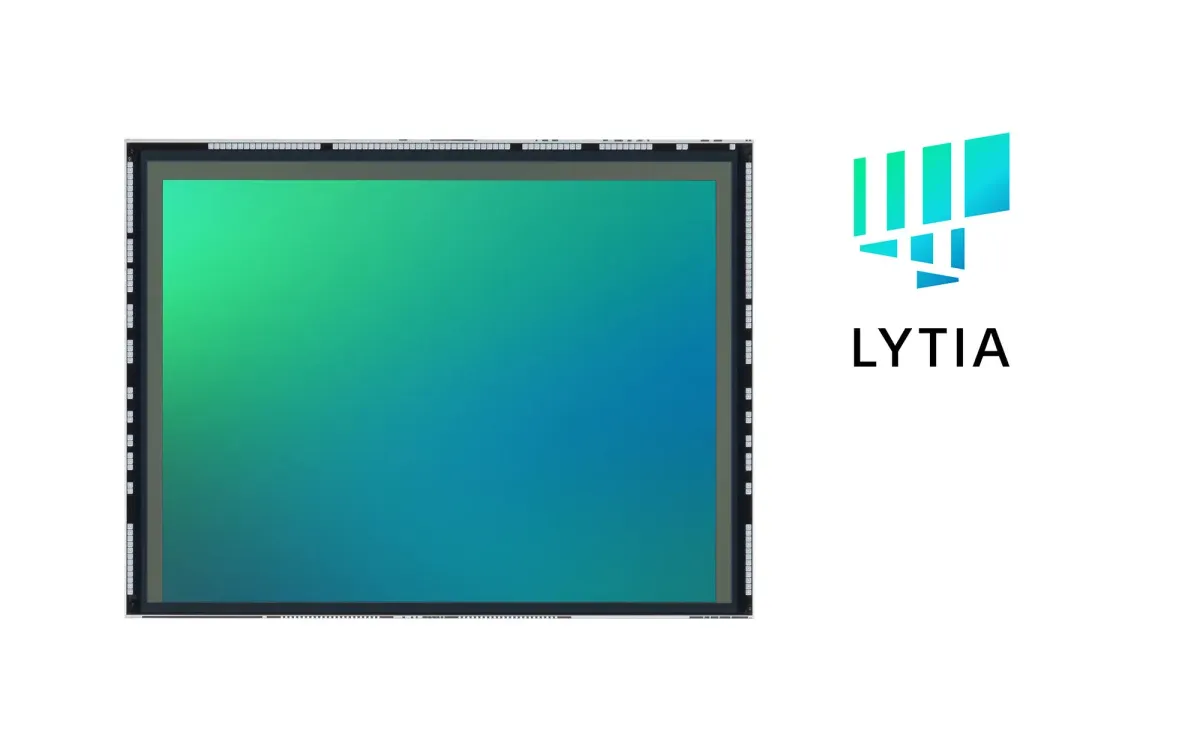
Sony just announced its first LOFIC image sensor, the Lytia L910, and the dynamic range numbers are genuinely striking for a smartphone sensor. If you've ever shot a run-and-gun project on a phone and fought blown-out skies or muddy shadows in the same frame, this is the kind of sensor advancement actually worth paying attention to.
What LOFIC actually does
LOFIC stands for Lateral Overflow Integration Capacitor, and the simplest way to understand it: a traditional sensor wastes the excess light that overflows a photodiode once it's "full" — that light is just lost. A LOFIC sensor instead routes that overflow into a parallel circuit and uses it, effectively expanding how much highlight and shadow detail a single exposure can capture without needing to merge multiple frames together (the way traditional smartphone HDR works today).
Sony's L910 claims 100 dB of dynamic range in a single exposure — roughly 16.6 stops. For comparison, that's in the range of what high-end dedicated cinema cameras achieve, not historically what you'd expect from a phone sensor. Sony pairs this with what it calls Triple Conversion Gain-HDR, reading photoelectric charge across three different conversion gains from one exposure to reduce both blown highlights and shadow noise simultaneously.
Sony also claims roughly 30% less random noise in low-light conditions compared to its prior-generation sensor, which matters just as much as the dynamic range number for anyone shooting interiors or night scenes.
Why Sony is building this in the first place
Sony's own announcement frames this as a response to the growing popularity of video production and live streaming, and the demand that's created for cameras — including phone cameras — that can deliver stable, high-quality imaging across a wider range of shooting conditions.
That's a notable thing for a sensor manufacturer to say outright: the smartphone camera roadmap is being shaped specifically by how many people are now using phones as their primary video production tool, not just for stills.
Why this matters for smartphone filmmakers specifically
To be clear about where this fits: this is a genuine leap for smartphone-based filmmaking and content creation, not a development that touches professional cinema camera workflows.
If you shoot run-and-gun content, social video, or documentary-style work on a phone, a sensor like this means meaningfully better highlight recovery and shadow detail straight out of camera — less time spent fighting dynamic range limitations in color grading, and better raw material to work with on mixed-lighting shoots (interiors with windows, nighttime scenes with bright signage, anything high-contrast).
This isn't a replacement for what a full-frame or Super 35 cinema sensor can do, and it's not trying to be. It's a meaningful upgrade to the tool a huge number of creators are already shooting on by default — and as phone cameras have steadily closed the gap with dedicated cameras over the past several years, this is another real step in that direction rather than an incremental spec bump.
Where it's actually landing
Sony's sensors currently ship in phones from Xiaomi, OnePlus, and Vivo, and a similar LOFIC-type sensor has already shipped in the Xiaomi 17 Ultra, which PetaPixel separately reviewed as the best image maker in that phone, especially shooting raw DNG files. Mass production of the L910 was confirmed for summer 2026, meaning flagship phones shipping this fall and winter could carry it as their main camera sensor.
Worth following regardless of which specific phones get it first: LOFIC sensor architecture is the kind of underlying tech that tends to filter upward over time, including potentially into larger sensors used in dedicated cameras down the line. For smartphone filmmakers, this is a strong signal of where mobile capture quality is headed in the near term.
Key Specs:
- Sensor name: Sony Lytia L910
- Sensor type: Type 1/1.28, 50-megapixel
- Dynamic range: ~100 dB single exposure (≈16.6 stops)
- Low-light noise: ~30% reduction vs. prior-generation sensor
- Key technology: LOFIC (Lateral Overflow Integration Capacitor) + Triple Conversion Gain-HDR
- Mass production start: Summer 2026
- Expected device availability: Fall/winter 2026 flagship smartphones
- Known sensor customers: Xiaomi, OnePlus, Vivo