The Argument Against Large Format That Every Cinematographer Should Read
A new piece by Kenny McMillan's on ProVideo Coalition makes the most rigorous case yet that the "large format look" is optical, not sensor-based. Here's the argument — and why you should read the full thing.

The "large format look" is one of the most persistent myths in cinematography — and a new piece on ProVideo Coalition by Kenny McMillan makes the most technically rigorous case yet that it's built on a physics misunderstanding.
McMillan is a cinematographer and host of the Frame & Reference podcast, and his piece "The 'Large Format Look' is a Lie" is worth reading in full before you keep scrolling. What follows is a summary — but the full argument, with the math worked out, is on ProVideo Coalition, and it's worth your time.
What large format actually does — and doesn't do
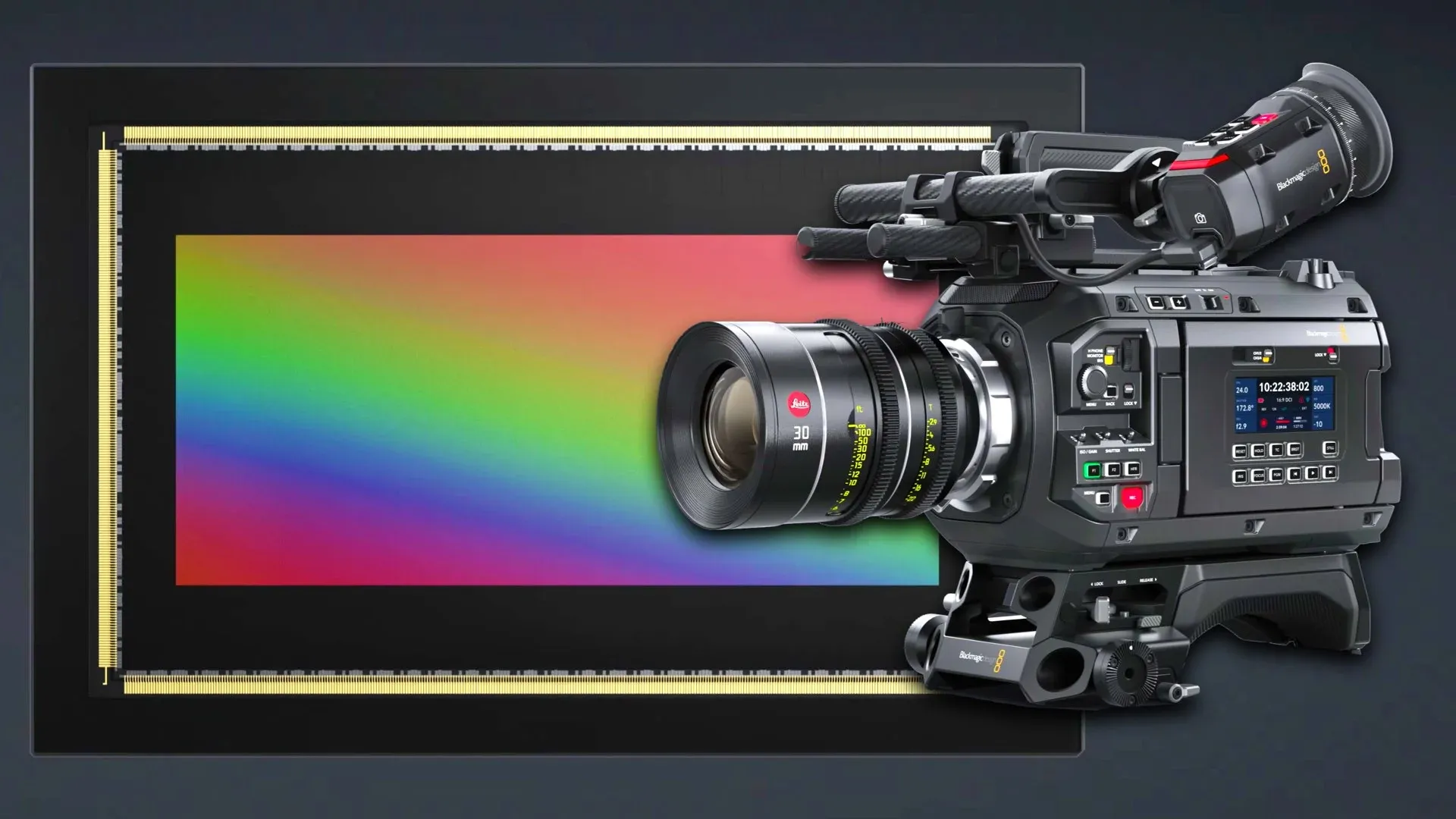
McMillan starts by being honest about the real advantages of larger sensors. Bigger photosites capture more light, produce higher dynamic range, and an 8K full-frame sensor downsampling to 4K gets cleaner per-pixel noise reduction than native-4K Super35 because the 4-to-1 integer math is perfectly clean. Those advantages are real and measurable.
But the conversation usually migrates from sensor performance to "the look" — the shallow depth of field, the background rendering, the specific quality of out-of-focus areas. And that's where McMillan argues the conversation goes wrong. Because those characteristics are optical, not sensor-derived.
The f-stop vs. t-stop distinction that does the most work
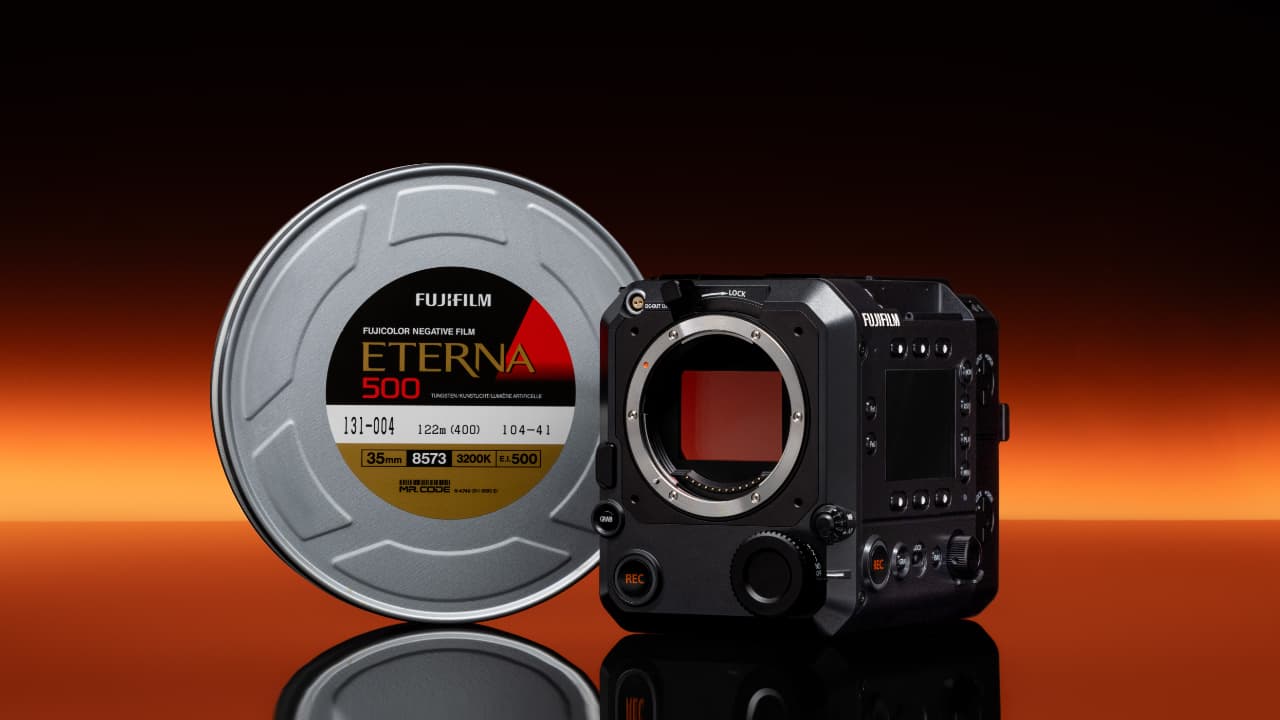
An f-stop is a geometric measurement: the ratio of a lens's focal length to the diameter of its entrance pupil. It determines your depth of field and the physical size of your blur circles. A t-stop measures actual light transmission through the glass.
These two things get used interchangeably on set constantly, and that conflation is the root of most large-format confusion. When you understand that depth of field and background rendering are purely functions of aperture diameter and camera-to-subject distance — not sensor size — you can see how the "full frame look" is achievable without a full-frame sensor, by choosing lenses that match the optical geometry.
McMillan puts it plainly: all of our favorite films were probably shot on Super35 somewhere between f/2 and f/5.6, and you can achieve that with almost any lens.
Where focal reducers actually fit in
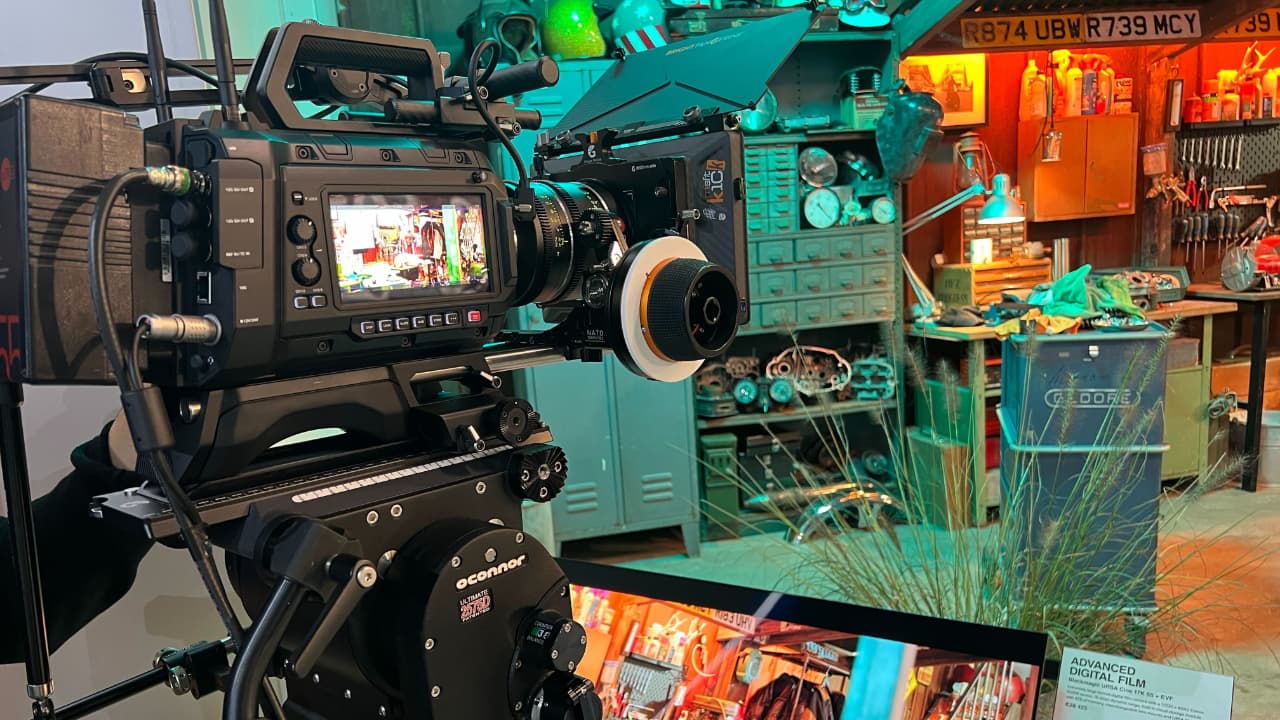
A focal reducer (Speedbooster) takes a large-format image circle and optically compresses it onto a smaller sensor, widening the field of view and concentrating light — which increases the effective t-stop by about one stop.
What it doesn't do: change the sensor's native well-capacity, expand dynamic range, or replicate the downsampling math of a higher-resolution sensor. McMillan is precise on this distinction. A Speedbooster optimizes a smaller format. It doesn't transform it into a larger one.
The more useful frame: if you match the optical geometry between a speedboosted Super35 setup and a native full-frame setup, the rendered background blur is effectively identical. Which means there's often a native lens choice that gets you the same result without an adapter at all.
The one edge case where large format genuinely wins
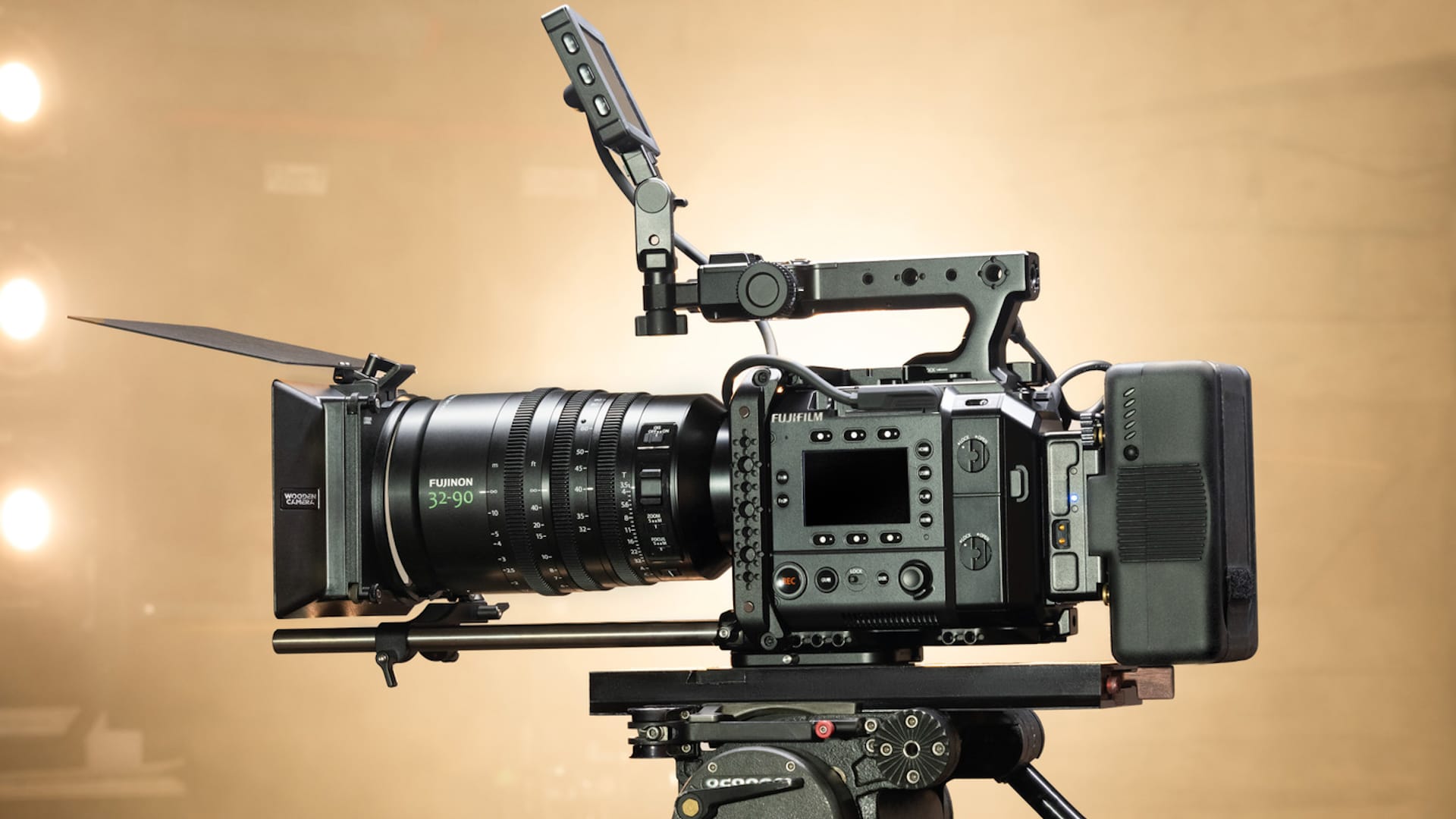
McMillan is honest about where his argument has limits. If you need the ultra-shallow rendering of a native full-frame 85mm at f/1.2, the Super35 equivalent would be roughly 60mm at f/0.85. That lens probably doesn't exist.
His response is characteristically direct: who actually wants to shoot that shallow in practice?
The depth of field at f/1.2 on a full-frame 85mm is nearly unworkable on a real set. And audience fatigue with that look is real.
The principle Steve Yedlin proved
The clearest through-line in McMillan's piece draws on documented testing by ASC cinematographer Steve Yedlin: lenses don't create perspective. Distance does.
Every spatial relationship in the frame is determined by how far the camera is from the subject. Keep camera position constant and swap lenses to match field of view, and the geometric rendering of the image is interchangeable regardless of sensor size. A viewer cannot identify sensor size from depth of field alone.
That's the argument. McMillan builds it carefully, with the math, over 2,700 words on ProVideo Coalition. Go read the full thing — it's the clearest version of this case that exists in one place.