What's the Difference Between a Cinema Camera and a Mirrorless Camera?
A cinema camera and a mirrorless camera can shoot visually similar footage. Here's what actually separates them, and which one fits your workflow.

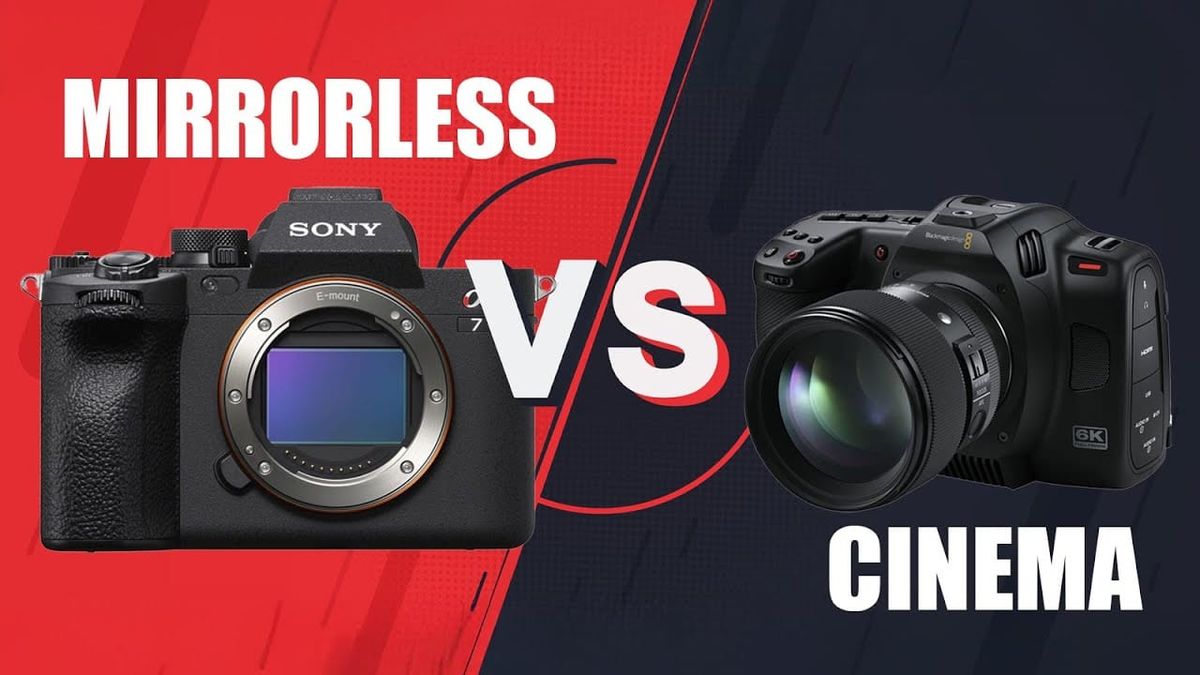
A cinema camera and a mirrorless camera can produce visually similar footage, sometimes shot on sensors from the same manufacturer, and that similarity is exactly what makes the actual distinction confusing. The real difference isn't image quality, it's what each camera is built around: a mirrorless camera is a stills camera that shoots excellent video, and a cinema camera is a video tool that happens to also take photos, if it takes them at all.
Where the Category Actually Started
Mirrorless cameras get their name from a real mechanical distinction: they eliminate the mirror and optical viewfinder mechanism that defined DSLRs, using an electronic viewfinder or screen instead. That's fundamentally a stills-camera lineage, and video capability got added on top over successive generations, first as a feature, increasingly as a co-equal priority.
Cinema cameras, sometimes called cine cameras, were designed from the ground up for continuous professional video production, without ever needing to justify a stills mode at all. Sony's Cinema Line (FX3, FX5, FX6, FX9), Canon's Cinema EOS line, and Blackmagic's Pocket Cinema Camera series all trace their design priorities directly to what a video production actually needs on set, not to a stills camera's feature checklist with video bolted on.
The Practical Differences That Actually Matter
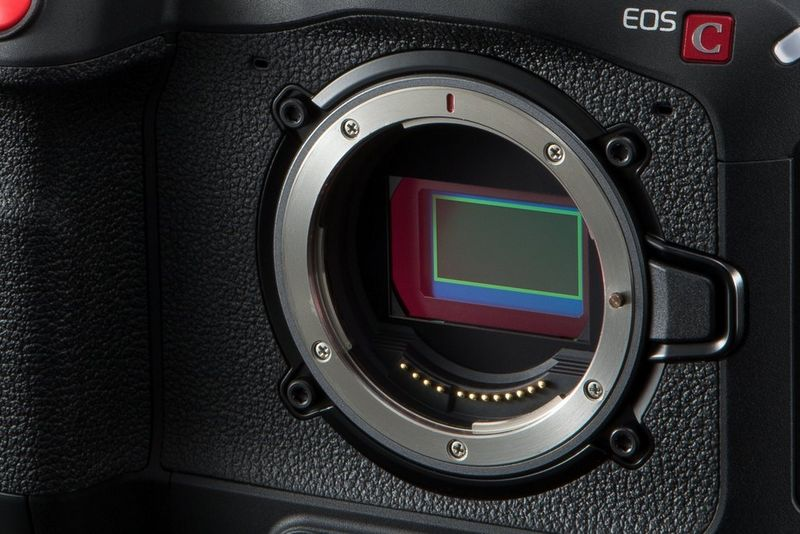
Form factor and ergonomics. Mirrorless bodies are built around a hand grip and a shutter button, optimized for handheld stills shooting. Cinema cameras are built around mounting points, threaded holes on every surface for rigging, XLR audio inputs built directly into the body, and often no viewfinder at all, since the assumption is you're monitoring on an external screen, not shooting through an eyepiece. Sony's FX5, for example, ships without the F-mount video accessory unit and viewfinder that its predecessor bundled, reflecting a body designed to already sit in a rig rather than be handheld like a stills camera.
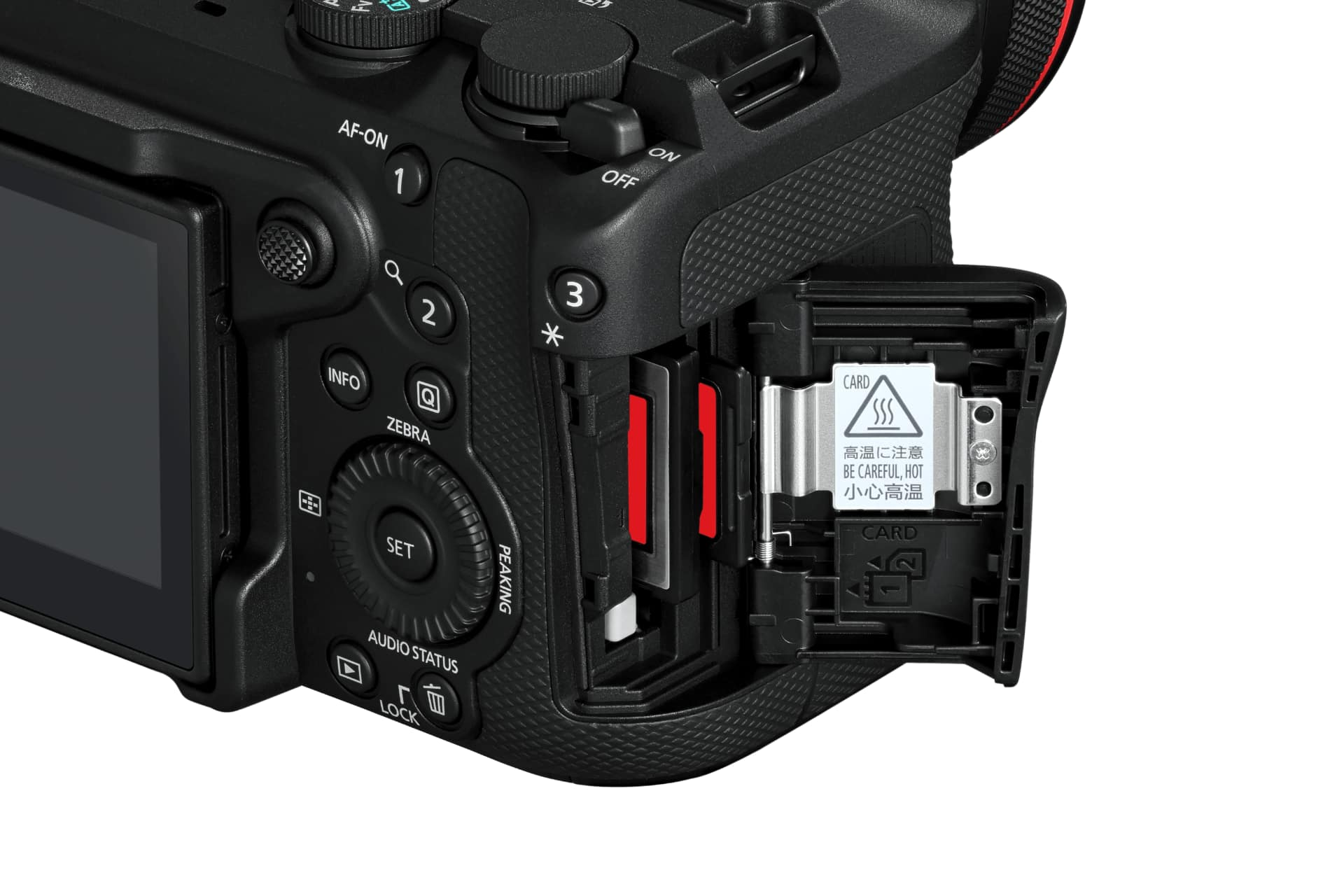
Recording formats and codecs. Cinema cameras typically offer more sophisticated internal recording options built for a real post-production pipeline: higher bitrate codecs, RAW internal recording in some models, and workflow compatibility with professional color tools. Canon's EOS R6 V, despite technically being part of a mirrorless-adjacent lineup, was explicitly built around this priority, ProRes RAW output over HDMI, active cooling for sustained recording, and no built-in viewfinder at all, blurring the line between the categories on purpose.
Sustained recording and thermal management. This is one of the most practically significant differences. Many mirrorless cameras still have recording time limits or thermal shutoffs during long, continuous takes, because their bodies weren't built to dissipate heat during hours of continuous sensor operation the way a dedicated cinema body is. Cinema cameras generally handle sustained recording without that concern, active cooling systems and larger bodies exist specifically to solve this problem.
Audio. Cinema cameras typically include XLR inputs directly on the body, phantom power, and dedicated audio controls, treating audio as a first-class production concern. Most mirrorless cameras require an adapter or external recorder to get professional XLR audio at all.
Autofocus and stills performance. This cuts the other direction. Mirrorless cameras generally lead on autofocus sophistication and stills-specific features (burst rate, RAW photo quality, in-body stabilization tuned for handheld stills), since that remains their primary design priority. A cinema camera's autofocus is usually good enough for video work but rarely competes with a flagship mirrorless body's stills-focused tracking performance.
Where It Gets Genuinely Blurry
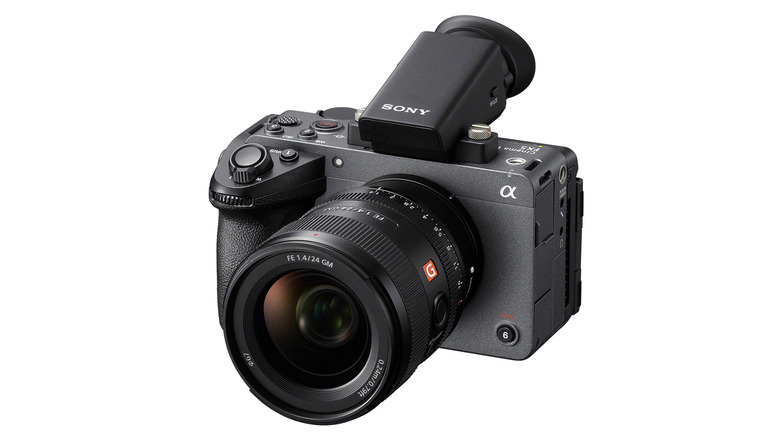
Sony's FX3 and FX5 use the same sensor as certain Alpha mirrorless bodies, and Canon's newer EOS R6 V shares core DNA with its mirrorless R6 line while being marketed explicitly as a video-creator camera. Manufacturers are increasingly building video-first variants of mirrorless bodies rather than maintaining two fully separate product lines, which is exactly why "which category is this camera actually in" has gotten harder to answer just by looking at a spec sheet.
The more useful question isn't which category a camera technically belongs to, it's which set of priorities its actual design choices reflect: built-in viewfinder or not, XLR inputs or not, thermal management for sustained recording or not, rigging points across the body or a single tripod mount.
Which One You Actually Need
If you're doing narrative, documentary, or any production requiring long, uninterrupted takes, XLR audio, and heavy rigging, a cinema camera is built for that job specifically, and fighting a mirrorless body's limitations (recording limits, awkward audio, minimal mounting points) becomes real friction over a full production.
If you're a hybrid shooter doing photography and video, need excellent autofocus and stills performance, or want a single body that does both jobs well without renting separate gear, a mirrorless camera remains the more flexible, more affordable choice, especially at the entry and mid-tier price points.
Video-first mirrorless variants like the EOS R6 V or Sony's FX3 sit deliberately in between: built on mirrorless platforms, but stripped of stills-first design compromises (viewfinders, in some cases) in favor of the video priorities cinema shooters actually need.
The Signal in the Noise
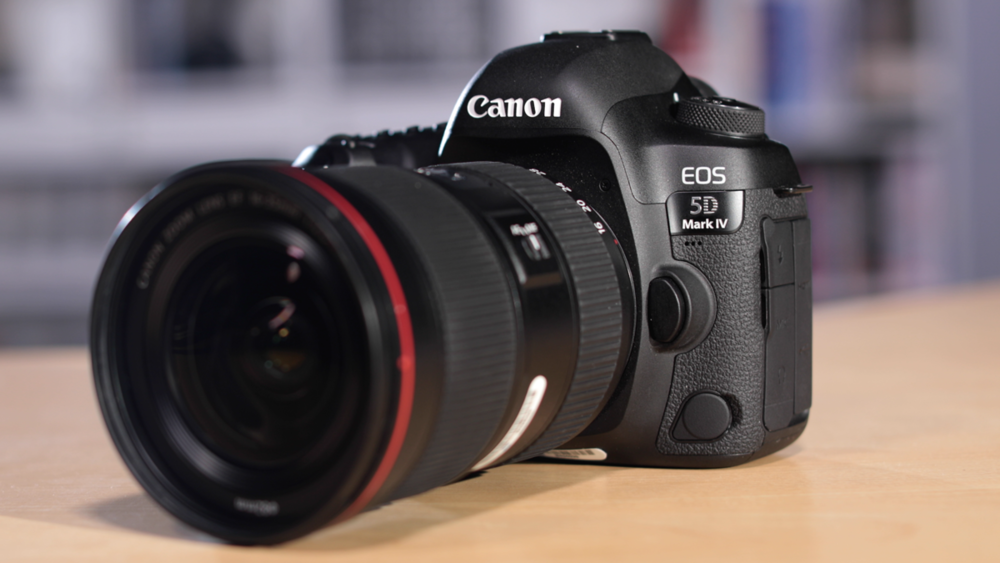
The real distinction between a cinema camera and a mirrorless camera isn't image quality, modern sensors have converged enough that the gap there is often small or nonexistent. It's what the body is physically built to support during a real production: sustained recording without overheating, professional audio without an adapter, and mounting points for the rig your actual workflow requires. Buy based on what your production days actually look like, not which category sounds more professional.