DJI's New Pocket 4P Has a LOFIC Sensor — and Its Dynamic Range Is Giving Full Frame Cameras Trouble
DJI's new Osmo Pocket 4P has a LOFIC sensor — and PetaPixel's testing shows its dynamic range matching the Panasonic Lumix S1 II in direct comparison. Here's what that actually means.

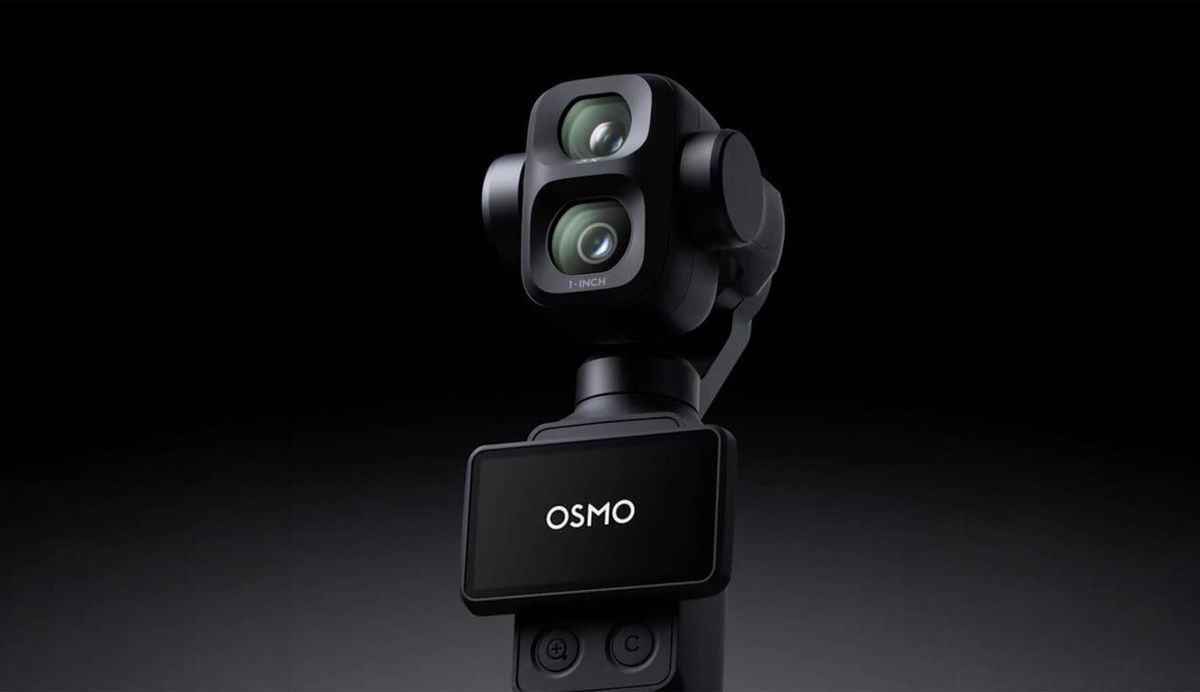
DJI just unveiled the Osmo Pocket 4P in China, and PetaPixel has been testing it ahead of embargo. The headline finding: the 4P's new LOFIC sensor delivers dynamic range that's nearly identical to the Panasonic Lumix S1 II — one of the strongest full-frame video cameras on the market — in direct torture-test comparisons. That's worth stopping on for a second, because the Pocket 4P is a pocket gimbal camera.
What's actually new in the 4P
The Pocket 4P is a meaningful departure from the standard Osmo Pocket 4, not just a dual-camera version of it. DJI replaced the familiar Type 1 sensor entirely with a new 50-megapixel LOFIC sensor — the same underlying technology as Sony's recently announced Lytia L910 we covered last week. The 4P adds a second telephoto camera (approximately 70mm equivalent with a 1/1.5-inch sensor) alongside the main wide camera, giving it genuine optical zoom rather than the digital crop the standard Pocket 4 relies on.
What LOFIC actually changes
LOFIC fundamentally changes how a sensor collects and stores light, enabling cleaner shadows without losing as much highlight data — capturing up to 17 stops of dynamic range — compared to the standard Pocket 4's 14 stops. The engineering challenge DJI had to solve wasn't just dropping in a new sensor: DJI had to customize the ISP pipeline to merge dual signal paths and optimize power delivery and thermal performance, developing algorithms with signal-fusion methods, pixel-level calibration, dedicated noise reduction, and a custom log curve. That's a substantial engineering lift for a pocket camera.
The full-frame comparison that's hard to argue with
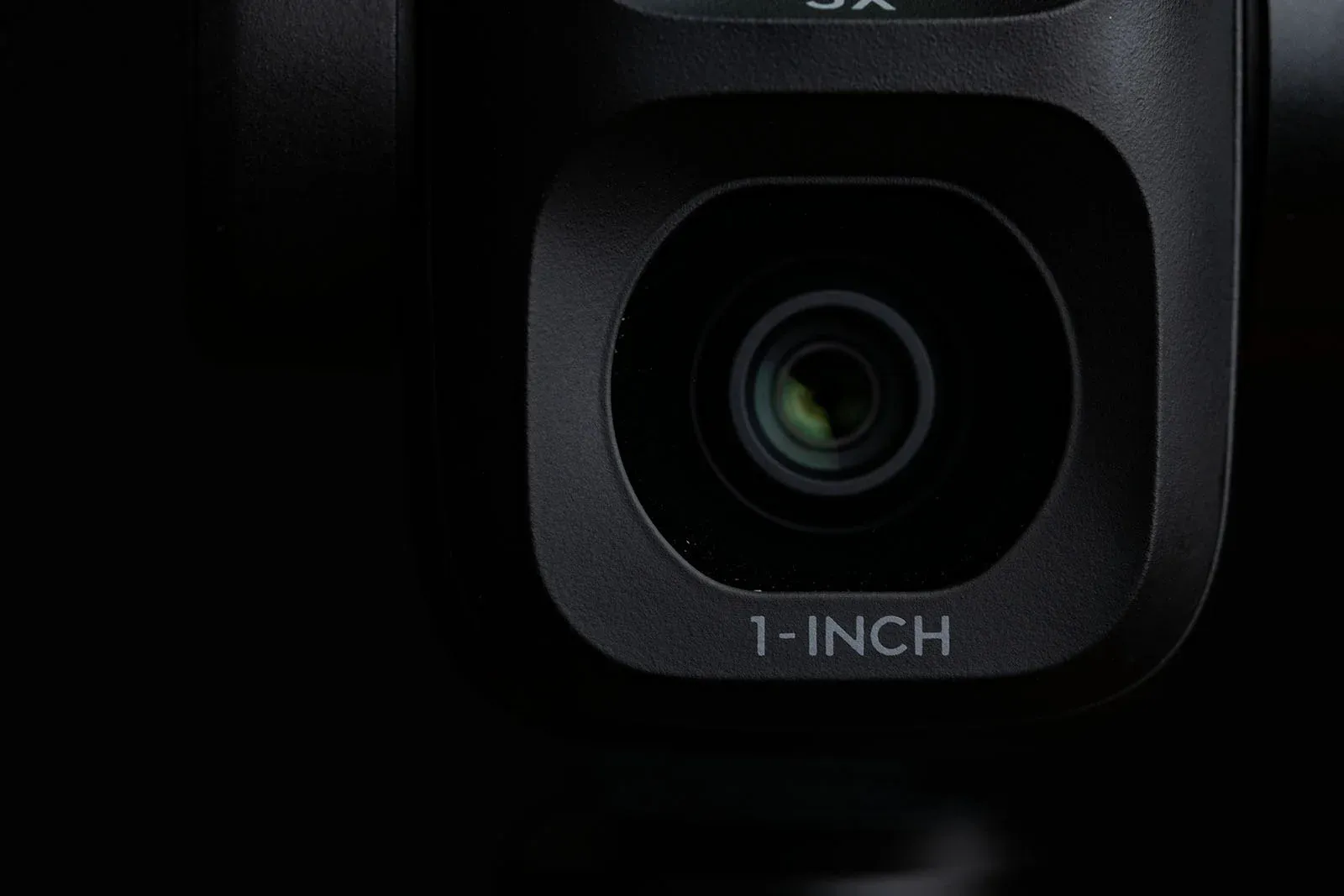
PetaPixel's reviewer Drake put the Pocket 4P against the Panasonic Lumix S1 II with Dynamic Range Boost enabled — specifically chosen because it represents the best dynamic range available on any full-frame video camera right now. With both cameras set to one-third of a stop below their clipping point in an extreme high-contrast test scene, the Osmo Pocket 4P delivered very similar performance.
"The usable dynamic range of this relatively tiny LOFIC sensor is comparable to professional full-frame cameras," Drake concludes. That's not a marketing claim — it's from direct side-by-side testing under controlled conditions. A full-frame sensor is around eight times as large as a Type 1 sensor, which makes this result worth taking seriously.
The practical implications for content creators
The best dynamic range performance comes from D-Log 2 at ISO 800 or 1600, which occasionally requires DJI's ND filters to manage exposure. Even footage shot in the standard color profile shows measurable improvement over the previous generation.
For run-and-gun content creators, documentary shooters, and anyone who's relied on a Pocket 3 or Pocket 4 for B-roll — this closes a gap that previously required a much larger camera to bridge.
One real caveat for US buyers
DJI's application for authorization to sell the Osmo Pocket 4 in the United States is still pending, and that challenge almost certainly applies to the 4P. The camera is currently available only in China. No US release date has been announced, and given the broader regulatory environment around DJI and FCC authorization, there's no clear timeline.
If you're outside the US, or willing to import, the 4P is shaping up to be a genuinely compelling option. If you need to buy from an authorized US retailer, this is a wait-and-see situation for now.
Competitive Context
The Pocket 4P is entering a market where Insta360 is aggressively expanding its own gimbal camera lineup. The Insta360 Luna Ultra has been heavily teased with 8K video and a remote control with OLED display. DJI's LOFIC sensor advantage is real and measurable right now — but the competitive window on that advantage will likely close by the time a US release is realistic.
The Signal in the Noise
LOFIC is the story, not just the Pocket 4P. We covered Sony's Lytia L910 announcement last week, and the DJI Pocket 4P is the first real-world proof that LOFIC sensors deliver on their promise outside a lab. When a pocket gimbal camera matches full-frame dynamic range in controlled testing, that's not a spec-sheet claim anymore — it's a demonstrated capability. The implications for smartphone and compact camera video production are significant and getting more significant fast.
Key Specs:
- Main camera: 50MP LOFIC sensor, 20mm equivalent, f/2 lens
- Telephoto camera: ~70mm equivalent, 1/1.5-inch sensor
- Dynamic range: Up to 17 stops (D-Log 2, ISO 800-1600)
- Video: 4K, D-Log 2 color profile
- Stabilization: 3-axis mechanical gimbal
- Lossless zoom: Up to 6x
- Subject tracking: ActiveTrack 7.0
- Availability: China only, US authorization pending
- Pricing: Not yet confirmed for global markets