fal’s Motion to Code Turns a Prompt or Video Into Editable Animation Code
fal’s Motion to Code turns a prompt, image or video into editable GSAP animation or a looping GLSL shader. It weighs kilobytes instead of megabytes and costs from $0.20 per second.

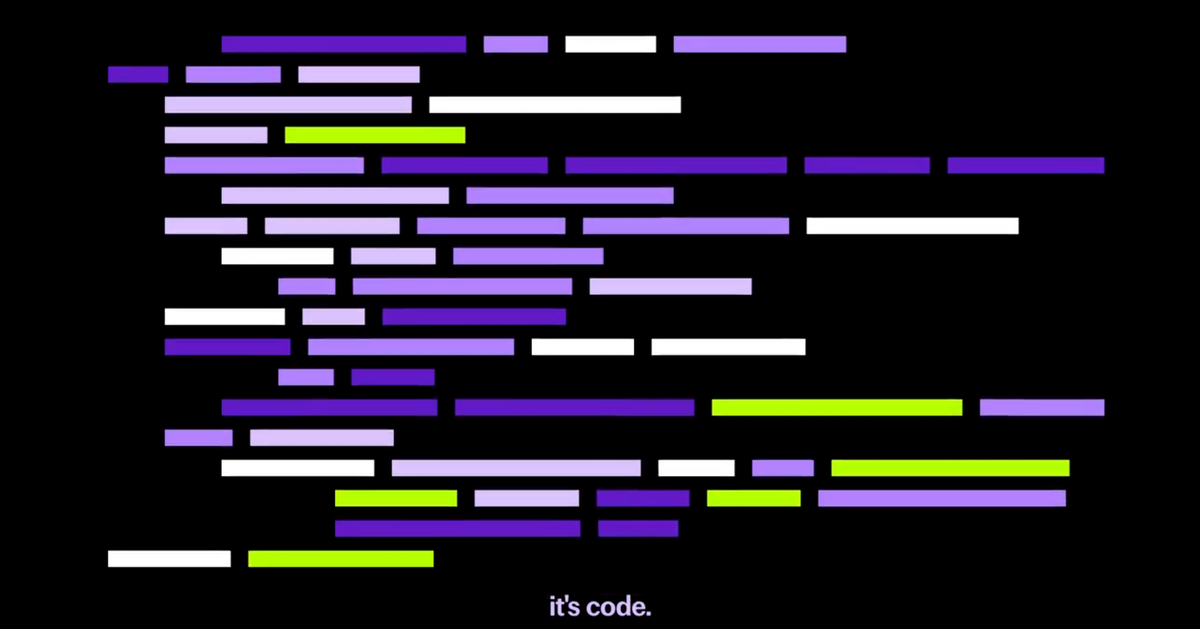
fal has launched Motion to Code, a tool that turns a text prompt, image or video into animation code instead of a video file. Describe an animation or drop in a reference, and it returns either an HTML page built on the GSAP animation library or a looping GLSL shader.
The pitch is size and flexibility. Code weighs a few kilobytes instead of megabytes of video, stays sharp at any resolution and can be edited after the fact, which matters for anyone who builds motion graphics for the web, apps or screens.
How It Works
Motion to Code is now on fal.
— fal (@fal) October 29, 2026
Describe an animation, or drop in an image or a video, and get back editable code: a GSAP page or a looping GLSL shader.
A few KB instead of MBs of video. Sharp at any resolution. pic.twitter.com/IQe11ivKqu
Motion to Code has two versions on fal. The GSAP version produces a self-contained HTML animation on a 1920×1080 stage, suited to kinetic type, title cards and interface-style motion graphics. The GLSL version produces a seamlessly looping shader, plus a standalone HTML page that plays it live.
You can start from a text prompt, an image or your own video, with optional audio. When you start from a prompt or image, fal uses MiniMax H3 Max to animate it first, then converts that motion into code.
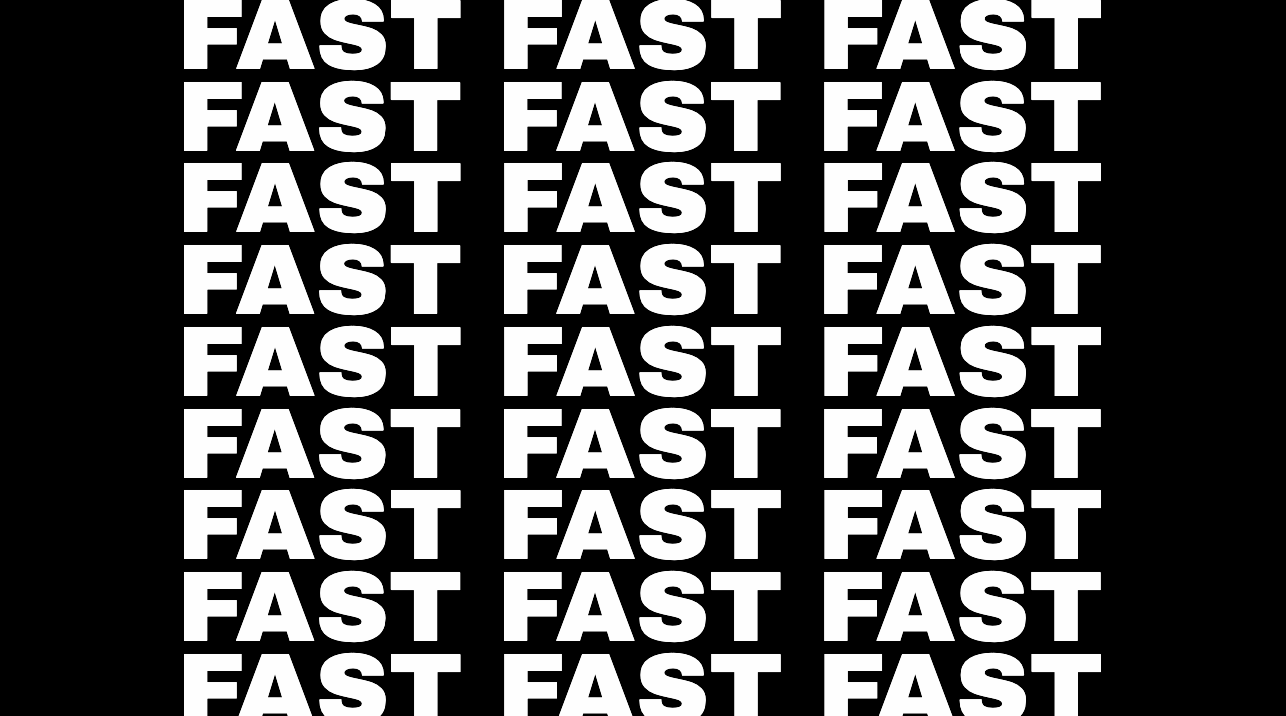
Each run also returns an MP4 preview and a contact sheet, so you can check the result before opening the code. fal’s GSAP example shows a six-second loop where stacked rows of text whip sideways, collapse into one large word and get an underline.
Why Code Instead of Video
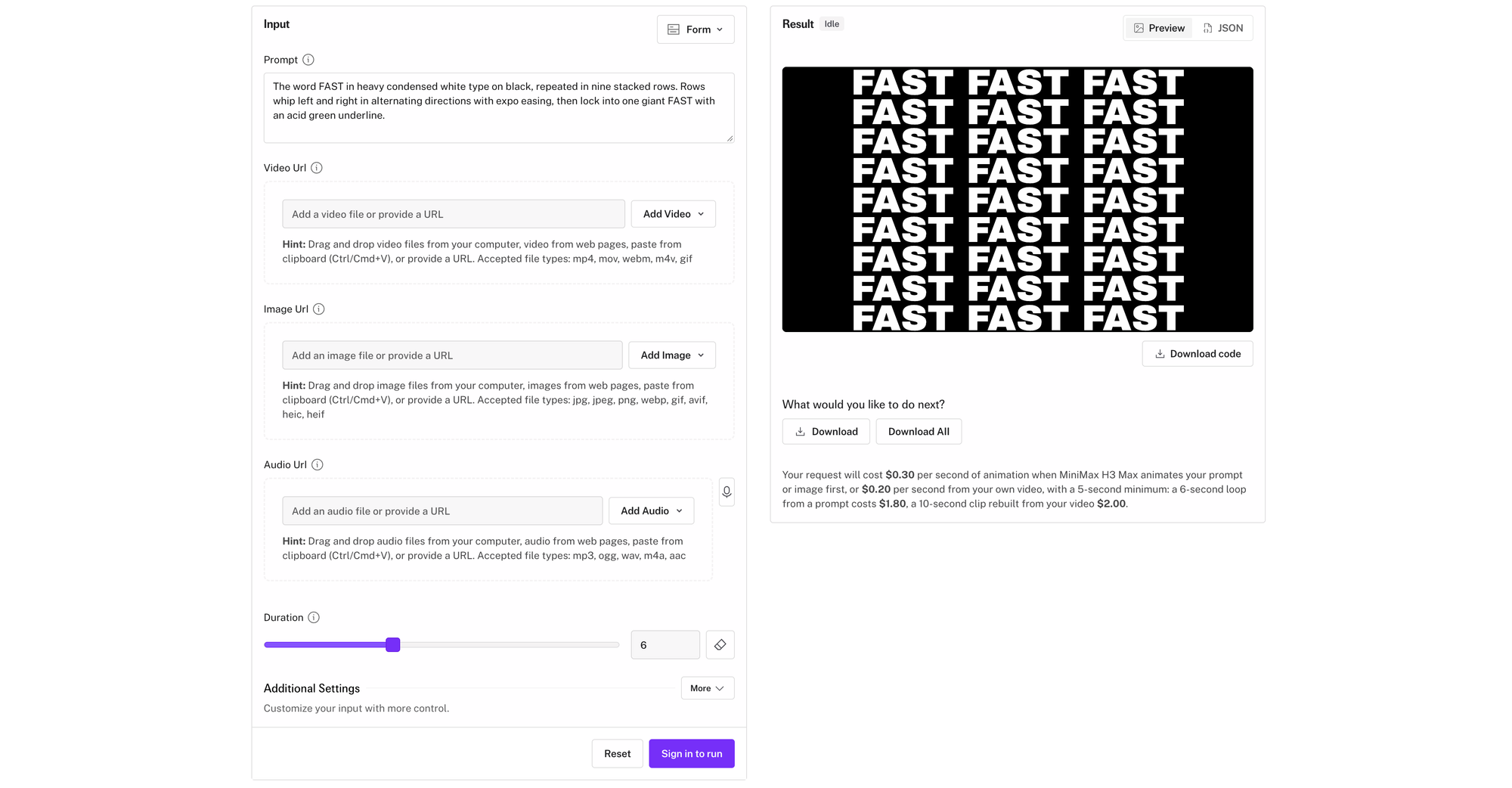
For motion designers and web developers, a video file is a dead end. Changing a word, a color or the timing means re-rendering. With code, those edits happen in the file itself, and the animation scales to any screen without compression artifacts.
That’s the same idea behind other recent tools that output editable formats instead of flat video, covered in Code Video Model Turns AI Video Into Editable Code for Previs and Ideogram’s Vector Model Generates SVGs for Motion Graphics.
What It Costs
Pricing is per second of animation, with a five-second minimum. Starting from a prompt or image costs $0.30 per second, so a six-second loop runs $1.80.
Starting from your own video costs $0.20 per second, so a ten-second clip rebuilt as code costs $2.00. Both versions are available through fal’s playground and API.
The Limits
Motion to Code rebuilds motion as an approximation, not a frame-perfect copy. Complex footage, organic movement and photographic detail won’t translate into GSAP or shader code the way a clean graphic loop will.
fal’s pages also don’t list maximum duration or resolution, or name the team behind the model. The real test is whether the generated code is clean enough for a designer to read and adjust, rather than something that only works as a one-off output.
Competitive Context
Most AI video tools, including MiniMax H3, Kling and Seedance, output finished video files. Motion design tools like After Effects and Rive remain the standard for hand-built, editable animation, and many motion designers already write GSAP and shader code by hand for web projects.
Motion to Code sits between the two, using AI to get a first draft into an editable, web-ready format. For more on speeding up motion graphics work, see Motion Dock Brings Free Tools to After Effects.
The Signal in the Noise
For web designers, UI animators and editors who need lightweight looping graphics, Motion to Code is a practical idea at a low price, and worth a few test runs. Getting editable code back is more useful than another video file to re-render.
It’s less relevant for filmmakers working with live-action footage. Treat it as a fast way to rough out motion graphics, not a replacement for a motion designer’s judgment.
Would you use AI-generated code as a starting point for motion graphics? Share how you’d fit it into your workflow in the comments.
Specs & Pricing
- Tool: Motion to Code, on fal
- Outputs: GSAP HTML animation (1920×1080 stage) or looping GLSL shader with HTML player; MP4 preview and contact sheet
- Inputs: Text prompt, plus optional image, video and audio
- Video formats: MP4, MOV, WebM, M4V, GIF
- Price from prompt or image: $0.30 per second (via MiniMax H3 Max)
- Price from your own video: $0.20 per second
- Minimum: Five seconds
- Access: fal playground and API