Everything New in Final Cut Pro: MotionVFX, Stock Video, AI Images and Timeline Upgrades
Final Cut Pro’s November update builds in MotionVFX, adds stock video and AI images, connects to Pixelmator Pro and lets clips leave the primary storyline. Here’s everything editors get.


Apple is bringing one of its biggest Final Cut Pro updates in years to Apple Creator Studio this November. The update builds MotionVFX’s effects library directly into the app, adds stock video, connects Final Cut Pro to Pixelmator Pro and loosens one of the timeline’s longest-standing rules.
The updates arrive as a free update for existing Apple Creator Studio subscribers. New subscribers pay $12.99 a month or $129 a year. Here’s everything editors are getting.
MotionVFX, Built In
The headline addition is MotionVFX, a longtime maker of paid templates and plug-ins for Final Cut Pro, now integrated directly into the app. Apple says editors get access to thousands of elements, including themed templates, graphics, titles and transitions, plus tools for rotoscoping, tracking and color grading.
“MotionVFX content in Final Cut Pro gives subscribers rapid access to extensive professional video effects and content,” said Brent Chiu-Watson, Apple’s senior director of Worldwide Product Marketing for Apps and iCloud.
Motion gets its own set of built-in MotionVFX plug-ins, covering cinematic color grading, 3D camera tracking and one-click selection, plus a new Displacement filter.
Stock Video in the Content Hub
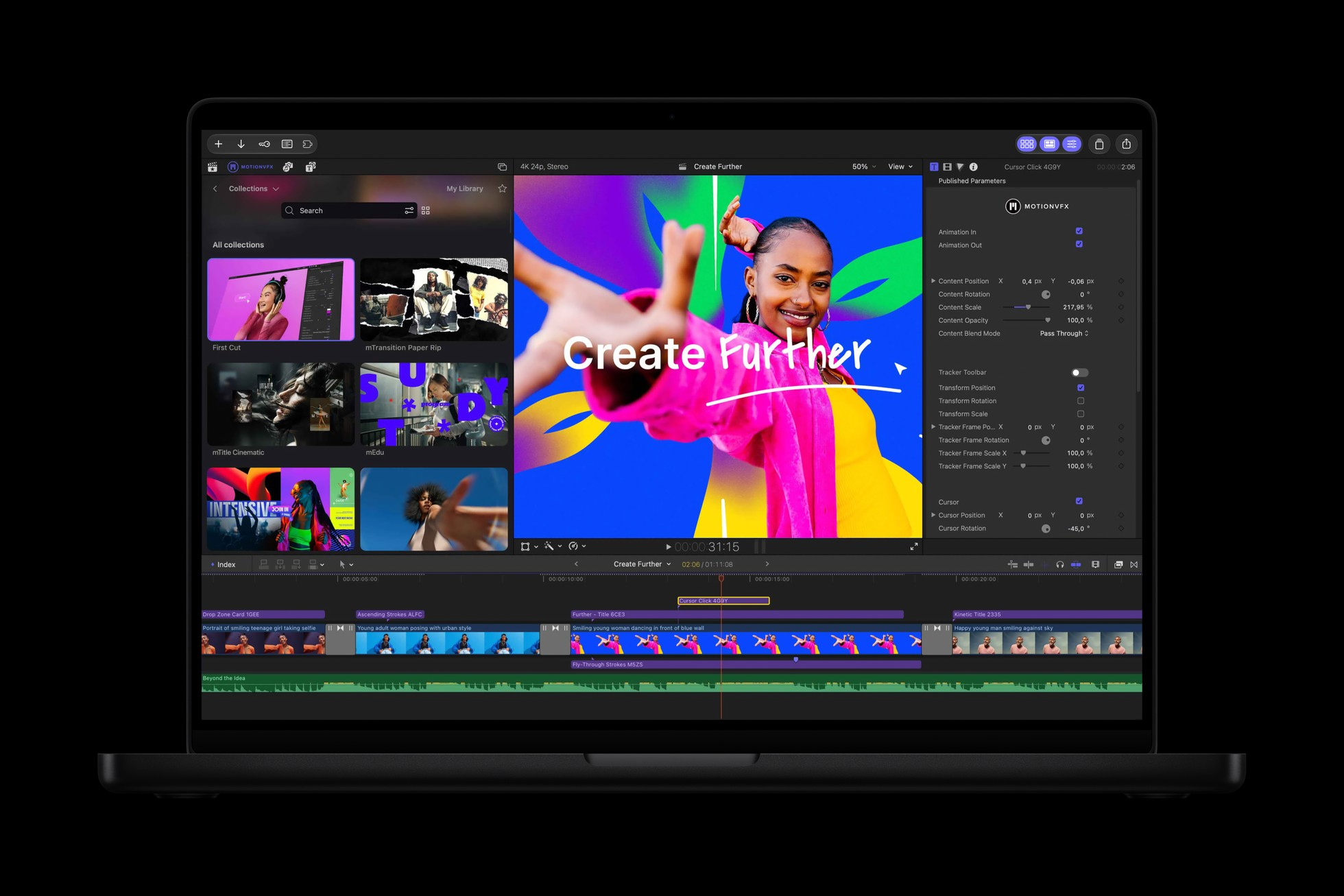
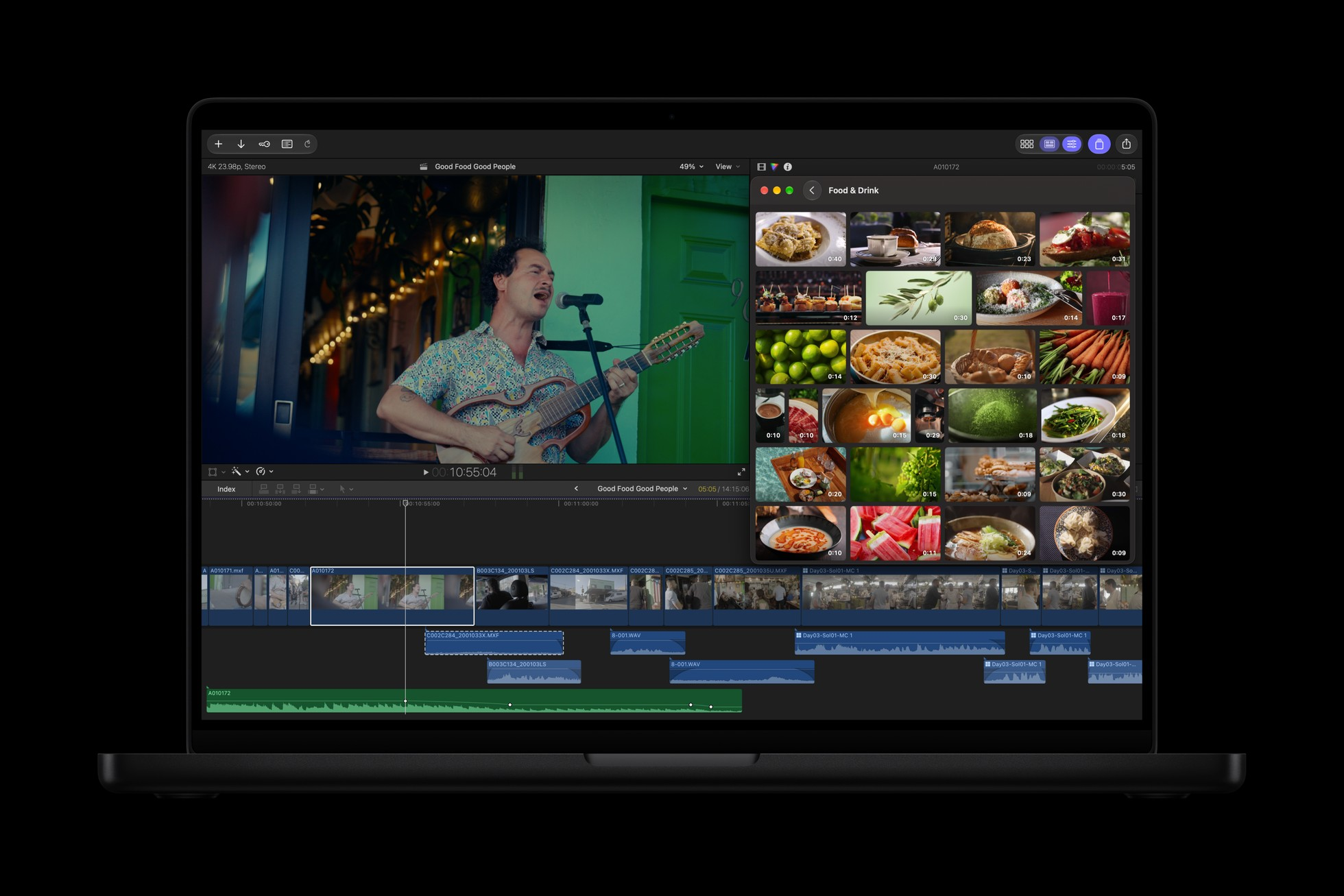
Apple’s Content Hub, its curated library of stock assets, now includes video and is available directly inside Final Cut Pro. Editors can pull Apple-curated stock video, photos and backgrounds into a project without leaving the app.
It’s aimed at filling gaps in an edit, like a missing establishing shot or a background for titles, without a separate stock subscription.
Pixelmator Pro and AI Images
Final Cut Pro can now open any image on the timeline directly in Pixelmator Pro. Changes save back to the project automatically, with no exporting or reimporting.
Final Cut Pro also adds image generation from text descriptions inside a project, with quick edits and style adjustments. Pixelmator Pro itself adds Generate Fill, which edits a selected area of an image based on a written description.
Timeline and Workflow Upgrades
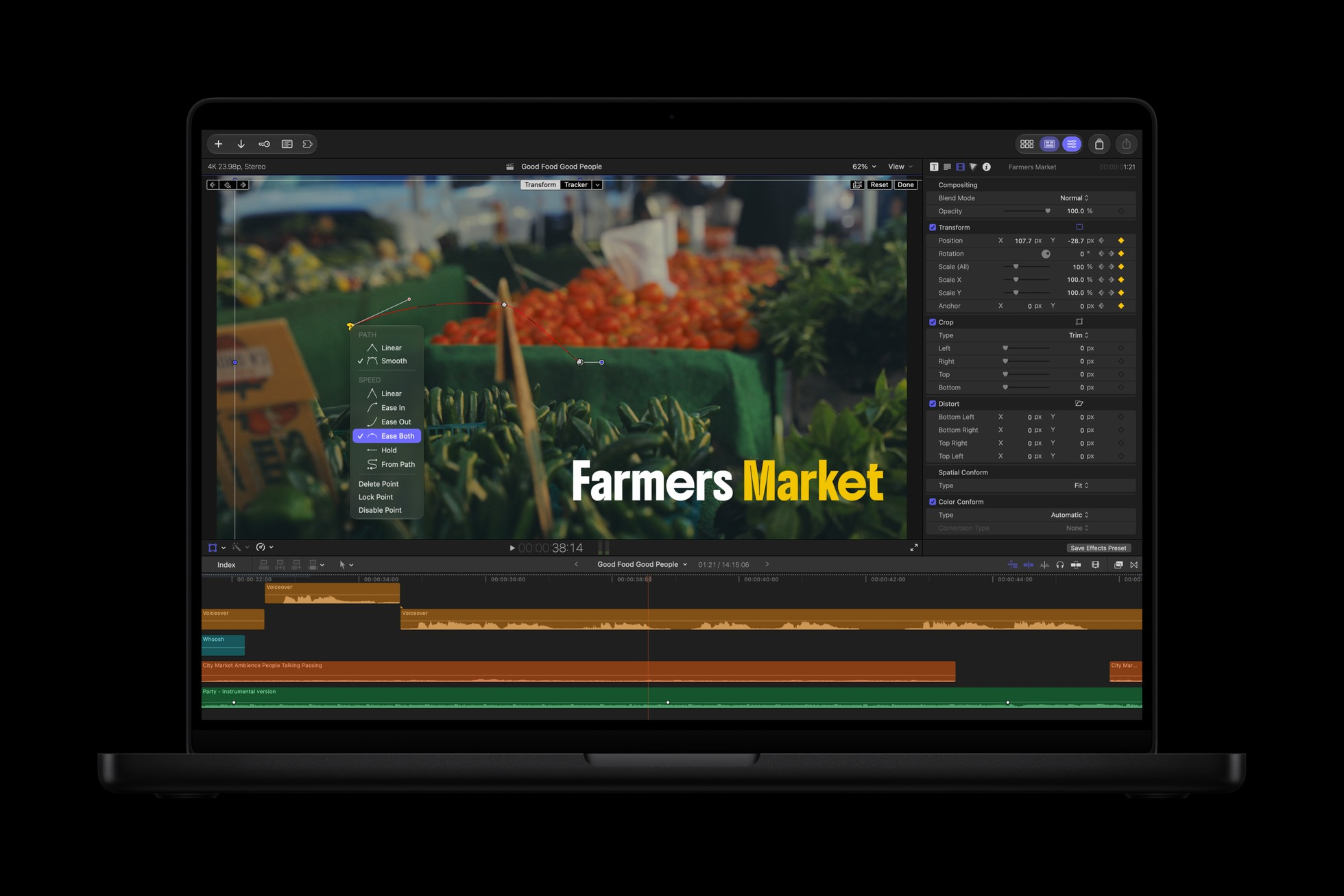
Some of the most practical changes are smaller. Final Cut Pro adds more keyframe easing options for finer control over animation.
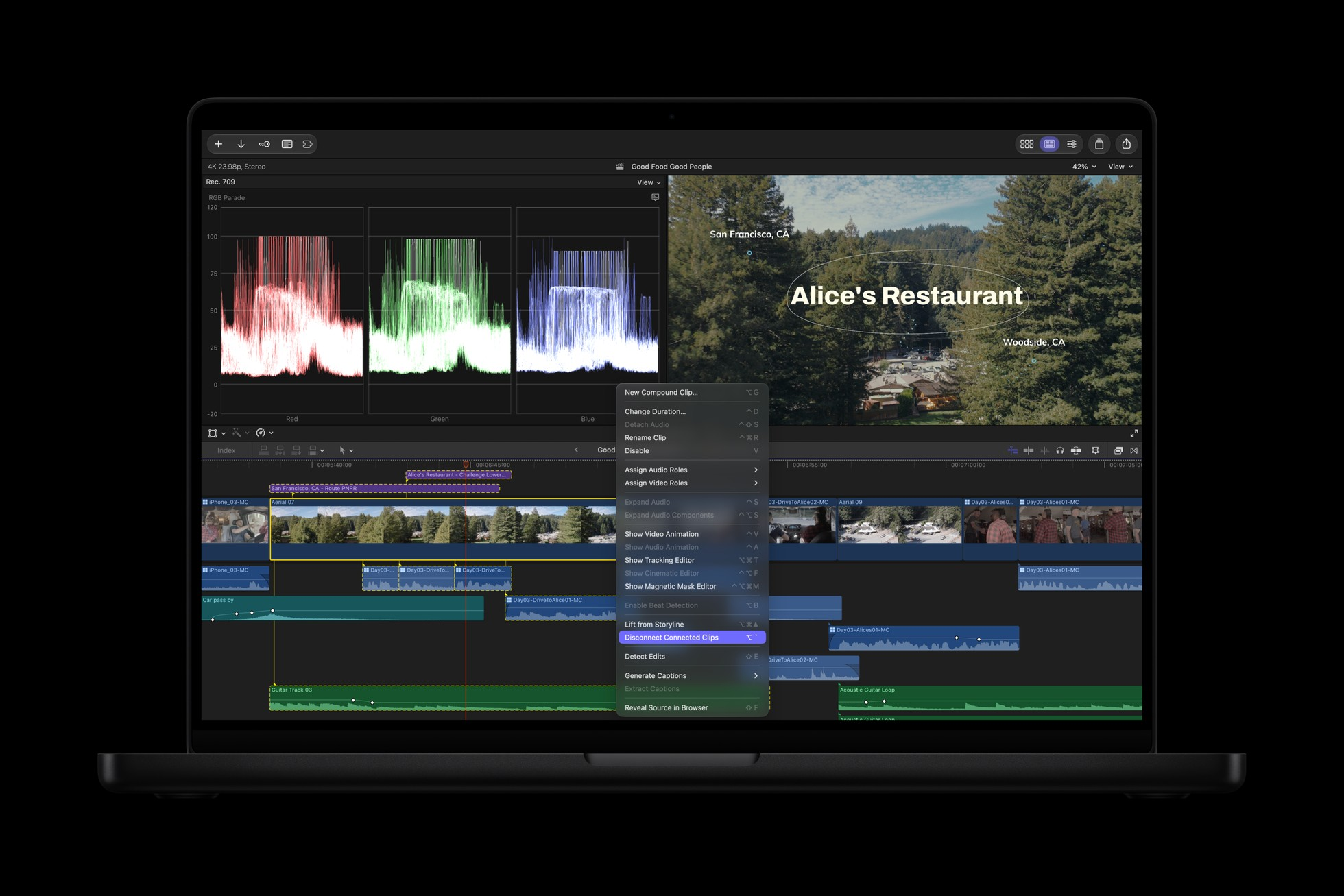
Editors can also disconnect clips from the primary storyline and place them anywhere on the timeline. The magnetic timeline’s primary storyline has long been one of Final Cut Pro’s most debated features, and this gives editors more freedom to work around it.
Final Cut Pro also adds 23 new transcription languages for captioning and searching footage. Compressor adds encoding for Cinematic mode video from the iPhone 18 Pro and iPhone Duo.
Competitive Context
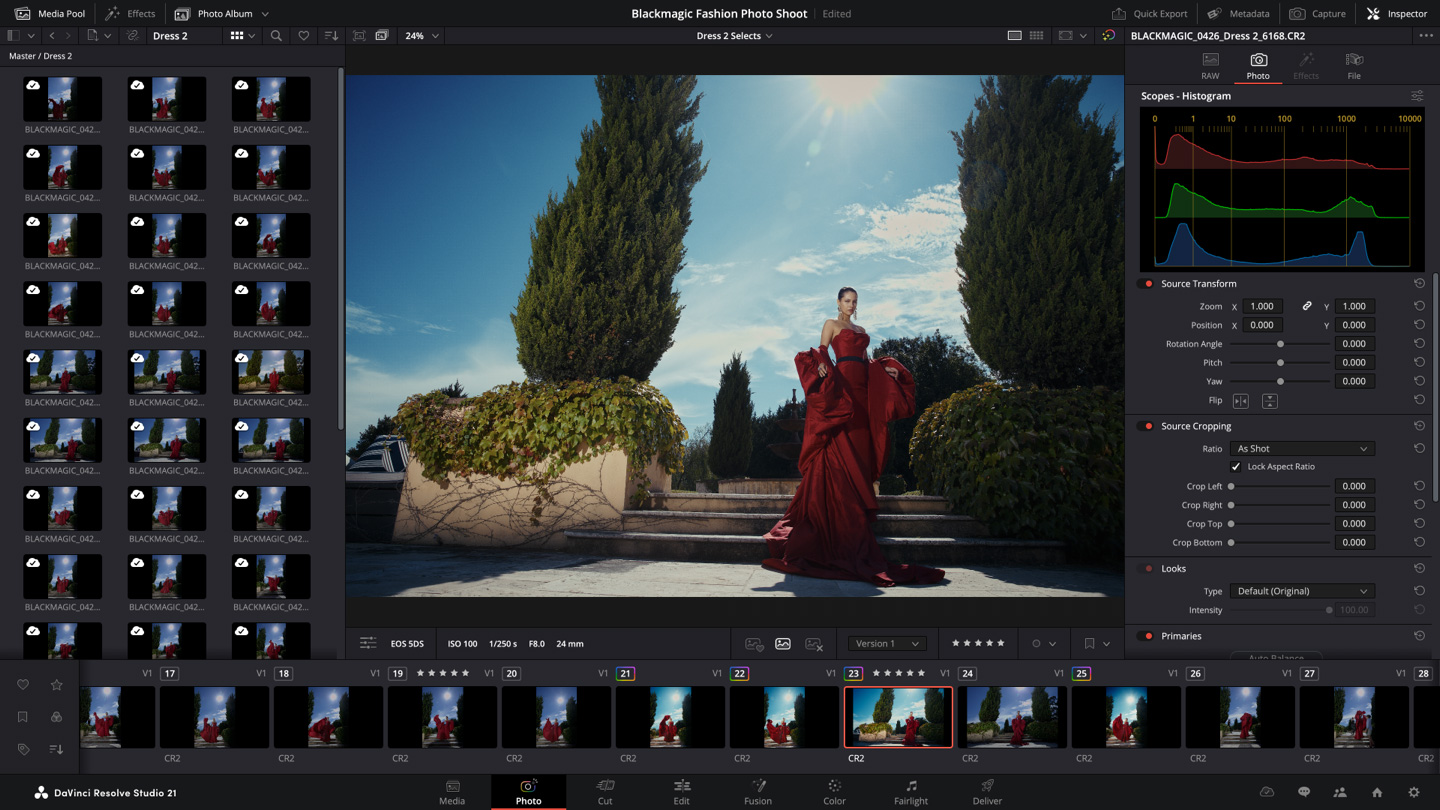
The update lands as editors weigh Final Cut Pro against DaVinci Resolve and Premiere Pro, covered in DaVinci Resolve vs. Premiere Pro in 2026. Resolve’s free version and built-in Fusion and color tools have made it a strong alternative, and YMCinema framed this update as Apple’s attempt to close that gap.
Bundling MotionVFX gives Final Cut Pro something neither competitor includes by default: a large library of ready-made motion graphics and templates. It also arrives alongside Apple’s new MacBook Pro with Touch-based editing in Final Cut Pro, covered in Is Apple’s New Touchscreen OLED MacBook Pro the Best Laptop for Color Grading Yet?.
The Signal in the Noise
For Final Cut Pro editors already paying for Apple Creator Studio, this is a substantial free upgrade. MotionVFX content alone would cost far more as separate purchases, and Pixelmator round-tripping and timeline flexibility address real workflow complaints.
The open question is how much of it reaches editors who bought Final Cut Pro outright for $299.99. Apple’s release frames the new content as a subscriber benefit and doesn’t say which features, if any, come to the one-time-purchase version. That will matter to longtime users who chose Final Cut Pro specifically to avoid a subscription.
Is built-in MotionVFX enough to pull you toward Apple Creator Studio, or are you sticking with your one-time Final Cut Pro license? Share where you land in the comments.
Specs & Pricing
- Availability: November 2026, via the App Store
- Existing Apple Creator Studio subscribers: Free update
- Apple Creator Studio: $12.99/month or $129/year; one-month free trial
- Education pricing: $2.99/month or $29.99/year
- Final Cut Pro (one-time purchase): $299.99; requires macOS 26.6 or later
- Motion and Compressor (one-time purchase): $49.99 each
- New in Final Cut Pro: Built-in MotionVFX, Content Hub stock video, Pixelmator Pro round-tripping, AI image generation, more keyframe easing, disconnected clips, 23 new transcription languages
- New in Motion: MotionVFX plug-ins, image generation, Displacement filter
- New in Compressor: Cinematic mode encoding for iPhone 18 Pro and iPhone Duo
Resources & Reads
- Apple Creator Studio Adds Powerful New AI Features and Even More Creative Tools — Apple Newsroom
- Apple Boosts Final Cut Pro, but Is It Enough to Compete With DaVinci Resolve? — Y.M.Cinema
- DaVinci Resolve vs. Premiere Pro in 2026
- Is Apple’s New Touchscreen OLED MacBook Pro the Best Laptop for Color Grading Yet?