AI Talent Agencies Are Here: Glif Lets You Cast Synthetic Models for Product Ads
Glif’s new AI modeling agency lets brands cast from 165 AI characters and turn a product brief into a finished ad. Here’s what it offers, and what Glif hasn’t said about rights and likeness.

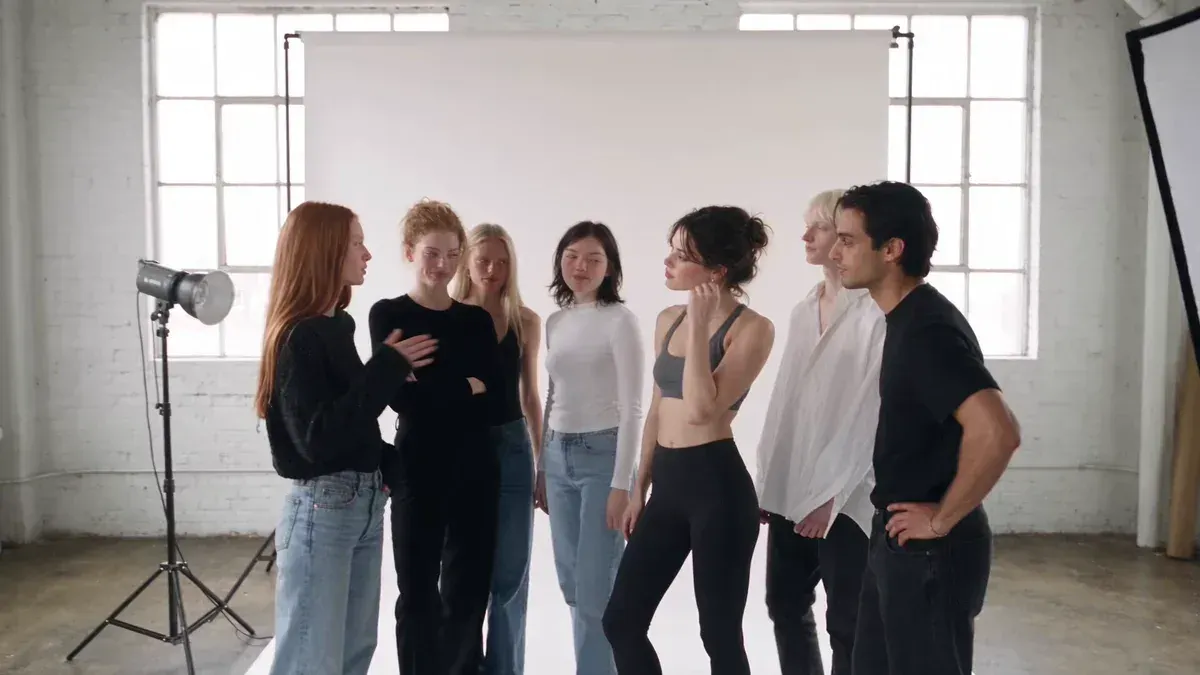
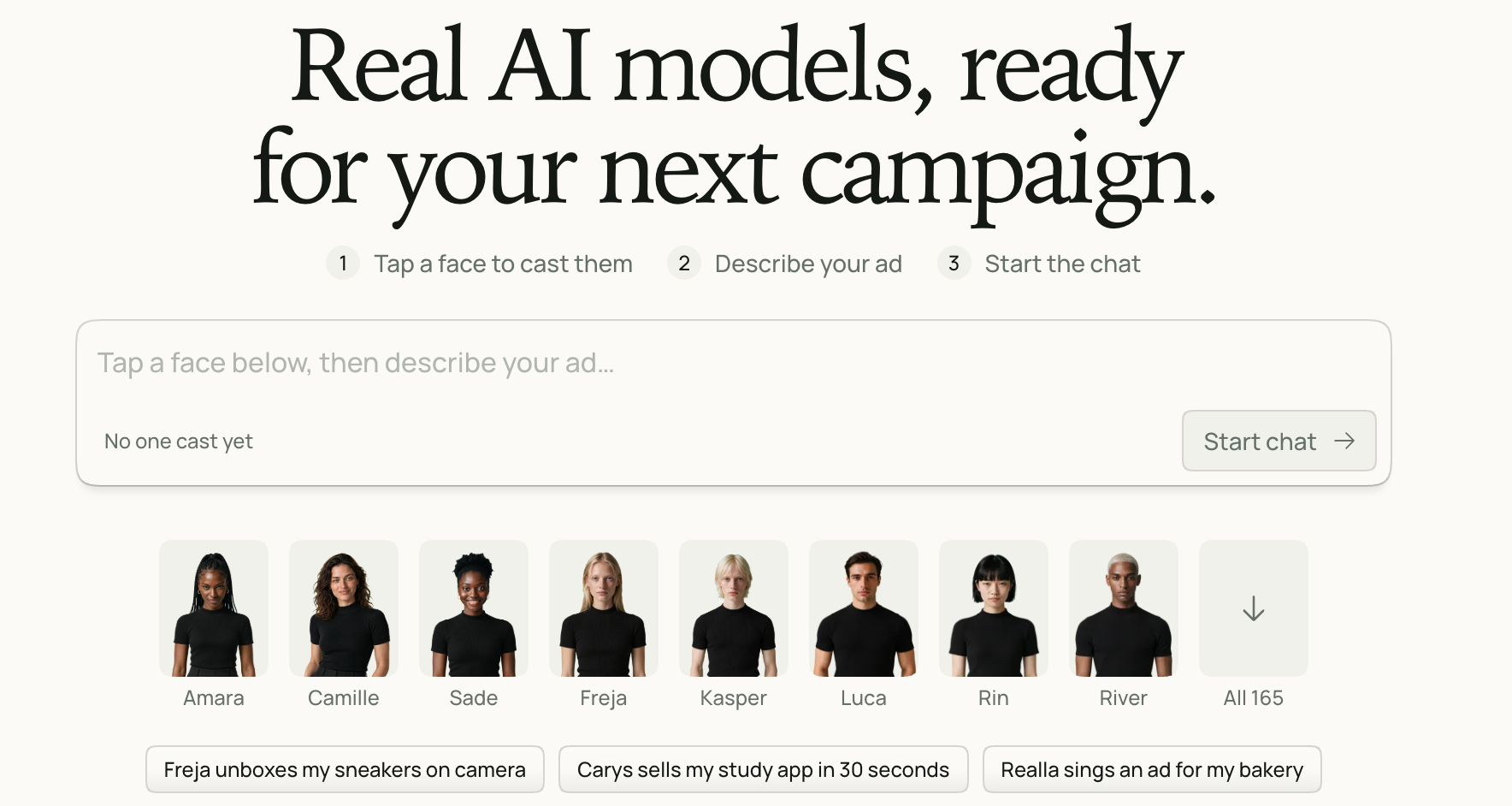
Glif has launched what it calls an AI modeling agency inside its creative platform. Brands and creators can cast from a roster of 165 AI characters, add a product, idea or brief, and have Glif’s AI agent produce finished ad content from start to finish.
The launch post drew 2.7 million views on X. Glif is pitching it as proof that AI models are ready for commercial work, and as an early example of what it believes will become a normal format for advertising and entertainment: persistent AI characters.
How It Works
Today we’re launching the first AI modeling agency 💅 right inside Glif.
— GLIF (@heyglif) October 30, 2026
Cast hundreds of real AI models, drop your product, idea or brief and let Glif create super compelling content for you end to end.
If you still think AI models aren’t ready for real work, watch this 👇 pic.twitter.com/POoG688tkV
Glif is an AI “creative super agent” that launched its 2.0 platform in April, alongside a $17.5 million seed round led by Andreessen Horowitz and Union Square Ventures. Instead of an editing timeline, users describe what they want in a chat, and the agent chooses and runs the right image, video, voice and music models to produce it.
The new characters plug into that agent. You choose a character from the cast, provide a product or creative brief, and Glif generates the content, from stills to video ads.
Glif says its characters work with every video model in the agent, including Seedance 2.5, Wan 3, FLUX 3 Max, Kling 4.0, Grok and MiniMax H3 Max. Glif suggested using Seedance 2.5’s Draft Mode for quick, low-cost exploration, covered in How to Use Seedance 2.5 Draft Mode to Cut Your AI Video Costs.
The agent can also combine characters with music and motion graphics models. Glif’s example ads use ElevenLabs Music and GPT Image 2.5 alongside Seedance 2.5.
Pricing
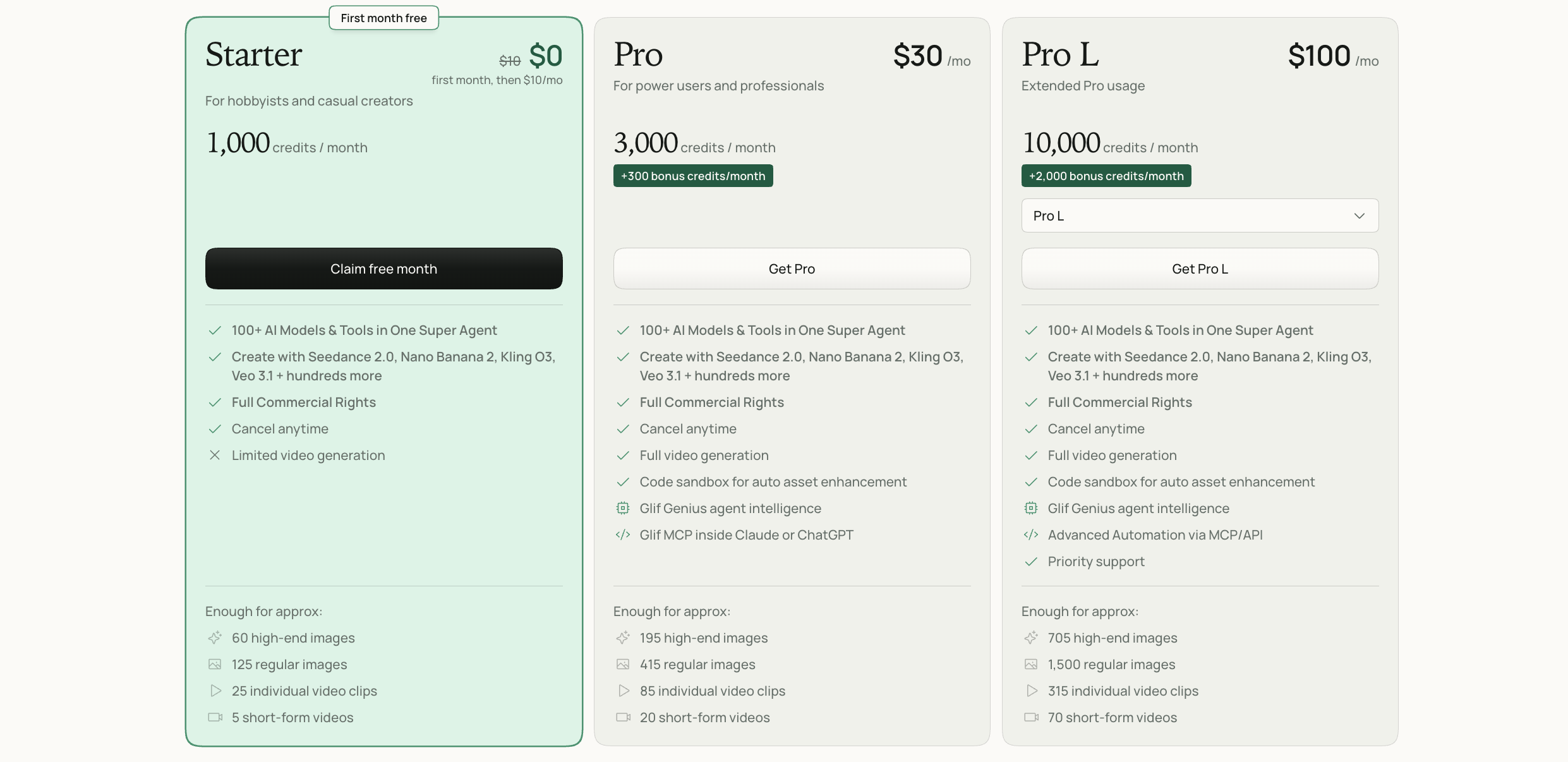
Glif’s characters page says the platform is free to start, with paid plans listed separately. Glif is offering the first 250 sign-ups a free month of its Starter plan, but the characters page doesn’t list what Starter costs.
What Glif Hasn’t Said
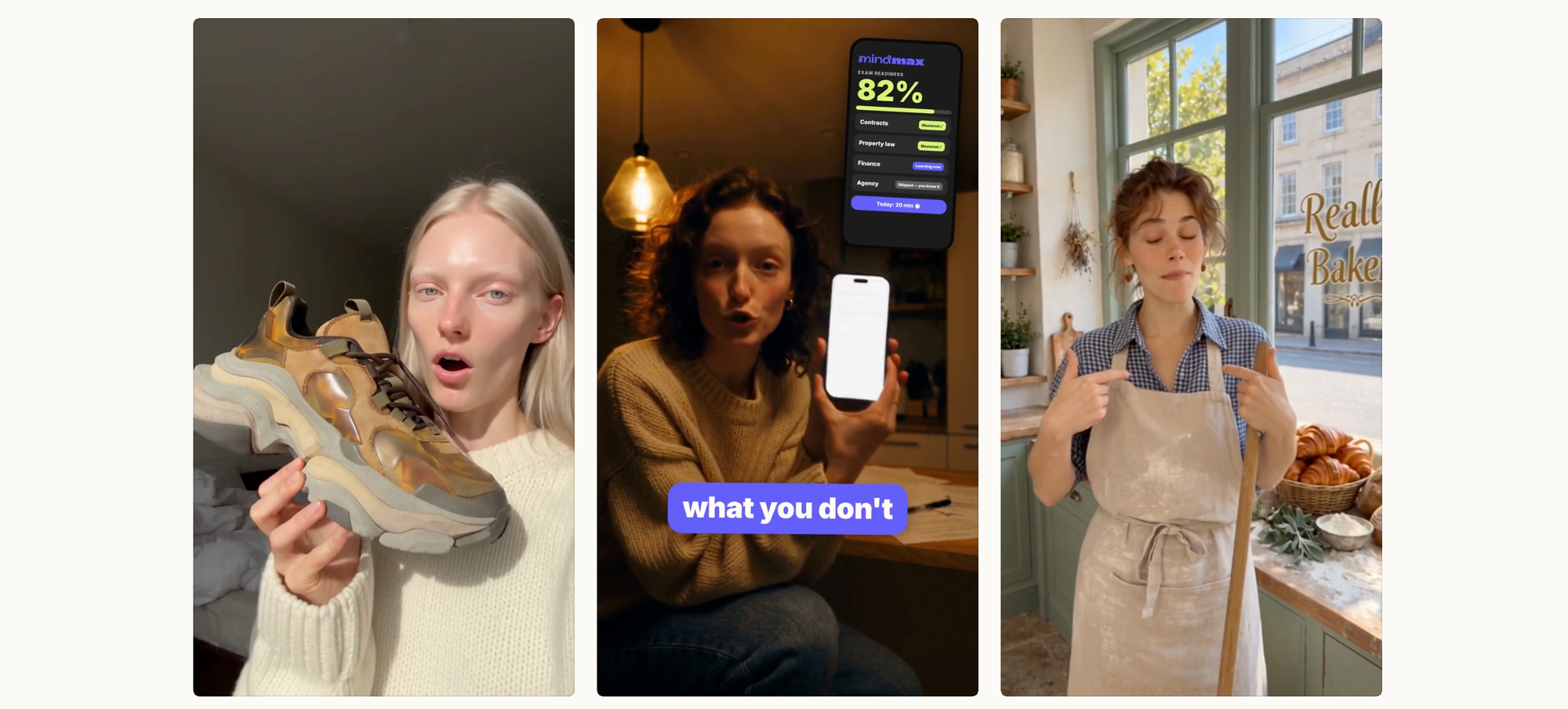
Glif describes its roster as “real AI models,” but doesn’t explain what that means. Its page doesn’t say whether the 165 characters are fully synthetic or based on the likenesses of real people, and if they are, whether those people consented and are paid.
The page also doesn’t address commercial usage rights or disclosure requirements, both of which matter for any brand running these characters in paid advertising. Those details are likely to decide whether agencies and brands can actually use the tool for client work.
Glif also calls this “the first AI modeling agency,” but it isn’t the only company with the idea. A product called Cast already describes itself as the first AI character casting agency.
The Bigger Question
Synthetic influencers and AI brand ambassadors aren’t new, but tools like Glif make casting an AI model as easy as picking a template. For brands, that means faster, cheaper content without shoots, travel or talent fees.
For working models, actors and the crews that support product shoots, it’s another sign that some commercial work is shifting to AI. Questions about likeness, consent and pay have been central to recent entertainment-industry labor fights, and an AI talent roster built for ads puts them front and center again.
Competitive Context
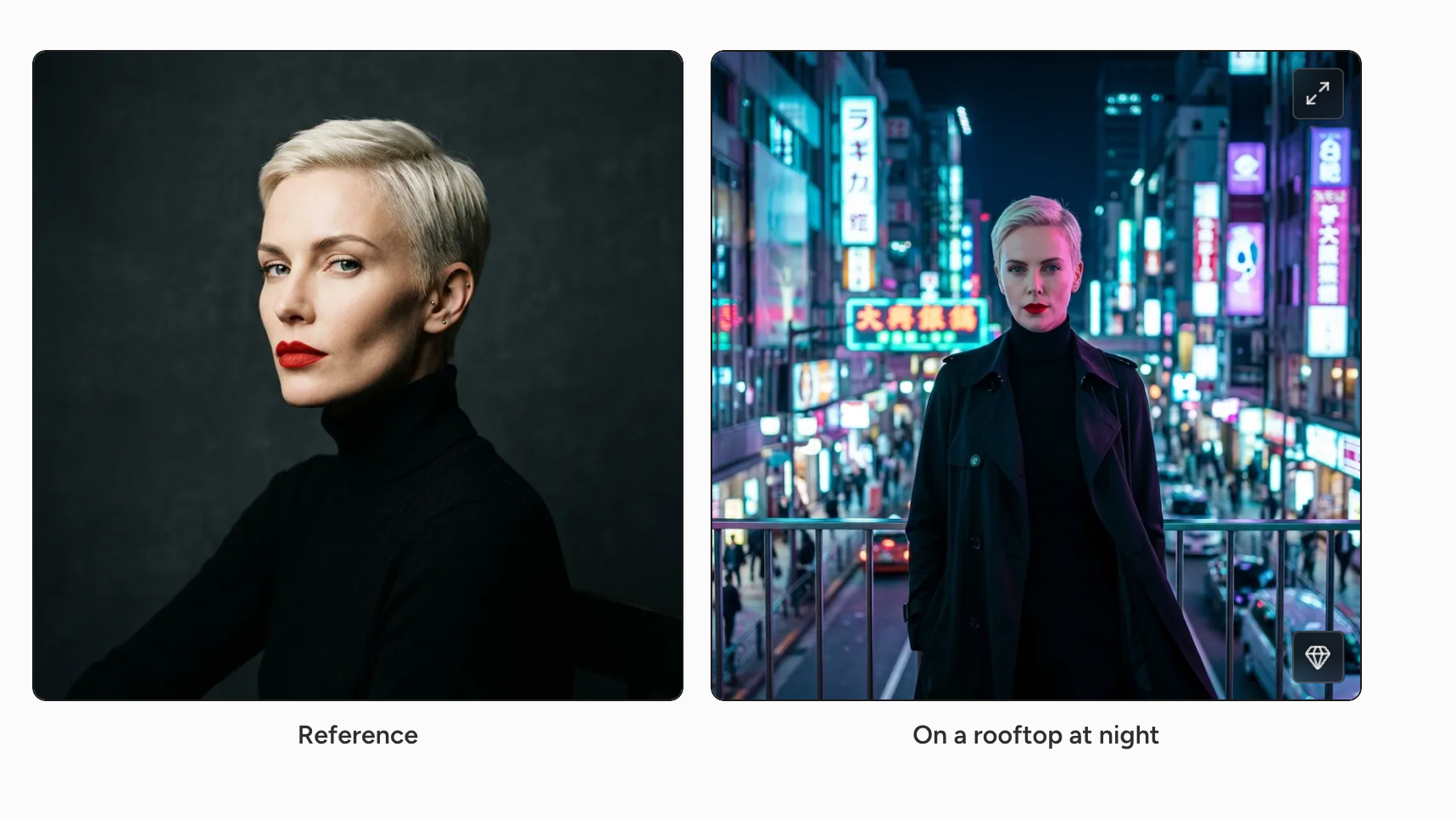
Glif’s approach builds on consistent AI characters, one of the hardest problems in AI video, covered in How to Keep Characters Consistent in AI Video. Higgsfield offers its own Soul Cast of AI actors inside Cinema Studio, covered in Can AI Video Feel Directed? Inside Higgsfield Cinema Studio 4.0.
Avatar companies like HeyGen and Synthesia have long offered AI presenters for business video. Glif’s pitch is aimed more at stylized fashion, lifestyle and product advertising.
The Signal in the Noise
For small brands and creators, Glif’s AI modeling agency offers a quick way to produce product content without a photoshoot, and its support for nearly every major video model makes it flexible.
Before using it for paid campaigns, though, the open questions matter more than the demo. Until Glif explains where its characters come from and what rights users get, it’s best treated as a creative experiment rather than a replacement for licensed talent.
Would you cast an AI model in your next ad, or does that cross a line for you? Share where you stand in the comments.
The Details
- Product: Glif AI modeling agency (Glif Characters)
- Launched: October 30, 2026
- Cast size: 165 AI characters
- How it works: Pick a character, add a product or brief; Glif’s agent generates finished content
- Supported video models: Seedance 2.5, Wan 3, FLUX 3 Max, Kling 4.0, Grok, MiniMax H3 Max
- Pricing: Free to start; Starter plan pricing not listed on the characters page
- Launch offer: Free month of Glif Starter for the first 250 users
- Unanswered: Character origins, likeness consent, usage rights, disclosure requirements
- Company: Glif, backed by a $17.5M seed round led by a16z and USV