What Midjourney V8.2 Actually Changes — and Why the Personalization Upgrade Matters Most for Filmmakers
Midjourney V8.2 is now the default model — bolder output, fewer low-quality generations, and a significantly improved personalization system. Here's what actually changed and why the personalization upgrade matters most for filmmakers.

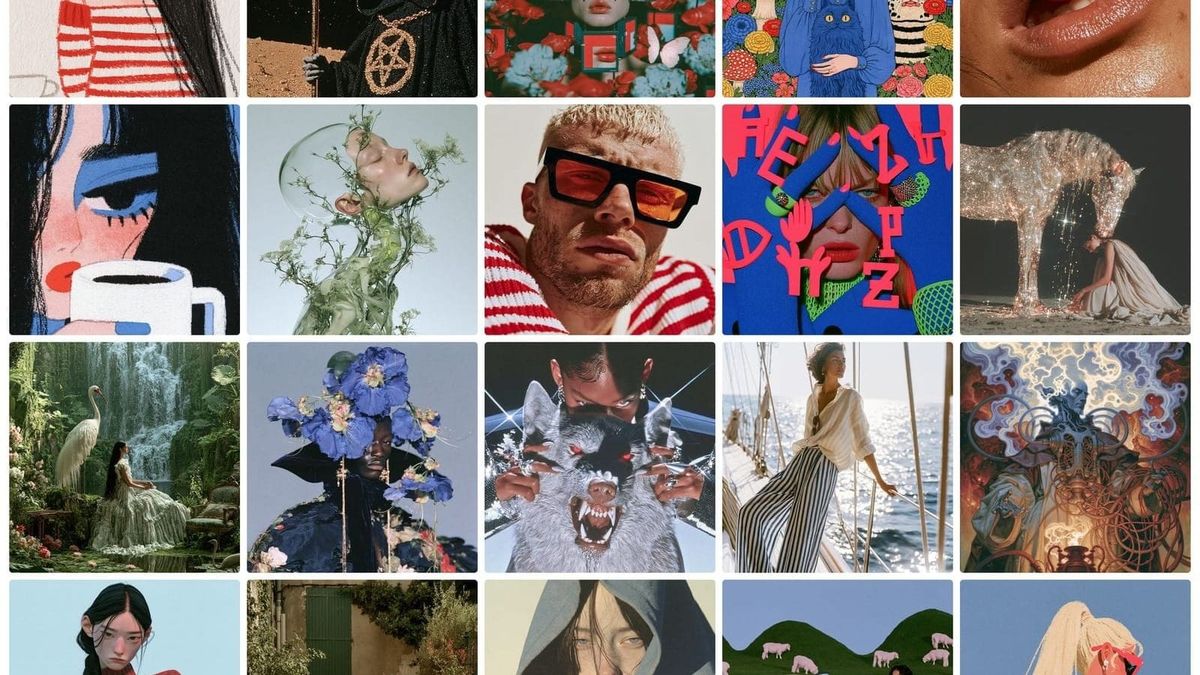
Midjourney V8.2 became the default model on July 24, 2026 — replacing V8.1 as the version you generate with unless you specify otherwise. The official announcement from Midjourney is characteristically brief: the update focuses on aesthetics, image quality, and personalization. Here's what that actually means in practice, and why the personalization changes specifically are the most significant development for filmmakers using Midjourney in pre-production workflows.
What's new in V8.2
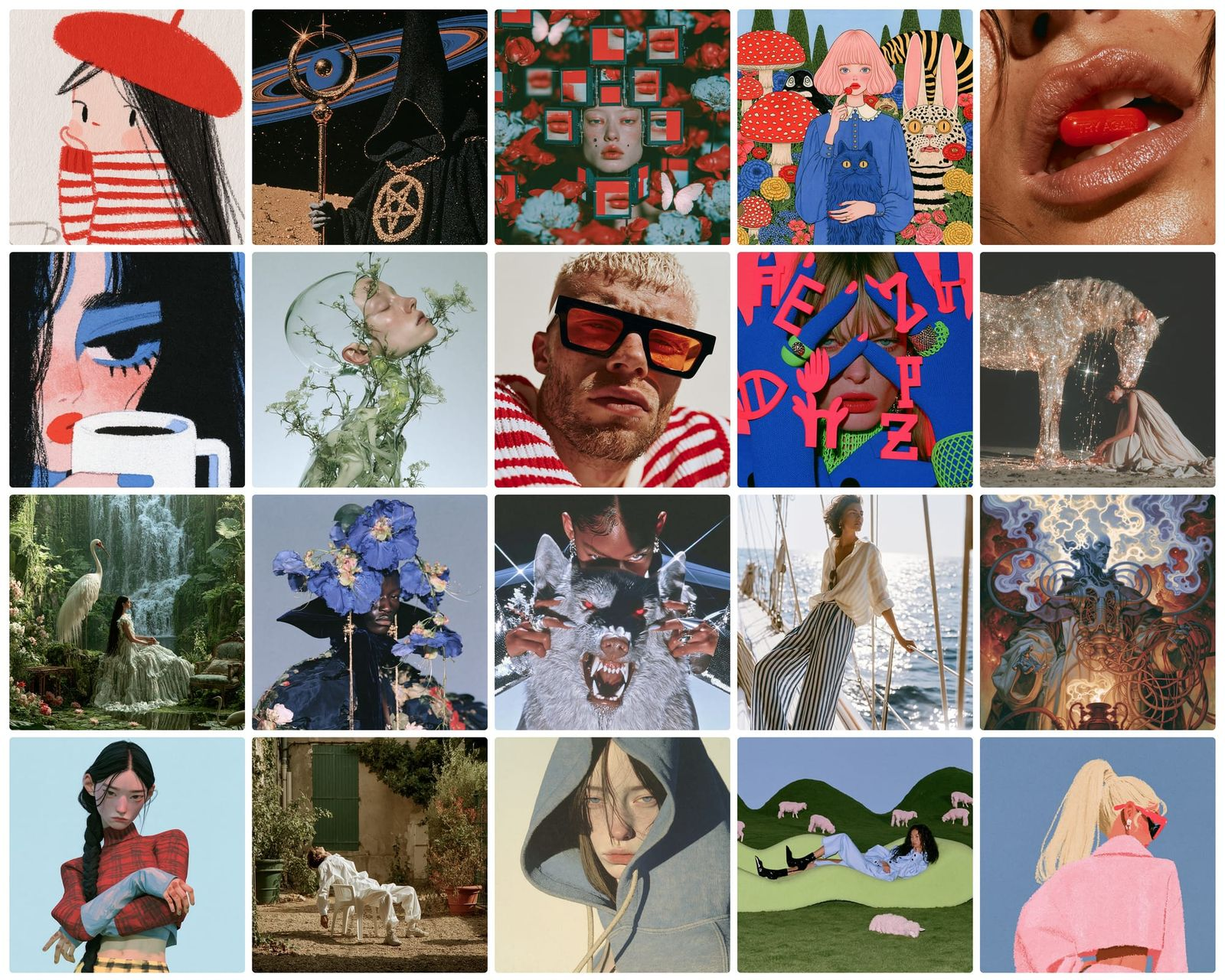
Midjourney describes three headline changes in V8.2:
Bolder, more sophisticated aesthetic output. The official language is "more creative, bold, sophisticated, edgy and fresh" — which is deliberately vague, but community testing since the --preview flag became available in late June consistently describes the output as having more visual confidence than V8.1. Less soft, more directional. V8.1 was optimized for speed (standard jobs in 4–5 seconds) and prompt adherence; V8.2 appears to be optimizing for the kind of image that reads as intentional rather than generated. For filmmakers generating concept art, mood boards, and reference stills, that distinction matters — images that look like art direction rather than AI outputs are significantly more useful in a production context.
Dramatically reduced low-quality random outputs. This is the quality-of-life improvement most regular Midjourney users will feel immediately. V8.1 still occasionally produced inexplicably flat or incoherent images from prompts that had previously worked well — the kind of generation that wastes credits and breaks workflow momentum. V8.2 specifically targets this inconsistency. The promise is that the floor of what Midjourney produces on any given prompt has risen, not just the ceiling.
Significantly improved personalization. This is the one that matters most for filmmakers with an established Midjourney practice.
Why the personalization upgrade is the real story
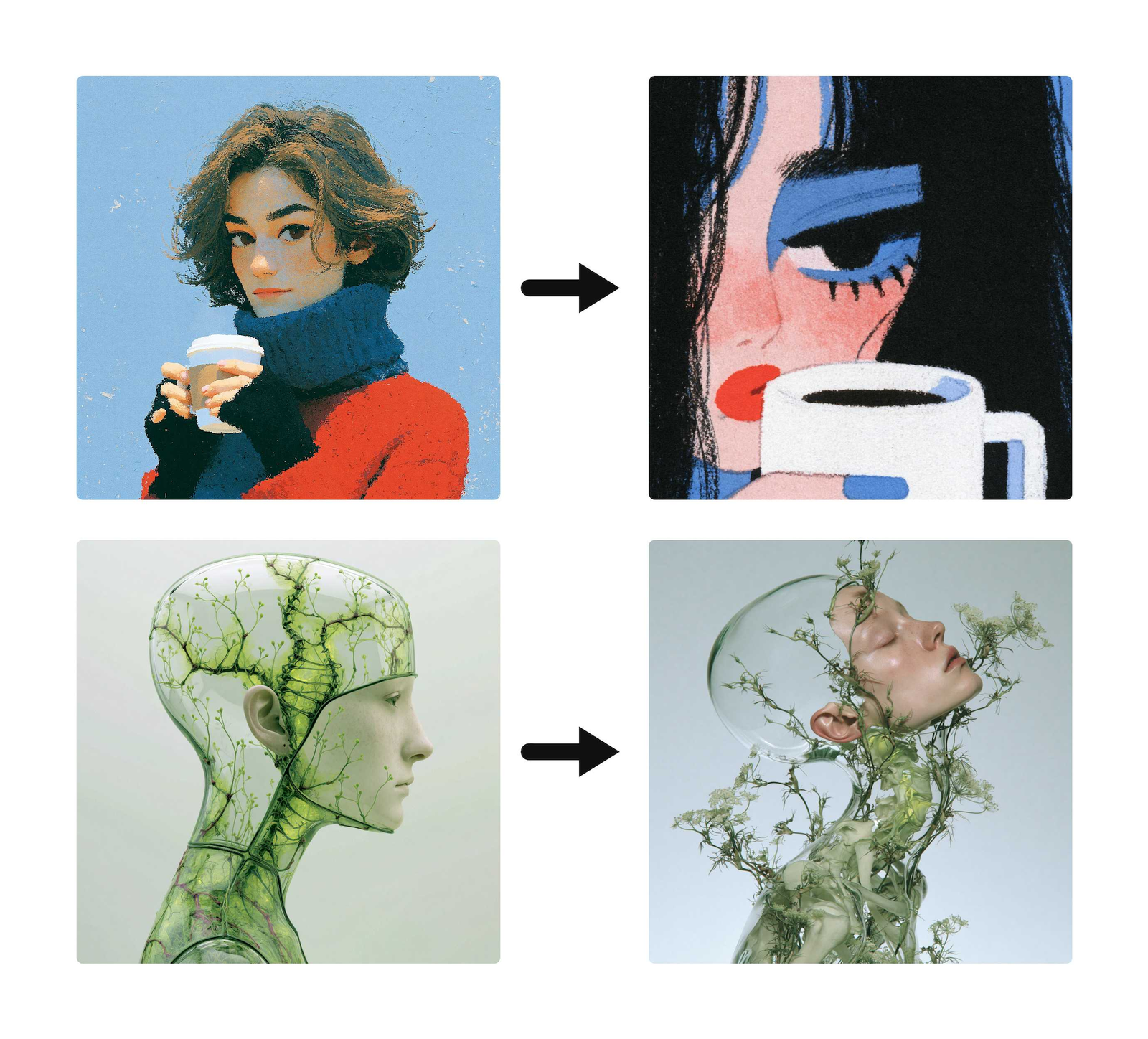
Midjourney's personalization system works by learning your aesthetic taste from ratings you've given images over time — when you rate images in the Style Ranking Party or through the platform's preference system, you're building a profile that tells the model what you actually find beautiful, cinematic, or useful. Apply that profile to a prompt and the model biases its output toward your demonstrated preferences rather than a generic interpretation of your words.
V8.2 makes two specific improvements to this system. First, the model now "understands" your personal taste with significantly more accuracy — especially for users who have accumulated a large number of ratings. If you've put real time into building a Midjourney personalization profile, V8.2 is the version where that investment starts paying dividends more reliably than before. Second, the pool of images used when creating personalization profiles has been substantially expanded and improved, meaning new profiles built on V8.2 are starting from a better baseline than profiles built on earlier versions.
For a working filmmaker or concept artist using Midjourney as a pre-production tool, the practical implication is real: a well-trained personalization profile means your prompts start producing output that already reflects your visual language, rather than requiring extensive post-prompt refinement to get there. Less time spent on style correction, more time spent on story and composition.
The Omni Reference system: still the most underused filmmaker feature
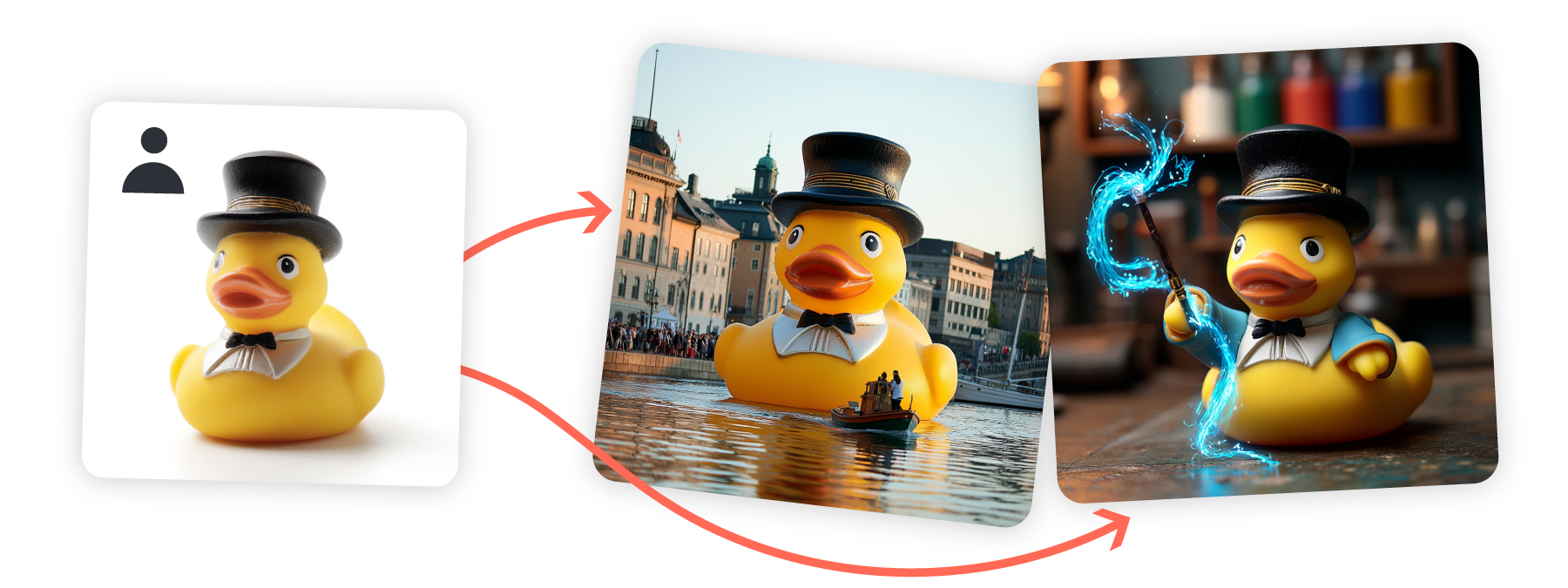
V8.2 builds on V8.1's Omni Reference (--oref) system, which remains the most practically powerful feature in Midjourney for production work and the one most users have barely explored.
Omni Reference lets you upload a reference image — a face, a location, an object, a lighting setup, a costume — and tell Midjourney to incorporate that specific visual element into its generation. For filmmakers, the applications are immediate: generate a character across multiple scene contexts while maintaining their appearance, build a consistent location across different lighting conditions and angles, develop a prop through multiple iterations without losing its core design.
Combined with V8.2's improved personalization, the workflow becomes: your taste profile handles the overall aesthetic register, Omni Reference handles the specific visual anchors, and the prompt handles the scene description. That's a meaningful step toward a pre-production visualization tool rather than just an image generator.
What V8.2 is not
Midjourney v8.2 is officially out, no more --preview needed. So I put it straight to the test.
— ibexdream (@ibexdream) July 24, 2026
Not only is it improved, the images are absolutely incredible🔥
Dropping 10 prompts in the replies for you to test yourself. 👇 pic.twitter.com/HtJrmZcC1Q
Worth being clear about the scope of this update. V8.2 is a refinement of the V8 aesthetic direction, not a new product category. It doesn't add video generation — Midjourney's video capabilities exist separately and haven't changed with this release. It doesn't add new tools to the interface. The improvements are in the underlying model's output quality and personalization accuracy, not in what the platform can do structurally.
V8.0 Alpha has been retired with this release. V8.1 remains selectable if you prefer its output for specific use cases — the 4–5 second generation speed of V8.1 is unchanged and remains useful for rapid iteration where aesthetic quality is secondary to speed.
The filmmaker use case in practice
Midjourney v8.2 https://t.co/HBPZ1lbMHi pic.twitter.com/GkXI2bsKOe
— Amira Zairi (@azed_ai) July 26, 2026
Midjourney's specific value in a film production workflow sits at the intersection of concept development and visual communication. It's not a replacement for a concept artist or a production designer. It's a tool that lets you have a visual conversation about a film before you've committed resources to building anything.
V8.2 makes that conversation more efficient. The bolder aesthetic output means your mood boards and reference images carry more visual weight. The improved personalization means fewer iterations to get to something that actually reflects your aesthetic intent. The reduced low-quality output floor means less time culling unusable generations.
For AI filmmakers specifically — those using Midjourney as a storyboarding and character development tool before moving footage into Seedance, Kling, or Runway — V8.2 improves the quality of the source material going into those video generation workflows, which has downstream effects on the quality of what comes out.
Pricing and access
V8.2 is available on all Midjourney paid plans — Basic ($10/month), Standard ($30/month), Pro ($60/month), and Mega ($120/month) — at no additional cost. No change to pricing or credit allocation accompanies this release.