What Happens When You Give Real Hollywood Writers the Keys to an AI Film Studio?
Promise AI is pairing traditional Hollywood screenwriters and directors with AI filmmakers — and the names on its new slate are more recognizable than anything the AI film world has produced so far. Here's what they're making and why the experiment matters.

For most of the short history of AI filmmaking, the question has been whether AI tools can produce work worth watching. Promise AI, a Los Angeles-based startup, is asking a different question: what happens when the people steering those tools are experienced Hollywood writers and directors rather than AI natives working alone?
The answer is starting to take shape — and the names attached to their new slate are more recognizable than anything the AI film world has produced so far.
Who's involved and what they're making
The Hollywood Reporter broke the news exclusively today. Promise AI has paired a group of traditional Hollywood creatives with AI filmmakers and tools, with development run by Tyler Mitchell, a former Imagine Entertainment executive.
The projects announced so far:
- "Everything Is Within Tolerance" — written by Jamie Magnus Stone, who directed eight episodes of the modern "Doctor Who" in its 12th and 13th seasons, paired with AI filmmaker Guillaume Hurbault. The film centers on a hidden bunker where scientists conduct experiments while secretly being experimented upon.
- "Ninja Punk" — an animated feature set in 2065-era Los Angeles involving ninjas, Yakuza, and a supernatural underworld, written by Micho Rutare — a longtime producer who developed the "Sharknado" franchise at The Asylum — paired with Promise chief creative officer Dave Clark.
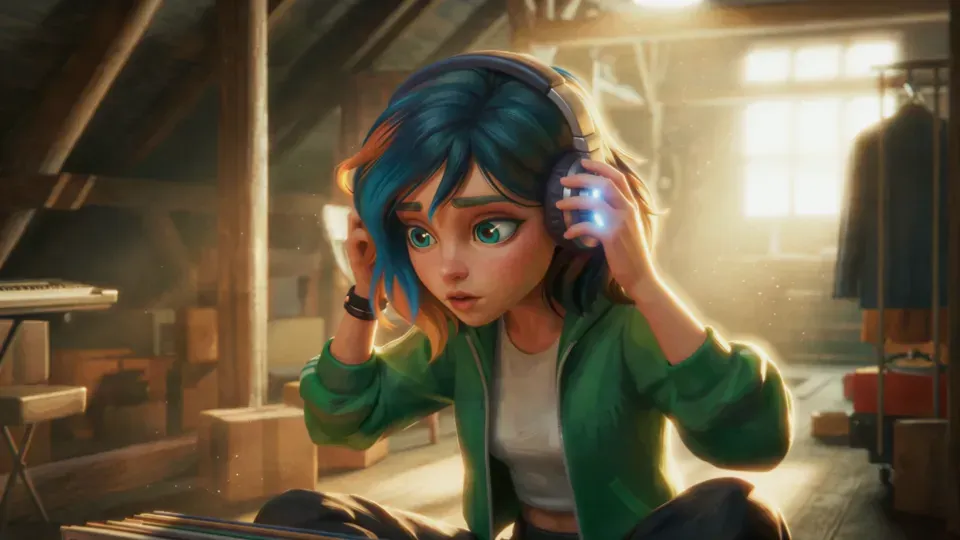
- "Tuning In" — an animated supernatural coming-of-age music film, written by Robert Rugan (co-writer of the Marlon Wayans horror-comedy "The Curse of Bridge Hollow"), made with Clark and AI artist Metapuppet.
- "Hardcore 94" — an animated short series about aliens invading 1994-era Compton, from Clark, Metapuppet, and up-and-comer Ivan Rome. Already in production.
Financing comes from North Road, the company founded by Peter Chernin. Traditional distribution partners are being sought, though whether mainstream streamers and exhibitors come aboard remains an open question.
Why Promise AI thinks this pairing matters
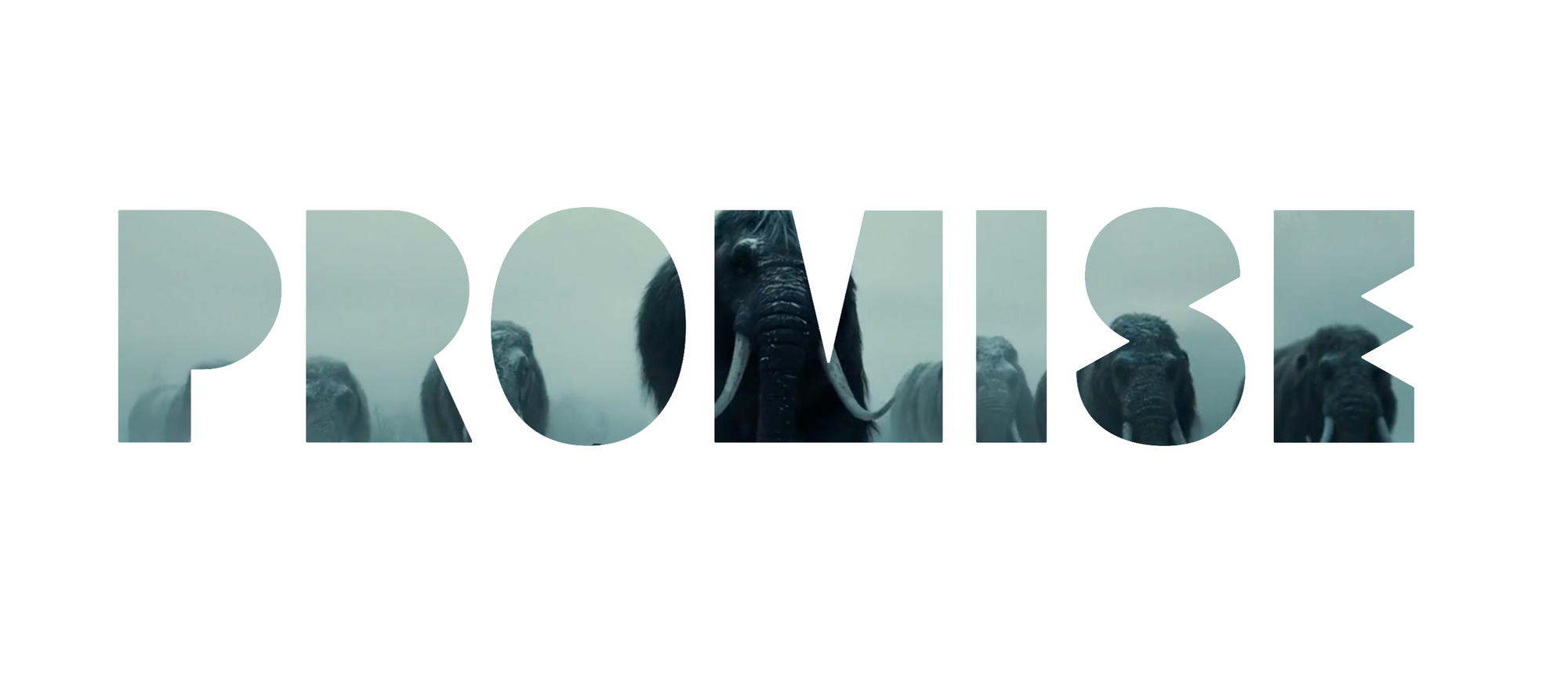
Mitchell's framing of the collaboration is worth understanding, because it pushes back on both the "AI replaces writers" narrative and the "AI filmmaking is just tech people making content" critique simultaneously.
"People who work on AI films have a mastery that very few people have — you need to learn dozens of tools," he told THR. "And a writer can bring in all their talent. It really provides a very strong map and aligns everyone creatively."
The analogy he reaches for is Pixar — a studio that rewrites continuously, iterating on the same scenes over and over until they work. "But that's really expensive. AI can do it much faster and cheaper — and not just for animation." The argument isn't that AI replaces the writer's function. It's that AI compresses the cost of doing what good development always required: iteration.
What the writers themselves are saying
Rutare, who responded to THR by email, acknowledged the tension directly: "In my conversations with fellow screenwriters, there is some fear of the unknown, but there's also a sense of excitement around what opportunities these new tools will unlock."
His read on "Sharknado" — the franchise he helped build — is instructive about how he thinks about AI's potential. That show was always a high-concept tone experiment, a precisely calibrated hybrid of earnestness and absurdity. "Experimenting with things like tone and pioneering new microgenres will become less of a crapshoot and more of a science," he wrote, suggesting that AI's ability to rapidly iterate on scenes makes the kind of creative risk-taking that produced "Sharknado" easier, not harder, to achieve.
Mitchell says writers who've visited Promise's film school — which has hosted veterans including Rick Baker among others — have come away surprised by what the workflow actually enables. "Many of the ones we talk to are getting excited because they see their stuff go instantly from the page to the screen. There's something special about that and also helpful about that."
The bigger question this experiment is actually asking
The most honest version of what Promise AI is doing isn't really about AI filmmaking. It's about whether AI tools can serve a traditional creative process — whether a writer's instinct for story, tone, and character can remain in charge while AI handles the production layer underneath it.
That's a meaningfully different bet than the AI filmmaking projects that have gotten the most attention so far — most of which have been driven by AI-native creators learning story, rather than story-native creators learning AI. Whether it produces better films is a question that won't be answered until the films exist. Whether it produces films that audiences are more willing to give a chance — that might be answerable sooner.