Runway’s CEO Says AI Video Is Now Indistinguishable From Real Footage
Runway CEO Cristóbal Valenzuela says people can no longer tell AI video from real footage, citing internal testing Runway hasn’t published. He also previewed interactive world models.

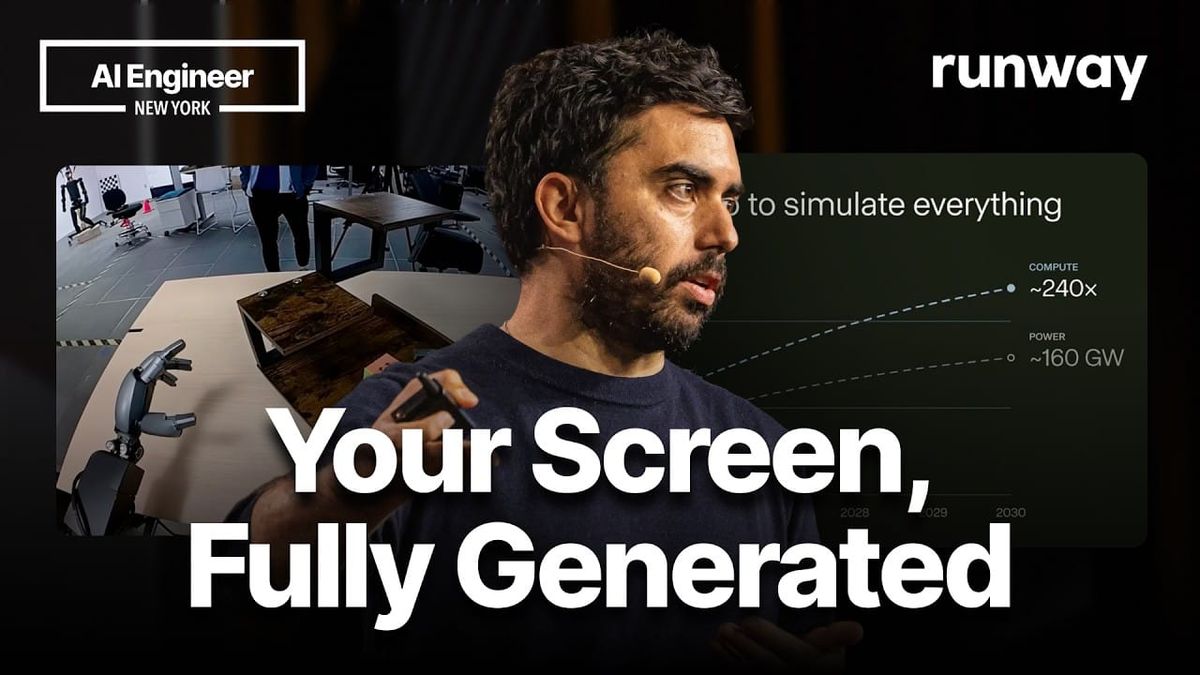
Runway co-founder and CEO Cristóbal Valenzuela says AI-generated video has crossed a major threshold: people can no longer reliably tell it apart from real footage. In a talk at the AI Engineer conference titled “You Can’t Tell What’s Real Anymore. Here’s What Comes Next,” he said Runway’s own testing supports the claim.
Runway hasn’t published that test. There’s no public study design, participant count or results, so for now the claim rests on Runway’s word.
What Valenzuela Said
According to coverage of the talk, Valenzuela traced Runway’s progress from a tiny, rough film in 2019 to today’s photorealistic models. He said Runway has measured whether people can distinguish real video from generated video, and that its models now pass that test.
He has made a similar point before. Earlier this year, he described a viral AI video that many commenters insisted was real as “might be the first time we are seeing the ‘Reverse Slop Syndrome,’” where viewers mistake AI video for real footage rather than the other way around.
What a Real Test Would Need
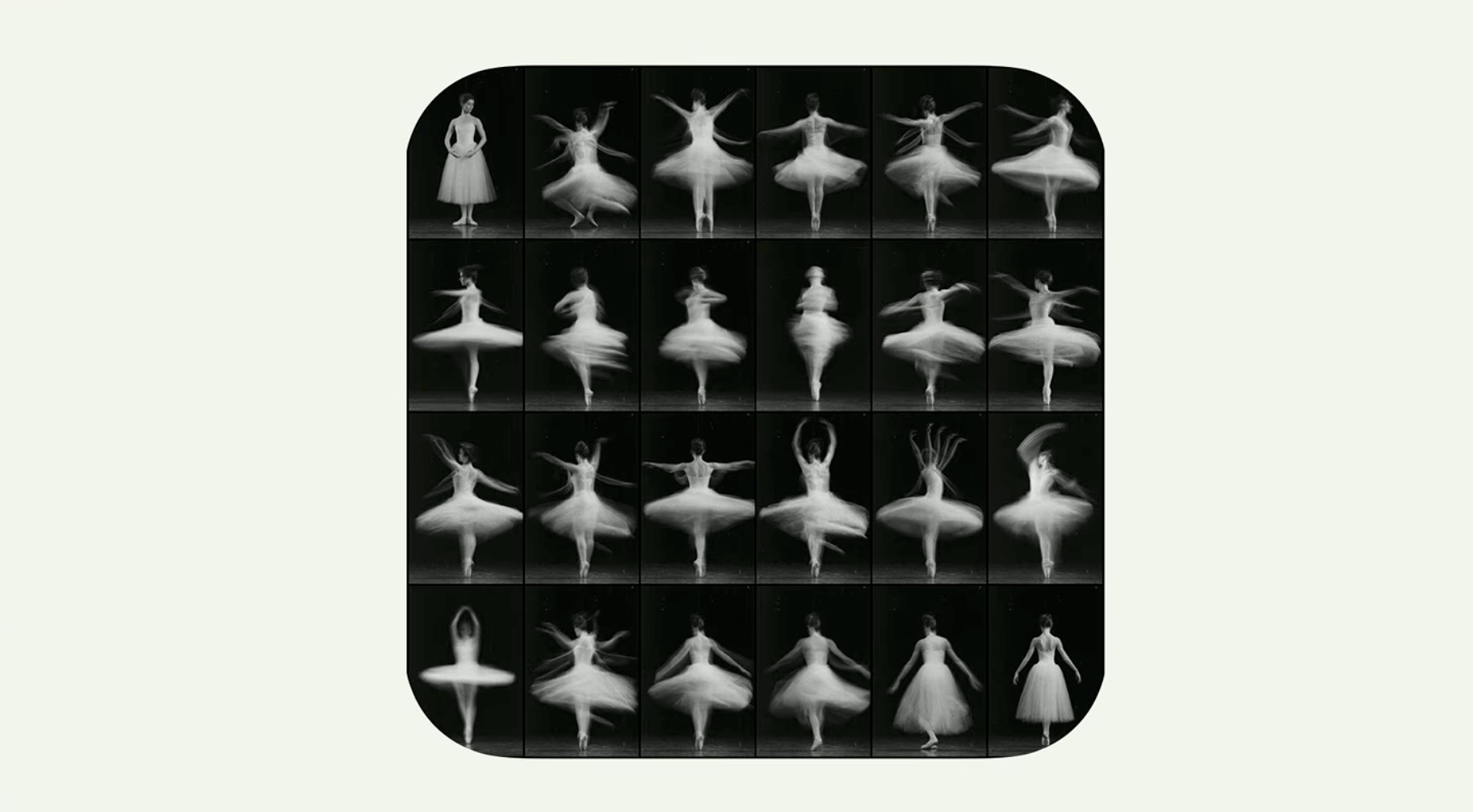
Claims like this are only as strong as the testing behind them. A credible test would need to show how many people took part, what kinds of clips they saw, how long each clip ran, whether viewers knew some clips were AI, and how often they guessed correctly compared with chance.
It also matters which clips are tested. Short, carefully chosen shots are far easier to pass off as real than long scenes with people talking, hands interacting with objects or complex physics, which are still where AI video most often shows its seams.
Until Runway publishes those details, it’s fairer to read Valenzuela’s statement as a sign of how far the technology has come than as a settled result.
What Runway Says Comes Next
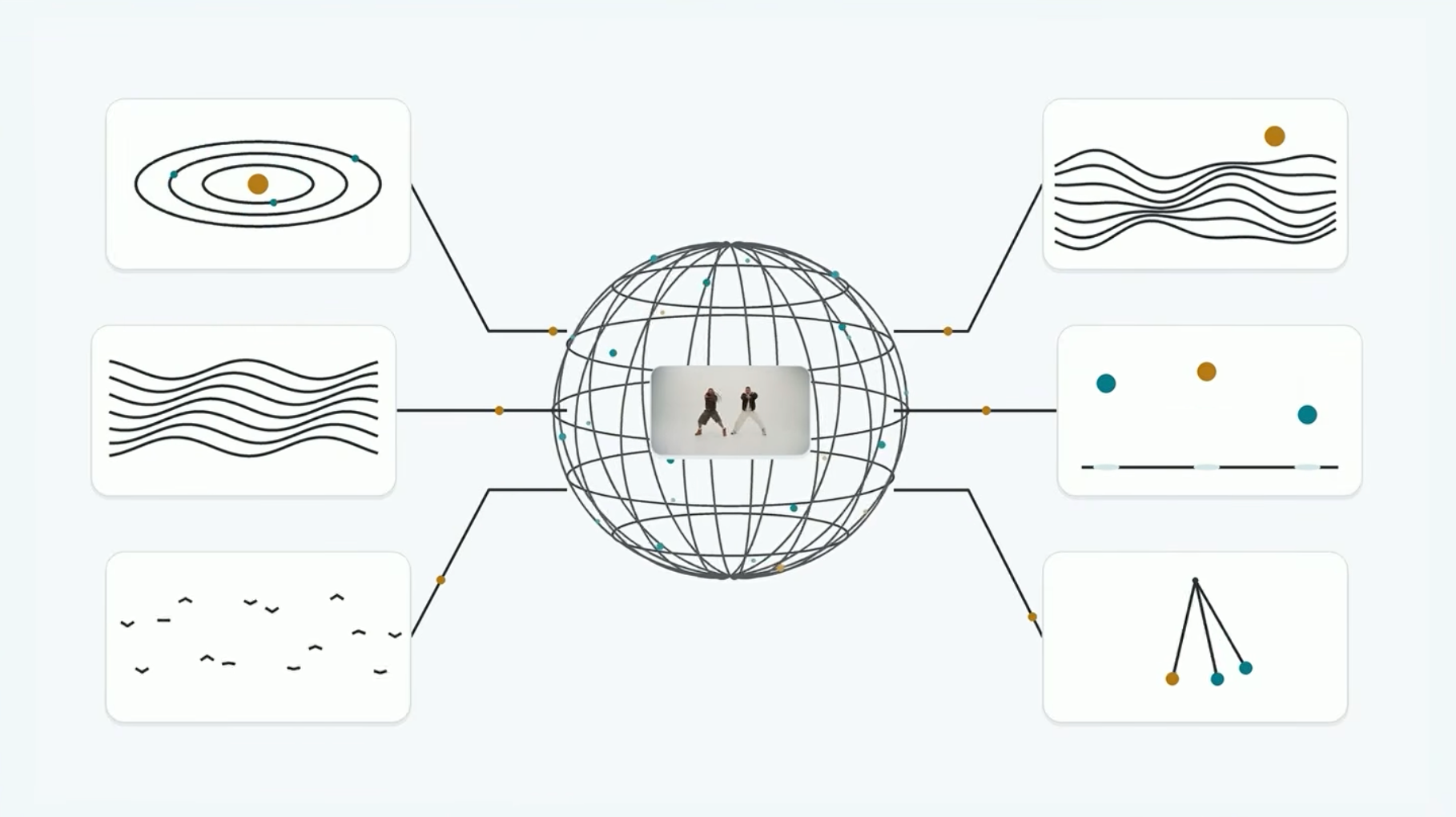
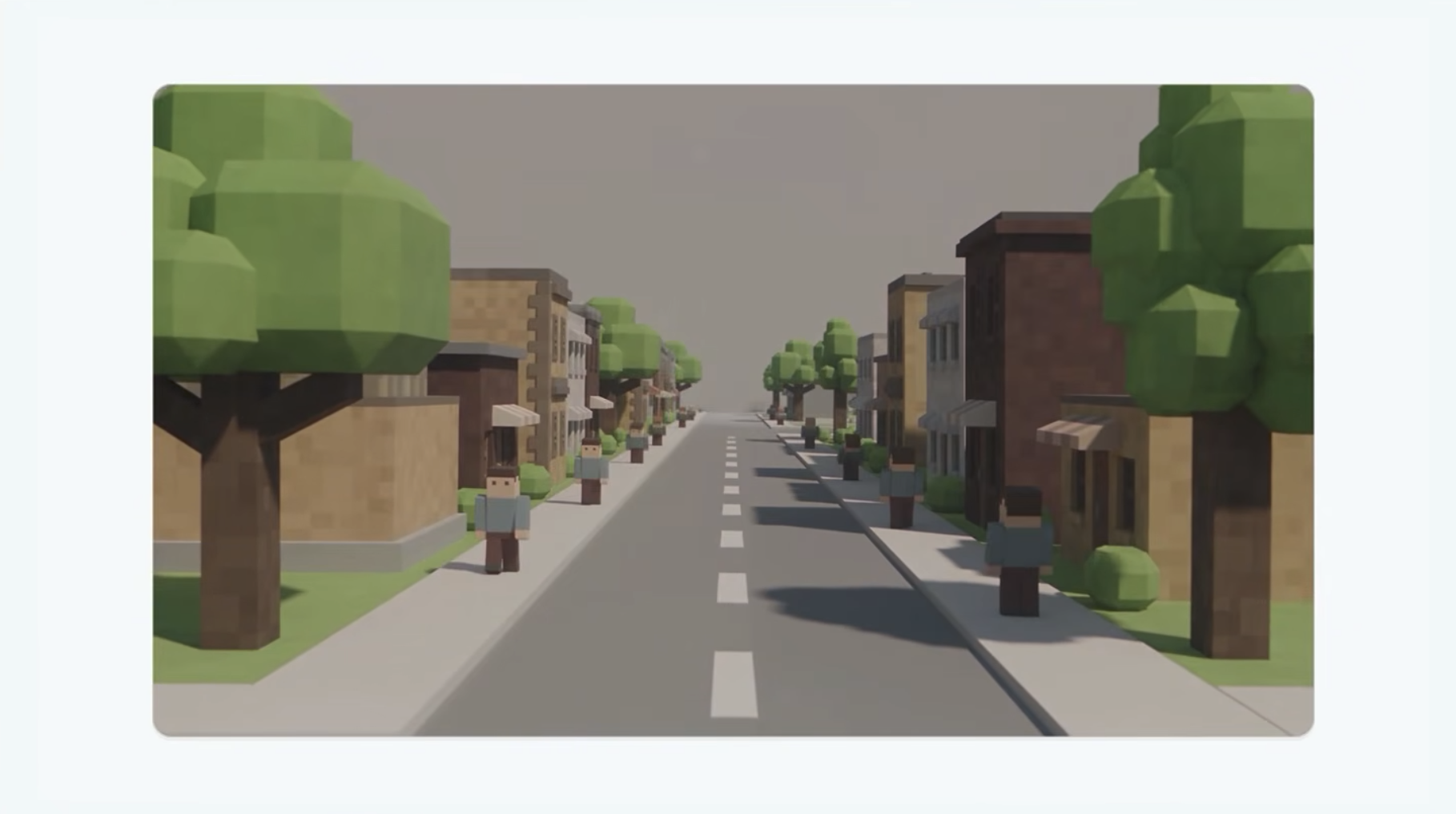
Valenzuela used most of the talk to look ahead. He described “world interface models,” where users can click on and interact with video frames in real time, with the video model generating the response instead of a 3D engine.
He also previewed Continuum, an experimental concept in which video models render a computer’s screen, turning web content into interactive, AI-generated “portals.” He suggested coding agents could use generated video to reason visually, for example by producing an interactive 3D model a developer can steer.
Valenzuela said Runway plans to release most of these ideas within the next 8 to 12 months.
Why It Matters
If AI video truly can’t be told apart from real footage, the consequences go well beyond filmmaking. It raises the stakes for deepfakes, misinformation and disclosure, and it puts more pressure on platforms and toolmakers to label AI content clearly.
For filmmakers, it sharpens existing concerns about AI replacing actors, crews and stock footage. It also makes provenance tools, like content credentials that record how a video was made, more important for anyone who needs to prove their footage is real.
Competitive Context
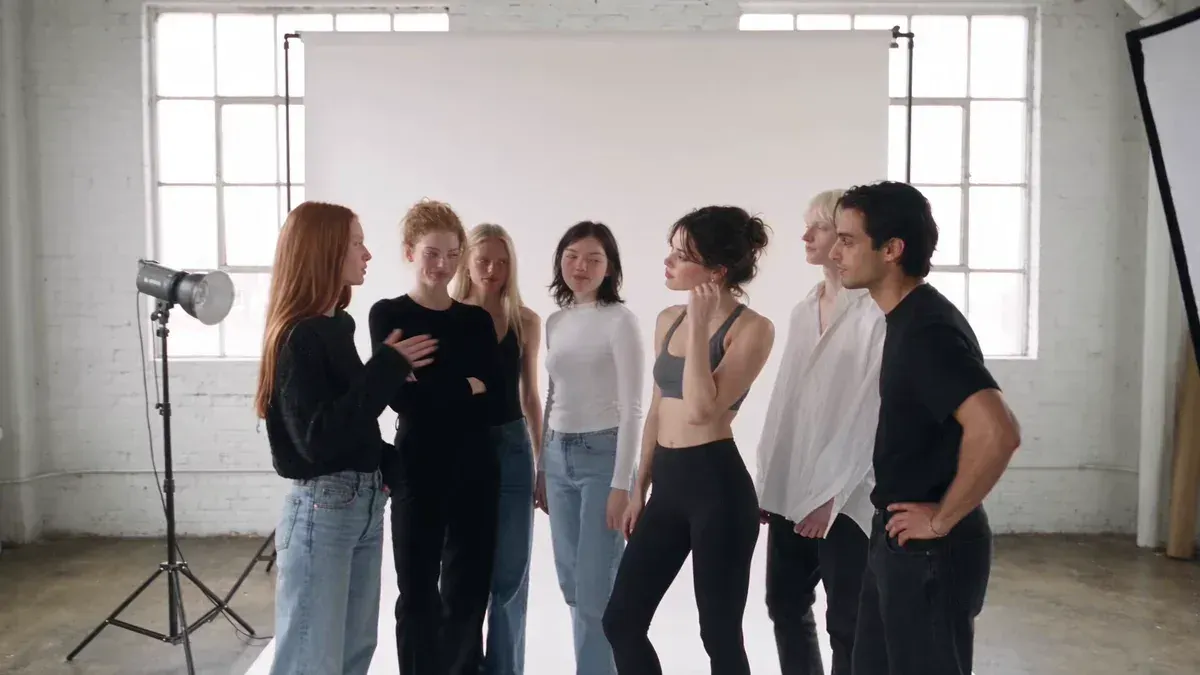
Runway competes with Google’s Veo, ByteDance’s Seedance, Kling and others, all of which have pushed realism sharply this year. Several are also moving beyond clips into interactive “world models,” including Google’s Genie line.
At the same time, many AI tools are heading in a different direction from photorealism, toward editable graphics built as code, covered in What Is Code-Based AI Video? A Guide to the Tools That Build Editable Videos. Others are packaging realistic AI characters for advertising, covered in AI Talent Agencies Are Here: Glif Lets You Cast Synthetic Models for Product Ads.
The Signal in the Noise
Valenzuela’s claim reflects something many viewers have already noticed: the best AI video clips are now very hard to spot. But “you can’t tell what’s real” is a sweeping statement, and Runway hasn’t shown the evidence behind it.
The more useful takeaway is where Runway is heading. If its interactive world models arrive on the timeline Valenzuela described, the bigger shift won’t be realism. It will be video that responds to you in real time.
Can you still spot AI video in your feed, or has it started to fool you? Share your experience in the comments.