Here's a First Look at Ryan Coogler Shooting His X-Files Reboot on 65mm With the Cinematographer From "Sinners"
Set photos from Ryan Coogler's X-Files reboot pilot confirm he's shooting on 65mm Panavision film with "Sinners" cinematographer Autumn Durald Arkapaw. Here's what that means for the production.

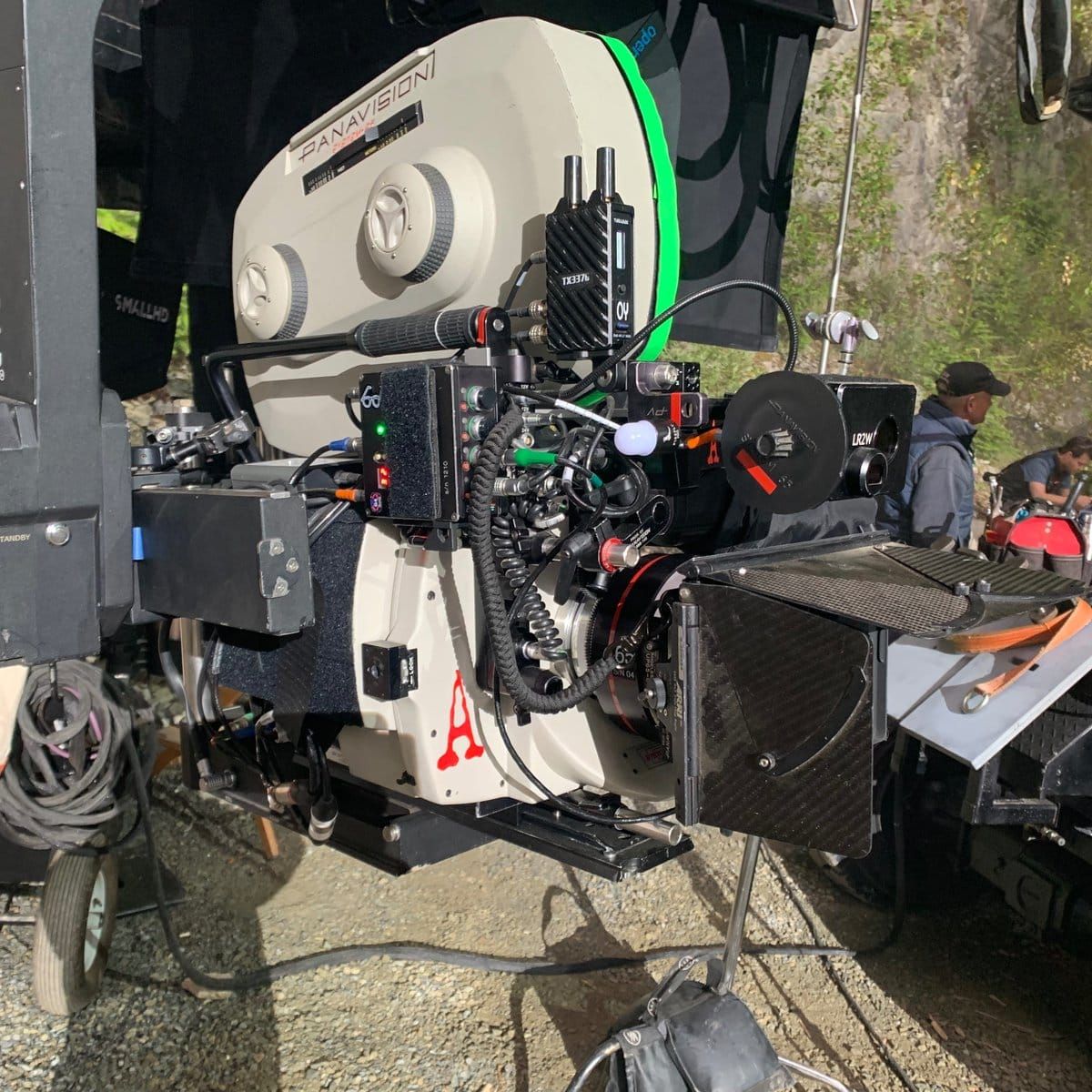
Set photos from Ryan Coogler's X-Files reboot pilot have surfaced — and they confirm what filmmakers will want to know: Coogler is shooting the pilot on 65mm film, using a Panavision large-format camera, with Oscar-winning "Sinners" cinematographer Autumn Durald Arkapaw behind the lens.
The photos, shared by @deangoodine on Instagram, show the Panavision 65mm rig on location in Vancouver, where the pilot has been shooting under the working title "Alphabet Soup" since May 2026.
What you're looking at in the photos
Ryan Coogler's pilot episode for his series reboot of THE X-FILES for Hulu has been shot on 65mm film by Academy Award winner Autumn Durald Arkapaw.
— Shot on Film Updates (@isitshotonfilm) July 16, 2026
Starring Himesh Patel and Danielle Deadwyler as leads with a supporting cast including Amy Madigan, Steve Buscemi and Ben Foster. pic.twitter.com/9jwO2sNh9j
The camera visible in the set photos is a Panavision System 65 — the same large-format film camera family Panavision has been producing since the 1950s, most recently updated for productions including "Dune," "Oppenheimer," and "The Hateful Eight." It's a physically enormous piece of equipment compared to a standard 35mm camera, which is visible in the scale of the rig setup. The green screen visible in the background confirms the production is shooting some VFX-integrated content alongside the location photography.
Why this matters for the X-Files reboot specifically
Coogler choosing 65mm for a Hulu streaming pilot is a notable decision on multiple levels.
65mm film captures a significantly larger negative than 35mm — roughly 3.5 times the frame area — producing finer grain, higher resolution, and a specific depth and texture to the image that large-format digital cameras have been trying to approximate for years. It's the same format Christopher Nolan used for "The Odyssey," which we covered when it opened last week. That film cost $250 million and was shot entirely on IMAX 70mm (which uses 65mm film). Coogler is bringing the same photographic philosophy to a television pilot.
Autumn Durald Arkapaw is the right person to be behind that camera. Her work on "Sinners" — which earned her an Academy Award for Best Cinematography — demonstrated a specific facility with large-format imaging and a visual language that matched Coogler's directorial instincts closely. The "Sinners" images had an unusual density and warmth that came partly from her choices about format and exposure. Bringing that same collaboration to the X-Files reboot signals that this isn't a standard streaming production — Coogler is treating it with the same cinematic ambition he applied to his theatrical work.
What the show is and who's in it
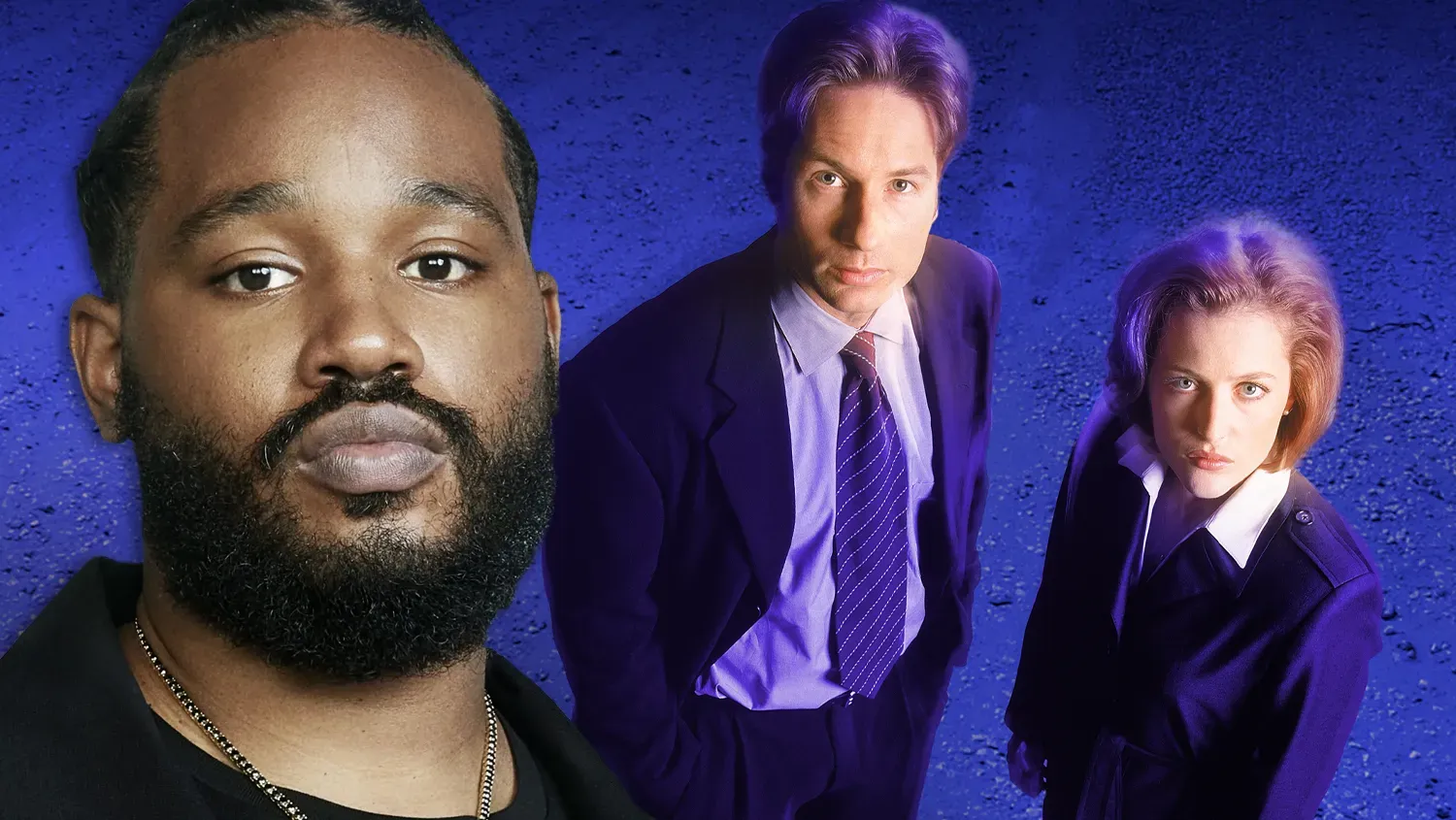
For context on the project: this is a full reboot of The X-Files for Hulu, not a continuation of the Gillian Anderson and David Duchovny era. The new show follows two new FBI agents assigned to a division investigating unexplained phenomena. Danielle Deadwyler and Himesh Patel lead, with a supporting cast including Amy Madigan, Steve Buscemi, and Ben Foster. Coogler writes, directs, and executive produces the pilot. Original series creator Chris Carter is on board as a non-writing executive producer.
The pilot is described as having cost more than any pilot Hulu has previously produced — a figure consistent with a 65mm film shoot, which requires specialized equipment, film stock costs, developing costs, and scanning expenses that digital production avoids entirely.
The larger pattern worth noting
This is the third major production using large-format film to break in the past few weeks. "The Odyssey" opened in IMAX 70mm. The "Backrooms" extended re-release has been doing strong business. And now Coogler's X-Files pilot confirms 65mm on a streaming production. The through-line: filmmakers at the highest level of the industry are choosing film not because digital isn't capable enough, but because the specific image quality of large-format film produces something they can't replicate otherwise. That conversation is happening at the same time AI video tools are advancing rapidly — and the choice to shoot on 65mm is partly a statement about what human filmmaking looks like when it's working at full ambition.